Bootstrap
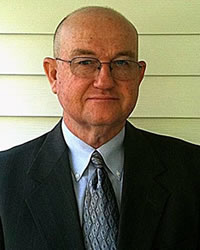
Gary Shepard

The Resolution of God's Elect

1 Corinthians 2:2
Gary Shepard January, 4 2009 Audio
0 Comments
Gary Shepard
Gary Shepard January, 4 2009

Sermon Transcript

Auto-generated transcript • May contain errors

100%
I want you to turn back in your
Bibles this morning to 1 Corinthians 2 where we read this morning for
our reading. I thought about it, how I want to speak as clearly and as definitely and as carefully
as I can this morning. This is the first Sunday of the
year. And while I was sitting there,
I thought how a surveyor, if he starts off wrong at the first
point, He is going to be wrong and increasingly wrong at every
other point. So I want to read one verse in
the beginning out of this second chapter, and that is verse 2, where Paul says, For I determined
not to know anything among you save Jesus Christ and Him crucified." I want to talk to you about the
resolution of God's elect. There are many people who have
already made many resolutions for the new year. Some resolve to make money, to
get gain. Some resolve to quit their bad
habits. Some resolve to accomplish certain
goals. And some are resolved to advance
various causes and their own opinions. But I notice that this was not
the Apostle Paul's resolve. His is not only the resolve of
every true gospel preacher. But it is also the resolve of
every true believer, every one of God's elect that he has called
out by his grace. And it is surely the resolve
of true knowledge and true faith. Listen to his words in verse
1. He says, And I, brethren, when
I came to you, came not with excellency of speech or of wisdom,
declaring unto you the testimony of God. And then in verse 3,
And I was with you in weakness and in fear, and in much trembling,
and my speech and my preaching was not with enticing words of
man's wisdom, but in demonstration of the Spirit and of power." And then what does he say was
his reason for this? Verse 5. That your faith should
not stand in the wisdom of men, but in the power of God. That your faith should not stand
in the wisdom of men, but in the power of God. And if their
faith was not to stand in the man who preached the message,
or in the manner in which he preached it, what was it to stand
in? We'll go back to that first verse,
and he declared according to his own self declaring unto you
the testimony of God." You see, it is not what I think. It is not what some old writer
or preacher wrote. It is not what you think. The thing that will stand and
is forever settled in heaven is the testimony of God. That is, the gospel of God, which
he says is concerning his Son. And for these reasons, this faith
that God had given to this man, and this understanding and knowledge,
it moved him to this resolve. He says, I determined not to
know anything among you save Jesus Christ and Him crucified. Now, this is an amazing thing
for this man who was Saul of Tarsus to say. And yet it is
no more amazing for him to say it as it is for any son or daughter
of Adam to be able to say the same thing. They all say it if
they are brought to say it at all and resolve it in their hearts
by the grace of God. You see, it is not a natural
thing. As a matter of fact, as we just
read, the natural man receives not the things of God. But these are the words, they
are the resolve of a man who is born of God. They are not
the words of a mere religious zealot because that was what
Paul was all his days until Christ intercepted him. What did he
say? He said, in the light of God's
grace, when he was brought to know and believe on Christ, he
said, I was before a persecutor. I was before, in my religion,
in my morality, in my understanding, in all my actions, an injurious
person, and I was before a blasphemer. He said I was an ignorant unbeliever. And yet, by the grace of God,
he is no longer these things, but because of God's mercy, he
now looks to Jesus Christ. He says it there, writing to
Timothy, I was mercied by God. And here is this man who was
not without other knowledge, he had at one time sat at the
feet of Gamaliel, the greatest teacher of his day, but he was
like every one of us by nature. He was ever learning and never
able to come to the knowledge of the truth, even though he
knew some true things. He had a knowledge of some things
concerning God that were true, and yet he confesses that he
did not know the truth. And he only found it out, he
said, when God, when it pleased God to reveal His Son in me. He only came to know the truth
concerning God, the truth of God's gospel, when it pleased
God by revelation to reveal it to him. And he did so, revealing
Christ to him. Look down in the ninth verse
of I Corinthians 2. He says, but as it is written,
I hath not seen nor e'er heard neither have entered into the
heart of man the things which God hath prepared for them that
love him, but God hath revealed them unto us by His Spirit. For the Spirit searcheth all
things, yea, the deep things of God, For what man knoweth
the things of a man, say the Spirit of man which is in him,
even so the things of God knoweth no man but the Spirit of God."
And then he says, now we have received, not the Spirit of the
world, but the Spirit which is of God, that we might know the
things that are freely given to us of God." You see, Paul
knew a lot of things, and like I said, he knew even a lot of
true things. But he did not know God in the
only way that God can be known, which is in and through and by
Jesus Christ. And when he came to know God
in Christ, it was that he might know or come to knowledge of
the things that were freely given unto him of God. And though Paul
knew much, very much, and though he was not condemning, I don't
believe, the rightful benefit of other knowledge, he was saying
that there is a knowledge that neither he nor any other man
has or can learn by themselves. Listen to what Christ said. He says, all things are delivered
unto me of my Father, and no man knows the Son, but the Father
neither knoweth any man, the Father save the Son, and he to
whomsoever the Son will reveal. You see, you and I stand in need
of God revealing Himself to us. We stand in need of Him making
known to us not only who He is, but who we are and our desperate
need of Him. And when Paul was taught of God,
And when he learned of the Father, as it says that all of God's
elect will be, and when he revealed to him a spiritual knowledge
of Christ, he came to Christ. He believed
on Christ. You see, he persecuted the church
of God. He was on his way to imprison
and to beat and maybe to have killed many who believed on Christ. He knew about Christ. He had some knowledge about Jesus
Christ, but he did not know Him until Christ revealed Himself
to him on the road to Damascus. And so now he says, by reason
of comparison, compared to the knowledge of Jesus Christ, compared
to this One who is the wisdom of God, all other knowledge is
insignificant. And so now, with God-given eyes,
with true understanding and light from God, with discernment by
the Spirit of God, he came to the knowledge of the truth in
Christ, and he saw Him as the truth itself. Somebody says nobody can ever
know the truth. That's a lie. If God revealed
to us Him who is the truth, we'll know Him who is the way, the
life, and the truth. And so with these God-given eyes
of understanding, with this light, he saw himself now for what he
was in the sight of God in himself, and he sees Christ for who and
what he is, and he began to understand that all other knowledge, regardless
of how good, regardless of how necessary it is, was not even
worthy to be compared to this knowledge of Jesus Christ. When you stop and think, and
in our day it is obvious if you listen to the news or anything
like that, if you think about how much people know in our day,
It is amazing. They can stand up before men
and without even thinking, it seems, they can rehearse and
they can speak of. Things go on with matters of
history and science and current events and religions and biblical
facts and details and business and economics and skills and
all these things. And yet, die in their sins. I'm convinced that hell will
be full of people who knew a lot. And I don't doubt but what they
knew and know a whole lot more in these things than I do. And that is the very thing that
men seem to highly prize and highly value and highly respect
and honor. But the Scriptures say that which
is highly esteemed among men is an abomination to God. And the reason why the knowledge
of Christ the knowledge of Jesus Christ, the reason why it is
absolutely essential and above all other knowledge is this. He says, and this is life eternal. And this is life eternal that
they might know thee the only true God and Jesus Christ whom
thou hast sent." What if you knew everything but Christ and
you die? You die without life eternal. You die without knowing the true
God as He really is. You die without knowing your
true self and the desperate condition that you are in. You die in your
sins and you perish. And only believers Only those
who are born of God, only those that He brings to know and believe
the gospel can say with John in 1 John 5 and verse 20 when
he says, And we know that the Son of God is come. And we know that He hath given
us an understanding that we may know Him that is true, and we
are in Him that is true, even in His Son, Jesus Christ, this
is the true God and eternal life. And while we live in this most
informed generation, and while we have all around us all of
these intelligent beings. Yet it seems like most everyone
is ignorant of God and will, apart from His grace, die in
their sins. You see, Paul, in this resolve,
here in verse 2, He resolved to study nothing, and to teach
nothing, and to write nothing, and to preach nothing, and to
believe nothing but Jesus Christ. Jesus Christ. And of all that he might and
maybe even should say about Christ, Of all that could be written,
the Bible says, the books would never be able to hold it. But
of all that He would speak of, and especially what He would
hone in on, it is Jesus Christ and Him crucified. In other words, the very thing
about Christ The very central thing about Christ which is most
naturally offensive to men and most utterly foolish to the natural
man is Jesus Christ and Him crucified. Men say, by one way or another,
well, let's talk about Jesus. Oh, what a glorious example He
provided. And maybe we can talk about Him
as such a sacrificer or a reformer or something like that. What
a wonderful personage He was. But why is it necessary that
we talk about Jesus Christ and Him crucified? You see, if we
talk about Him as He is in the Gospel, as Jesus Christ and Him
crucified, that implies that we are such sinners and so helpless
in ourselves and so worthless and vile, and our sin is such
against God that the only way we could be saved is for Him
to die for us. And so they say things like this,
let's be done with this slaughterhouse gospel. Let's be done with this
mercantile redemption. Let's be done with the notion
of blood shed and a death died in order to save us. But that
which was the most foolish to men, That which is the most ridiculous
to the natural man and the most offensive, the offense of the
cross, was necessary for both Paul's and his hearers' eternal
welfare and most especially God's glory. Isn't that something? that we
would put aside, that we would seek to isolate from our message
and our ministries and our services the very two most essential things
about Jesus Christ. Because Jesus Christ and Him
crucified on the one hand, is the only way sinners like us
could be saved, and secondly, the way which God says is His
chief glory. And yet how easy it is. How easy
it is for preachers in the pulpit. How easy it is for men and women
in the pew to be distracted from, to be enticed away from, to be
drawn away from this very central thing of Jesus Christ and Him
crucified. And that's why Paul says in the
first chapter, For the preaching of the cross is to them that
are perishing foolishness, but unto us which are being saved
it is the power of God." He'd go on, he'd say, but we
preach Christ crucified unto the Jews a stumbling block, and
unto the Greeks foolishness, but unto them which are called
both Jew and Greek, Christ, the power of God, and the wisdom
of God. Did you hear that? The Bible
says that in Him are hid all the treasures of wisdom and knowledge. And that means if you and I have
not been brought to see the wisdom and the knowledge of God in this
Jesus Christ and Him crucified, we are void of all wisdom and
knowledge. But what does Paul say was central? central to this knowledge that
he speaks of. He says it's Christ and Him crucified. And that is because the character
in which a sinner must have knowledge of Christ is as Christ crucified. In other words, here is this
inseparable union of the person and work of Jesus Christ, not
two separate things, but one thing which cannot be separated,
which is not to be elevated one over the other or said against
one another. Somebody says, well, you've got
to believe on the person of Christ. Absolutely. But what is he if
he's not the crucified person? And then some so speak of the
crucified one, they speak of the work of Christ at the exclusion
of the person, the very person who makes that work so worthy
and valuable and successful. You can't separate the two and
have a gospel. And when he says, Jesus Christ,
he is not only speaking of Jesus, the very name that means Savior,
but he says, Jesus Christ, which means the Anointed One. He is
the Anointed One of God. Now, why is it that he would
bear that particular name? Well, the name Christ literally
means anointed. And when he says Christ, this
anointed one, he ties Jesus of Nazareth to every one of those
Old Testament Scriptures and especially every one of those
Old Testament types. He is the true anointed of God. Let me read you something out
of Daniel chapter 9. In Daniel 9 and verse 25, he
says, Know therefore and understand that from the going forth of
the commandment to restore and to build Jerusalem unto the Messiah
the Prince." Who do you think he's talking about there? You
see, Messiah is the very same thing, the Anointed One of God. Messiah the Prince shall be seven
weeks, and threescore and two weeks. The street shall be built
again, and the wall even in troublous times. And after threescore and
two weeks shall Messiah be cut off." You see, the Jews, they had no
understanding of Christ. They didn't have any understanding,
the most part, as to what would happen to the Christ. And they
stood in their synagogues and they read such verses from the
prophecies of Daniels and others when it says that the Messiah
shall be cut off. What does that mean? It means
He'll die. But not for Himself. And the
people of the prince that shall come shall destroy the city and
the sanctuary, and the end thereof shall be with a flood, and unto
the end of the war desolations are determined. But he shall
confirm the covenant with many. He shall have in his death that
everlasting covenant. That covenant that God made with
His people in Christ before the world began, He's the testator
of that covenant. He's the mediator of that covenant. And it says He'll confirm the
covenant. How? By His death. What confirms a will? When is a will, the last will
and testament of someone, when is it read? It's read when it's
confirmed by the death of the individual. He'll confirm the
covenant. He shall cause the sacrifice
and the oblation to cease. Why? Because he's the one sacrifice
that all these pointed to. And because by one sacrifice
he'll put away the sins of his people, and for the overspreading
of abominations he shall make it desolate even until the consummation,
and that determined shall be poured upon the desolate." He's
the Christ. John 1 verse 41 says, of a man that he finds his own
brother Simon and says to him, we have found the Messiah which
being interpreted is the Christ. We found a Christ. In John 4, that woman said to
him, I know that Messiah is cometh, which is called Christ. When
He is come, He will tell us all things. And Jesus saith unto
her, I that speak unto thee, am He. But this name Christ reveals
Him in all His offices. Because in the Old Testament
there were three offices to which men according to the will of
God, were anointed. He had them anoint His prophet. They made a special oil of special
spices, and it was not to be used for anything except this
particular anointing. The anointing of His prophets,
the anointing of His priests, and the anointing of His king. And the way they would do that,
they would take this particular oil, this anointing oil, in a
particular quantity, a hen of oil, which I believe was something
like two quarts, and they would just pour it on the top of the
head of the one being anointed. And as the psalmist said, it
would run down the beard, it would run down the garment, all
the way to the feet. That's who the Christ is. You
see, Christ is all of these before God to His people. He is God's
prophet. That is, He reveals God to men. He speaks for God to men. He reveals the will of God and
illuminates the mind. He said the Son hath declared
Him. You see, by nature, we'd like
to just sneak into heaven as if to go somewhere like the land
of Oz and see the wizard. But the only way we'll ever see
God, he says, is in the face of Jesus Christ. How many people
today will talk about God? In Israel, Gaza, They're fighting
fast and furious, and people are dying over religion and the
notion as to who God gave what to. They don't know God. They deny that Jesus Christ Himself
is God. He is God's priest. He represents
men before God. He's the one who offers the one
sacrifice to God on behalf of His people that God will accept. He's the one who's already entered
in, not, he says, on earth, but entered into the very Holy of
Holies to bring forth one sacrifice forever by which every one of
His people are perfected in God's sight. And He's God's anointed
King. He rules, He defends, He provides,
He leads. So when you come to the book
of Acts, And the apostles are there declaring how God anointed
Jesus of Nazareth with the Holy Ghost and with power, who went
about doing good and healing all that were oppressed of the
devil, for God was with him. Therefore, let all the house
of Israel know assuredly that God hath made that same Jesus
whom ye crucify. Both Lord and Christ. The Jesus, that's the name of
His humanity. That Jesus that was crucified
is both Lord and Christ. He is the Lord Jesus Christ. And Paul says, Christ crucified. And thereby he associates these
offices, each one to the death of Jesus Christ on the cross. And so he has to reveal to us
how Christ and Him crucified, as He is set forth in the Gospel,
is all that God has to say to us in mercy and grace. he hath in these last days spoken
unto us by his Son. And this is his purpose that
he decreed in that everlasting covenant, so that him being delivered
by the determinate counsel and foreknowledge of God, he says,
you have taken and by wicked hands have crucified and slain. You know, if it ever seems like
there was a time, you know, we talk about it now when everything
gets really bad and wars and such as that, but if there ever
seems there was a time when everything was totally out of the control
of God, it surely must have been when they were taking His Son
and crucifying Him and by their wicked hands slaying Him on that
cross. No. He said that was by the determinate
counsel and foreordination of God. That was God saying, I am
holy, and I am just, and I must take vengeance against sin. And
there is no way for God to reveal Himself and honor Himself in
all His character and attributes and at the same time save sinners
except through the cross. Why would we want to shut our
ears to that? Why would we want to shut our
ears to what God Himself calls the good news? Why would we want no part of
the true evangelizing? What does that mean? It means
to eulogize. I'm sure I'm sure, Billy, when
you, every funeral, you hear somebody stand up and eulogize
the one that died. What does that mean? It means
to say good things about them. And that's what the Gospel is.
It's this eulogy of God. It says and speaks the good things
about God which are in His Son. And God says through the crucifixion
of His anointed prophet, He says to us, I am a just God and a
Savior, and this is my will. Christ said, For I came down
from heaven not to do mine own will, but the will of Him that
sent me. And this is the will, the Father's
will, which hath sent me, that of all which He hath given me."
I should lose nothing, but should raise it up again at the last
day, and this is the will of him that sent me, that every
one which seeth the Son, and believeth on him, may have everlasting
life, and I'll raise him up at the last day." You see, Christ crucified, the
Bible says, is God declaring His righteousness. being justified
freely by His grace through the redemption that is in Christ
Jesus, whom God has set forth a propitiation through faith
in His blood to declare His righteousness for the remission of sins that
are passed through the forbearance of God, to declare, I say at
this time, His righteousness, that He might be just and the
justifier of him which believeth in Jesus." God is right. He is just to forgive
and take into His holy heaven every sinner who believes on
the Lord Jesus Christ. As a matter of fact, the reason
that every sinner does believe on Jesus Christ that does believe
is because of Him and because of what Christ has done. How would we ever hear from God
except He speak by His priest, the Lord Jesus Christ? He's not
going to audibly speak to us from heaven, but He's going to
speak to us through this gospel of Christ and Him crucified. Sometimes I want to say to people,
what does the cross mean to you? Does it mean anything to you? Is it just a form, a figure? Do you know anything about the
One who died on that cross? Do you know anything about what
He accomplished in His death? And then God says through the
crucifixion of His anointed one, His priest, you can't come to
me in your own person or in your own righteousness or in your
own works. You've got to have the one priest. Sometimes I just want to scream.
I find myself in situations when men are praising men and talking
as they do all the time about how God will surely have to accept
this one because of what they've been. Oh, she's a dear, oh, she's
just the kindest, dearest thing. And if anybody ever deserved,
as they say, a ticket to heaven, it's her. Well, the Bible says, if we can
be saved by works of righteousness, which we have done, then Jesus
Christ died in vain. Do we understand that? He says
it's not by works of righteousness which we have done, but His own
mercy that He saved us. It's not about what we do, but
it is rather about what Christ, in His glorious person as the
God-man, in His sinless being who was made sin for us, that
we might be made the righteousness of God in him. He's saying that
there is no earthly priest, there is no other mediator among men
that can represent you. There is one. One mediator between God and
men, the man, Christ Jesus. And he's saying that Christ is
that priest who, offering Himself as a substitutionary sacrifice
in the believer's place before God, having been crucified with
our sins imputed to Him, are made the very righteousness of
God in Him. We are made. the righteousness
of God in him." And you can dispute and debate about imputation and
importation all you want to, and you leave the language of
the Bible. It says, made the righteousness
of God in him. And my friend, that's the only
one there is. That's the only one there is. For Christ is not entered into
the holy places made with hands, which are the figures of the
true, but into heaven itself, now to appear in the presence
of God for us. Now once in the end of the world
hath he appeared to put away sin by the sacrifice of himself. having made peace through the
blood of his cross to reconcile all things unto himself. By him
I say, whether they be things in earth or things in heaven." That's our priest. He goes before
God, and the sacrifice that he offers is himself. Do you think God accepted what
His Son offered unto Him? He had to. He received of His
own essence. He received of His own perfection. He received to His own satisfaction
the substitute that He Himself had appointed for His people.
That's His priest. blotting out the handwriting
of ordinances that was against us, which was contrary to us,
and took it out of the way, nailing it to His cross. He redeemed
us from the curse of the law being made a curse for us in
our place. For it's written, Cursed is everyone
that hangeth on a tree. And God says, through this Christ
crucified, through this crucifixion of His anointed King. You see, He spoke when He raised
Him from the dead, and exalted Him, and seated Him at His right
hand, and He declared His work and His sacrifice accepted. You know how many times I've
told you about the priest, that the only way they could know,
when that priest, that great high priest, went in once a year
into the Holy of Holies with that sacrifice appointed by God,
the only way they could know if his sacrifice was accepted,
and therefore they accepted in him, was if he came out alive. If he came out alive, God didn't
kill him and reject him and the sacrifice and them. If he came
out alive, God accepted it. My friend, when the Lord Jesus
Christ rose from the dead, There's the evidence of an accepted
sacrifice. That's the evidence of a priestly
work that was satisfactory with God. That's the evidence of God's
justice satisfied. That's the evidence of all that
were in Him being justified and declared righteous, for He was
delivered for our offenses and raised because of our justification. What does the king do? He takes
a throne. He takes a throne. He rises as
the heir. He rises as the one who is worthy
of the throne. Hebrews says, who being the brightness
of His glory, and the express image of God's person, and upholding
all things by the word of His power, when He had by Himself
purged our sins. He sat down on the right hand
of the Majesty on high. Now, there have been many, many
earthly kings who have taken the throne unworthy. But this one who took heaven's
throne took it as the one who is worthy, that worthy Lamb,
the Son of God, the successful Savior of His people. And because
He had by Himself purged all the sins of His people, washed
them away, Since He is victorious over death,
hell, and the grave. Since He is successful in everything
He came to do, especially on the behalf of His people. Take the throne. Take the throne. But this man, after he had offered
one sacrifice for sins forever, sat down on the right hand of
God, from henceforth expecting till his enemies be made his
footstool, for by one offering he hath perfected forever them
that are sanctified." So as this Christ, who through
His crucifixion rose again and lives to reign not only over
all things, but especially in the hearts of His people, He
from His throne will apply all the benefits of His redemptive
work to those for whom He died. And His throne is in Himself
become a throne of grace. Do you believe that? You see, a throne of grace means
that none who are worthy in any way would be found there. Listen to this description. His
throne is a throne of grace that we may obtain mercy and find
grace to help in time of need. Now if you, there's a least little
chance that you don't need mercy. What is that? That's the kind
treatment of one who's made himself your enemy. Or if there's a slight
chance that you don't need grace. What's grace? That's favor that
can't be deserved or earned or merited. If there's a slight chance that
you don't need mercy and grace, you won't be found at this throne. But if you know you're totally
in need of God's mercy, and God's grace in Jesus Christ. He said, you can come boldly and get it. Sometimes when I'm praying about
preaching, praying about what preaching? I find myself almost saying to
the Lord, why should I even preach it?
There's not anybody in our day who needs it. There's nobody that feels any
guilt for sin, any sense of who you are, any need of this Savior. And I know that the only ones
who ever do are those that He brings to see their need and
to see the Lord Jesus Christ. Oh, but He is able also to save
them to the uttermost that come unto God by him, seeing he ever
lives to make intercession for thee. But when he brings one of his
own, this becomes their resolution. I determine not to know anything
before men or God, save Jesus Christ and Him crucified." I may not understand everything
about it. As a matter of fact, if I could, there wouldn't be
much to it. But God has shown me that He
is my only hope. My only way of salvation. This is my creed. This is my
theology. This is my doctrine. But even
more, this is all my hope, all my life, all my salvation. And I say to you as your pastor
and a preacher of the gospel, this is all I've got. Jesus Christ
and Him crucified. This is all my ministry, my hope. Paul said, I am crucified with
Christ, nevertheless I live, yet not I, but Christ liveth
in me, and the life which I now live in the flesh I live by the
faith of the Son of God who loved me and gave himself for me. He said, God forbid that I should
glory, save in the cross of our Lord Jesus Christ, about whom
the world is crucified unto me, and I unto the world. The world, in the great sense
of the fallen world, is appointed to the wrath of
God. appointed to a death that is
eternal. But Paul says, through Christ
crucified, I'm already dead to that and raised again in Him. I'm already separated from every
old connection I had with Adam and the fallen race of humanity
in this world with this earth. I'm cut off from that. I'm already
died. and made a part of the new creation
in Jesus Christ. How? Through Jesus Christ and
Him crucified. I pray that God will give every
one of us grace, enable us to see, as Paul said,
that Christ is all. He's everything. And that this will be our resolution,
not just in the coming year, but all our days. I resolve, I determine not to
know Anything among you save Jesus Christ and Him crucified. Father, this day we give You
praise and glory and honor. Thank You for making us know
that the most vital, the most essential thing that we could
ever know is Jesus Christ and Him crucified. Help us to cast off every other
hope, all the filthy rags of our own
self-righteousness, that we might be found in Him. Give us faith to believe on Him
and to trust no other. courage to confess Him, joy to
rejoice in Him, strength and help to follow Him. Help us to know that salvation
is not in what we do, but that it is in what Christ
has done. as the God-man Savior and Mediator. The knowledge of this, Lord,
will surely bring a great influence on what we do. Give us grace that we might live
to his glory, obey his word, trust him all our days, But we
ask all things in Christ's name. Amen. Amen.
Gary Shepard
About Gary Shepard
Gary Shepard is teacher and pastor of Sovereign Grace Baptist Church in Jacksonville, North Carolina.

Comments

0 / 2000 characters
Comments are moderated before appearing.

Be the first to comment!

Joshua

Joshua

Shall we play a game? Ask me about articles, sermons, or theology from our library. I can also help you navigate the site.