Bootstrap
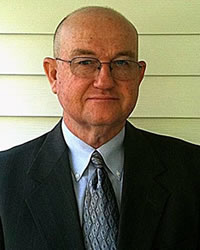
Gary Shepard

The Shepherd's Necessity

John 10:16
Gary Shepard March, 2 2008 Audio
0 Comments

Sermon Transcript

Auto-generated transcript • May contain errors

100%
Please turn back in your Bibles
this morning to John chapter 10. John chapter 10. I'll go back and read a few of
those verses where Joe read in our reading. Look with me in verse 14. Christ says, I am the good shepherd,
and know my sheep, and am known of mine. As the Father knoweth me, even
so know I the Father. You have to know that the knowledge
that is being spoken of there is more than just being aware
of someone. It is the knowing in the same
sense that we read in Genesis where it says that Adam knew
his wife. He loved his wife. He was in
an intimate relationship with his wife. And so the shepherd
says that concerning the sheep, and also says that the Father
is likewise to him, and him to the Father. And I lay down my
life for the sheep. and other sheep I have, which
are not of this fold, them also I must bring, and they shall
hear my voice, and there shall be one fold and one shepherd." I don't think that there is anywhere
you could go in this book to find a better example and picture
of God's people than we do in the sheep. Because in this picture of the
sheep, we have a picture of what they are by nature, And yet at
the same time, we have a picture of what they are by the grace
of God in Christ. You see, their condition here
in this natural state is like sheep in the sense that they
are weak, that they are wandering, that they are helpless. And we
find this in both the Old Testament and the New Testament. In Isaiah
we read, All we like sheep have gone astray, we have turned every
one to his own way. And then we read in the New Testament
in Matthew, But when he saw the multitudes, he was moved with
compassion on them, because they fainted and were scattered abroad
as sheep having no shepherd." And it is as the shepherd of
the sheep that the Lord Jesus Christ loves them redeems them,
saves them, and rescues them. Isaiah again, Behold, the Lord
God will come with a strong hand, and his arm shall rule for him,
Behold, his reward is with him and his work before him. He shall feed his flock like
a shepherd. He shall gather the lambs with
his arm and carry them in his bosom." When you look in the New Testament,
In Hebrews 13, he is called the Great Shepherd. When you read
in 1 Peter 2, he is described as the Shepherd and Bishop of
our souls. When you read in 1 Peter 5, he
is called the Chief Shepherd. And all of his people, all of
his sheep, they are each and every one sinners in themselves,
spiritually dead in trespasses and sins, blind to the truth,
rebels against God, and described by one word in particular, lost. They are lost. And they are in that state and
condition such as they must be found. Hold your place there and turn
back to Luke chapter 15. Luke chapter 15, beginning in
verse 1, Listen to what it says. Then drew near unto him all the
publicans and sinners for to hear him. They drew near to him because
he drew near to them. But this was not the case with
these Pharisees and scribes. And the Pharisees and scribes
murmured, saying, This man receiveth sinners, and eateth with them. And he spake this parable unto
them, saying, What man of you, having an hundred sheep, if he
lose one of them, doth not leave the ninety and nine in the wilderness,
and go after that which is lost until he find it." You see that? He goes after his sheep that
are lost until he find it. And when he hath found it, There
is no if here. And when he hath found it, he
laith it on his shoulders rejoicing. And when he cometh home, he calleth
together his friends and neighbors, saying unto them, Rejoice with
me, for I have found my sheep which was lost. I say unto you
that likewise joy shall be in heaven over one sinner that repenteth
more than over ninety and nine just persons which need no repentance. They are every one lost, and
they must be found. And they cannot find themselves,
and if it were left to themselves, they would, every one, without
this shepherd, perish. Now, a question that I often
find people asking, when they say that the gospel that we preach
is so narrow, they say, don't you think that God has other
sheep in various religions of this world, even among those
who do not seem to believe His gospel? And I answer them in
this way. I say, yes, I certainly do. But if they are outside of the
gospel by which they are caught, they are still lost. sheep, and
they must be found by the shepherd. And as we read here in our text
in John 10, it is as the good shepherd that Christ seeks and
finds and brings to the foal all of His sheep. If you look here in verse 11,
he says, I am the good shepherd. The good shepherd gives his life
for the sheep. Now, if I had no other place
in Scripture to learn who it is that Christ died for, it would
have to be that verse. He says, the good shepherd gives
his life for the sheep. Look again in verse 14, I am
the good shepherd and know my sheep and am known of mine. But what I want us to notice
most particularly in this text and throughout Scripture this
morning is this, the shepherd's necessity. That's what I call
this this morning. The shepherd's necessity. And if you'll look back at that
16th verse, this is what I'm talking about. He says, "...and
other sheep I have, which are not of this fold, them also I
must bring. And they shall hear my voice,
and there shall be one foal and one shepherd." Now, there are
a lot of things that could be spoken concerning this very verse. But there are two things that
struck me, and the first is this. I want to emphasize what he says
here in this verse, so that the Lord's people that he has already
found those of His sheep here this morning, or whoever would
hear this, that they would know and be reminded that concerning
our families and concerning our friends and all those around
us, if they are the Lord's sheep,
He will bring them. And not only that, but also to
say to everyone present or who might hear someplace else by
this tape or CD, that if you are the Lord's sheep, if you are His sheep, you will
come to Christ because He will bring you. You see, Adam and Eve, if you
remember, they ran from God and sought to hide themselves in
the midst of the trees in the garden. They ran, but they could
not hide. And all God had to do was to
leave them in their fleeing, in their hiding from Him, and
they would perish. But in grace, He found them. He found them to show mercy to
us. He found them to deliver them
from that sin and that ignorance and that blindness that they
had fallen into in their rebellion against Him. And that's what He does for every
one of His people. David, when he arose to the throne,
he had, because of a pledge and a covenant made with one of the
sons of Saul by the name of Jonathan. He had pledged to show mercy
on the family of Jonathan. Now all the others of Saul's
family, they all perished justly at his hand, but when he rose
to the throne, It says that he said, is there not one in the
household of Saul, his enemy, is there not one in the household
of Saul that I can show mercy to for Jonathan's sake? And they said there's one by
the name of Mephibosheth. And that very name means destroying
shame. There's one son, and he is lame
in both his feet. And he is dwelling in the land
of Lodabar, which means a land of no pasture. And I'm sure he
is as far away from the throne of David as he can get, because
he thinks that David would destroy him. But just like the Lord Jesus
Christ, as He stands in that covenant as the basis upon which
God shows mercy to His sheep, He says, is there not one in
the household of Saul that I can show mercy to for Jonathan's
sake? God says, is there not one in
the household of Adam that I can show mercy to for Christ's sake? They said, yeah, there's one
fellow left. But he's so far out and he's
lame in both feet. There's no way that he could
come. There's no way that he would
come. He's fleeing from you. And he's
a very undesirable sort of a fellow. But do you know what the Bible
says? It says that David sent and fetched Mephibosheth. He went and he sent his servant,
who is a type of the Spirit of God, He sent His servant, who
also depicts the preacher of the gospel, He sent His servant
and He fetched him. That's what I'm talking about.
Some old preachers have called it fetching grace. You see, He'll bring each and
every one of His sheep, In this text, he refers to these as other
sheep. Other sheep, have I, which are
not of this foe. Who is he talking about there?
Well, he is talking in this instance especially of his elect among
the Gentiles. It isn't that he doesn't have
an elect people among the Jews, because he says here, them also. Them also. Let me read you a verse in Galatians chapter 3. He says that in Christ, verse
28 of Galatians 3, there is neither Jew nor Greek or Gentile, there
is neither bond nor free, there is neither male nor female, for
ye are all one in Christ Jesus. There is a remnant in both Jew
and Gentile, a remnant according to the election of grace in the
Lord Jesus Christ. And that people He laid down
His life for. And in these people, they are
the sheep who were then on the earth not present on this occasion. They were the sheep in every
age to come, that people out of every nation, kindred, tribe,
and tongue, that people who were redeemed from among men. And it was also those sheep who
are yet lost in March of 2008. Sheep who may be in this very
service who are yet to be brought to
the Lord Jesus Christ. I want you to notice who they belong to. I'll say first that they are
like every sinner who has not yet been brought. They are like
every other one thinking that they have their own way, thinking
that they have a free will, thinking that they are as some say, in
control of their destiny. But they belong to the shepherd.
As a matter of fact, nothing belongs to the devil, and nothing
belongs to you or to me. When we came into this world,
we came into this world with nothing and unable to do anything
or control anything. And when we go out of this world,
we're going to leave the same way. Don't stake your claim here in
this world. He says, all souls are mine,
saith the Lord. And all through this text of
Scripture, he refers to them not only in contrast to the goats
that he talks about in the book of Matthew, but he refers to
them all as this special possession of Christ. He said, my sheep, my sheep, why would you want to be your
own rather than to be the possession
of the King of glory. He says here, other sheep I have,
not shall have, I have them. And he has them because they
are said in John 17 and other places to have been given to
him by the Father before the world began. What amazing grace. They were given to him, and not
only given to him as a possession, but they were put in his care. He's their shepherd. I don't know how many times growing
up, I don't know how many times in my early adult years that
I read that 23rd Psalm and heard the psalmist say, the Lord is
my shepherd. What does that mean? It means
I shall not want. I want want of anything. I won't
lack in anything. And if he is my shepherd, I'm
his responsibility. I've messed up so many times
in my life. It looks like that to my very
dying day, I'm going to prove again and again the impossibility
of me never, of ever doing anything that God could accept Anything
that would deliver me or better me in any way, if he's not my
shepherd, I'll perish. He'll have to deliver me. When Paul was sent into Coriath,
which was a place wicked, And he evidently was afraid. He was afraid, I'm sure, to face
the opposition. He was afraid to face the physical
dangers. He had an idea of how naturally
the gospel he preached would be received. But the Lord said to Paul at
night, Be not afraid. But speak, and
hold not thy peace, for I am with thee, and no man shall set
on thee to hurt thee, for I have much people in this city." I have much people in this city. And later on, Paul writes to
this very same church and people that God called out, and he reminds
them of that. He said, you're not your own, for you're bought with a price.
Therefore glorify God in your body and in your spirit, which
are God's. They're His sheep because they
were given to Him by the Father. They're His sheep as the Creator
of all. They're His sheep because all
souls are His. But they are His sheep because
He redeemed them. He redeemed them unto Himself. But He must likewise because
of what they are in their state and condition as lost sheep. There's something he must do.
There's a necessity here. He has to bring them. He has to bring them. I know that people are so fond
of saying Well, I know that God can do anything He wants to. They say that with their lips,
but they don't believe that He will do anything. But what did He say? He said,
I'll bring them. I'll bring them. Some say he
doesn't have to do anything. But he said, I must. Them also
I must bring. He must bring them. And there
are some reasons for it. One is because he has pledged
so in that covenant. That covenant. everlasting covenant
is bound up in this. The glory of God lies in the
shepherd bringing all the sheep. And if there would be one person
in hell that Jesus Christ came and died for, that would make
his whole shepherdhood a failure. The Apostle says in Hebrews 13,
Now the God of peace that brought again from the dead our Lord
Jesus, that great Shepherd of the sheep,
through the blood of the everlasting covenant. He must bring them because the
covenant of God, the purpose of God, the will of God is bound
up in the shepherd saving all the sheep from their sins. Not only that, but because this
is what a shepherd does. In the world, you see various
shepherds in places where they still keep and tend to sheep. You have a shepherd who looks
after them, and that's his responsibility. And if he lets the lion or the
bear or the coyote or the wolf or whatever it is, if he lets
them come in and kill and destroy all the sheep, you can't really
call him a shepherd, can you? But He must bring them because
He said He would, His promise. In other words, if we can't believe
His promise and pledge to do what He said to do here, let's
close this book up and go home, because you can't believe Him
anywhere. He said, them also I must bring. And oftentimes they are Well,
all the time they're found in this world with no interest in
the gospel, no real interest or love for the things of Christ,
no need, it seems, in themselves for anything about the living
God. And they think in themselves
that's not anything going on. But He's always bringing them. Did you know that everything
that happens to one of the Lord's sheep, Bill, it's Him bringing
them to Himself. You say, but they were going
away from Him. They're running as hard as they
can in the other direction. Yeah, but as the poet said, He
has the hound of heaven on their trail. He is working everything
by the workings of His providence. He works all things together
for good to them that love God, to them that
are called according to His purpose. Every one of their failures, every twist in their life, every
turn everything that goes on. It all works to His bringing
them finally and ultimately at some point of time to the gospel
and to believe the gospel. Oh, we sometimes think that we
made this decision or we made this move or we think on the
other hand that this went wrong and this was a failure in some
things and yet all the time It's God hemming us up. It's God bringing
us unto Himself. It's God shutting us up to the
truth. I must bring. Because of His Word. Because
of His promise. But here's a real thing. Because
of His justice. In other words, if Christ standing
before God who describes Himself in Isaiah as a just God and a
Savior, if Christ went to that cross and died in my place or
your place or whoever's place He died for, the very justice
of God that required He die in our place for our sins now requires. that He bring us. Now it requires that we be set
free. Now it requires that we receive
all the blessings that are only to be known and received in Him. And here's what we look like.
We look like somebody running down a path as hard as we can
run from somebody who's running hard behind us with a million
dollars in his hand and a bag of jewels in his hand and a bag
of food on his back. We're running as hard as we can
from blessing. But if you're his sheep, He'll
outrun you. He'll outrun you. He said, I
know the thoughts that I think toward my people, and they are
thoughts of good and blessing toward them. Sometimes in my childhood, I
can remember being in some kind of mischief. And I was in a lot
of it. But I can remember being in some
kind of mischief somewhere, or having done something, and I
was afraid I'd get caught at it, or Mom and Dad would find
out about it, and I'd hear them call my name. Oh, I thought,
this is it. I'd make like I didn't hear it.
Or if I could, I'd slip out the back door. Only to find out they were calling
my name because they'd brought me something. or calling my name
to come to eat supper or something like that. But in my guilt, in
my ignorance, I ran and hid. That's the way
we are as sinners. The gospel that has nothing good
to say about anybody except sinners The gospel that says Christ died
for the ungodly, that He by His one sacrifice put away sins forever,
the one gospel that declares good news to such as we are. And yet we think something else
is better. He said, them also I must bring. The justice of God requires it. And not only that, them also
I must bring because of their condition. They can't bring themselves. They won't bring themselves.
And because it's the shepherd's glory and honor to bring them,
they are his bride. They are called his body and
his building. His children, even His inheritance. He said, I must bring them. All
of them. All of them. How does He bring
them? Well, He brings them, first of
all, through His suffering. Turn over to Hebrews, the second
chapter. He brings them in that everlasting
covenant. He brings them to God in Himself
before the world began, before they even physically existed. But He brings them also through
His suffering. Look here in Hebrews chapter
2, down at verse 9. But we see Jesus, who was made
a little lower than the angels for the suffering of death, crowned with glory and honor. The death of Christ is his greatest
glory. It's the crown that shines with
the brightest gold that he, by the grace of God,
should taste death for every man. For it became him for whom are
all things and by whom are all things in bringing many sons
to glory, to make the captain of their salvation perfect through
sufferings." How did he bring them? That's what he's doing,
hanging on that cross. The sin that separates them from
God. The sin that He took upon Himself
as their surety. The sin debt that must be paid
as the ransom and redemption price. That's what He's doing, Don.
He's bringing them. Bringing them. How many is He bringing in that? It says many. Many. Some people seem to think that
the gospel we preach is so exclusive that there will only be like
two or three saved according to us. That's not true. Because
this shepherd, through his suffering, brings many. How many? Well, a number that
is such that no man can number it. But He's numbered it. And He'll not lose one of His
sheep. He's bringing them. And He comes
because He is the one who is to suffer in their room instead. In Zechariah we read that God
says as a just God, Awake, O sword, against my shepherd, and against
the man that is my fellow. Think about that a while. Saith the Lord of hosts, smite
the shepherd. And the sheep shall be scattered,
but I'll turn my hand upon the little ones. I'll bring them. I'll gather them. And that's
the penalty for our sin, the death of the cross. And so the
shepherd here is said, if you look back in verse 9, it says
that he, by the grace of God, should taste death for every
period. Because that's where it ends
in the original. Not for every person in the world.
Because that would put it in direct contradiction to what
the shepherd says in John 10. He tastes death for every one
of his sheep. But there's not a mention here
in one sense of his sheep in this text. But they are called
by other names here. They are described here as these
sons that he brings to glory. They're described in verse 11
as those who are sanctified by Him. They're described as these
brethren, these children, those given to Him by God. They're
described as those that He delivers from the fear of death. They're
described in one of the later verses as the seed of Abraham. He takes death for them. He dies
in their place, substitutionally. He suffers. He suffered, as Peter
says, once for sins, the just for the unjust, in order to bring us to God. Is that right? Absolutely. One old writer said, if God would
bring many sons to glory, it would only be consistent with
His character. It would only become Him to make
the captain of their salvation perfect through sufferings. He
must undergo sufferings and death to make satisfaction for them. In the cross of Christ, God declares
His righteousness in the matter of sin, His justice and wrath
that was against it, and yet His love, His mercy, and His
grace. If their sin is laid on Him,
He cannot be spared. If He bears their iniquities
in His own body, He has to bear the curse in His own body. But if He suffers for them, there's not anything left for
them to suffer. Hebrews says, for then must he
once, then he must often have suffered since the foundation
of the world, but now once in the end of the world hath he
appeared to put away sin by the sacrifice of himself. Now, when do these sheep come? When do they come? I'll say this,
at the time appointed. They have already been brought
to God as far as the legal matters of their sin is concerned. But they have to be brought to
God in their experience. And the same thing applies. Christ
said, them also I must bring. Look back in John 10 in our text. Look down at that 26th verse. Well, first, look back at our
text first, verse 16. He says, "...them also I must
bring, and they shall hear my voice." Now, that doesn't mean
that God's going to speak audibly from heaven. He never has spoken audibly from
heaven to me. I've never seen a sign or a vision. But the way His people hear His
voice is when He speaks to them in the power of His Spirit through
His Word. He speaks to me in this very
text we read this morning. I hear Him loud and clear, and
I'm glad about it. I delight in what He says to
me in this book. Look down at verse 26. He says
to these Pharisees, he said, but you believe not because you're
not of my sheep as I said unto you. They thought they were.
They thought they were on the inside track with Jehovah God. But they didn't believe on Christ. He said, that's the evidence
that you're not of my sheep. But look at this next verse.
My sheep hear my voice, and I know them, and they follow me. Hear his voice. I guess I've had a Bible about
as ever since I can remember. But it never – it's the Word
of God. It was then as much so as it
is now. But it never said anything to
me. And not only that, I carried
on in religion and was even a so-called preacher in religion. It never said anything to me. Not
really. But one day, the Lord sent the gospel. The
gospel that gives him all the glory,
that shows everything in Christ, that emphasizes that cross death,
that free grace from God, that will and purpose of God that
he accomplished. in salvation. That showed me
that everything was in Him. Nothing in me. Turn back to John 6 quickly. John chapter 6. Look down at John chapter 6.
Now, our Lord is looking right in the face of rejecters. They thought they were better
than Christ. They thought they knew everything
about God. They thought God accepted them
in their persons. They thought that they had the
favor of God because there were some things, they had a long
list of things that they wouldn't do and a long list of things
that they did. And they thought that God counted
them righteous on that basis. And they rejected Him. Verse 36, he said, but I said
unto you that you also have seen me, and believe not. Failure there? Absolutely not. Look at the next statement out
of his mouth. All that the Father giveth me shall come to me, and
him that cometh to me I will in no wise cast out. For I came down from heaven not
to do mine own will, but the will of him that sent me. And
this is the Father's will which hath sent me, that of all which
he hath given me I should lose nothing, but should raise it
up again at the last day. And this is the will of him that
sent me, that every one which seeth the Son, and believeth
on him, may have everlasting life, And I'll raise him up at
the last day. All that the Father has given
me, they're going to come to me. I'm going to bring them.
And when they come, I'll never cast them out. Never cast them
out. Look down at verse 44. No man can come to me." What's
he talking about there? Ability? Will? Men lawed free will? And he said, you will not will
to come to me that you might have life. The truth is, a blind man, a
lame man, a leprous man, a paralyzed man, and all the other pictures
that God pictures us in as sinners, a dead man, he's not going to come to Christ.
And if Christ doesn't come to him, he'll perish. He'll perish. No man can come to me. Somebody said, well, you can
just come to Jesus. All you've got to do is walk down that aisle.
Did you hear what that said? No man can come to me except the Father which hath
sent me, draw him. Now, what does that mean? Does
that mean to exert a considerable influence on? If you look at that word, draw,
in other places in the New Testament, let me tell you a couple of places
where it's used. One was when they went to draw
the net full of fish, you see. Have you ever known of a net
to go out by itself and draw in a bunch of – take some power
an ability to do it. Another place it's used is when
Peter reached in and drew out his sword and cut off the ear
of the high priest's servant. Have you ever known of a sword
to jump out of a scabbard? No. And a sinner, no man, no
woman can of themselves come to Christ. except the Father
who sent Him draw them." Now, is this some kind of a mystical
thing? No. Look on down in verse 45. It
is written in the prophets, "...and they," who? The Lord's people,
His sheep, "...shall be all taught of God." Every man therefore
that hath heard and hath learned of the Father, every one of them,
comes unto me." Comes unto me. When they are called, called of God. That's what the shepherd also
referred to as the called of Christ Jesus. And when they are
called in this sense, or drawn in this sense, or brought in
this sense, they come to Christ. Because it said, them that he
justified, he called and he glorified. There's no possibility of failure
there. It's the shepherd's necessity. When they are brought by his
Spirit to an end of themselves, and like lost sheep are exhausted
of their own efforts to save themselves, and who grow to loathe
and despise the desperate filthiness and vileness of their sinful
state when they are visited by God's Spirit in the day of visitation, when He brings them to hear in
their hearts the good news. Saul of Tarsus was as self-righteous. He was as ingrained in spiritual
error as any man has ever lived, even called himself the chief
of sinners. And he was in this state a very
zealous man, tough man. He was on his way to Damascus
thinking he was doing a service to God. He was on his way to
take those who profess Christ and cast them into prison. But he said the Lord spoke to
him, stopped him on the road to Damascus. And Paul was told that he kicked
against the pricks. What does that mean? He was likened
to a stubborn oxen who at the proddings of the driver, which
were done by a long sharp stick, but he's like that ox. rather
than heeding that prodigy, he just kicked against it, which
only caused him more pain. But when he got to Damascus,
God had sent a man down there to tell him these words. He said, The God
of our fathers hath chosen you. that you should know his will,
and see that just one, and shouldest hear the voice of his mouth." He kicked against the pricks that Christ brought him. The Philippian jailer Can you imagine that hard-seasoned
soldier? He's on the other side of the
stick, as we say. He's a vile man. He's not religious,
not one bit. He can kick and curse and beat
and do anything that his superiors require of him. He keeps the
whole prison. But when God got Poushek in his
house, he brought him to Christ. He brought him in order to bless
him. And all of the sheep, when Christ
brings them, they come willingly. As a matter of fact, the Father says to his shepherd,
to his king, in Psalm 110, Thy people shall be willing in the day of
your power. Thy people. I'll make them willing in the
day of Thy power." Christ said, I must bring them.
I must bring them. Brother Richardson said one time,
God's elect worship Him and serve Him with willing hearts. We willingly
believe, willingly worship, willingly give, willingly do what we can
for the glory of God. And it is God who, by His effectual
grace, makes us willing. We are willing servants of the
Most High God. And any worship, any service,
any gift offered to God that's not done with a willing heart
is an abomination to Him. That's why we don't give long
invitations. That's why we don't try to sneak
up on anybody with the truth. That's why we don't offer rewards. And all these things that men
seek to get others to do, they say to come to Christ. No. That just gives evidence that
neither one knows Christ. Peter, when he wrote in his first epistle, he writes
to the people of God who believed on Christ. He said, For you were
a sheep that was going astray, but now are returned unto the
shepherd and bishop of your souls. What do we do as the Lord's people?
We keep preaching the gospel. We keep setting forth and distinguishing
Christ from that another Jesus. We sow the precious seed of the
gospel. We don't look in a fatalistic
way at things. We use the means that God has
commanded us to. We pray for people. Because we don't know who his
sheep are. My children may not be his sheep. Friends I like so very much,
nice folks, they may not be his sheep. But I don't know. The
way I look at it is this, they may be. And I'm going to keep
telling them the truth and praying for them and asking God to have
mercy upon them. He brings them. He brings them,
and He'll have to bring them through this maze of error, through
these blockades of resistance from others as well as in themselves. But they're His sheep. He'll
bring them. I just hope I can say something.
I just hope I can preach the gospel that He'll use, speak through His Word, and bring them. That's the shepherd's necessity. Now, one of His sheep will perish. You go back and read Psalm 23,
the whole of it. It's blessing and security all
the way through. I remember one time reading where a preacher was called to
go to where a sick young woman was. And she was a rather desperate
soul, I think. But he went there and he, on
several occasions, went back and would tell her the gospel,
would read the scriptures to her. And she, when he read the 23rd
Psalm, She would count with her fingers,
the Lord is my shepherd. That's how she remembered it.
And then one night he got a call to go that she had died. And they said, you know, it's the
strangest thing. She died holding on to that little
finger. No, she died holding on to the
shepherd. The Lord is my shepherd. I shall not want. Why would we fight against? Why would we deny, reject? Such a blessed shepherd. Somebody a while back said that
they were pretty well convinced that I believed everybody was
a sinner. Yeah, especially me. That's who the shepherd brings. What a mighty, successful, glorious
Shepherd He is. Can you hear His voice? Well,
follow Him. Believe Him. Obey Him. Trust Him. Father, we thank You this day
for this glorious Shepherd. who saves, who brings, who seeks all his sheep till he find them. May you find one this day here in our midst. May you find,
Lord, them each one wherever they may be in this
world. Cause them to hear your words,
to believe them, and to trust you. Glorify yourself. Save your people. For we pray
in Christ's name. Amen.
Gary Shepard
About Gary Shepard
Gary Shepard is teacher and pastor of Sovereign Grace Baptist Church in Jacksonville, North Carolina.

Comments

0 / 2000 characters
Comments are moderated before appearing.

Be the first to comment!

Joshua

Joshua

Shall we play a game? Ask me about articles, sermons, or theology from our library. I can also help you navigate the site.