Bootstrap
Gary Shepard

One Man's Obedience

Romans 5:19
Gary Shepard February, 3 2008 Audio
0 Comments
Gary Shepard
Gary Shepard February, 3 2008

Sermon Transcript

Auto-generated transcript • May contain errors

100%
Turn back with me this morning
to Romans chapter 5. I don't know if I'm at the right place or not, but I will say this. If I'm not, this is not the verse,
the text, then I don't know what it would be, because it's been
on my mind for over a week now. If you'll look down here in Romans
5, at the 19th verse, For as by one man's disobedience
many were made sinners, so by the obedience of one shall many
be made righteous." I call this, this morning, one
man's obedience. And I bring this to you this
morning in the face of a world that sets forth as
the hope of salvation your obedience. If you do this, that, and the
other, God will bless you. But if you notice here, the Apostle
Paul, in such a clear way, and the reason for that is because
he is led by the Spirit of God, but if you notice Two men are
spoken of here in verse 19. Just two men. And I know it would come as a
shock to most to learn that God has really only dealt with two
men. These two men. who are what some call federal
heads, which means that they represent
more than themselves. They represent a people. And they are the first man whose
name was Adam. and also the Lord Jesus Christ. As a matter of fact, Paul in
another place speaks of the first Adam, and then referring to Christ,
calls Him the last Adam. And Paul compares them as they
are both representatives, and he also contrasts them in the
things concerning them. One man's disobedience is spoken
of, and the other man's obedience is spoken of. And these two men
are spoken of as being in relationship with a people. The many on one
hand that Adam represented, and also the many on the other hand
that Christ represented. The many that are spoken of as
being in relationship to the first Adam are who? Every descendant. Every one that
came out from that first couple, Adam and Eve, which means every
person. you and me and all people." What was Adam's disobedient act? What was his disobedience? Well, if you remember, God gave
to Adam and Eve everything in the garden to enjoy, fruit, every
tree, everything in that garden was theirs to enjoy with the
exception of one tree in the midst of the garden. And God
forbid them to take or to eat of that tree in the midst of
the garden. Why did He do that? Well, He
simply established that tree, which probably did not look any
different from any other tree. He established that one tree
and forbid them to eat thereof as a symbol of His authority
over them as their Creator. He is God. what God says that we are to
do, and if He says, do not eat of the tree in the midst of the
garden, then that's what they were to do. They ate, though,
of the tree in the midst of the garden, forbidden by God. Now, it doesn't say a lot about
what happened in Eve's eating. of that tree. But it surely does
with Adam's, because Adam, as I said, was a representative
man. And what happened to the many
that he represented as a consequence of this disobedient act? Look at our verse. For as by
one man's disobedience many were made sinners." They were constituted
before God as sinners in Adam who represented them. Don't believe
that? Well, look back up, if you would,
in verse 12. He says, Wherefore, as by one
man sin entered into the world, and death by sin, and so death
passed upon all men, for that all have sinned. Now that is the truth. But not
only does that say that all have sinned, What that actually says
there in the original is, for that in him all sinned. Since he is a representative
man, whatever he did before God, the consequences of that act
and here of that disobedience came upon all his race. every single one of us. All sin. And Paul, writing to
the Corinthians, says it like this. He says, for as in Adam,
all die. And that is the exact state,
that is the condition of our race, every single one of us,
that is the state that grace has to meet. Hold your place
and turn over to Ephesians chapter 2. Ephesians chapter 2. Here is
this same apostle writing to the saints at Ephesus. Ephesians
chapter 2, he says, And you hath he quickened who were dead in
trespasses and sins." He doesn't say that you were
simply sick or that you were spiritually in a bad way. He says, and you hath he quickened
who were dead in trespasses and sins. wherein in time past ye
walked according to the course of this world, according to the
prince of the power of the air, the spirit that now worketh in
the children of disobedience. Among whom also we all had our
conversation in times past in the lusts of our flesh, fulfilling
the desires of the flesh, and of the mind, and were by nature
the children of wrath, even as others. But God, who is rich
in mercy for His great love wherewith He loved us, even when we were
dead in sins, hath quickened us together with Christ by grace. By grace ye are saved. So when Adam fell in that garden,
all of his race, that means all of us, fell in him and with him
and were brought in the sight of a God to a state of condemnation
in ourselves by his one disobedient Now, I just stop and ask you
this morning, how do you naturally feel about that? Well, the Apostle,
he anticipates that in Romans 9 and a lot of other places,
and he anticipates that men and women by nature think that's
unfair. Why would God take what a man
did, the first man that ever lived on this earth, why would
He take and put all of His race in him and that man be allowed
to fall and bring these serious consequences on every person
that would follow? Why is it that he would deal
in this way with Adam's race and call Adam this representative
man and deal with us in this fashion? We think that it is
naturally unfair. But the reason is because of
our blindness. The Scripture says that the natural
man, which is simply that old Adamic nature that we are born
in this world with. And the evidence of the fall
is not only written here on the pages of Scripture, but it's
demonstrated in every person born into this world. It says that we are born in sin
and shapen in iniquity. It says that we come forth from
the womb speaking lies. Every parent in this building
this morning, those of you who try to teach children, every
one of us have this witness before us that we don't have to teach
children, male or female, at the very earliest stage, we don't
have to teach them to do wrong. They come into this world with
a bent and a nature to do wrong. And the reason that we do what
we do in such an early age is because of what we are. We are sinners. And we were brought
to that state through and by this one man who fell. And we,
in our blindness, in hearing the truth about it, in hearing
the gospel, which is called good news, we are blind to it, and
we have no understanding of it, and we cannot see of ourselves
the wisdom and the grace of God in it. Why is this the wisdom and most
especially the grace of God in this. Well, the reason is this,
because God has mercy on His people based on the same principle. That means by a representative,
by this principle of headship, By this principle of dealing
with another, He does for us what we could never, ever do
for ourselves. This is the way that He saves
His people from their sins. You say, well, I wish that He
hadn't dealt with me in Adam. Better hold on before you say
that. Because you and I could never of ourselves deal with
this thrice holy and just God anyway. But the fact that He
has dealt with our race in this first Adam, this man Adam, this
representative man, is the basis upon which He can deal with us
in that last Adam. the Lord Jesus Christ. You see, the other man is the
man Christ Jesus. And he is not simply a man, though
he is surely, absolutely, 100% man, sinless man, but he is more
than that. He is the God-man. He is God manifest in the flesh. The Word was made flesh and dwelt
among us. And while Adam, though he was
a representative man, was simply that of himself, he could never
accomplish, nor could you and I ever accomplish, what the God-man
accomplished. And the people who are in relationship
to Him, to the Lord Jesus Christ, are God's elect. They are those
who were chosen in Christ, as Paul says in Ephesians 1, chosen
in Him and blessed with all spiritual blessings in Him before the world
began. And so not only did what Adam
do affect all the many who he represented, but also at the
same time what Christ did affected all the many that were in him. And that's what I pray that God
would give us eyes to see. Because the whole of this fifth
chapter And so concisely and clearly in this 19th verse is
God saying just exactly this, so plainly, that by the fact
that we fell in Adam, on that principle, God blesses all His
people in the Lord Jesus Christ. Now, you think about this. On
the one hand, you can say that I did not actually, although
that is not true in the sight of God, but we could say, I did
not actually do what Adam did. But at the same time, you would
have to say, I did not actually do what Christ did either. So if we take away the basis
upon which we are condemned, we also with it take away and
throw aside the only basis upon which we can be blessed of God. You see, this isn't a transaction
between likes. This is a transaction between
God and the only one that he can deal with in the matter of
our sin, and that is this representative man, the Lord Jesus Christ. If you notice in this verse,
it says that it is by this one man's obedience. It is by this one man's obedience
that these who are in him are made something quite different. Verse 19, "'For as by one man's
disobedience many were made sinners, so by the obedience of one shall
many be made righteous.'" Do you see that? Paul is saying that based on
the same principle, which is God dealing with all who are
in one in a certain way. And by that one act of disobedience,
these many were made sinners. These being a definite number,
by the way. The many. By the obedience of
the second man, which is the obedience of the Lord Jesus Christ,
What does it say? They were made righteous. They were not righteous in themselves. Neither were they able in any
way to establish any kind of righteousness in the sight of
God. As a matter of fact, he says,
all our righteousnesses are as filthy rags. But by this one man's obedience,
these that he represents before God, thee many are made righteous. And that is because in God's
sight, he views them in this man, Jesus Christ. Now, here's the thing. What was
this man's act of obedience? Now, I say that because that
is exactly what is said here in this verse. Just like the
one act of disobedience was the basis upon which the many in
Adam were made sinners, what was the one act of obedience
that those in Christ were made righteous. Well, there are some who speak
of the active obedience of Christ, and then they also speak of the
passive obedience of Christ. And they make this distinction
which is not to be found in the Bible. I'm sorry, but it's just
not in this book. They divide the life that he
lived under the law on the one hand and the death that he died
on the cross. But you can look in this book
and you will not find that. You will not find that distinction. And as a matter of fact, in this
verse, as well as elsewhere in the context here, just as it
talks of the one act of disobedience, Adam's act of disobedience in
eating of the tree in the midst of the garden, contrasted to
that is this one act of obedience. by which the Lord's people are
made righteous. What is that? That one act of obedience is
the death of Jesus Christ. Absolutely the death of Jesus
Christ. And the reason that men make
the distinction, active passive obedience, whether or not they
even do it consciously or not, is because they cannot get out
from under the grip of the law. This is not a law righteousness
that Paul is talking about here. As a matter of fact, in another
place, he calls it the righteousness of God. And this one act of obedience
is absolutely the dying of the Lord Jesus Christ. Now, what
did God say to Adam? He said, Adam, in the day that
you eat of that tree, Now, he didn't say, if you dare
eat of that tree. He said, in the day that you
eat of that tree, you'll die. You'll die. And I'm telling you this morning,
this is the only way that we could ever understand what death
is really all about. Because when Adam did just as
God said he would do, when he ate of that tree in the midst
of the garden, he didn't physically die. No, he didn't. Was God mistaken? The day that he ate of that tree
in the midst of the garden, he did just exactly what God said
he would do. He died. He died to God. He died to truth. He died to
everything that was good. And he was separated from God. And by that separation, he then,
being alienated from God because of his disobedience, he went
and hid himself in the trees, in the midst of the garden. That's what death really is. It's being cut off from God. It's being separated from God. And the evidence, just as was
in Adam's case, the evidence of that death came at a later
time, though many years later, but he did actually physically
die. And apart from the grace and
mercy of God. as is demonstrated in the obedience
of Jesus Christ. Apart from that, that's what
eternal death is. It is eternal separation from
God, from truth, from good, from everything that is spiritual
and eternal and blessed. That's what eternal death is
all about. He died. And we all died in Him. And we come forth from the womb
alive physically, spiritually dead, spiritually blind, unable. It says the natural mind is enmity
against God. We've still got that old hide
from God in the trees nature. He said, in the day you eat thereof,
you will surely die. The soul that sins, would that
be us? Could there be any person here
this morning who could say, I have never sinned? You know that's
not true. Well, He said, the soul that
sinneth shall surely die. Well, I just hope God will be
fair with me and give me what I deserve. Do you really? He
says the wages, the wages, that's what we earn and deserve, the
wages of sin is death. Sin, when it is finished, brings
forth death. Sin is the cause of death. Had not sin entered into this
world, there would never have been any death. The Apostle says, "...and all
have sinned." That's me. That's you. That's everyone. "...all have
sinned and come short of the glory of God." Now, if your problem
was a problem of a physical need, I'd try to point you to the best
doctor I know of. If you had something that you
needed to help you out of a bad bind, I'd try to do whatever
I could, but I'm here always to address the greatest problem. And that's the problem of our
sin. Now, let me stop and say this. All of Christ's life, He lived
in utter, complete obedience to God before men. He lived without sin. He was
obedient in all things. And the reason that he was, in
part, was not only was he the God-man, but also he has come
to be the Lamb of God. Isn't that what John said of
him when he saw him first? Behold the Lamb of God. Now, he's the King of God too,
but he didn't say, Behold the King of God, did he? He's the
Lord of Glory, but He didn't say, Behold the Lord of Glory,
did He? No, He addressed Him and He proclaimed Him as the
forerunner of the Christ in His redemptive character as the Lamb
of God. You go back in the Old Testament
and you see in the economy that God gave to Israel that the lamb
was that which was taken and slain and offered as a sacrifice
for But the Bible says that all those
sacrifices, all those lambs that were slain, they never did take
away sin. You say, what a waste. Not with
God. That was the mercy of God in
Him giving to that people and to us the very picture again
and again, year after year, day after day, in all these sacrifices,
pointing to us, showing us that the one way that sin is put away
is by the shedding of blood. Without the shedding of blood,
there is no remission of sin. And all those lambs were simply
pictures and type of that one lamb that he would give, the
Lamb of God, which takes away sin. And that lamb, under the law that was given,
had to be without blemish and without spot. Because the vile cannot be sacrificed
for the vile. The unclean cannot be sacrificed
for the unclean. And in order to be the sacrifice
for our sins, in order to be our Savior, the Lord Jesus Christ
had to walk in this world in perfect obedience to God and
before men who said, even in his error, of judgment, I find
no fault in him." Why? To be the perfect, spotless
lamb without spot and without blemish to die for his people. You see, this man's one act of
obedience is spoken of distinctively as being his death on the cross. Now, I'll tell you this. The
Lord Jesus, having been born into this world and taken on
Himself a body, and lived as a perfect man. He could have
lived as a babe, as a child, as a young man, all the way to
hundreds of years old, in a perfect obedience, and then just descended back
into heaven, and you and I would perish. Now, men and women, they like
to hear of Christ talked about as a great example. A great example
of sacrifice and discipline of life and a great example as a
teacher. He was all those things, but
if that's all He'd been, you and I would die in our sins. Because the sacrifice for sin
had to suffer and die on the cross. Now, you turn over to
Philippians 2 with me. Philippians chapter 2. This is
so clear. If Christ had lived under the
law, and that was the righteousness that he established under the
law for us, then neither he nor I would have to die. But look here in Philippians
2. Verse 5, Paul says, Let this
mind be in you which was also in Christ Jesus, who, being in
the form of God, thought it not robbery to be equal with God."
There's just one way to be equal with God, and that's to be God. And there's just one way for
one man's death, one man's sacrifice, laying down his life, there's
just one way that that sacrifice can avail for a multitude of
sinners. And that is if he's the God-man.
As a man, he can die. But as God, he gives such infinite
worth and value to his sacrifice that his bloodshed atones for
a multitude of sins. But he made himself. But he made
himself of no reputation and took upon him the form of a servant,
and was made in the likeness of men, and being found in fashion
as a man, he humbled himself and became obedient unto death,
even the death of the cross." That's the obedience. That's
the one act of obedience. Christ humbling himself, though
God and man in one glorious, unique person, bowing and suffering
and submitting himself in obedience unto death, but not just any
death. the death of the cross. Now, I'm sure if you could know
all about every person that has ever died in this world, if you think about all the people
who have been tortured to death or burned to death or suffered
the most horrible physical death, You probably could find some
people who, physically speaking, have died more horrible deaths
than Christ died. But they didn't any die the death
of the cross. Because that was the death appointed
to the substitute and Savior of God's people. That is the
death that was ordained of God to be the death of Him who is
the last Adam. That was the death of Christ
as the head of His people. That people of whom it is said,
the Lord hath laid on Him the iniquity of us all. And He died. He really died. But He didn't
just die. He died the death of the cross,
which was a death for sin. A death to make those He died
for righteous. Turn over to Romans chapter 8. He died, and the death He died
was a death in the place of and for a particular people. Now, you look here in Romans
8 and verse 30. Moreover whom He did predestinate. This is not simply a what He
did predestinate. Most people shriek back at that
word. They haven't a clue of what it
means, especially in a biblical sense. The word predestinate
is something like prohariso, which means to mark off beforehand. That's what God does. He acts
like God. All right? Moreover, whom He
did predestinate. them he also called, and whom
he called, them he also justified, and whom he justified, them he
also glorified." What shall we then say to these things? If God be for us, who can be
against us? He that spared not His own Son,
but delivered Him up for us all, how shall He not with Him also
freely give us all things? Who shall lay anything to the
charge of God's elect? It is God that justifies." You
know what justifies means? It means to declare righteous. How can He declare? Somebody
like you and me, righteous, by the one man's obedient act. He says, who is he that condemneth? Who is it that can condemn? It
is Christ that died. You see, hanging on that cross is God's appointed sacrifice,
the only Savior that there is from sin. And the transaction,
just as it was in the garden, was between God and Adam. And here on this cross, And to
show us that this is the way it is, it's veiled in three hours
of darkness. Because this is a transaction
between God and the last Adam. There's not going to be any more
Adams. And what is he doing? He's suffering. He's bearing in His own body
the consequences, the penalty, what is due, the sins of His
people. Well, how do we know that? If you were standing there at
the foot of the cross, Paul says, for he hath made him to be sin
for us, that we might be made the righteousness of God in him. How would we ever know? I know
there are people who try to almost make this mystical, but if we
were standing there looking with our own natural eyes at Christ
hanging on that cross, How would we know that he actually was
made sin? I don't read anything about him,
his body changing, or his words are not expressive that he's
now a sinner. No. He keeps speaking to God in reverence. He keeps speaking to men in a
very self-sacrificing way, telling the disciple to take care of
his earthly mother as if she were his own? How do we know? Two things. We know because separation takes
place. My God, my God, why hast thou
forsaken me?" Now, why would he say that when he had before
said, this is my beloved Son in whom I am well pleased? Because the time has come for
the one who is appointed the surety. who's taken the responsibility
of God's elect to himself. The time has come for justice
to execute the sentence against him, which is what? Separation
from God on the one hand. And then secondly, we know because
he died, the wages of sin is death. The Scripture says that he yielded
up the ghost. He died. It had something to
do with sin, because that's what brings death. But not his sin. He didn't have any sin. But the
sins of all he represented. What does that mean to us? It
means to everyone he died for. Everyone he died for. that they'll never be separated
from God, and that they'll never die this eternal death. It is Christ that died, yea,
rather, that is risen from the dead. You see, Christ is the end of
the law for righteousness. There's no more sacrifice for
sin because he made an end of sin. And here's the glory of it. By
his one act of obedience, the many, those he represented, were made or constituted righteous
in the sight of God. Now, they're not righteous in
themselves. That's for sure. I'm not. And there never is in this life,
even in regeneration, there never is a work in us that ever makes
us righteous in ourselves. But glory to His name. One man's
obedience. By one man's obedience, the many
were made righteous. You say, well, you don't look
righteous to me. You don't sound righteous all
the time. You don't even sound like a preacher. That's why I
don't tell many people I'm a preacher. because they expect you to talk
in a tone and sound really holy in their eyes and devout. I don't
want to be that person. That's what the hypocrites do.
That's what that means, play actor, Pharisees. I want to be the righteousness
of God in Christ. In Christ. He didn't make them better. He
didn't make them savable. He didn't make them anything
less than perfectly righteous and sinless in the sight of God,
so that justice has now no claim against those for whom He died. Now, who are the many? Well, I'll tell you what the
shepherd said. He said, I lay down my life for
the sheep. Now, he said that twice. So his death
was a particular death before the justice of God to pay the
particular price of redeeming a particular people. And he did it. I lay down, I give my life for
the sheep, Christ said. It's in John 10, you can read
it for yourself. Well, who are the sheep? He makes a distinction
between the sheep and the goats. He's told the Pharisees, he said,
you believe not because you're not my sheep. That tells me something
about the sheep. They believe the truth. They
believe what God says about Himself. But then he said this, my sheep
hear my voice and they follow me. They hear him as he speaks through
this word. And as he tells us that it is
by his one act of obedience that we are made righteous, he brings us As Paul says, to
an end, he brings us to stop going about to establish our
own righteousness. Now, we ought to live according
to this book. We ought to be kind. We ought
to be gentle. We ought to be generous. We ought
to flee from all immorality. We ought to do a whole lot more
than we do. but not to be saved, but not
to please God, but not to establish a righteousness of our own before
God. We ought to do these things because
He's made us the righteousness of God in His
Son. And this is the one way that
God, according to what Paul says, this is the one way that God
can righteously save us. Save us and it be right. Justify
us, which is to declare us righteous, and be just at the same time. If He didn't deal with the matter
of our sin, then He wouldn't be just. He gave two ordinances to His
church. Baptism. What is baptism? It's just a
public, symbolic confession of what? That we are saved by, that
we were saved in the death, burial, and resurrection of Christ. The first act that a believer
publicly does in confession of Christ is identify with his death. That's why baptism in the Bible
is not sprinkling water on somebody. Baptism is simply what the word
baptizo means, which is to plunge under, to show in this watery
grave our identification with Christ. Then he gave us the Lord's
table. What did he say? He said of the
wine, this is my blood, this is my body which was broken for
you. And you do it, you eat it together, and you show the Lord's
death till he comes. Everywhere in this book, everywhere. Paul says to the Colossians,
And you that were sometime alienated and enemies in your mind by wicked
works, yet now hath he reconciled in the body of his flesh through
death, to present you holy and unblameable and unreprovable
in his sight. to the Hebrews. For as much then
as the children are partakers of flesh and blood, he also himself
took part of the same, that through death he might destroy him that
had the power of death, that is, the devil. And for this cause he is the
mediator of the New Testament, that by means of death, for the
redemption of the transgressions that were under the First Testament,
they which are called might receive the promise of eternal inheritance. That's why Paul says, God forbid
that I should glory. save in the cross of our Lord
Jesus Christ, by whom the world is crucified unto me, and I unto
the world." All that Adamic connection in the first Adam, gone. You know, if you died today,
all those debts you got, they wouldn't be your problem anymore,
would they? And that sin-dead is gone for
all who died in Christ. Not a problem. And if he died
for me, if he died for my sins, then I'll live. You seek to stand before God
on your own righteousness? You wouldn't call it that, probably.
You just say things like this, well, I had an experience when I was
a young person. I was in a revival. No. Or I
walked down the aisle and I shook the preacher's hand. Or I was
baptized or confirmed or whatever it is. All these things. That's just your righteousness.
You're holding up to God. And He'll have to strip us. But
if Christ died for me, that's exactly what had to happen. Because
I have to live. The same justice that required
His death when He took upon Himself our sins is the same justice
that requires that we have life if He died for us. And why would you want to run
from such a glorious gift? Why would you want to hold out ragged, filthy garments when
in Christ He has a perfect robe of righteousness? Look back at our text verse. All this whole context says this,
but I just wanted to read and dwell on this one verse to try to point you to where
hope is, peace with God is, salvation is. For as, in a like manner, by
one man's disobedience Many were made sinners, so by the obedience
of one shall many be made righteous. In Romans 10 it says, For with
the heart man believeth under righteousness. You see, the only
righteousness there is, is the righteousness that God-given
faith lays hold of. Not everybody has faith. God
gives his people faith. And the faith that he gives is
evidenced in this. They cast everything else aside
and have as their one hope the goodness, the grace, the eternal
blessing, the covenant promises, everything in Jesus Christ and
Him crucified. May God enable you to look to
Him. to abandon yourself to Him who
is the total success, the one Savior for sinners. When He hung on that cross, He
said, it's finished. You can't add anything to something
that's finished. May God help us to believe on
Him. All this religious stuff is just toys that the devil gives us
to play with on the way to hell. Father, this day we pray that
you would cause your Word to go in power to our hearts that you'd enable us to see beyond
all of our traditions and our superstitions the blessed, glorious
promise of your word, the fact of the gospel. Lord, we pray that we might have
faith to look to Christ And to know that our faith is
not how much we believe on Him, but the one we believe on. That our hope is not in something
that we have done or someone has told us that we might do,
but that we might look to Christ and what He's done. Glorify yourself in our midst. We pray in Christ's name, Amen. Amen.
Gary Shepard
About Gary Shepard
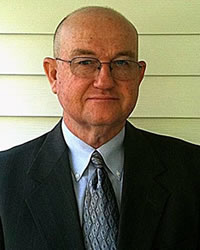
Gary Shepard is teacher and pastor of Sovereign Grace Baptist Church in Jacksonville, North Carolina.

Comments

0 / 2000 characters
Comments are moderated before appearing.

Be the first to comment!

Joshua

Joshua

Shall we play a game? Ask me about articles, sermons, or theology from our library. I can also help you navigate the site.