Bootstrap
Gary Shepard

When You Pray

Matthew 6:5-13
Gary Shepard October, 10 2007 Audio
0 Comments
Gary Shepard
Gary Shepard October, 10 2007

Sermon Transcript

Auto-generated transcript • May contain errors

100%
I want you to turn tonight to
the Gospel of Matthew, and the sixth chapter. I've taken the title for this
message out of this text, and I've called it, When You
Pray. What I'm about to read to you
tonight is not some sinner's opinion or some preacher's novel book
about prayer, but this is the teaching of the Lord Jesus Christ
Himself. Beginning in verse 5, He says,
And when thou prayest, thou shalt not be as the hypocrites are,
for they love to pray standing in the synagogues and in the
corners of the streets, that they may be seen of men. Verily I say unto you, they have
their reward. But thou, when thou prayest,
enter into thy closet, and when thou hast shut thy door, pray
to thy Father which is in secret, and thy Father which seeth in
secret shall reward thee openly. But when you pray, use not vain
repetitions as the heathen do, for they think that they shall
be heard for they are much speaking. Be not ye therefore like unto
them, for your Father knoweth what things ye have need of before
ye ask him. After this manner therefore pray
ye, Our Father which art in heaven, hallowed be thy name. thy kingdom
come, thy will be done, on earth as it is in heaven. Give us this day our daily bread,
and forgive us our debts as we forgive our debtors. And lead
us not into temptation, but deliver us from evil, For Thine is the
kingdom and the power and the glory forever. Amen." Now, we
have a word in Scripture whereby we are told to pray without ceasing. And I believe if you will stop
and think about that just a little bit, that will give some hint
of what prayer really is, and it will expose false prayers
for what they are. He says, pray without ceasing. So whatever true prayer is, it
can be done and made to God without ceasing. And what we have here
in this text, though it has long been called the Lord's Prayer,
is actually the Believer's Prayer, or a model prayer. And we know
by what the Lord says in Luke 11, much the same thing is here. We know by the two that this
is not to be observed as a ritual. We don't come together, or we
don't privately rehearse the exact words that our Lord gave
in this model prayer. You see, I don't claim to know
a lot about prayer. I always feel so inadequate when
I begin to try to tell you about prayer. But what we know about
prayer, we learn from the Scripture. Prayer is not to be defined by
the traditions of men, and neither is it to be defined by false
religion. We can only find out about true
prayer from the Word of God. I hear people speak of saying
a prayer. I'm afraid that is not what prayer
is about. And they talk about how bad it
is to take prayer out of the school. And my first thought
is, that tells me you really don't know what true prayer is. True prayer cannot be taken out
of any place where the Lord's people are. Our Lord here, in
this instruction, teaches us in a negative way and also in
a positive way. And He begins here with this
instruction showing us that all of the Lord's true people pray. It is like breath. from those
who have natural life. Prayer is breath from those who
have spiritual life. So this is what he says. It is
assumed that all his people pray. He says, and when you pray, when
you pray, I hear people talking about a real praying Christian. And the truth is, there is no
other kind. And this is a means by which
God blesses all of His people. But Christ here warns, and He
says in verse 5, Thou shalt not be as the hypocrites. The hypocrites. And it was the
most religious people of his day, and those who most likely
prayed more outwardly and openly than anybody else in that day,
that he called hypocrites. What is a hypocrite? Well, that
word simply means a play actor. Don't pray. When you pray, don't
stand as the play actors of false religion do. They stand, they
murmur, they utter, they do all of these things, and it is for
the most part, as he says here in this verse, to be seen of
men. I've been in restaurants before,
and you'll see a group sitting at a table, and there'll be one
fellow, usually the preacher or somebody in the group, and
they will make a scene in the restaurant, calling all the attention
of everybody there, as they pray openly, sometimes loudly, it
is to be seen of men. It is, he said, our Lord said,
to be seen of men. They parade around their so-called
prayer list. They walk up and down the halls
of hospitals, into every room, asking people, do you want me
to pray for you? If they knew what prayer was,
and if they were of such a spirit as to be able to pray, they wouldn't
have to ask. They wouldn't have to say it
out loud. They wouldn't have to call themselves to this individual's
attention. They would just pray for them.
Pray for them. And he says it is to be seen
of men, and therefore he also says they have their reward.
They get what they want. They receive from man what they
desire in their being seen of man, and that is to be viewed
as holy or pious or something. But it is not prayer. He says
don't be like the hypocrite. And their reward is the praise
and the recognition of man, but they will not get it from God. And then not only that, he says
here in this sixth verse, he says, when you pray, enter into
your closet, or enter into a private place, or a quiet place, or a
place where you're not seen of men, but heard of God. And he
says, prayer to God in secret. He said, God who sees in secret. You see, that kind of reveals
who we're praying to, doesn't it? We're praying to this God
who sees in secret. And that means we're praying
to Him, and it says here, Christ says, He'll reward you openly.
Openly. And then in the negative also,
in verse 7, he says, but when you pray, use not vain repetitions
as the heathen did. That's just worn out phrases
and old cliches and tones of voice or archaic words that some
way make people think that we're learned or more spiritual or
holy or such as that. As a matter of fact, if we're
not careful, that's what we'll teach our children about prayer. Vain repetition. And here is
religion all around us. All the priests, all the potpourri,
all of the priestcraft in false religion in modern-day so-called
Christianity. And it is nothing but vain repetitions. That's empty, nothing repetition. He said, don't do that. He said,
and men think that they in these repeated repetitions In these
long prayers, in these extended recitals and rituals of words
before men, they think that God's going to hear them because of
their much speaking. Much speaking. Men think that
they're heard of God because they speak long prayers or use
flowery words, but look at the length of this model. Now, I
know that there are many particulars to us individually. when we come
to pray in this. But if you remember, Elijah on
Mount Carmel prayed a prayer of about, after all the religious
repetition that went on, it says all day that the servant of God
prayed to God a prayer of about 64 words and God dropped fire
out of heaven and consumed the sacrifice. He said, they think
that they'll be heard of God for they're much Will bombard
God in heaven with so many prayers? There's no way he can say no.
That's the attitude. And he says here in verse 8,
And be ye not therefore like unto them, for your Father knoweth
what things ye have need of before you ask him. You see, prayer
is not us giving God information about a thing. It's not us informing
God of things that He knows nothing about. As a matter of fact, true
prayer recognizes God as all-knowing. Lord thou knowest. You know.
You know what I don't know about everything in this world. You
know what I don't know about my needs, or my brother's needs,
or my family's needs. You know what I don't even know
about myself." And then he says in verse 9 this, after this manner,
You see, prayer is the communication of a regenerated soul to God. As a matter of fact, I believe
it could be said to be the cry of that person out of that life
given by the Spirit when they are born of God. No unregenerated
people, listen now, no unregenerate people pray. They may utter words,
They may be religious-sounding words, but they do not pray,
because prayer has to be that which is the result of the fruit
of God's Spirit in us. Nobody talks to God except through
the Lord Jesus Christ. And we do not talk to God, we
do not communicate with God in Christ as an icon or something,
or a statue, or one who is, as Paul says, another Jesus, only
through the true Christ. You can have your cross in your
pocket and rub it and pray. You can do all these things.
But they're just one mediator between God and men. And this is the cry of the spirit
of adoption. Listen to what Paul says in Romans
8. For you have not received the
spirit of bondage again to fear, but you have received the spirit
of adoption whereby. We cry, Abba, Father. You see, true prayer is based
on this relationship with God through Jesus Christ. Notice
what He says in verse 9, After this manner, therefore pray ye
our Father. You see, there's none but His
children pray to Him. And when He teaches us to pray,
He teaches us to pray as we are in Christ. Do you remember what
Christ said? He said to His disciples, He
said, I go to my Father and your Father. You see, this is the
joy of this, that the one that we are commanded to pray to,
we are not commanded to speak to one who's a stranger or one
who has no concern or is just totally oblivious to our needs
or our difficulties. It's our Father. The psalmist
says, like a father pities his children, so the Lord God pities
us, and He remembers our frame. He remembers what we're made
out of, and He considers us knowing that we're just dust. And He
pities us out as a father does his child, our father. None but
those who are in this family truly pray. They don't even know
who the Father is. Our Lord said in John 17, He
called Him, when He prayed to Him, Holy Father. And then, before
He ever finished in that one prayer, that great high priestly
prayer, He said, Righteous Father. Why didn't He say, Loving Father? Why didn't He use the titles
that men characterize God with in our day? No, He said, Holy
Father. And God helped the man that takes
that title to himself. There's one who we call our Father. He's in heaven. And righteous
Father. He's going to do right. You can
just count on it. Above all things, in His dealings
with us and everything else, He's going to do right. This
relationship with God is in the Lord Jesus Christ. He is our
guide, and He is our true priest, and He is the sovereign. He is the one who speaks these
words in authority. He said, pray. Don't pray this
way, pray in this way. He commands it because His blood
and His righteousness is the one way of access to God. How do we have access to God
to pray? Well, they say, here's a sinner,
a religious sinner, doesn't really know anything or believe anything.
Oh, God just hears us all the time. Well, there's a sense in
which God hears everybody all the time. But there is another
sense in which He hears and answers the prayers of His people. The
psalmist said, the eyes of the Lord are upon the righteous. and his ears are open unto their
cry. The face of the Lord is against
them that do evil, to cut off the remembrance of them from
the earth, the righteous cry, and the Lord hears and delivers
them out of all their trouble." Do you hear that? The righteous
cry. Who are they? Those who are righteous in Christ. Those to whom God has imputed
righteousness without works. The righteous cry and the Lord
hears and delivers them out of all their trouble. Is that true?
Absolutely. And it may be that in their afflictions
and in their troubles and in their griefs, He delivers them
all the way out of their troubles. Because that's what it is when
the Lord brings about the death of His people. It is a full and
complete deliverance of them out of all their troubles. The
psalmist again, the Lord is nigh unto all them that call upon
Him, to all that call upon Him in In truth, my friend, there
are two ways that the truth is represented in this book. The
first is in Christ who is Himself the truth. And the second, that
Word that is speaking of Him, the Word of the truth, the Gospel. He'll hear their cry and save
them. And then He says this, Our Father
which art in heaven, that's how high you are above us. That's
how glorious you are. It's your heaven. It's where
your throne is. You're in heaven. We're here
on this earth. You're in heaven. You created
this earth. Then he says, Hallowed be thy
name. What does that mean? That means
that the very name of God is to be reverenced, holy, revered
is to be God's name. It seems like to me that in true
prayer, when we are brought in that private place and are filled
by God's Spirit with a consciousness of the one we're praying to,
that changes everything. Hallowed be thy name. You see,
prayer is essentially praise. Prayer is a concentrated recognition
of God as He is, hallowed be thy name. It's not bringing a
shopping list to God. I'm afraid that that is what
it is in the minds of most people. It's like going to the grocery
store with a shopping list. God, I want this, and I want
you to do this, and I want you to do that. And the other? No
way. Prayer begins with this recognition
of God and praise. It ends with this recognition
and prayer of God as He is, and it is saturated with it all the
way through. Hallowed be thy name. It's not
bombarding heaven with as many prayer requests as possible for
earthly, fleshly things. It's a recognition of God for
who He is. Turn over to James chapter 4.
James chapter 4, and look in verse 2 of James 4. Listen to
what James said. You lust and have not, ye kill
and desire to have and cannot obtain, ye fight and war, yet
ye have not because ye ask not. Now look at this next verse.
You ask and you receive not because you ask amiss. that you may consume
it upon your lust, your natural fleshly desires. That doesn't mean a sexual lust,
but a fleshly desire for that which satisfies and gratifies
and pleases the flesh. You ask for it, but you receive
not. Why? Because you ask amiss, that
you might receive these things to consume it on your own flesh,
and what an indictment this is against what people are told
to pray for in our day. We sat there the other night
flipping channels on all these religious programs and These
preachers are nothing but clowns. I cannot imagine that anybody
that even possesses a normal intelligence could sit there
and listen to what they say. And they're telling you what?
We're going to pray for you, and you pray that you'll be happy,
healthy, wealthy, and wise, that you might consume it on your
own fleshly lust. He says, Thy kingdom come. Oh me, if that is not a heart
that is brought in union to see the glory and to delight in the
will and the purpose of God and His kingdom. What it's all about. Thy kingdom come. The full expression
of it. The full manifestation of it. The full eternal glory of it. Thy kingdom come. The kingdom
of Christ the King. And the Apostle writes us, and
he says this, he says, for the kingdom of God is not meat and
drink. Not all these external things.
Christ said, My kingdom is not of this world. It's not of this
kind. Kingdom of God is not meat and drink, but righteousness
and peace and joy in the Holy Ghost. What is that? The righteousness
of Christ? The peace that He made with God
on our behalf through the blood of His cross and the joy of the
Spirit of God taking these things and revealing them to us and
bringing us to rejoice in. He says, Thy will be done on
earth as it is in heaven. You see, prayer is also submission
to the sovereign God. Nobody who has any association
with or any desire to uphold the so-called free will of man
can pray. You say, hold on people, that's
right, because he teaches his people this, thy, to pray God,
our Father in heaven, thy will be done on earth as it is in
heaven. You see, it's prayer to God as
the all-wise one. And in true prayer, we do not
seek to change God who is perfect. Why would you want to change
the will of God when His will is perfect and good and true
and all-wise? That's about the height of self-exaltation
and self-righteousness. to pray and try to get God to
change, to change His mind on anything. I'll tell you this,
in true prayer, in true prayer, it is we who are changed, not
God. In true prayer, we are brought
to the remembrance of His greatness, and His goodness, and His power,
and His wisdom, and we are brought to remember His promises and
to reflect on what He's done for us and the privilege of coming
before Him. We're not going to try to tell
God that He doesn't know what He's doing. Rather, Lord, bring
me, not only to believe what You've said, not only to trust
in You and what You've done and what You will do, but bring me
to delight in it, to find a peace in it, to find a joy in it. I
tell you, there have been times When I have been to the Lord,
and I thought, you know, you kind of rush hurriedly in His
presence, and you bow your heart, if not your head, before Him,
and you come in all the feelings of the flesh, and the desires
of having this one, and to be healed of this, or this one's
healing you, and when you start to talk and remember who you're
talking to, my thought is, Lord, you know that, don't you? And
I know that I'm no, I don't have a clue. I may be praying the
very opposite thing for an individual, for myself. The things that I'm
trying to avoid for myself and for them may be the very best
things for. Thy will be done, and bring our
will into harmony and submission to your perfect will. You see,
people have a real problem with this. In the flesh, they see
a natural conflict with praying to God, and the fact that it
says again and again that He works all things after the counsel
of His own will. Well, they say this. This is
the logical conclusion of spiritually blind individuals who don't know
the true God, and therefore have never been born of His Spirit
in their heart. And they don't know what prayer
is. They say, well, if God's going to work everything after
the counsel of His own will, why pray? Number one, because
He commands. Because He commands. And because
it's a means by which He blesses His people. He blesses His people. Turn over to 1 John chapter 5.
1 John chapter 5. I hear people
say, God answers prayer. He absolutely does. Sometimes
He says no. Sometimes He says yes. But in
a sense, when we are in the right spirit of prayer, He always says
yes. Listen to what John says. Verse
14 of John 5. And this is the confidence that
we have in Him, that if we ask anything according to His will,
He hears us. And if we know that He hears
us, whatsoever we ask, we know that we have the petitions that
we desire of Him. You mark this down. When you
ask all things according to His will, you're going to have your
petition answered. The psalmist says something like
this, you know, about us having our heart's desire. I can tell
you this, when you have received a heart to desire God, and His
grace, and His Son, and His will, you're going to have your heart's
desire. I've heard people say, well,
God never answers my prayer. I won't even touch that. That's
just ridiculous. That's an ignorance of God. That's
a statement of utter unbelief. It's a denial of Scripture. He
commands us to pray. Turn over to 1 Timothy. 1 Timothy
chapter 2. And listen to how basic this
prayer is. 1 Timothy 2, verse 1, Paul says,
I exhort therefore that first of all supplications, prayers,
intercessions, and giving of thanks be made for all men, for
kings, and for all that are in authority, that we may lead a
quiet and peaceable life in all godliness and honesty, for this
is good and acceptable in the sight of God our Savior." We're
to pray for all kinds of people, from the highest in authority
to the lowest. Now, you know we can't personally
name every one of those. We don't even know who they are.
But in God's providence in our life, we're brought to see and
be aware of these from great to small. Supplication. That's
pleading. You remember it says in Scripture
that a man, and it's teaching about this very thing, that a
man went after having a guest come into his house late at night,
and he didn't have any bread to give. And so he went over
to his neighbor that he knew had bread, and he called out
to him, but he wouldn't answer. And so he went back and he called
out to him again, and he said, I've already closed and locked
my door, my family's all put to bed and everything. I can't
get up and give you bread. Then he called to him again.
And the Bible says that because of his importunity, because of
his continued pleadings, He finally got up and got him the bread.
What does that mean? It means that you and I, when
we pray, when we seek from God, sometimes that we are not, He
doesn't answer in one sense of speaking because we're not really
even serious about it. I mean, it's just so casual. But when His children are brought
to call continually until they realize what this is all about,
then He answers. If it doesn't mean much to you,
why would you expect it to mean much to God? He commands us to
pray, and He's glorified in the prayers of His people. You read
the Psalms, you read the prayers, those who prayed in the Scriptures
simply, in a lot of respects, rehearsed back to God what He
says of Himself. Think about that. You can't say
better to God and of God to God than He says of Himself. O Thou
High and Holy One that inhabits eternity. It's praise, and it's
thanksgiving, and we're brought into submission to His will and
made to see it as a gracious and wise will. Turn over just
quickly to John 6, I believe it is. I can't find it on this page,
but this is what he says. This is the will of Him that
sent me. What's that? It's a wise will.
That He who has given me these, that I should not lose any of
these that He has given me. That's His will. This is His
will. I know it's a sovereign will. I know it's in Christ.
What is it? That of all those that He's given me, I lose nothing
but raise them up at the last day. And we're humbled in the
realization of our own sinfulness in wanting other than His will.
Lord, what a thankless child I am. What a self-righteous,
pompous thing I am to imagine that I could give you instruction
or have a better will toward me or my loved ones or whoever
better than you do. And we rejoice in the knowledge
of His power to help, and to save, and to keep, and to provide,
and to preserve us under His presence. Sometimes I think that
prayer is God bringing us to realize we don't know how to
pray, and we don't know what to pray for. Is that far-fetched?
Turn over to Romans chapter 8. Romans chapter 8. Look back at
verse 14. For as many as are led by the
Spirit of God, they are the sons of God. For you've not received
the spirit of bondage again to fear, but you've received the
spirit of adoption whereby we cry, Abba, Father. The Spirit
itself beareth witness with our spirit that we are the children
of God. And look down at verse 26. Likewise,
the Spirit, same Holy Spirit, also helpeth our infirmities,
for we know not what we should pray for as we ought." Do you
see that? We do not know what we should
pray for as we ought, but he said the Spirit helps our weaknesses,
our infirmities in this. But the Spirit himself maketh
intercession for us with groanings which cannot be uttered. And he that searcheth the hearts
knoweth what is the mind of the Spirit, because he maketh intercession
for the saints according to the will of God. And we know that
all things work together for good to them that love God, to
them who are the called according to His purpose. Our prayer, His
purpose, the Spirit makes intercession for us. As a matter of fact,
over the last two days, I've been looking in what this matter
of intercession is all about. The only reference that I found
that speaks of our making intercessions was there in 1 Timothy 2.1, where
it says that we are to make intercessions for all kinds of people. Pray
for them. But what I found many times were
references of that intercession that Christ makes for us. Remember what Peter said? I mean,
what happened to Peter? The Lord told Peter, he said,
Peter, Satan's desire to sift you like he might shake you as
the wheat in the chaff, but I pray for you." That's where it's at. The only way that we could ever
intercede for anybody is because Christ ever lives to make intercession
for us. That's what He's doing in John
17. Father, I pray not for the world, But
I pray for these that you've given me out of the world. Thine
they were. Thou gavest them to me. I pray
for thee. And it's supplication to God
and acknowledging as a child our basic needs must be provided
for him. Our daily bread. Our daily bread. Lord, that's how helpless, hopeless
we are. That's how weak we are as your
children in ourselves. We can't even provide our daily
bread. We're like little birds out there
that spare us. If you don't drop us a seed here
and there, we won't even have food to eat. And it's a reminder
of our need to forgive others because of His forgiveness of
us. Forgive us our debts as we forgive
our debtors. After what you've forgiven us
of, how can we not forgive our brethren especially and those
around us? You know, it's a strange thing
that the Lord's people, though they know they're forgiven, and
at the same time they cry for forgiveness. They know that Christ
made peace with God on their behalf, and yet they delight
to cry for peace. They know that He saved them,
and yet they cry, Lord, save me. What's that? That's acknowledging
of our own weakness. That's what He's saying here,
and lead us not into temptation, but deliver us from evil. Many
translations say, deliver us from the evil one, or deliver
us from that evil of unbelief. And then that last part I love. You see, prayer is about God.
It's about Him. For thine is the kingdom and
the power and the glory. And that's the way it's always
going to be. And that's the way it's always been. Amen. So be it. So be it. You see, true intercessory prayer
is only by the Spirit of God, and it is primarily God, by His
Spirit and through His Son, making intercession for us. We pray
for our brethren. We pray, and we ask God for things. Lord, if you could have mercy
on my child. If you could heal my friend. But as our Lord said, not my
will, but thine be done. Thine be done. There are those
who say that such a view of prayer, which is the biblical view of
prayer, if you believe that, you wouldn't pray for lost people
and all this kind of stuff. All that is, is blind unbelief,
refusing to believe what God says prayer is. Turn over to
Romans 9 and I'll quit. Romans 9 and verse Well, I could
read a lot of verses. Look down at verse 18, Romans
9, verse 18. This is the Apostle Paul in this
chapter, setting God's sovereignty and the fact that he does what
he will and saves what he will, who he will. He makes it as clear
here as it can be made. Verse 18, Therefore hath he mercy
on whom he will have mercy, and whom he will he hardeneth. And
he just goes He expands that all through this chapter. Well,
you know surely that'll dampen any missionary spirit he has,
and he won't be concerned. He'll be a fatalist now. Look
in the next chapter, first verse. Brethren, my heart's desire and
prayer to God for Israel is that they might be saved. He didn't
see a contradiction there. My heart's desire And prayer
to God for Israel is that they might be saved. Somebody said,
but Paul, you just got through saying that God saves whom He
will. Paul says, that's why I'm praying
to Him. I'm not praying to them. I'm
not praying to me. I can't save. I'm praying to
the one who can save. That's what he commanded me to
do. I guess you could call that an intercessory prayer. I asked
the Lord to save family members and friends I don't know if he
will or not, but he said, ask, seek, knock, and then bow and commit it all
into his hands. Thy will be done on earth as
it is in heaven. We'll say with those disciples,
Lord, teach us to pray. Teach us to pray. Because that's
the only way we'll ever know. Our Father in Heaven tonight,
glorious in holiness, the Almighty God, God who works all things
after the counsel of your own will, you know our needs. You
know our hearts, you know our motives. Grant to us our petitions
according to your will. Bring our wills into submission
to your will, for we know that your will is perfect and that
you are wise and good. the God of all grace, the merciful
one. Do all things according to your
good pleasure. Help us. Help these that are
upon our hearts. Reveal yourself in power to your
people. Call out your sheep. Grant to
us our daily bread. Keep us from the evil one, because
yours is the kingdom, the power, and the glory forever and ever
in the Lord Jesus Christ. Amen.
Gary Shepard
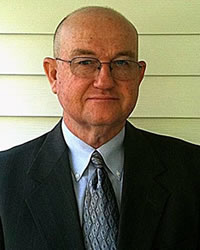
About Gary Shepard
Gary Shepard is teacher and pastor of Sovereign Grace Baptist Church in Jacksonville, North Carolina.

Comments

0 / 2000 characters
Comments are moderated before appearing.

Be the first to comment!

Joshua

Joshua

Shall we play a game? Ask me about articles, sermons, or theology from our library. I can also help you navigate the site.