Bootstrap
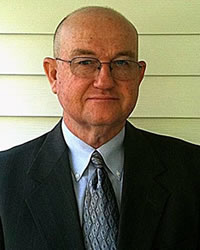
Gary Shepard

The Lost and Found

Matthew 15:21-28
Gary Shepard May, 20 2007 Audio
0 Comments

Sermon Transcript

Auto-generated transcript • May contain errors

100%
Turn back in your Bibles to that
15th chapter of Matthew. I want to take up reading where
Joe stopped and read a few more verses. Matthew 15 beginning
in verse 21. Then Jesus went thence, and departed
into the coast of Tyre and Sidon. And, behold, a woman of Canaan
came out of the same coast, and cried unto him, saying, Have
mercy on me, O LORD, thou Son of David. My daughter is grievously
vexed with the devil. But he answered her not a word. And his disciples came and besought
him, saying, Send her away, for she crieth after us. But he answered
and said, I am not sent but unto the lost sheep of the house of
Israel. Then came she and worshipped
him, saying, help me.' But he answered and said, It is not
meat to take the children's bread and cast it to dogs. And she said, Truth, Lord, yet
the dogs eat of the crumbs which fall from their master's table. Then Jesus answered and said
unto her, O woman, great is thy faith, be it unto thee even as
thou wilt." And her daughter was made whole from that very
hour. There was a rough, wild sea captain. that the Lord was pleased to
show mercy and grace to. He was a slave trader. He made
his voyages in order to deliver slaves, to sell slaves. His name was John Newton, and there probably or a lot of
people who may not know his name, but they may well know the hymn
that he became famous for. It's called Amazing Grace. And in his hymn, he begins with
just that, Amazing Grace, how sweet the sound that saved
a wretch like me. I once was lost, but now am found, was blind,
but now I see. My message this morning could
be titled by two words in that hymn, The Lost and Found. The Lost and Found. You see, all people, as they
are in fallen Adam, As they are by birth and by nature,
they are lost. But not all people are lost sheep. Why? Because all people are not
sheep. The Lord Jesus Christ spoke of
every person in the world as being in one of two groups, the
sheep and the goats. And I'll read you what he says
of those two groups in Matthew 25. He said, "...when the Son
of Man shall come in His glory, and all the holy angels with
him, then shall he sit upon the throne of his glory, and before
him shall be gathered all nations. And he shall separate them one
from another, as a shepherd divided his sheep from the goats. And he shall set the sheep on
his right hand, but the goats on the left. And then shall the
king say unto them on his right hand, the sheep, Come, ye blessed
of my Father, inherit the kingdom prepared for you from the foundation
of the That makes me want to stop right there and speak on
that one verse. Come, ye blessed of my Father,
inherit the kingdom prepared for you from the foundation of
the world. And when our Lord speaks here
in this text that we read earlier, of the lost sheep of the house
of Israel." He cannot be talking about those Pharisees and scribes
and Sadducees and other Jews of that nation that rejected
him, because he says of them in John 10, you believe not,
because you are not of my sheep." You believe not because you are
not of my sheep. And he had said in John 6, For
I came down from heaven, not to do mine own will, but the
will of him that sent me, And this is the Father's will which
hath sent me that of all which he hath given me. All these that he hath given
me I should lose nothing, but raise it up again at the
last day." You see, the term lost sheep
belongs to God's elect in every age. He says they are a people,
out of every tribe and kindred and tongue, and that they are
the objects of His everlasting love. They are the people of
His covenant choice in divine election, and those who will
be the recipients of what is called so great a salvation. And when we read this text, we
see the glory of His free grace displayed. We have one more time
a picture of his sovereign mercy and his saving power." You see,
he uses this word and this language in speaking of them by the prophets
and also by the apostles. Through Isaiah he said this,
and this can only apply to a spiritual people, he said, Israel shall
be saved with an everlasting salvation. And then the Apostle
Paul takes up that same thought in Romans 11 and says, and so
all Israel shall be saved. That can't be that people. in
what some folks call the Holy Land. That cannot apply to that
nation of external people that God identified with in the Old
Testament. This has to be a spiritual people
who shall all be saved and all be saved by an everlasting salvation. And then Christ says this in
Matthew 18, "'For the Son of Man is come to save that which
was lost.' How think ye, if a man have an
hundred sheep and one of them be gone astray, doth he not leave
the ninety and nine, and goeth into the mountains, and seeketh
that which is gone astray? And if so be that he find it,
verily I say unto you, he rejoiceth more of that sheep than of the
ninety and nine which went not astray, even so it is not the
will of your Father which is in heaven. that one of these
little ones should perish. Not any of them are going to
perish. And then he says in Luke 15 much
the same, What man of you, having a hundred sheep, if he lose one
of them, doth not leave the ninety and nine in the wilderness, and
go after that which is lost until he find it." This shepherd seeks these sheep
until he finds them. And our Lord says in this text,
speaking to this woman and all these disciples, I am not sent
but unto the lost sheep of the house of Israel." You see, the
Lord Jesus Christ was sent and came to this world for the lost
sheep. And He did so because, as we
have heard, they were given to Him by the Father in the everlasting
covenant so that He can already call them, My sheep. They are not the devil's sheep.
They are not their own. They are My sheep. And they have every one been
entrusted to his care, and he came into this world to redeem
them and preserve them and provide for them and seek them. The lost will be found. And they are lost sheep, as we
read, and they are set forth in the Bible also as dirty sheep,
and as straying sheep, and as helpless sheep, but they are
His sheep. And they always have been. And they always will be. And in Scripture we find Him
as the shepherd called The Good Shepherd? The Great Shepherd? The Chief
Shepherd? And they are in themselves lost,
so it is as this glorious person, this glorious shepherd, that
he must seek them and bring them, because there is none that seeketh
after God. All these people who say they're
seeking the Lord, they're lying. There is none that seeketh after
God. And if they were, there would
be no need for such a shepherd as the Lord Jesus Christ. It's
because they're not seeking Him, and they want even His sheep,
that He must be this great shepherd. And he says in John chapter 10,
to those of his sheep who are right there with him, most of
whom at that point were Jews themselves, he said, of the sheep
have I that are not of this folk, them also I must bring. People think they're glorifying
God sometimes by saying God can do anything He wants or God doesn't
have to do anything. He said, these sheep I must bring. Why? Because it's the will of
the Father. And not only that, because it
is to the glory of God. And not only that, but because
it's his responsibility as the shepherd, and because as this
shepherd, he'll get special glory for it. I must bring thee. Whatever God's purpose is to
do, He is bound by his own self and by his own glory and by his
own faithfulness and by his own immutability. He must do it. And what is required for him
to do this? If He must do it, if He came
to fetch them and bring them and gather them and seek them,
what is necessary for Him to do this? He has to first give
His life for them. It says in John 10, As this shepherd
speaks concerning himself and what he came to do, he says,
I am the good shepherd. The good shepherd gives his life
for the sheep. He doesn't give his life for
the sheep and the goats. He gives his life for the sheep. And just in case that you and
I did not hear that, or do not understand that, or do not want
to believe it, he says immediately after that, I am the good shepherd,
and know my sheep, and have known of mine, as the Father knoweth
me, even so know I the Father, and I lay down my life for the
sheep. He didn't talk about living an
example for the sheep. He didn't even talk about dying
a martyr's death in their sight. He said, I give my life, I lay
down my life for the sheep. Why? Because He must, in order
to save them and bring them, give His life as the ransom price
of their redemption. He must give His life as an atonement
for their sin. That's the only way they can
ever be saved. That's the only way they can
ever be taken into God's presence. He must lay down His life before
the law and justice of God as their substitute in their place. David talked about how the bear
came out and the lion came out. David was the shepherd. And he
destroyed the lion and the bear and rescued the sheep. And he
did it without dying. But not this shepherd. He saves
him by his death. He saves him by his sacrifice. And he is the one that God spoke
of in Isaiah's day when he says, all we like sheep have gone astray. Who? His people. And we have
turned everyone to his own way, and the Lord hath laid on him,
is Christ. The iniquity of us all. The same God says through the
Apostle in Hebrews 13 and verse 20. He says, now the God of peace
that brought again from the dead our Lord Jesus, that great Shepherd
of the sheep. How did He bring Him forth? The
Shepherd of the sheep and at the same time the sheep in the
Shepherd, they are all brought forth. How? He says, through
the blood of the everlasting covenant. It's through His death. It's through His sacrifice. He
must die the death that they are due for their sins. And He
must conquer every enemy of their soul. He must establish righteousness
on their behalf. He must enable God to be just
in justifying them. And by one sacrifice of Himself,
He must perfect them forever. For He's not the shepherd, and
they'll all stay lost. They'll stay lost. But you see,
He must not only do that work for them, which He did in what
He did and was before the foundation of the world, and also as what
He did for them in the flesh in this world down to dying in
their place for the cross. But He has to do something for
them otherwise, Halsa. He has to bring them. He has
to seek them. He has to find them. And He is
doing so personally right here in this text, which is a glorious
thing. But it is a picture of the many
more times since then that He has done so by seeking them out
and finding them with His gospel. by using those he sins to proclaim
it. You see, there are some who say,
as a result of what they know to be Christ's successful death
and Christ's purpose of grace before the world began, that
whoever will be saved will be saved. No. Whoever will be saved,
the shepherd will see. He laid down His life for the
sheep. He satisfied the justice of God. And now that same justice that
received His sacrifice in the payment for their sin now requires
that He also seek them because they don't know a debt of sin
anymore. They've got to find out about this. And that's what
the gospel is. It's good news. He said to some
in another place, to you is this word of salvation sent. As a matter of fact, these apostles
went out, and the very word apostle means one sent forth. What? To tell the news. to spread
this gospel, to find the sheep, to take the gospel of the crucified
Christ and seek the sheep. And this shepherd so works every
detail of his providence to accomplish this. And the Scriptures are
full of this thing. Paul said, I'm planning on going
down to such and such a place. Oh, no, you're not. Well, I'm
planning to go down to another territory in the opposite direction.
Oh, no, you're not. Well, I'm planning on going over
into this other country and to these other people." But the
Spirit of God forbade him to do it. And he sent him down to Philippi. Why? Because there's some sheep
there. He sent him down to Corinth and
told him, do not be afraid in the midst of this blatantly wicked
society and city. Be not afraid, for I have much
people in this city. He sent him down because one
of his sheep was a dirty sheep who was nothing less or more
than a Philippian jailer, a vile, corrupt man, wicked, hard man,
but he was one of his sheep. And not only that, a woman by
the name of Lydia who sold fabric, who would be at that place at
the same time, and others who he would gather there and preach
the gospel to. What's that? That's the shepherd
seeking his sheep. You mean to tell me that everybody
that Paul preached to at Corinth, everybody he preached to at Philippi,
and all these other places, do you mean to tell me they were
all his sheep? No! But some of them were. And as many as were ordained
unto eternal life, when they heard this gospel, they believed,
because they heard the shepherd's voice at the same time. Here is a man by the name of
Philip who is enjoying a blessing of revival, it seems like, in
a place all in a different region, and God sends him completely
down to another place in the desert to meet a man who is a
eunuch, an Ethiopian. Why? Because he's one of His
sheep. You see, Paul says to believers,
he says, we are workers together with Christ. We can't do anything. But he can do everything, and
he's given us this gospel. And he sends it out in our day
in ways that utterly amaze me. I received a call the other night
from a man in Canada. How in the world would he ever
have known me? How would he ever have gotten
my phone number? Because he heard the gospel preached
on the website. And when the end of the month
comes and they send out the report of the country, they don't tell
where or anything else, but the countries wherein The Gospel
is downloaded and listened to. It may be China, Bangladesh. It may be Czech Republic. It
may be France or anywhere. How? Because God finds His sheep
that way. I'm not begging anybody. I'm
not trying to sneak up on anybody with this gospel. I'm not trying
to sugarcoat it or do anything else. All I'm trying to do and
all God's preachers do is preach it. You see, He must seek them by
sending His Spirit to give them spiritual life, to create faith
in them, to bring them to repentance, and to reveal the truth of the
gospel to them and in them. I can't do that, but He said
preach. He has to give them a new spiritual
life from above that's characterized by this gift of faith. And it
is all His work, the work of Jehovah the Shepherd. John 4,
he said, I must need to go through some area. But that's the long
way around. But there's one of His sheep
who'll be waiting there by a well. She ain't pretty, but she's one of His. And sometimes
I look at over these last 25 years and it seems like that
everything has been just a curve and a twist and a wind and nothing
here really accomplished and nothing there really accomplished
and all that. And yet I can look back and see
where in this way and in that way and all, the Lord gathered
some of His sheep. He went through Jericho, which
was the cursed city. Why? Because there's one of his
lost sheep there. He's a man by the name of Zacchaeus.
And few it were, especially of the Jews, that liked him. But
he said to him, when he found him, Zacchaeus, make haste and
come down, for today I must abide at thy house. And he made haste
and came down and received him joyfully. And when they saw it, who are they? They're they, the
goats. When they saw it, they all murmured,
saying that he was gone to be guessed with a man that is a
sinner. But he said to Zacchaeus, This
day is salvation. Come to this house, forasmuch
as he also is a son of Abraham, for the Son of Man is come to
seek and to save that which was lost." He didn't just come to seek,
but also to save. And everyone He saved, He successfully
seeks. And when you see this case that's
before us here in this text, here He is, and before Him is
a Canaanite woman, a Gentile, who these Jews must surely thought,
she'll surely go to hell if anybody will. But she is the object of God's
sovereign grace and favor and mercy. You see, if you're one
of the Lord's, if you're one of His elect, and that's a title
and a name that He gave, not me, don't in any way, in any
part, ever think that being one of God's elect is being one of
the elite. Because it's not. He chose the
base things. You and I don't have anything
to toot our horn for over. He said, where is boasting that
it's excluded? We're brought and bowed down
to the Lord Jesus Christ, humbled by His grace and power, and own
the fact that were it not for Him, we'd perish. Here she is before him. And he's
just said to her, I'm not sent, but to the lost sheep of the
house of Israel. I read a lot of commentators
who do their dead level best to try to put this in some kind
of dispensational twist or this, that, and the other, or a time
when Christ just came here. No, this is what he said. I'm
not come, but to the lost sheep of the house of Israel. Period. And if he did not reveal to her
that this was more than in some national Jewish sense, she as
a Gentile might as well take her sick, dying daughter and
go ahead and face the music. But she won't be turned away. And she'll not speak as one who
deserves anything But she will simply take her place at His
feet as one who needs mercy. Now, you can run off somebody
who doesn't need anything. And take my word for it, in over
25 years, I'll run off a bunch. But not the needy. Not the hungry. Not the dying. Not the sick. She acknowledges His Lordship. She says, Oh, Lord. I'll be glad when more folks
quit talking about the Good Lord and more people are about proclaiming,
Oh, Lord. Oh, Jehovah Jesus. And she confesses
Him to be the Messiah. Thou Son of David. David's son,
and yet David's Lord. And she begs him for mercy. Have
mercy on me. Lord, I might let you save me.
No. I might get busy and do some
things so you can help me build a mansion up in glory. No. Have
mercy on me. And she agrees with him in his
sovereign right to give it or withhold it. Surely his words will drive her
away, won't they? No, they'll not drive her away
because it was his seeking spirit that brought her to Christ. That's what we think sometimes.
when we think we're first coming to Christ. No, it's not us. The hymn writer said, I sought
the Lord, and afterward I found out something. It wasn't me seeking
Him, it was Him seeking me. Oh, He brings His people to seek
Him, but it's because He first seeks them. He said, no man can come to Me
except the Father draw him. You reckon God ever drew anybody
He didn't really bring? Oh, the Lord, He's trying to
save some folks. Well, whoever that Lord is, I
don't want anything to do with it. He's weaker than me. Not
Almighty God. That's not who we're talking
about, is it? The Lord God Omnipotent reigneth. And everyone he's ever
thought to draw, he's drawn them and brought them to Christ. Not to the front of a church,
not to a pool of water, not to a pond of water, not to a roll
or something, but everyone is taught of the Father and they
come to Christ, he says. He calls them with an effectually
calling. I read a poem one time, I've
got it somewhere, it's called The Hound of Heaven. And in this
Hound of Heaven, this man is talking about his experience
and God calling him and seeking him and finding him. And it was
as if here's a hound that's on his trail that barks. He hears
it at a distance. He runs. He flees. He finds out
that it's God Himself, the Spirit of God, who seeks him till he
finds him. And he wonders why he ever ran. Peter said, For you were as sheep
going astray, but are now returned. But now you have returned, but
now you are returned unto the shepherd and bishop of your souls. She will not leave because she
is one of those lost sheep. And Christ said, My sheep hear
my voice and they follow me. I'll run around like a puppy
dog behind you, just like my wife's dog does her every step
she takes. She moves, he moves. She goes
in the kitchen, he goes in the kitchen. She goes in the bedroom,
he goes in the bedroom. Why? He's her dog. That dog's been treated so good
by her. He knows where his bread is buttered. And here is the Lord. He's revealed to her that He
is the Messiah. He's the Christ. He can help
every problem. He's her Savior. And it says she worshipped Him,
saying, Lord, help me. Now, I know there are a lot of
big things that go on in the name of God and in the name of
worship. But when it all boils down to it, this is the way we
worship God, as those bowed in His presence, acknowledging what
we are, acknowledging who He is, acknowledging His right and
ability to give, if He will, or withhold, if He will, and
saying in our distress to His glory, Lord, help me. Did you
ever say that? Gosh, I lived that. I don't pray
long. flowering prayers that somebody
wanted to put in a book. I'm a sinner struggling every
day, a lost sheep that's been found but has to seemingly keep
being saved and delivered and kept for and provided by this
shepherd. Lord, save me. I fell in these
briars again. The Greek word here for worship
has a lot of variations, some of which are these. It means
to kiss as a dog licks the hand of his master. There she is. It means to crouch to. Literally or figuratively, it
means to prostrate oneself in homage, to do reverence, to adore. Old Tom Bradbury said in these
three words, she confessed, Lord, I'm a lost sheep, a wandering
sheep, a silly sheep, a miserable sheep. I'm one of the very characters
Thou hast described. Have mercy on me. I'm like a lost sheep falling
in a pit, caught in those briars, caught in a snare, in such a
condition that I can't rescue or save myself. And if you don't
deliver me, if you don't save me, I'll surely perish." And that's the place that God
brings every one of His sheep. That's the place He brings every
one of them that He saves. That's the way He humbles us
and makes us to feel our need and our lostness and our depravity. And though we cannot entertain
any notion of our possibly being a part of the house of Israel,
yet we cannot help but believe that when He speaks of these
lost sheep, He's talking about us. I said, lost, the lost and found. And a preacher a long time ago
said this, and I've never forgot it. He said, if you ain't ever
been lost, you ain't ever been found. A lot of people think they can
just kind of change gears in religion. That they can come
to this doctrine, or they can come to this Denomination, or
that they can make this move and all. Lost. Every one of the lost sheep.
They find themselves confessing it, and they are brought to an
end of themselves, and all their imagined righteousness and goodness
are made to feel like the filthy, dirty rags that they are. And the Spirit of God brings
to us, gives to us the gift of repentance, which is repentance
toward God. You know, God had to bring me
as that little preacher boy to find out that what I thought
about God was not right. It wasn't right. I was as sincere
as any person in this world, but it wasn't right. I believed
in a God as much as anybody in this world, but He wasn't the
God of the Bible. God brings us to repent. And if you ever look in Philippians
3, you'll hear the repentance of the Apostle Paul. And let me tell you what he wasn't
repenting. Well, he was, but not in that. He wasn't saying,
Lord, I'm sorry I was such an awful drunk. I'm awful sorry
that I was a whoremonger and a thief and a liar." You won't
hear him say that at all. He was repenting of what he thought
was righteousness. He said, I was a Jew, I was a
Hebrew of the Hebrews, I was all that kind of stuff, but it
wasn't nothing but junk. It was nothing, as he says there
literally, anything more than manure. That's what I count it
now. I used to be so proud of it.
I used to love to hear people brag on me about it. I used to love to feel them pat
me on the back and tell me what a fine fellow I was. I used to
like to hear them brag on my preaching and my teaching and
things like that. But what does he confess? I was before a blasphemer, an injurious person. Preacher Saul of Tarsus, you
were. Yes, I was. Yes, I was. He said, but I obtained mercy.
Well, it's a good thing you saw your way clear on that. It's
a good thing that you came to this position. He was on his
way to Damascus, zealous for God. And Jesus Christ, the Shepherd,
intercepted him. And if He never intercepts you,
you're not one of His sheep. If you never find yourself lost,
you'll never know yourself found. He brings us to repent of all
the false notions we have about God, and all our efforts, whether
moral or religious, to please God, and all of our self-love
which has ruled us all our days. Self-will. But what does he say next? Evidently,
the Lord Jesus had not ever been to a soul-winning class. Because he's just working this
thing. He's not ABCing. It looks like he's XYZing. She pleads for mercy. He says,
it's not me to give the children's bread to dogs. Dogs? Will she be repulsed by such
language as this? Will she be offended at what
Christ says that she is? Not if she's one of the she.
Oh, she may be at the first. I was at the first. Sometimes when pride and self
and flesh rises up, I can still be a little bit offended. This is something you've got
to find out. And that is, you and I are what God says we are. If we don't feel it, if somebody
else says otherwise, if the whole world thinks otherwise, we are
still who and what God says that we are. We find out that we're not what
we think we are, and this is the only way we'll
ever know what we are. I know what Mama said, but it
ain't true. I know what the teacher said,
but it's not true. I know what all of these people,
these religious people and these promoters on television, I know
what they say that you are. It's not true. We are what God says that we
are. Absolutely. And she says, can
this be? Truth, Lord. I'm a dog. by nature, what I am in myself,
what you say about me, I'm going to take sides with you against
me. I'm what you say I am. Are you lost? Are you a sinner? Are you a wretch? John Newton said that saved a
wretch like me. That's actually the language
and lingo of a sea captain. What's a wretch? A wretch is
whenever a sea captain would sail out of the harbor, and at
some hazardous, treacherous point, In the harbor, there'd be the
skeleton of an old wooden ship that sunk. Winter ground. They
call that a wretch. That's me. That's me in Adam. That's me from my birth. That's
me by nature. That's me in every experience.
Nothing but a wretch. That's the way it is with Mephibosheth
as he spoke to David. After David had sent down, then
what? Fetched him. When David rose to the throne,
the first thing he said is, is there not anyone left in the
household of Saul that I might show mercy to for Jonathan's
sake? Oh, yeah, there's one old fella,
but he's lame in both feet. He can't walk. He can't do anything.
He's scared to death of it. He's fled down here in a country
called Nopasture, Lodabaw. He said, Go fetch. There's that shepherd getting
that sheep. He brought him back, and Mephibosheth
saw what David's attitude was toward him, and he bowed himself,
and he said, What is thy servant that thou should look upon such
a dead dog as I am? You see, the Spirit of God had
worked in this woman's heart so that she'd not be turned away
by anyone or anything from the only one who could help her. Why do we insist upon, why do
we preach that gospel that Paul called the offense of the cross? And why do we preach the hard
things that the Scriptures say of men and the gospel which gives
all the glory to God and the message which is so offensive
to the natural man? Because it's the truth. Because God said it and commanded
it to be preached. And because it's the message
by which he saves his sheep. We're not on a fool's errand,
and therefore we don't have a foolish gospel. We came and we come to
tell sinners about the shepherd. in the knowledge that they cannot
hear of themselves, nor we can make them hear, but that his
sheep always hear his voice, and they follow. She's saying,
Lord, I'm a dog in my polluted nature, and I deserve to be labeled
such and called such, but I'm your dog. Sometimes the little dog will
stand. I'm not as nice to him as my
wife is. But sometimes if I've got a sandwich
or anything, this dog will just come and put his feet up there
on the hassock and he'll just look you dead in the eyes. And sometimes I'll just kind
of pick on him. I'll just call him a worthless hound or a mutt
or a scoundrel or whatever. He doesn't change his expression. He stays right there. Because
I got the food. Maybe I'll just pinch him off
a little corn. And the mercy and the grace that
I need for my soul is in the Lord Jesus Christ. He's the only one who knows what
I am really. But you know what? He not only
calls me what I am in myself, but by grace God calls me what
I am in Him. His child. His heir. My sheep hear my voice, and I
know them, and they follow me, and I give unto them eternal
life, and they shall never perish, neither shall any man pluck them
out of my hand." Who said that? The shepherd. We believe in the perseverance
of the sheep. But it's only because of the
perseverance of the shepherd. We believe in perseverance. But it's all because of his preserving
grace. Peter said, And when the chief
shepherd shall appear, you shall receive a crown of
glory that fadeth not away." Even so come, Lord Jesus. Are you one of the lost sheep
of the house of Israel? Well, has the shepherd found
you with the gospel? Is this the gospel? I can't convince you that it
is. But if he convinces you that it is, I can't find bread anywhere else.
I can't find peace in any other way. I can't find joy in any
other way. I can't find anything except
misery. He said, My sheep hear My voice, His gospel, and they follow Me. Well, do they do great things? No, they don't do great things.
They follow the shepherd. What do the sheep follow the
shepherd for? Food. Food. This is the food. And can you
say with David, The Lord is my shepherd. I shall not want." I believe that. I believe it. What a shepherd he is. And his
lost ones will, every one, be found. They'll be able to sing
with old Newton. I once was lost. But now I'm
found. He found me. He rescued me. We're thankful for the Lord's
mercies.
Gary Shepard
About Gary Shepard
Gary Shepard is teacher and pastor of Sovereign Grace Baptist Church in Jacksonville, North Carolina.

Comments

0 / 2000 characters
Comments are moderated before appearing.

Be the first to comment!

Joshua

Joshua

Shall we play a game? Ask me about articles, sermons, or theology from our library. I can also help you navigate the site.