Bootstrap
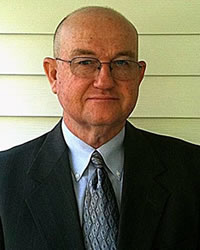
Gary Shepard

No Respecter of Persons

Acts 10:34
Gary Shepard May, 6 2007 Audio
0 Comments

Sermon Transcript

Auto-generated transcript • May contain errors

100%
Turn back to where Joe read there
in Acts chapter 10. Acts chapter 10, and I seriously doubt
we can really appreciate the event that he read about. This was a very historic moment. Because over the history of the
world, God had not sent a prophet to any people but the Jews. And not only that, he has now
sent what may well be the most bigoted of the Jews, Simon Peter. And he has, through all of these
miraculous workings, shown him a vision of a sheet held up at
the four corners full of creeping things and four-footed beasts
and such, none of which any Jew, any sincere Jew, would ever take
and eat. And he does this to show him
and to teach him a lesson. And so now he has come in the
providence of God down to the house of Cornelius. And it is
said here that they are gathered together to hear exactly what
God would have Peter to speak unto them. And if you look here in verse
34 of Acts chapter 10, He begins with this amazing statement. It says, Then Peter opened his
mouth and said, Of a truth I perceive that God is no respecter of persons. But in every nation he that feareth
him, and worketh righteousness, is accepted with him." You see, up to this point, God
had sent none of the apostles to preach, as it were, except
to the lost sheep of the house of Israel. But now Peter, sin of God, opens
his mouth and begins to speak with these Gentiles. And the
very first thing that he speaks about is something that he himself
has just recently learned and been taught of God. He says that he is ready to preach
the gospel, and he begins with this declaration of the gospel
of the free grace, the sovereign grace of God in Christ. He says, of a truth I perceive. I have received now light from
God, so that I now perceive that God is no respecter of persons. Now, I cannot begin to count
how many times that I have heard that statement used out of context
quoted in direct contradiction to what it really means, and
as a rebuttal or a challenge or a condemnation to the very
doctrines of grace, of divine election, of predestinating love,
and of distinguishing mercy. It is amazing that in the face
of the gospel, men and women take this very statement to use
against the gospel. You speak of His electing love,
or of His predestinating grace, and of his divine choice before
the foundation of the world, and this is what you get in return. But the Bible says that God is
no respecter of persons. This word, or these words that
are used here, are a compound. And when he says that God is
no respecter of persons, this has to do with God viewing that
which is outward. The word has to do with the visage,
or the front, or the countenance, or the outward appearance, or
the surface. It has to do with God not accepting
the face or what outwardly appears in the individual. You see, in
another place, the Bible says that God looks on the heart. And the very thing that men imagine,
that if God will only look on their heart, He'll surely see
and find something pleasing to Him, it is the very heart that
He says is desperately wicked and deceitful above all things. And so what He's saying here
is that God, does not look upon or accept men and women upon
that which we by nature think that He does, neither outward
nor inward. And what it really has to do
with in the Bible is the very justice and judgment of God. Because it comes from the Old
Testament, first of all, And it has to do with what God commanded
the rulers of Israel to do in judgment. Let me read you a few
verses. In Deuteronomy 1, He said to
them, You shall not respect persons in judgment, But ye shall hear
the small as well as the great, ye shall not be afraid of the
face of man, for the judgment is God's, and the cause that
is too hard for you, bring it unto me, and I will hear it."
Don't you look at whether a man is great or small or anything
outward, you hear every case justly. Then he says this in
Deuteronomy 16, Thou shalt not rest judgment or twist judgment. Thou shalt not respect persons,
neither take a gift, for a gift doth blind the eyes of the wise
and pervert the words of the righteous. Nothing outwards. And then he says this in Proverbs
24, he says, these things also belong to the wise. It is not
good to have respect of persons in judgment. In other words,
that which is natural with man, natural with every one of us,
the basis upon which we would try to gain God's favor or have
His acceptance, God is just exactly the opposite. It means that God
does not show favor in judgment. His words here mean that He judges
all alike, Jew or Gentile, male or female, regardless of any
outward distinction. And it means that God will not
receive you or me or bless you or me or favor us in any way
based on who we are and what we do. That's what this means. He required this kind of judgment
in all the judges of Israel, and when they did not judge in
this way, he rebuked them outwardly. He said, how long will you judge
unjustly and accept the persons of the wicked? So what Peter
is saying here in his first words to Cornelius and his household
is that which he has just learned about God, something that is
true about God and has always been true about God. all through
the Old Testament, even though those Jews often found themselves,
as Peter himself was, so proud and so self-righteous and so
thinking that they were God's people in the truest and eternal
sense, over and over in Scripture it said just the opposite. In
Deuteronomy 10 they were told, For the Lord your God is God
of gods, and Lord of lords, a great God, a mighty, and a terrible,
which regardeth not persons, nor taketh reward." You cannot
have His favor based on who you are. You cannot have His favor
based on what you do. You cannot gain His favor by
giving Him anything. And then they heard this, Wherefore
now let the fear of the Lord be upon you. Take heed and do
it, for there is no iniquity with the Lord our God, nor respect
of persons, nor taking of gifts. And that did not change about
the unchangeable God. Because Paul writes himself in
Romans 2, he says, But unto them that are contentious, and that
do not obey the truth, but obey unrighteousness, to them indignation
and wrath, tribulation and anguish upon every soul of man that doeth
evil, of the Jew first and also of the Gentile. But glory, honor,
and peace to every man that worketh good, to the Jew first and also
to the gentle Gentile, for there is no respect of persons with
God." For as many as have sinned without law shall also perish
without law, and as many as have sinned in law shall be judged
by the law, for not the hearers of the law are just before God,
but the doers of the law shall be justified." There is no respect
of persons with God. As a matter of fact, this is
just the opposite of what preachers say in our day and what we by
nature want to believe. And we hear this, we're taught
this by our unbelieving parents from the very first hours that
we come into this world. Children are told, If you want
to go to heaven, you better be a good boy. Does it bother anybody that that
is just exactly the opposite of what this book says? That's
right. I'm all for instructing your
children properly and doing toward them that which is right. But
to tell them from the very first hours that they come into this
world a very lie, that's not helping them. There is no respect of persons
with God. Because the law and the justice
of God is just like Him in the sense that it is nation-blind
and race blind and gender blind and person blind, God as a judge
is just. You can count on it. He's going
to be just. He's not going to do like the
courts in this county and all over this world. He's not going
to do like the judges of this earth. He is going to do right. That's what it says with Abraham. Old John Gill had this to say
about this very thing. He says, he does not give judgment
in favor of a man for the sake of any external advantage foreign
to the merits of the cause. God never perverts judgment upon
personal regards and considerations, nor countenances a wicked man
in a wicked thing for the sake of his beauty, or his stature,
or his country, or parentage, or relations, or wealth, or honor
in the world. He will not respect persons. And it will not come into consideration
at the day of judgment of what nation men are, from what parents
they're descended, nor of what age and sex persons be, nor in
what state and condition they've lived in this world, nor will
it be asked to what sect they have belonged, or by what denomination
they've been called, or whether they've conformed to such and
such externals and rituals in religion, But only whether they
are righteous men or sinners, according as they appear under
these characters, judgment proceeds." God is no respecter of persons. Now, if that be the case, and
I assure you it is, If that be the case, and He will not look
upon us and judge us favorably or bless us based on anything
that we are or do or give or whatever, what determines who
He saves? He does. Do you understand that? He does. God determines who He
saves. And God as a giver or benefactor
gives His favors and blessing sovereignly and distinguishes
whom He will. In a way, now listen, in a way
that is not inconsistent with what Peter said. God is no respecter of persons. That means that no one can of
themselves merit salvation or accomplish salvation. And yet,
at the same time, here is this God who is no respecter of persons,
and He saves the people. How can he do that and be consistent
with himself? If there is anything in this
world this morning that I would desire that men and women everywhere
in this world would sit down and consider and think about
and meditate and read the Bible and inquire about, is this, how
can this God that Peter just describes, who says that none
can ever receive his favor based on themselves or what they do,
how can they ever be saved by him? You see, Peter, as a Jew, And
Cornelius, as a Gentile, they were both, especially in this
time, brought to have to acknowledge this very thing. Because the Lord had not saved
Peter because he was a Jew, and he had not saved Cornelius because
he was a Gentile. Because he's no respecter of
persons. And yet the Bible says that he
not only saved both of these men and both of these distinctively
different groups of individuals, but that he saves a people out
from among every nation, kindred, tribe, and tongue. He said to those Jews, The Lord
did not set His love upon you, nor choose you, because you were
more in number than any people, for you were the fewest of all
people. But because the Lord loved you,
and because He would keep the oath or the covenant which He
had sworn unto your fathers, hath the Lord brought you out
with a mighty hand, and redeemed you out of the house of bondmen
from the hand of Pharaoh king of Egypt." He said the Lord didn't
do that for you because you were special. He said He did it because He'd
do it. He didn't love you because you were lovable. He loved you
simply because He loved you. And not only that, it says in
the Scripture that he did it that he might make known that
he put a difference between the Israelites and the Egyptians. He made a difference. And he did it simply because
he would do it, because he could do it. Because he says again
and again in this book that this God who is no respecter of men's
persons, who does not look on the face, who does not receive
based on who they are, He showed mercy to some people. He says He will have mercy on
whom He will have mercy. He will be gracious to whom He
will be gracious. And when we fly into the face
of that, we are simply acknowledging that we think that there is something
in us, or that we are something, or that we can do something,
or give Him something to gain His favor. That's right. You see, God has everything to
give or withhold. He has grace and mercy to give
or withhold, and it is obvious that He has. He distinguished between Cain
and Abel, the first men born in this world. And not only that,
he did it in Noah's day. What is that but distinguishing
grace? God saving Noah and his family
in that ark and destroying every other living person in the world. He has done it in every way. He has done it as he gave every
material blessing. He has shown this in that he
gave all the various mental abilities. I don't know about you, but I,
in this day especially, I see people design things and invent
things and do things, and if it didn't do anything else to
me, it makes me realize that God has not given me what He
gave them in mental faculties. No. No way. He has done this in beauty. He's done it in health. He's
given to whom He will in wealth. He's done it in a multitude of
advantages. He did it in the circumstances
of our birth, on and on and on. He has done it just exactly in
the way that men use this very statement to say He doesn't.
They say God is no respecter of persons. Why is it that some
of you are so much better looking than me? How did you get what
you got? Or how is it that you were born
in this place and in this position of advantage? And how is it that
you have this mind and I have this mind? And how is it that
one has this good health and the other one does not? And we
run around and we brag in our self-righteousness that we're
the cause of it. How foolish. How foolish. In 1 Samuel it says, the Lord
kills and makes alive. He brings down to the grave and
He brings up. The Lord maketh poor and maketh
rich. He brings low and lifts up. He raises up the poor out of
the dust and lifts up the beggar from the dunghill to set them
among princes and to make them inherit the throne of glory.
For the pillars of the earth are the Lord's, and He has set
the world upon them." Who does all that? The Lord. He does that. He does it as He
will. He does it as He can. And He
can. And so Paul writes to the Corinthians
and he says this, "'For who maketh thee to differ? And what dost thou have that
ye did not receive? And if ye received it, received
it as a gift, Why do you glory in it as if you have not received
it? We've got all these self-made
men and women in this world. And it's the same thing in the
outward secular world as it is in the religious world. You can
do, you can be whatever it is you want to be. That's absolutely
the most stupid thing I ever heard. You can be anything you want
to be. It's good to encourage your children,
but if you tell them that, you're the biggest liar that ever was.
Strive and work and do all these things, but to tell someone that
they can be anything that they want to be, do anything that
they want to do. I dare say if that was true,
a lot of you wouldn't even be here this morning. You'd be over
there counting that money you'd have or something like that.
You'd be over at this place that you've always wanted to be. You'd
be different if you could be what you want to be. Thank God
He in His grace does not let His people be what they want
to be. Because all we want to be by nature is that which is
exactly against God and grace. He distinguishes in His love. Jacob have I loved, and Esau
have I hated. And He has plainly, not only
in all these things, in natural things, He has plainly not only
done it in them, but He's done it in salvation. In other words, when we tell
men and women what the Bible says about God and what He did
before the foundation of the world, and when we tell them
about the Lord Jesus Christ and what He was actually doing on
that cross outside of Jerusalem, and when we tell them about what
the Holy Spirit actually does and His work in salvation, they
say, but God, the Bible says God is no respecter of persons. That's exactly right. And that's
why he has to save this people that he loved and chose and gave
to Christ, and that Christ came into this world and died for
to accomplish their salvation. That's why he has to do it all
together apart from who they are and what they are. Look down at verse 35. But in every nation he that feareth
him, and worketh righteousness, is accepted with him. You know, if these are the persons that
God accepts, and the Scriptures say, that there are none who
are such in themselves. How does he accept any? And how does he ever do it and
remain just? Because Paul says of every one
Jew and Gentile in Romans 3, There is no fear of God before
their eyes, none. And then he follows on that by
saying this, as it is written, there is none righteous, no,
not one. So if God is no respecter of
persons, And yet He blesses and loves and saves a people out
of Adam's race. How can He do that? As a matter
of fact, hold your place here and turn back to Proverbs chapter
17. Because in all honesty, at first
glance, it seems like that what God is doing in this is just
what he condemns. Proverbs 17 and verse 15, he
says, He that justifies the wicked, and he that condemns the just,
even they both are abomination to the Lord. Now, if God saves
a people, and in doing so, He justifies
them in their wickedness, and at the same time, if He condemns
Christ, who dies for them, as the just for the unjust, It says,
he that condemns the just, even they both are abomination to
the Lord. So how does God, who is no respecter
of persons, how does He in His love And in His choice of election
of a people unto salvation, and in His showing of mercy, and
in His gift of grace, how does He do it? Maintain His honor
and save that people in Christ. In Christ. You see, in Christ, the one in whom he says all blessings
are, he remains a just God, and yet
at the same time, a Savior. Because he can only accept those
who are in Christ. Now, I want you to turn to Ephesians
1 for just a minute. Now, we can say whatever we want
to say. We can offer up to God whatever we want to offer up.
But like Isaiah in that hymn that I wrote, in Isaiah 6, when
he saw the Lord, He said, woe is me. All right,
look here in Ephesians chapter 1 at what Paul says in verse
3. Blessed be the God and Father
of our Lord Jesus Christ who hath blessed us. Us. He's talking about the Lord's
people here. He's not talking about everybody. Blessed us, sinners, with all
spiritual blessings. Not part of them, not even most
of them, every single one of them. And I can tell you this,
only the spiritual blessings are the one that's going to last.
You can call your house a blessing if you want to. It may be in
a certain way, but it's going to be consumed when God consumes
this earth again. All these other things. All spiritual
blessings in heavenly places or in the heavenlies in Christ. It's God who is no respecter
of persons, yet He has blessed a people in Christ with all spiritual
blessings. He's looked on them in favor.
He's loved them with an everlasting love. He's given them every gift
of His grace. He's been merciful to them in
Christ. according as He hath chosen us
in Him." He put them in union with Christ before the foundation
of the world. He did all that. He did it all
for them. He did it all in Christ. He did
it all before the world began, that we should be holy and without
blame before Him in love. having predestinated us unto
the adoption of children by Jesus Christ to himself according to
the good pleasure of his will." Now, if you see anything in here
that depends on us, if you see anything in here wherein he looks
to these he's talking about, you show it to me. But it's not there. It's something
He did. It's something He did of His
grace. It's something He did before
the world began. It's something that included
every blessing. And it is absolutely done, not
in us, but in the Lord Jesus Christ. And it's according to his will.
Look at verse 6. To the praise of the glory of
his grace, wherein he hath made us accepted. You see that word? Accepted in
the beloved. You see, the truth of the gospel
is God has only accepted one person. There is only one person
that God has respect for, if you will, looks upon with that
utmost favor, and that's His Son, the Lord Jesus Christ, and
therefore everyone, as we read there, who is in union with His
Son. He has respect for the person
and the work of the Lord Jesus Christ. It says, He has made
us accepted. That's literally graced us. He's graced us in the Beloved. In the Beloved. You see, the
gospel, which is the gospel of grace, is not a man standing. What if Peter had got there and
said, well, now what do you really need to do? God sent me down
here, and he sent me to tell you that you need to start offering
sacrifices, and you need to start going to the synagogue, and you
need to stop eating all these other prohibited things that
no Jew can eat. This is what you ought to do.
They would be in worse bondage than they already were in. And
he would have showed himself to have been no gospel preacher
at all. Every bit of the law that was
given by Moses, through Moses, and that was participated in
by that people, every bit of it was simply to show that the
only way that God can be just and yet declare righteous sinners
such as we are is through one whose life and death is all our righteousness. God's distinguishing grace to a remnant, that's what he
says, a remnant, from both the Jews and the Gentiles. is not in whether they are either
one of these things, but it is in his Son. Paul, who himself was a Jew,
he says, For in Jesus Christ neither circumcision availeth
anything, nor uncircumcision, but faith which worketh by love. He says, in Christ there is neither
Greek nor Jew, circumcision nor uncircumcision, barbarian or
Scythian, bond nor free, but Christ is all and in all. You see, God's favor is not based
on sentiment, but on satisfaction. And He loves and He receives
and He blesses everyone who sins the Lord Jesus Christ put away
by the sacrifice of Himself. You think of that verse in Proverbs.
He says, it's an abomination for God to condemn the just.
Why is Christ saying on that cross, my God, my God, why hast
thou forsaken me? Because Isaiah had already said
long before the very words of God, for the transgression of
my people was he stricken. The Lord hath laid on him the
iniquity of his people. Christ was saying, I lay down
my life for the sheep. And God had made him to be sin
for us, Paul writes. So now he hangs there on that
cross as the one, the sinner of sinners, who bears all the
sins of his people. You say, well, what about that
other thing? What about us? It says he was made sin for us. the wicked, that we might be
made the righteousness of God in Him. God is just to put His Son to
death on the cross because He is dying there as the substitute
of sinners. And He is just to count those
very sinners for whom Christ dies as righteous and acceptable
in His sight because He has imputed to them the very righteousness
of God in Him. He is no respecter of persons,
but He sure does respect that one person, the God-man, His
beloved, darling Son, the Lord Jesus Christ. All right? How then would we know? How is
it made manifest, these that He loves, accepts, chooses, redeemed
in Christ? Well, he'll do whatever is necessary, whatever is necessary in time
to give them the knowledge of that very thing. Paul in that chapter in Ephesians
in verse 13 speaks of Christ and he says, "...in whom you
also trusted." After that, you heard the word of truth, the
gospel of your salvation." Now, what's happening here in our
text? Well, the Lord has some sheep
down there in the house of Cornelius. They don't know anything of God's
mercy. They're Gentiles. They don't know Christ came into
this world and died for them, but they're about to find out.
And everywhere you look in Acts 10, in this whole account, it's again and again it says,
like to Peter, it says, you've got something to tell them. The
angel speaks to Cornelius. He says, you sinned for this
man, you hear what he says. And there it says, they're all
gathered together. We're all gathered together here,
Cornelius says, to hear what the Lord would have you to say
to us. What's it about? How to live? How to do this? It's about the
Lord Jesus Christ. Look back here in Acts chapter
10, verse 36. The Word of God, the Word which
God sent unto the children of Israel, preaching peace by Jesus
Christ. Preaching that He made peace
by the blood of His cross. He is Lord of all. That word,
I say, you know, which was published throughout all Judea and began
from Galilee after the baptism which John preached, how God
anointed Jesus of Nazareth. with the Holy Ghost and with
power, who went about doing good and healing all that were oppressed
of the devil, for God was with him. And we are witnesses of
all things which he did both in the land of the Jews and in
Jerusalem, whom they slew and hanged on a tree. God hath raised
up the third day, and showed him openly, not to all people,
but unto witnesses chosen before God, even to us who did eat and
drink with him after he rose from the dead. And he commanded
us to preach unto the people, and to testify that he which
was ordained of God to be the judge of the quickened death
and the dead, to him give all the prophets witness." that through his name, whosoever
believes in him shall receive remission of sins." Every person who is brought to
believe the truth about God and his Christ, when Christ died, put away their
sins, they were remitted. They are no more. That means
forgiven. Everyone that God sends this
gospel to, which declares who God is and what He actually accomplished
in the sufferings of His Son, everyone that the Spirit of God
brings to believe that, they're forgiven. Now, I'll tell
you, it's not just like this. It's not like this. If you believe,
God will forgive you. That would make it a work that
you do. It's this. If you can believe on Christ,
He's already put on the way you're seeing. That's why it's the good
news. Salvation is all of grace. It's something that God does.
It's something that Christ has already accomplished as the God-man. You say, well, what are we doing?
I'm afraid we've already done enough. You see, to believe on Christ
is to rest in Him and to rejoice in Him. And to know that peace,
that my sins were all put away. We used to
sing a little song. Did you hear what Jesus said
to me? They're all taken away. My sins are pardoned and I'm
free. They're all taken away. He took them away. He'll never be a respecter of
persons, but he has sovereignly loved and chose and blessed a
people in that person, the one mediator between God and men,
the man Christ Jesus. Bless His name, He put His people
in them and views them as one, so that He really has never looked
at me and myself anyway, but always in the Lord Jesus Christ. Oh, I'd say in the face of those
who say God's no respecter of persons, that's exactly right.
He won't accept yours or mine in ourselves. But He has had
respect for people in Christ and blessed them before the world
began. Don't look to yourself. And don't
look to what you've done or what you've not done. And don't look
at who you are and what you think yourself to be because you're
not that. Look to Christ. Grace, grace. Father, this day we give you
thanks for this amazing, wondrous grace. and grant to us that we might
be among those found in Jesus Christ. That we would not, Lord, look
to ourselves, but that we would be among those
who are saved by your grace through faith. That not of ourselves,
it likewise is a gift of God. Grant to us that faith that we
might look to Him and no other and rest, rest. And while men and women misquote
and misuse Your Word, Lord, we're thankful that You exercised Your
sovereignty, accomplished Your will, and loved us in Him. Help us, we pray. and honor Your
Word and Your Son. For we pray in Christ's name,
Amen.
Gary Shepard
About Gary Shepard
Gary Shepard is teacher and pastor of Sovereign Grace Baptist Church in Jacksonville, North Carolina.

Comments

0 / 2000 characters
Comments are moderated before appearing.

Be the first to comment!

Joshua

Joshua

Shall we play a game? Ask me about articles, sermons, or theology from our library. I can also help you navigate the site.