Bootstrap
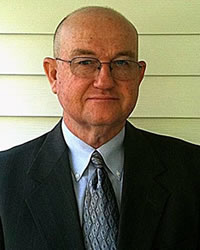
Gary Shepard

The Chosen Fast

Isaiah 58
Gary Shepard April, 29 2007 Audio
0 Comments
Gary Shepard
Gary Shepard April, 29 2007

Sermon Transcript

Auto-generated transcript • May contain errors

100%
Please turn this morning in your
Bibles to the book of Isaiah. Isaiah chapter 58. I remember reading one time a
commentator. He said it seemed like that when
Isaiah writes, that it's as if he's standing at the foot of
the cross. He is so Christ crucified in
all that he says. This morning I want to talk to
you about the chosen fast. The chosen fast. And the first thing that I would
remind you of this morning is that we cannot assume that all
that comes to be associated with religion and is practiced in
religion over time, we cannot assume that it did have its origin
in true religion. or that God has given it as a
command. Men and women assume a lot. And I believe that this is the
case with fasting. What is it to fast? Well, most
would say that it is to abstain from something. or to withhold
from yourself food, or drink, or rest, or work. It's a host of things. But I say I believe that this
has come to be mostly tradition, because nowhere in any of the
books of Moses do we find it. And where we find it elsewhere
in the Bible, it is associated with natural fallen men as well
as spiritual men. When you read in 1 Samuel 1 where one of the wives of Elkanah,
Kanai, when she mocked His other wife, Hannah, it says that she
provoked her, therefore she wept and did not eat. What did she
do? She fasted. It was a natural
response to the mocking of Elkanah's other wife. And then we read
in another place in 1 Samuel 20 concerning Jonathan, and that
which took place with his own dad concerning David. It says, Jonathan arose from
the table in fierce anger, and did not eat meat the second day
of the month, for he was grieved for David, because his father
had done him shame." That fasting was the consequence of anger. That was the consequence of what
his father had done. And then we read this about Ahab. It says that when he heard What
Elijah the prophet had said concerning him, Ahab came into his house
heavy and displeased because of the word which Naboth the
Jezreelite had spoken to him. For he had said, I will not give
thee the inheritance of my fathers. And he laid him down upon his
bed, and turned away his face, and would not eat bread. That's
wicked Ahab. So he's fasting here because
Naboth will not sell him that vineyard that he wants. And then
amongst all the travels and the dangers that Paul speaks of,
all of which are natural, he says in 2 Corinthians, he says,
in weariness and painfulness, in watchings often, in hunger
and thirst, in fastings often, in cold and nakedness, all these
because of the hardships of his travels. But what we have oftentimes in
this book and in the history of this world and the history
that we find here is that this fasting is simply the natural
way of expressing sorrow and mourning and distress. It would almost, for the most
part, be regarded as simply something happening to men and women whereby
they lose their appetite, whereby they are made sad and grieve,
and cannot participate in that which they would naturally. And so when the news went out
in Esther's day of what was decreed by the king and Haman, it says,
in every province, whithersoever the king's commandment and his
decree came, There was great mourning among the Jews, and
fasting, and weeping, and wailing, and many lay in sackcloth and
ashes." They fasted. And it did not have
one single thing to do with worshiping God. But it came in the minds of so
many, even the Jews here and others, right down to this day,
it became in their minds a way of worshipping God or seeking
God because it is the tendency of sinful men and women to try
to turn away God's wrath on the one hand, and to seek and gain
his favor on the other hand by something that they do, or by
something that they don't do, or by something that they suffer
or endure for God. That's what fasting became. And men make and think that this
outward physical act is a spiritual act. And simply what I'm saying
this morning and what is represented here in this passage is that
this fasting of man is simply a kind of symbol of everything
that men do everything that they put themselves through, if you
will, in order to gain the favor of God, in order to have their
sins atoned for, and it is simply nothing more than what Paul says
of his own people in Romans 10. And that is, he says that they
being ignorant of God's righteousness, they are going about seeking
to establish their own righteousness. They are, as the writer of Proverbs
said, simply seeking to follow the way or ways that seem right
in their own eyes. And the Lord Jesus Christ, not
only does God not command His people to do such, but Christ,
knowing that such fasting was natural and simply religious
in man and taught by man rather than being taught by God, He
looked at that which the Pharisees did and He warned us against
it. He says, moreover, when you fast. He's not commanding us to fast
there, but He's knowing by virtue of what we are and how we are
that in this life we will be brought to these places and situations
and weaknesses where we will be unable to eat or drink or
such. So he says, moreover, when you
fast, be not as the hypocrites. Do you hear this now? Be not
as the hypocrites of a sad countenance, for they disfigure their faces
that they may appear unto men to fast. They look pitiful. They look distraught. They think
they look religious. They think they look pious and
holy. Verily I say unto you, they have
their reward. They are doing it to be seen
of men. They are doing it and thinking
they are pleasing God and gaining His favor in doing it. He says,
But thou, when thou fastest, anoint thy head, and wash thy
face, that thou appear not unto men to fast, but unto thy Father
which is in secret, and thy Father which seeth in secret shall reward
thee openly." You remember that man in Luke
18? He went into the temple to pray,
and he looked over at this poor publican who, it says, that he
went down to his house justified. He looked at this poor publican
and thanked God that he was not like he was. And one of the things
that he offered up to God as a very reason that God ought
to favor him was this. He said, I fast twice in the
week. I give tithes of all that I possess. It was the religion of the Pharisees
to take this ritual and this ceremony and this repetitive
thing, and on these certain days, I believe it was Tuesday and
Friday, they fasted. And so he offers that to God.
God, I fast twice a week. And they did that, and they continue
to do it to this day, and they did it back in the days here
in Isaiah 58, because false religion knows that this is what men by
nature think will bring God's favor. You see, false religion always
caters to that which they know that natural men and women want
to do, or want to refrain to do, and most often want to suffer
and endure to get God's blessings. And that is just one thing. And
they add to it a long list of things to abstain from. Have you ever noticed that talking
with religious people? You won't talk with them long
before you find out what they don't do. We don't drink any wine. We don't
eat any of this or particular or that or the other. I remember
once my dad had a man that worked for him. And one of his big things
was he would not drink a Pepsi, he would not drink a Coke, he
would not drink any of these things, but he would drink a
Dr. Pepper. And that's the way it is. And
it all boils down to this. It all boils down to what men
and women in their deception and in their blindness and in
this darkness and veil that religion casts on them, imagine what they
can do to get God's favor. But I want you to turn, hold
your place here, and turn to Romans chapter 14. Romans chapter 14, and look down
in verse Now, if you want a verse that sums this up and lays to
death the notions such as this, look at verse 17 of Romans 14. For the kingdom of God, and we're
not talking about religion here, we're talking about the kingdom
of God. That's what I'm interested in. I'm interested in the kingdom
of God. For the kingdom of God is not
meat and drink. It is not. It never has been. It never will be. The law that
God gave first to men was not for it to be that way. It was
simply to show us that it was not that way. He says, the kingdom of God is
not meat and drink, but righteousness and peace and joy in the Holy
Ghost." Now, what is the Holy Ghost? How does the Holy Ghost
give that to us? He does it just as Christ said,
by taking, He said, the things of mine and showing them. By showing a sinner that this
kingdom of God is not meat or drink, but it is righteousness,
the very righteousness of God in Christ, which results in peace,
peace with God and the peace of God, and which results in
joy. That's the kingdom of God. You know, it's not a lot of long-faced
people sitting around telling everybody what they do without,
reminding everybody of how holy they are because they abstain
from this thing and that thing, and they give you this long list
of what they don't do, what they don't drink, what they don't
eat, where they don't go, what they don't watch. Paul said, But meat, which simply
means those things that are external, but meat commends us not to God,
for neither if we eat are we the better, neither if we eat
not are we the worst. That's not what this is all about. And it is against such fasting,
if you will, that God speaks in our text. Turn back there,
and while you're turning, I want to read you a few verses in 1
Timothy. Paul writes to Timothy, and he
says this, Now the Spirit speaketh expressly, that in the latter
times some shall depart from the faith, giving heed to seducing
spirits, and doctrines of devils, speaking lies in hypocrisy, having
their conscience seared with a hot iron." Now listen to this. What is their doctrine? What is this doctrine of devils
that they're spreading around? Forbidding to marry? and commanding
to abstain from meats." That's the whole of their religion. That's the sum of their doctrine. What you do and what you don't
do. What you eat, what you don't
eat. What you drink, what you don't eat. Whether or not you
can marry. All these things. He says of
these meats, he says, which God hath created to be received. That says meats, doesn't it?
Sorry for you vegetarians. These meats that God has created
to be received with thanksgiving of them which believe and know
the truth. For every creature of God is
good. and nothing to be refused if
it be received with thanksgiving." Now, this had gone on in Isaiah's
day. And it is against such as this
that God speaks in this text. It is against trusting in such
rituals and ceremonies and outward works of obedience in the flex
against the things that men highly esteem, but he says are an abomination
to God. Now look back in Isaiah 58. Cry aloud, spare not, lift up
thy voice like a trumpet, and show my people their transgression,
and the house of Jacob their sins. Yet they seek me daily,
and delight to know my ways, as a nation that did righteousness,
and forsook not the ordinance of their God, they ask of me
the ordinances of justice, They take delight in approaching to
God. And they ask this, Wherefore have we fasted, say
they, and thou seest it not? In other words, Lord, it looks
like here we've done all these things. Here we've abstained
from all these things. Here we are doing all these things
for You. And it's like you haven't even
seen it. Wherefore have we afflicted our
soul? Do you know what the problem is
here? They hadn't afflicted their soul
a bit. They'd afflicted their body a little bit. And they were
thinking that God would honor that and receive that, bless
that, take notice of that. Wherefore have we afflicted our
soul, and thou takest no knowledge? Behold, in the day of your fast
you find pleasure and exact all your labors. Behold, ye fast
for strife and debate, and to smite with the fist of wickedness. Ye shall not fast as you do this
day, to make your voice to be heard on high." Now, God knows
why men do things. He knows why we do things. He
knows our motive. He said, you fast. Or what you
call fasting. You fast, what's that last phrase? To make your voice to be heard
on high. What is that? That's nothing
but human works. That's nothing but self-righteousness. That's nothing but a sinner doing
something in order to be heard, received, and blessed of God. That's what he says your fast
is. But listen to him in verse 5. Is it such a fast that I have
chosen? Boy, it would do us good, wouldn't
it, if we could ever be brought to ask God what He wants, what
He requires, what He gives, rather than what we think it ought to
be. In other words, is what you're
offering up to God, what God requires? Is what you're doing
to gain His favor, what you've done maybe all your life, what
you've always thought was right, is that what God is requiring? A day for a man to afflict his
soul? Is it to bow down his head as
a bulrush and to spread sackcloth and ashes under him? Will thou
call this a fast and an acceptable day to the Lord?" He says, is
this the fast that I have chosen? Is what you're doing what I commanded
you to do? Is it what I gave you to receive? Is all this bowing down and acting
pitiful and grieving, is this the fast that I've chosen? But look at that last part of
verse 5. He says, let me read it again.
Is it such a fast that I have chosen, a day for a man to afflict
his soul? Is it to bow down his head as
a bulrush and to spread sackcloth and ashes under him? Will thou
call this a fast and an acceptable day of the Lord?" Hold your place there and look
over in Isaiah 61. Because here in Isaiah 61, there's
something that sounds like it's very close attended at, and this
is the Messiah. I want to say this morning, is
God's salvation about making everybody sad and miserable and
all this stuff? It doesn't sound like it. Listen to verse 1 of Isaiah 61. He says, "...the Spirit of the
Lord is upon me." because the Lord hath anointed me to preach
good tidings unto the meek. He has sent me to bind up the
brokenhearted, to proclaim liberty to the captives, and the opening
of the prison to them that are bound, to proclaim the acceptable
year of the Lord, and the day of vengeance of our God to comfort
all that mourn, to appoint unto them that mourn in Zion, to give
unto them beauty for ashes, the oil of joy for mourning, the
garment of praise for the spirit of heaviness, that they might
be called trees of righteousness, the planting of the Lord, that
he might be glorified." What does that mean? Well, you see, in verse 6 and
7, he says, is not this the fast
that I have chosen? Now, you tell me, do you want
the fast that you've chosen? The fast maybe that somebody
has chosen for you? Or the one that the Lord has
chosen? I want the one that the Lord
has chosen. And he says here in verse 6,
is not this the fast that I have chosen? To loose the bands of
wickedness? To undo the heavy burdens? And to let the oppressed go free? And that ye break every yoke? Is it not to deal thy bread to
the hungry? and that thou bring the poor
that are cast out to thy house, when thou seest the naked, that
thou cover him, and that thou hide not thyself from thine own
flesh." He said, isn't this the fast that I've chosen? It's a big difference. In other words, he's saying this
is what God has appointed. And this is what he's pleased
with, and this is what he's approved, and it is good news of a work done and not of a work
to be done. That's what he's setting in contrast
with these. In other words, it is a work
of grace from God in Christ. And this message is simply, rather
than what men by nature think and are told by false religion,
the message is cease from your works and from your efforts to
establish a righteousness of your own from God. Cease from
your way, cease from your natural way and from man's traditional
way. He says, my fast that I have
chosen is a gospel fast, which is really a feast. It's not to take from you. It's
to give to you. You don't have anything. It's
not to make you hang your head down in the final analysis. It's made to lift your head up.
It's not to take everything you have away from you, everything,
even in the natural realm, joy, everything you have. It's to
give you something spiritual and lasting and eternal. It's for you to look outside
of yourself to Christ. And all your mourning,
and all your guilt, and all your sorrow, and all your works, and
all your abstinence will not commend you to God and
will not put away even one of your sins. The fast that God has chosen
is this. He says, come and die, for all
things are made ready. Here you people are, he said,
you call by my name, you're so proud of what you don't do and
this fast that you think you have entered into, and you're
wondering why in the world I won't receive it, why I'm not acknowledging
you, why I'm not blessing you. Is this the fast that I've chosen?
Oh, no. The one I've chosen is just
the opposite. Do you hear that? Just the opposite
of what you've chosen. It's not a famine. You're already
in a famine. It's a feast. It's the fast that
I've chosen. You see, he says, Christ, if
you look at that sixth verse, he says, is not this the fast
that I've chosen, to loose the bands of wickedness, to undo
the heavy burdens, and to let the oppressed go free, and that
you break every yoke? This isn't to bind a sinner down. He's already in bondage. It's
to liberate him and set him free that he may glorify God in His
grace. Nobody who is trying to worship
God or have God's favor or live before God, who spends their
moments thinking that they ought to do this if they are going
to have God's favor, you never worship. Nobody except a liberated
sinner worships. And Christ, in His sinless life
and His sacrificial death, has delivered, has set us free from
the bondage of Satan and from the curse of the law, and delivered
us from this present evil world and its curse. He has broken
the bands that held His people. He has borne the burden of their
sin in its entirety in His own body on the tree when He was
made sin for us. He has set free the captives. that they might enjoy a feast,
a feast of fat things and wine on the leaves. He liberated them
in a just way by paying the price for their sins that the justice
of God required so that all these scribes and Pharisees They tell men just to do the
opposite. He says that they bind heavy
burdens on men, grievous to be born. Well, I can't speak for
everybody, but I can tell you this in the natural. If you tell
me not to eat something, you hadn't blessed me. You hadn't
helped me. I realize every one of us probably
could do with a fast for some time, but you hadn't helped me. You hadn't
made me happy. The gospel is good news. Do you
see that? The gospel is liberating. The gospel is giving. He doesn't
take away from us except our sins. He gives to us, as a matter
of fact, God never takes away anything from His people but
to give them something far, far better. But of the Pharisees, He said,
for they bind heavy burdens and grievous to be born, and they
lay them on men's shoulders, but they themselves will not
move them with one of their fingers. He said, now you need to do this.
You need to quit doing that. You need to abstain from doing
this. Don't eat that food anymore. Don't drink that wine. Don't
do this. It's just a long list. But the Lord Jesus, He said,
Come unto me, all ye that labor and are heavy laden, and I'll
give you rest. Take my yoke upon you and learn
of me. For I am meek and lowly in heart,
and you shall find rest for your souls. For my yoke is easy, and
my burden is light." He says in verse 7, "...is it
not to deal thy bread to the hungry, and that thou bring the
poor that are cast out to thy house, when thou seest the naked,
that thou cover him, and that thou hide not thyself from thine
own?" He says, it's not to withhold bread, but it's to break it and
to divide it and give it to the hungry. You see, everyone made hungry
by the Spirit of God. They can never receive a message
like, well, you abstain from this. You abstain from eating
this bread. But I'm hungry. And that's why no other gospel
will satisfy God's elect except that one that gives bread, because
He's made them hungry. And he's not talking about physical
bread here. He's talking about Christ, the
bread from heaven, the one who's described as the true bread and
the bread of life, spiritual and eternal life, bread that's
given, not worked for. Not worked for. You see, those spoken of here
are the poor and the homeless. and the cast out and the naked. All of this is spiritual. All
of it has to do with the people of God who are made this by His
grace. He says, blessed are the poor
in spirit, for theirs is the kingdom of
God. Paul wrote and he said, for you
know the grace of our Lord Jesus Christ, that though he was rich,
yet for your sakes he became poor, that you through his poverty
might become rich. The gospel has something for
these poor. There have been more than you
could ever imagine or count of poor people in this world who
died in their sins and perished. These are poor in spirit. They're
brought from walking around prancing like peacocks in their religion,
their self-righteousness, and saying, we're rich and increased
with goods and we have no need of anything. not a sinner that has come under
the influence of God's Spirit. They're broken, bowed, and He
makes them rich and lifts them up. They're outcasts, homeless, to
which the Savior says, in my Father's house are many mansions,
dwelling places. If it were not so, I would have
told you. I go to prepare a place for you,
and if I go to prepare a place for you, I will come again and
receive you unto myself, that where I am there you may be also. And whither I go you know, and
the way you know, and Thomas saith unto him, Lord, we know
not whither thou goest, and how can we know the way? And Jesus
saith unto him, I am the way, the truth, and the life, and
no man comes unto the Father but by me. I'm the way. I'm that mansion
really. I'm that dwelling place. Then they're described as naked. That means they realize, they've
been brought to know, they have no righteousness of their own.
They have nothing to offer up to God. They have nothing to
cover the nakedness and the vileness of their sin. But they have the Lord, our righteousness. One of the most wonderful descriptions
of what God, in grace, in Christ, and by His Spirit, does for His
people, who in themselves and of themselves
are naked, have no covering. But in Ezekiel 16, He likens
them to an aborted infant. naked, covered with blood and
polluted in a field, abandoned. And how, observed in that way
in herself, she is brought by God to something much more amazing
and glorious. Let me read it to you. He says,
I have caused you to multiply as the bud of the field, and
thou hast increased and waxen great and thou art come to excellent
ornaments, thy breasts are fashioned, and thine hair is grown, whereas
thou wast naked and bare." Now how did you get from naked and
bare to looking like this? He says, Now when I passed by
thee, and looked upon thee, behold, thy time was the time of love. and I spread my skirt over thee,
and covered thy nakedness. Yea, I swear unto thee, and entered
into a covenant with thee, saith the Lord God, and thou becamest
mine. Then washed I thee with water. Yea, I thoroughly washed away
thy blood from thee, and I anointed thee with oil. I clothed thee
also with broidered work, and shod thee with badger skin. and
I girded thee about with fine linen, and I covered thee with
silk. I decked thee also with ornaments,
and I put bracelets upon thy hands, and a chain on thy neck,
and I put a jewel on thy forehead, and earrings in thine ears, and
a beautiful crown upon thine head. Thus thou wast decked with gold
and silver, and thy raiment was of fine linen and silk and embroidered
work. Thou didst eat fine flour and
honey and oil, and thou wast exceeding beautiful, and thou
didst prosper into a kingdom. And thy renown went forth among
the heathen. for thy beauty, for it was perfect." You hear that? After everything God in grace
does for the sinner brings them from this death and defilement
and sin and hopelessness to live and to be covered and clothed
and beautiful in righteousness. He says, in thy renown, your
fame, went forth among the heathen for thy beauty. For it was perfect, perfect beauty, perfect covering,
perfect righteousness. For it was perfect through my
comeliness, which I had put upon thee, saith the Lord God." When
John sees that beautiful company in the Revelation, it says they
are covered with fine linen. And when you see that fine linen
in the Scripture, it has to do with righteousness. It has to
do with them being covered by this imputed righteousness of
the Lord Jesus Christ. He says that. He says, which
I had put on thee. You see, Christ will not hide
himself from his people, who are bone of his bone and flesh
of his flesh, his friends, his brethren, he calls them, and
neither need they to hide from him. No, no. Look back in Isaiah 58, verse
8. Then shall thy light break forth
as the morning, and thine health shall spring forth speedily,
and thy righteousness shall go before thee. The glory of the
Lord shall be thy reward. Then shalt thou call, and the
Lord will answer. Thou shalt call, and He shall
say, Here am I. If thou take away from the midst
of thee the yoke, the putting forth of the finger, and speaking
vanity, and if thou draw out thy soul to the hungry, and satisfy
the afflicted soul, then shall thy light rise in obscurity,
and thy darkness be as the noonday. And the Lord shall guide thee
continually, and satisfy thy soul in drought, and make fat
thy bones And thou shalt be likened like a watered garden, and like
a spring of water, whose waters fail not. And they that shall
be of thee shall build old waste places, and they shall raise
up the foundations of many generations, and thou shalt be called the
repairer of the breach, the restorer of the path to dwell in, if thou
turn away thy foot from the Sabbath from doing thy pleasure on my
holy day, and call the Sabbath a delight, and the holy of the
Lord honorable, and shall honor him, not doing thine own ways, nor finding thine own pleasure,
nor speaking thine own words, then shalt thou delight thyself
In the Lord, in His grace, in His gospel, in His Son, in His
righteousness, in His blessings. And I will cause thee to ride
upon the high places of the earth and feed thee with the heritage
of Jacob. thy Father, which is a heritage
of grace, a heritage of election, for the mouth of the Lord hath
spoken it." Let me show you one more passage
in Luke, chapter 4. Remember what the Lord said?
Is this the fast that I've chosen? Is all this that you're doing
supposedly afflicting yourself and afflicting your soul, you
say? Is this what you're doing in
your body and in your rituals and ceremonies? Is this what
I've called the acceptable day of the Lord? All right, look here in Luke
chapter 4. Verse 16, And he came to Nazareth,
the Lord Jesus Christ, where he had been brought up. And as
his custom was, he went into the synagogue on the Sabbath
day and stood up for to read. And there was delivered unto
him the book of the prophet Isaiah. And when he had opened the book,
He found the place where it was written, just where we read in Isaiah
61. The Spirit of the Lord is upon
me, because the Lord hath anointed me to preach the gospel to the
poor. He hath sent me to heal the brokenhearted. to preach deliverance to the
captives and recovering of sight to the blind, to set at liberty
them that are bruised, to preach the acceptable year of the Lord. Same thing. It didn't have to
do with just that nation. had to do with all God's people.
Now listen. And he closed the book, and he
gave it again to the minister, and sat down, and the eyes of
all them that were in the synagogue were fastened on him. And he
began to say unto them, This day is this scripture fulfilled
in your ears. This is the chosen fast. It is to cease from all of ourselves,
all our traditions, all our outward efforts to please God and to
gain His favor and to receive His blessing, to cease from all
that and to trust Christ. This same
prophet says, I think in Isaiah 55, he says, let your soul delight
itself in fatness. Do you hear that? Here is a world full of religion
that says you do this, that and the other and all this kind of
stuff. And here is the living, gracious, merciful God in Christ
saying, let your soul delight itself in fatness. Everything's ready. I've paid
for everything. I've done everything. Feast on
Christ. Feast on Christ. Because salvation
is not by what you don't do. It's by what God in Christ has
done. Has done. And the Lord God said,
He's the fast stop church. He's it. Oh me, religion in our day, and
evidently in that day and every day, because man is a sinner
the same. It's just, if God doesn't deliver
us by his grace, open our eyes to see, and to believe, and to
trust the work of another, we'll just perish. Father, this day we give you
thanks for the good news and the glad tidings, finished work,
perfect righteousness, shed blood, free grace that you give in Jesus
Christ our Lord. Lord, we pray that you deliver
us from this natural, sinful, way of thinking that fell upon
us in our father Adam when he demonstrated it, when he disobeyed
you and immediately began to seek to cover himself by what
he had done. Give us faith to look to Christ. Give us understanding. Grant us the things of your kingdom,
righteousness, peace, and joy in that one that the Holy Spirit
reveals, the Lord Jesus Christ. We thank you and we praise you
in His name. Amen.
Gary Shepard
About Gary Shepard
Gary Shepard is teacher and pastor of Sovereign Grace Baptist Church in Jacksonville, North Carolina.

Comments

0 / 2000 characters
Comments are moderated before appearing.

Be the first to comment!

Joshua

Joshua

Shall we play a game? Ask me about articles, sermons, or theology from our library. I can also help you navigate the site.