Bootstrap
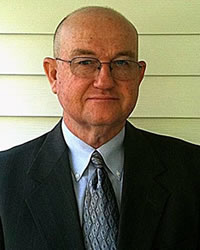
Gary Shepard

There Is Forgiveness

Psalm 130:3; Psalm 130:4
Gary Shepard March, 4 2007 Audio
0 Comments

Sermon Transcript

Auto-generated transcript • May contain errors

100%
Turn to Psalm 130. Psalm 130. Not a long psalm, but a wonderful psalm. Out of the depths have I cried
unto thee, O Lord, Lord, hear my voice. Let Thine
ears be attentive to the voice of my supplications. If Thou, Lord, shouldst mark
iniquities, O Lord, who shall stand? But there is forgiveness
with Thee that Thou mayest be feared. I wait for the Lord. My soul doth wait, and in His
Word do I hope. My soul waiteth for the Lord
more than they that watch for the morning. I say, more than
they that watch for the morning. Let Israel hope in the Lord,
for with the Lord there is mercy. And with him is plenteous redemption,
and he shall redeem Israel from all his iniquities." Someone said years ago that the thing that makes good
news is bad news. In other words, if you don't
have any bad news, then you really don't need any good news. And the good news that I have
to give to you today is only such if you know the bad news. The bad news is in verse 3. If thou, Lord, shouldest mark
iniquities, O Lord, who shall stand? Who could ever stand? You see, iniquities means simply that which is unequal
to perfect righteousness. Don't ever be led into thinking
that it is this awful one thing or that awful another thing. Iniquities is simply inequity
in the sight of God. Iniquities are everything that
is not equal to a perfect conformity to His law, and most especially, everything
that is not equal to the standard that He revealed in the man Christ
Jesus. It's everything that is not perfect. And in so much, it is everything
that is not of God. It is everything man does. Have you done anything? It's iniquity. And it is so much
that that when our Lord spoke in Matthew 7 to those who had
somewhat they thought to give to Him, such as their preaching
and their good works and their casting out devils, He said to
them, Depart from Me, you that work iniquity. I guess I could say this this
morning. Have you sinned? That's iniquity. And not only
that, he says here, if the Lord should mark, if He should mark, that means
if He judges sin. If He requires an account of
your sin, if He demands strict satisfaction for your sin, who
could stand? You can't pay. You can't make
amends. He will. You see, David, if he's
the writer here, he's not asking this question or putting it up
for discussion. He is confessing it to be the
reality of man before God in his holiness. In Job, we read
this. He said, If I sin, then thou
markest me. and thou wilt not acquit me from
mine iniquity." In Malachi 3, it says, But who
may abide the day of his coming, and who shall stand when he appears? These are questions Not that
something is up for discussion or debate, but there to bring
us to remember how things really are. If we've ever sinned, we're going
to face God with it. If we've ever sinned, God marked
it. Whether it is the sins of our
mind, the sins of our heart, the sins of our body, it doesn't
matter. God marks all iniquities. And he says here, who should
stand? Who can stand before God? And that means opposed to seeking
and falling. None. None. As a matter of fact, he says
this through Jeremiah. He says, for though you wash
yourself with nitro, that is, with the strongest, most powerful
cleansing thing, and take thee much soap, yet thine iniquity is marked
before me, saith the Lord God." No matter what is used by the
sinner, no matter what is offered by other sinners, no matter how
thoroughly you seek to cleanse yourself, he said, your iniquities
are still marked. That means seen and known and
recorded and to be held in account by God. And Nahum, he says this
in the same vein. He says, who can stand before
his indignation? And who can abide in the fierceness
of his anger? His fury is poured out like fire,
and the rocks are thrown down by Him." That's the bad news. We're sinners. We all have sinned and come short
of the glory of God. God knows exactly who we are
and what we've done. whether it be in Adam or whether
it be personally, He has marked every one of our sins, knows
them all, has them in His record book, and He is going to judge
all sin. And we can't stand. We can't survive such a judgment. We can't pay anything, satisfy
anything. And so if left to ourselves,
if left in this state and condition, we would perish eternally, being
always unable to do anything to bring ourselves out of that
state of judgment and condemnation. Now, if you're not in that state,
if you're not in that condition, if you're not a sinner by virtue
of what the Word of God says a sinner is, if you've never
sinned, then I don't have anything for
you. That's the truth. But if you've been made conscious
of this terrible state that we are in as sinners, and I say
made conscious because we must be made conscious of what condition
we are in if we are ever to really know it, so as to confess it. You see, David spoke of himself
here as being in the depths. needy. And if we're ever made to know
this, if we're ever brought to a real consciousness of our state
and our dangerous situation, if we ever are brought to see
it for what it is, God His Spirit has to show us. We're like a man's sleep. lying
on the white line of this highway out here. God has to awaken us
to our danger. And the first thing that we are
confronted with is this bad news. We find out we are not exactly
who we thought we were. And this matter of sin, in light
of who we now find something about God, we find out that it's
a lot worse than we were led to believe that it is. But if we're ever brought, if
you've been brought by the Spirit of God to see exactly who you
are, and this state that David is talking about here in our
text, if that is your case, I've got some good news for you. You could use some good news,
couldn't you? I forget who it was, but some
old preacher said something like this. He said, the gospel is
the good news. And I haven't heard any other
good news on this earth. Isn't that the way it is? This
is good news. You see, the gospel, which is
just that, good news and glad tidings, is glad tidings to those
who know themselves to be sinners who know their sin is against
God, who know it will, it must be punished. But look at verse 4. But there is forgiveness with
thee, that thou mayest be feared. There is forgiveness. You see, set in a contrast to
that truth that he states in verse 3, that is, that God who
marks our iniquities, our sins against Him, He will judge that
sin, and standing before Him in that state We could not stand,
but, but. I have to read you some words that a preacher of days past,
far more eloquent than myself, had to say about this verse. He said, how significant is that
word, but? As if you heard justice clamoring,
let the sinner die, and the fiends in hell howling, cast him down
into the fires, and conscience shrieking, let him perish, and
nature itself groaning beneath his weight, the earth weary with
carrying him, and the sun tired with shining upon the traitor,
the very air sick with finding breath for one who only spends
it in disobedience to God, The man is about to be destroyed,
to be swallowed up quick, when suddenly there comes this thrice-blessed
but. But. Which stops the reckless
course of ruin. puts forth its strong arm bearing
a golden shield between the sinner and destruction and pronounces
these words, but there is forgiveness with
God. This is like being a mass murderer. so much so that you are despised
by every member of society, and have been taken to all the courts
of the land, and all the judges and all the juries have pronounced
you guilty, guilty of your crime, and sentenced you to death, and
you are sitting there strapped to that gurney, and they're about
to inject that fluid into your body that takes your life. And somebody says, wait, there is forgiveness with God. You see, grace, God's grace,
And therefore, his gospel of grace neither deny the reality
of man's sinful condition. But he says there is forgiveness. Is that true? You know and I know that that
just looked at on the surface and believed, or that which has
been explained to us by this world's religion, that really
just doesn't get the job done, does it? It's as if here we are. in this
awful state and somebody walks by and says, oh, there's forgiveness
with God. That doesn't do it, does it? Or you don't really need that
kind of forgiveness. Yes, you do. You see, it says here, if you
notice, and I hope that the Spirit of God will bring this home to
our hearts the present reality of this. He says, there is forgiveness. Not there used to be. Not even
there will be someday. But right now, right now, he
says, there is forgiveness. That means there's pardon. That
means the forgiveness of sin. And where does he say it's at? Is it with your efforts? Is it through your self-justification? Is it through your explanations
or your apologies to God or your promises to reform? Is it in man's way? Is it in
an earthly priest? Does it come to you through Mary? Is it something that the Pope
can confer upon you? Or is it even something that
some preacher can produce? No. The psalmist is talking to God. And he says, there is forgiveness
with thee. There is forgiveness with God. As a matter of fact, in Daniel
9 we read this, to the Lord our God belong mercies and forgivenesses
though we have rebelled against Him." Where does forgiveness come from? Who is it said to belong to? The Lord God. In Nehemiah's day, they gave
this word, but they and our fathers dealt proudly, and hardened their
necks, and hearkened not to thy commandments, and refused to
obey, neither were mindful of thy wonders that thou didst among
them, but hardened their necks, and in their rebellion appointed
a captain to return to their bondage. But thou art a God. ready to pardon, ready to forgive,
gracious and merciful, slow to anger, and of great kindness,
and forsookest them not. This forgiveness right now, as
it has always been, is with thee." It can only come from God, because
God is the one we sinned against. Only God can forgive sin. But there is forgiveness with
God. And He has forgiven great sinners. and sinners who did not even
know what their real need was. Hold your place and look over
in the Gospel of Matthew chapter 9. Matthew chapter 9, it says that
he entered into a ship and passed over and came into his own city,
and behold, they brought to him a man sick of the palsy, lying on a bed. And Jesus, seeing
their faith, said unto the sick of the palsy, Son, be of good
cheer, thy sins be forgiven thee. Now, why did they bring this
man to Christ? And why was he willing to come
to Christ? Because they were looking for
Christ to heal him, which he did. But the Lord Jesus, in this case,
as in every case, He dealt with this man's greatest need first. Most likely a need he never knew
he had. And he said, Son, be of good cheer. Thy sins be
forgiven thee. And the next verse says, And
behold, certain of the scribes said within themselves, This
man blasphemeth. And Jesus, knowing their thoughts,
said, Wherefore think ye evil in your hearts? For whether it
is easier to say, Thy sins be forgiven thee, or to say, Arise
and walk, but that ye may know that the Son of Man hath power
on earth to forgive sins? Then saith He to the sick of
the palsy, Arise, take up thy bed, and go unto thine house.'
And he arose and departed to his house." He forgave his sins. He forgave his sins. And he has
forgiven sinners whose sins were the vilest and the blackest and
the most blatant and the most wicked and sins that were done
in the light of great privilege and blessing." Do you remember David? He took another man's wife to himself
while that man was away in the battle fighting for David. and then turned in order to cover
up his adulterous act, had him sent to the very vanguard of
the troops, so that he would surely be killed to cover up
his wickedness. And God sent a man, a prophet,
to let David just like he lets us know we're not going to get
by with the least sin. He sent a man down to David,
Nathan the prophet, and David said, when Nathan laid it all
out on the line as to what had taken place, God revealing it
to him, David said to Nathan, I have sinned against the Lord. Didn't he sin against Bathsheba?
Yes. Didn't he sin against Uriah?
Yes. But his sin was, first of all,
against the Lord. And Nathan said unto David, The Lord also hath put away thy
sin. you're not going to die. Why was David not cast out of
God's presence? Why was he not on that very occasion
when he embraced that woman the first time? Why was he not slain
and cast into hell? Why was he not for this multitude
of sins and much more cast into outer darkness because there
is forgiveness with God. That's right. You see, He forgives all the
sins of all His people, all who are brought to look to Him for
forgiveness. Now, let me say this. He forgives all the sins of all
His people, which are all people who look for that forgiveness
from God. It doesn't matter what the sin
is. People talk about confessing
sin. So they're going to confess before
some priest or some preacher. They're going to confess their
sins. You don't even know what all
your sins are. If you started confessing just
what you know are your sins, you'd still be confessing them
a hundred years from now. a thousand years from now, but
most of all, what you thought was good and right, that's sin too. But almost invariably, with every
one of us, there is that sin that haunts
us. In most cases, we wouldn't have
anybody to know it, not the dearest person to us, if they didn't
know it and don't know it. We wouldn't have anybody to know
it for anything in this world. We'd rather die than they know it. Maybe it's a sin of our youth. Maybe it's a sin of our old age. Maybe it's a sin in somewhere
between. And we have found that sin to
be so haunting and so, so haunting to our conscience that we could,
in one sense, believe that God could forgive everything else
and everybody else's sin. But He can never forgive us of
that. That's right. That one sin that keeps coming
back, that wakes us in the night sometimes, that bears on our
conscience heavier than anything else. You know what God says to that?
There is forgiveness. There is forgiveness with God. Things that you could, if you
could, you'd go back and undo, but you can't. Things that are so awful in your
own mind, and you know that they would be awful in the mind of
others. But you can't undo it. That's right. But God can forgive
them. God can forgive them. The psalmist says in Psalm 103, Bless the Lord, O my soul, and
forget not all His benefits, who forgiveth all thine iniquities." That might be a good portion
to underline, hadn't it? That last part especially. He's
the Lord who forgives all thine iniquities. All of them? All of them except that one?
No, all of them. But God's forgiveness is set
forth in Scripture on the one hand as an accomplished thing,
and because of that, an experienced thing. First of all, as an accomplished
thing in Christ. There is forgiveness with thee. There is forgiveness with God
in Jesus Christ and Him crucified. As a matter of fact, some translate
this fourth verse in this way, there is a propitiation with
thee." In other words, this forgiveness
is to be found and is spoken of here in Christ through His
propitiatory sacrifice. Jesus Christ is that great propitiation. He is that one ransom that is
spoken of as the ransom that God has found. And it is in Him that we have forgiveness. There's no forgiveness anywhere
else. And there's no forgiveness with God anywhere else except
in the Lord Jesus Christ. And if we do not, if we are not
brought to experience the relief of this forgiveness of sin, it
is because we have not a right view of Christ and what He actually
did. We're in unbelief. You see, God has forgiven someone's
sins through the sufferings of Christ. That's right. He's forgiven somebody's
sins. I want it to be mine. Don't you? The Apostle stands in Acts 13, and he says, Be it known unto
you, therefore, men and brethren, that through this man is preached
unto you the forgiveness of sins. Through this man is preached
to you is the good news of forgiveness of sins. Peter says in his epistle, For
Christ also hath once suffered for sins, the just for the unjust,
that he might bring us to God. Now, I want you to look at something.
Turn over to Ephesians and the first chapter. Ephesians, the
first chapter, and look down at verse 7. Speaking of Christ, speaking
of the beloved, speaking of God having graced some people, he
says of Christ, in whom we have redemption through His blood."
What's that? The forgiveness of sins. According to the riches of His
grace. There it is. The forgiveness
of sins. And if you look at the first
two words in that verse, it shows us exactly where God's forgiveness
is, and it isn't anywhere else. It says, in whom we have the forgiveness of sins. Paul wrote that to these believers,
and he let us know that it was an accomplished thing in the
Lord Jesus Christ. He said, in whom we have the forgiveness of sin. Turn over to the first chapter
of the book of Colossians. A couple of epistles over. Colossians chapter 1. and look
down at verse 14, "...in whom we have redemption
through his blood, even the forgiveness of sins." Now, in both places, in both
those verses, We see that forgiveness, the forgiveness of sin, the forgiveness
of all our sin, number one, is in a person, the Lord Jesus Christ. In whom? But not only in Him,
but in that work that He accomplished. It is in both places, through
His blood, through His death, by His redemptive work. Somebody has the forgiveness
of sins. Have to. Because the Lord laid
on him their sins. Because He gave his soul an offering
for those sins. And that's the forgiveness of
God. Forgiveness because forgiveness
and remission are the same. All the same. Forgiveness through
redemption, the redemption in Christ. Forgiveness because Christ
put away our sin by the sacrifice of Himself. Forgiveness through
the shedding of His blood to satisfy God's justice in the
matter of our sin, just like every Old Testament sacrifice
pictured. So when the Apostle writes in
Hebrews 9, he reminds us, and almost all things are by the
law purged with blood, and without shedding of blood there is no
remission. There is no forgiveness. Christ shed His blood, and therefore
in Him there is forgiveness. When He established what we call
the Lord's Supper, He said, For this is My blood of the New Testament,
which is shed for many for the remission of sins, for the forgiveness
of sins. Well, you say, David, Christ hadn't come. He hadn't
died. And neither had he died when
he speaks to that man in Matthew 9. But yet, Paul writes in Romans
3, he says, whom God has set forth to be a propitiation through
faith in His blood to declare His righteousness for the remission
of sins that are past. through the forbearance of God. You remember what one of the
things he said on the cross was. Father, forgive them. Does the Father hear his prayer?
Absolutely. Will the Father answer his prayer?
Absolutely. He says, Father, forgive them. He's not talking about every
person in the world, but he's talking about them that the Father
gave to him. that He came into this world
to suffer and die for in their place and make atonement for
their sins on the basis of that death, He then says, Father,
forgive them. They don't know what they're
doing. But I do. But more than that,
I know what I'm doing. So forgive them. Christ suffered once for the
sins of His people, and He put them all away. And since God's
justice is now satisfied and the redemption is accomplished,
there need not be any other sacrifice by Him or them. Because where remission of these
sins is, there is no more offering for sin. And because Christ's
blood shed on that cross, there is not only forgiveness, but
this forgiveness must also be experienced by those he died
for. Now, there are some people who
get this really mixed up. But in this book, forgiveness
is set forth in a two-fold way as being accomplished by the
Lord Jesus Christ, and then by being experienced in the life
of those he died for. In Acts 26, Paul was telling
Somebody what God told him that he had singled him out and called
him out and sent him forth preaching the gospel to accomplish. He says to open their eyes and
to turn them from darkness to light and from the power of Satan
unto God that they may receive that they may receive forgiveness
of sins and inheritance among them which are sanctified by
faith that is in me." God said, I'm sending you out,
Paul. Or actually, it was Christ personally
commissioning Paul. And he says, I'm sending you
out, Paul. that these for whom I died, that
they might receive this forgiveness of sins by faith that is in me. You see, because of Christ's
death for sin in the sinner's place, He sends His Spirit to
reveal it to them through the gospel and in them by giving
them faith so that they receive it and experience it in their
conscience and believe it in their hearts. Now, my faith, that God gives
me. That's not the ground for that
forgiveness. That's like God giving me a cup
by which to drink into myself a water He's provided. Make known
to me. Make my conscience to rest because
of this forgiveness. Make my heart to be at peace
because I have been forgiven of my sins." In Acts 10, it says
to him, give all the prophets witness that through his name,
whosoever believes in him shall receive remission of sins. John says to those he writes
to in 1 John, he says, I write unto you, little children, because
your sins are forgiven. for his name's sake. All right, look back at our text
in that fourth verse again. That fourth verse. But there is forgiveness with
thee, that thou mayest be feared. Why? That God, that the forgiver,
mayest be feared. Now, what does that mean? It
means to hold God in reverence and worship Him. It's a reverential
fear. It means to trust Him completely
and hate evil because of who He is and because of what He
has done in forgiving us of our sins. In that first epistle, we looked
at it Wednesday night, John said, if we confess our sins, He is
faithful and just to forgive our sins. What does that mean? That means
to bring us to experience the joy, the peace, the rest, and the assurance of sins forgiven. He's faithful and just. to do
it. Somebody wrote, none fear the
Lord like those who have experienced His forgiving love. Gratitude for pardon produces
far more fear and reverence of God than all the dread which
is inspired by punishment. And how different this is to the abuse of false professors
who use grace as a license to sin, on the one hand. And on
the other hand, to those who pretend fears. but who are only legalists, and
their fear is just a legal fear, a fear of punishment, not a reverence
and a gratitude for God. Turn one more time to Luke's
Gospel, chapter 47. Luke chapter 7, rather, and verse
47. The Lord had been invited to
a Pharisee's house. There was an uninvited woman, obviously one that these who were made up most of the guests of
his house, including the man himself thought was of a very
low report. And she came into that room and
went straight to Jesus, weeping, carrying an alabaster box of
ointment. And the Bible says that she fell
down at his feet washed his feet with her tears, dried his feet
with her hair, and anointed his feet with precious ointment." Some of them were saying, if
he knew who she was, he wouldn't allow it. And they regarded her as a sinner. And so our Lord gave to the master
of the house particularly, He gave to him a little parable
about two people, both of whom owed debts to a creditor. One owed a great debt, one owed
a lesser debt. But it says that he frankly forgave
them both. Then our Lord said, which one, which one will love him most? And he said, I suppose that he
to whom he forgave the most. And he said unto him, you rightly
judge. And I've come into your house,
and you've not done anything for me, but this woman came in
and washed my feet with her tears, dried them with her hair, and
poured this most precious thing she had probably on my feet." Look down at verse 47, "'Wherefore
I say unto thee, her sins, which are many, are forgiven, for she loved much. But to whom
little is forgiven, the same loveth little. And he said unto
her, Thy sins are forgiven. While she loved him much, she
knew that he had forgiven her much. there is forgiveness with thee,
that thou mayest be feared." The psalmist says, Lord, thou art good and ready to forgive, and plenteous in mercy unto all
them that call upon thee." That is, all that approach God, all
that seek forgiveness from God, all that worship God in that
one way, that He is approached and worshiped
and gives forgiveness. And that is in Jesus Christ and
Him crucified. Are you a sinner? I sure hope the Lord will bring
you to do more than just say, well, everybody's a sinner. Are you a needy sinner? One that God has brought you
to feel and see and know something of the depths of your status. Well, here's the good news. There
is forgiveness with God in Jesus Christ through His cross death
and nothing else. And He is to be worshipped in
Him and only Him. Is your hope your only hope,
your only righteousness, the one who himself alone has put
away your sin by his sufferings, then you have every reason to
rejoice and to be at peace. And that sin that looms so heavy
in your mind, just remember He is the Lord
that healeth all, all our iniquities. He is the one of whom he says,
the Lord hath laid on him the iniquity of us all. One day those things won't bother
us even to enter into our minds again. And then we'll be able to really
praise him for free forgiveness. Our Lord, this day, what a glorious
and marvelous thing to think about. Free and full forgiveness
from the God we've sinned against through his coming in human flesh. and dying, satisfying every claim
against us because of our sin and making us the very righteousness
of God in him. Oh, you should be feared, revered
and held in reverence, thanked and blessed for your grace and
mercy. We thank you and we pray that
you take your word this day and bless it to the hearts of your
people. Say to someone in this congregation
today, say it to me afresh and anew, say it to someone who might
hear this message. Thy sins. be forgiven. We thank you and we pray in Christ's
name. Amen.
Gary Shepard
About Gary Shepard
Gary Shepard is teacher and pastor of Sovereign Grace Baptist Church in Jacksonville, North Carolina.

Comments

0 / 2000 characters
Comments are moderated before appearing.

Be the first to comment!

Joshua

Joshua

Shall we play a game? Ask me about articles, sermons, or theology from our library. I can also help you navigate the site.