Bootstrap
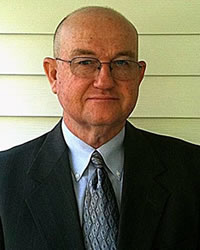
Gary Shepard

The Way of Cain or Abel's Sacrifice

Genesis 4:1-8
Gary Shepard February, 11 2007 Audio
0 Comments
Gary Shepard
Gary Shepard February, 11 2007

Sermon Transcript

Auto-generated transcript • May contain errors

100%
I hope you'll turn with me in
your Bibles this morning to the book of Genesis. The book of Genesis and the fourth
chapter. The title of my message this
morning is the way of Cain or Abel's sacrifice. And Adam knew Eve his wife, and
she conceived and bare Cain, and said, I have gotten a man
from the Lord. And she again bare his brother
Abel. And Abel was a keeper of sheep,
but Cain was a tiller of the ground. And in process of time
it came to pass that Cain brought of the fruit of the ground an
offering unto the Lord. And Abel he also brought of the
firstlings of his flock and of the fat thereof, and the Lord
had respect unto Abel and to his offering. But unto Cain and
to his offering he had not respect, and Cain was very wroth, and
his countenance fell. And the Lord said unto Cain,
Why art thou wroth? And why is thou countenance fallen? If thou doest well, shalt thou
not be accepted? And if thou doest not well, sin
lieth at the door. And unto thee shall be his desire,
and thou shalt rule over him. And Cain talked with Abel his
brother, and it came to pass when they were in the field,
that Cain rose up against Abel his brother and slew him." If you look here in the Scriptures,
in the book of Genesis, I think you'll find out that
after the fall, Adam and Eve actually had quite a number of
children. If you look over in the fifth
chapter, I believe it is, in verse four it says, And the
days of Adam, after he had begotten Seth, were eight hundred years,
and he beget sons and daughters. But of all these children that
were fathered by Adam and birthed by Eve, two of these children
are mentioned here in chapter 4, Cain and Abel. Cain was the first man-child,
as he is described in verse 1, and Eve thought that she had
given birth to the promised Messiah. But she had really just given
birth to a murderer. And then in verse 2, it tells
us that she gave birth to a second male child, Abel, and then it
goes on to tell us in this chapter about these men. So that out of all the children
that these two individuals had, it seems that God has chosen
only these two, Cain and Abel, to illustrate for us and to give
us a picture, if you will, on just how a sinner can approach
unto God and be accepted by God. In other words, he uses these
two men born of the same parents and under the same circumstances
and with the same nature in order to show us that the only ground
of salvation is a God-appointed substitute and a God-provided
sacrifice and therefore a God-produced righteousness. He shows us this
in these first two men born into the world. And to reveal to us
and to declare to us as he often does in the scripture, that salvation
is always dependent on the Lord Jesus Christ. It always rests
in his blood and his righteousness. And in this, God reveals from
the very beginning that these men were taught that they had
some understanding that God is only just and only able to justify
a sinner by that means which was pictured in Abel's lamb and
sacrifice. Just how important is an understanding
of what is pictured here. Just how vital is it for us to
have some knowledge about what God is teaching us in these two
men? Well, I'll tell you just how
vital it is. Because the Scriptures again
and again tell us that to be ignorant of this, and to not
be submitted unto this, to be ignorant of God's righteousness
and not to be submitted unto God's righteousness as this one
ground of salvation is to be lost. There is not any middle ground. There is not any other way. And here in these first two men,
we find that they are representing two ways, two religions, two
examples by which men attempt to approach unto God and be accepted
by God. And so, no matter how much divergence
there is, or how many different ways that seem to be set forth
by men, God is showing us that there are always and only, only
two ways. Grace or works. And they will not mix. And not
only will they not mix, but God is showing us in these two men
that the false way is as old as the true way. It was found
even between the first two men that were born into this world. You see, grace is salvation which
is accomplished altogether by God in Christ and given to men
as a gift. He says, it is not of ourselves,
it is not of works, lest any man should boast. But on the
other hand, works No matter what form it takes or name it bears
in this world, works is salvation that is dependent, at least in
part, on the sinner in something that he is or something that
he does or something that he says or something even that he
doesn't do. And so everything that goes on
in the name of religion, every basis upon which men seek to
stand before God and be accepted by God, can all be divided into
either one of these two categories. But the Bible always declares,
and never in any other way even hints that there is any other
way, but always says that salvation is by the grace of God. You would think that men and
women would love to hear about the grace of God, the free gift
of God. But the truth is, grace is the
most easily polluted thing in the world, since the least work,
or the least merit, or the least condition pollutes it. And Paul says then, it is no
more grace. Grace is pure. Grace is just
what it really means. Free. an unmerited favor. And when these men came to offer
these two sacrifices, they were not the first sacrifices that
were ever offered. As a matter of fact, God himself
offered the first ones by providing those skins for Adam and Eve
and therefore they came as a result of an innocent victim and sacrifice
being slain. And so Adam raised up these men
and instructed them and taught his sons who now, at this point,
are grown and probably heads of families, and now they brought
sacrifices to God. You see, Cain was as religious
as Abel. Cain, evidently here, it seems,
was the first to bring his offering unto the Lord. When you look
back here in the last verse of Genesis chapter 3, it says, So
he drove, that is, God drove out the man, and he placed at
the east of the garden of Eden cherubims and a flaming sword
which turned every way to keep the way of the tree of life. I went back and looked at exactly
what that verse says. And it seems to say more accurately
that when God cast out Adam and Eve from the garden, not only
did He bar the way into the garden, but there on the east side of
the Garden of Eden, there He dwelt between the cherubims,
and that was where Adam and these men were to come and offer sacrifices
to God. When it says that he placed there,
it is that he dwelt there. And so they came to worship God. They came as undoubtedly they
had seen Adam come on numerous occasions to offer this sacrifice
to God. And they came there. which showed
that God had ordained a place for them to worship, and without
a doubt, a time for them to worship, and He had appointed a means
for them to worship. And so here come Cain and Abel. They are the children of the
same parents. They have been living in the
same environment. They are possessors of the same
fallen nature as their father. So there is only one difference
in these men. There is only one thing that
separates them, not only in what they do, but in the sight of
God, and that is their sacrifices. That's the only difference. And yet, the New Testament says
of one of them, woe unto them that go in the way of Cain. Isn't that something? Woe unto
that person in any time that goes in the way of Cain. And then, on the other hand,
and quite contrarily, it says of the other, by faith Abel offered
unto God a more excellent sacrifice than Cain, by which he obtained
witness that he was righteous, God, testifying of his gifts,
and by it he being dead yet speaketh." I read that portion in our reading
there in Matthew 23 because the Spirit of God speaks of Abel
in this very distinctive way. It describes him as righteous
Abel. Here is unrighteous tame, and
here is righteous able. And they are in themselves and
circumstances every bit the same and alike. But they are distinctive,
and there has to arrive out of our reading about them two questions. Two questions. And the first
one is this. Why did God reject Cain's sacrifice? You know, I'm amazed when I think
about it, just how far back it was when the Lord first confronted
me with this reality. It must have been thirty plus
years ago. Because I was sitting in a Sunday
school class, and the man that was teaching the Sunday school
lesson, and I was as lost as he was for sure, and yet he was
teaching from this very thing. And this is what he said. He said, if Cain had offered
his sacrifice in a better spirit, or with a better attitude, God
would have accepted it. And when he said that, it was
like a bell or a warning went off in my head. And it was as if the Spirit of
God took the Word of God and reminded me that that was not
the real reason why God rejected his sacrifice. He rejected his
sacrifice because it was a bloodless sacrifice. He surely did not offer it in
the right spirit. You cannot offer the wrong sacrifice
to God in the right spirit. But that was not the chief problem
with this sacrifice. That was not the real reason
God rejected His sacrifice. It was because it was a bloodless
sacrifice. Hold your place and turn over
to Hebrews and the ninth chapter. This is showed by God time and
time again in pictures and illustrations all throughout the Old Testament.
And it is at the same time spoken, commanded, and taught again and
again in plain language. If you look in verse 22 of Hebrews
9, the Apostle says, "...and almost
all things or by the law purged with blood. Why? All throughout
the Old Testament, under the law, why were all these things
purged or cleansed by blood? And without shedding of blood
is no remission. That means forgiveness. the sin that separates us from
God. The only way that it can be put
away so as for God to accept us, the only way we can be washed
and cleansed and our sin put away is by this sacrifice of
blood, but not of bulls and goats, but by the blood of the Son of
God. You see, being without blood,
it denied that God must be satisfied by that sacrifice He has appointed
and approved. You're not going to skirt around
what God has ordained. We're not going to stand before
God making Him to be something that He's not. We're not going
to be accepted by God on the ground of what he does not approve. You see, his sacrifice reveals
so much about himself that it showed that he had not been brought
to see his own inability to satisfy God's law or to pay God's justice
by his best and his person and his doing. He didn't know that. He refused to believe that. And it showed that he did not
think that it was impossible to be justified before God by
anything other than the blood and righteousness of Christ,
which that sacrifice represented. He wasn't just a bad spirit.
He wasn't just having a bad day. He showed by what he offered
that he didn't believe that his own works and his own person
and his own religion really deserved the wrath and judgment of God. He thought God would be pleased
with what he did. And that's the way we are by
nature. We imagine that by something we'll do, or by something that
we will not do, by something that we are, by some ritual or
ceremony. We imagine that God can accept
it, but what it is, is sin in the sight of God. He certainly was not convinced
of who God is as the holy God of heaven. And he certainly was
not convinced that he was a sinner who could not in any way please
God. And he found out that if he were
to have a sacrifice such as God required, he'd have to get it
from Abel. He'd have to get it from somebody
other than himself. And see, that's the truth of
the gospel. If you and I ever have a sacrifice
that God will accept, we'll have to get it from somebody else.
He'll have to be the one that provides it. And it showed that he did not
really fear God. Going to offer up to God what
he's already said he won't receive, what he's already showed that
he will not have. Offer up something to God when
He's already given His only begotten Son? He showed that He didn't
have any concern for the glory of God's salvation? He showed
that He had no regard for the will or the authority of God
or the Word of God? His sacrifice revealed His own
self-righteousness and His own self-love. And it showed his pride. How proud, how blind is the natural
man? He's so proud and blind that
he'll bring a handful of vegetables and lay it up before the altar
of God and smile and fold his hands as if God ought to be just
dying to receive it at his hands. He showed the pride of natural
man's, fallen man's religion, which always seeks to make another
way and refuses the way of God. And here's a plain picture of
a man, as the Bible says, who is going about to establish his
own righteousness and who refuses to submit to the righteousness
of God. Here after the fall, God in mercy
shows to Adam, his father, the only way. He tells him about
salvation that's coming in the woman's seed, who's going to
crush the head of the serpent. Shows how salvation is by sacrifice. How salvation is in a substitute. But not Cain. That's not the way of Cain. And you see, when he offers this
sacrifice, when he comes with this offering, he shows himself
to be a child of the dead. You say, now wait a minute now.
Well, now you wait a minute. Hold your place here and turn
to 1 John and the 3rd chapter. 1 John, the 3rd chapter, and look
at what it says in verse 10. 1 John 3, 10. John says, In this
the children of God are manifest, and the children of the devil. And then he gives you a colon
there. which shows that whatever follows is what he's talking
about. In this the children of God are
manifest, and the children of the devil. Whosoever doeth not
righteousness is not of God, neither he that loveth not his
brother. Now, who are And how are the
children of the devil manifested? I know how we are. We'd be hesitant
to call anybody a child of the devil. And if we did, we'd probably
describe some mass murder or child abuse or some other outwardly
immoral person. But if we had been there, I'm
sure that we probably would never have called Cain such. You mean to tell me that you're
going to call this man a child of the devil because he gathers
together the first fruits of his harvest, the best of his
crop, and brings and offers to God? No, I'm not, but God is. God is. You see, our Lord called
the most moral and religious people of His day, the Pharisees,
children of the devil. Now, we ought to stop and think
about that a little bit. He said, you are of your father,
the devil. How are the children of the devil
manifested? He says, these who do not righteousness
and that love not his brother. Notice the order there. What
characterizes them? They do not righteousness and
they love not their brother. And that means simply that any
and all who seek acceptance before God, the blessings of His salvation,
eternal life, justification, whatever it is from God, through
any means other than the blood sacrifice of Christ and His righteousness,
is inspired by Satan and not by God. That's just the way it is. And if they die in this state, they will prove themselves to
be the children of the devil, because they do not righteousness. You say, well, nobody can do
righteousness. Now, wait a minute. The Scripture shows that everyone
who believes in, who trusts in, and who rests in Christ and only
Christ, they're said to do righteousness in God's sight. Why? Because
they're trusting in the righteous one. Because they're not trusting
in what they do or who they are. They're trusting in who He is
and what He's done. Any and all who do not love so
as to identify with and defend and fellowship with the true
people and the true messengers of God to the glory of Christ,
they also do not righteousness. Look down at verse 11 here in
1 John 3. John says, For this is the message
that you heard from the beginning, that you should love one another, not as Cain, who was of that wicked one. See, I told you. Who was of that
wicked one. and slew his brother. And wherefore slew he him? Why did he slay him? Because
his own works were evil and his brother's righteous. Do you see that? Why did he slay his brother? Why was he so angry with his
brother? because his works were evil. He was a child of the devil,
and he showed it first by what he sought to offer to God, and
then because of what he did to his brother. His works were evil. Abel's work were righteous. You see, we don't ever see, and
God, I'm sure, deliberately has chosen not to show us anything
else that these men did so that we would know the only
basis, the only ground of salvation. It may have been that Cain was
outwardly a nicer person than Abel. I don't know. It may have
been by what he said and did that he appeared outwardly more
devout than Abel. But God said, based on this one
thing, this sacrifice, that his works were evil. His works were evil. They both
sought to worship God and they expected Him to receive their
sacrifice and accept them and bless them. And it's quite obvious
to me that Cain showed by what he did that he didn't expect
God to accept him or bless him based on his immorality or his
ungodliness or whatever it was. It shows that he was sincere
and moral. He brought his best. But John says his works were
evil. The best that I could ever be,
the best that I could ever do, could only be evil in the sight
of God. They were distinguished not by
what men call worldliness or any other thing, but by the one
ground upon which they sought to be saved by God. What they had hope in. What they
sought to stand before God with. And Cain showed that not only are the devil's
people distinguished and identified by their refusal of Christ and
Christ alone, but also by their attitude and acts toward the
true people of God. He was walking with his brother,
and it says they were talking. They walked out in the field. What do you reckon they were
talking about? I'm sure they were talking about
this refusal by God of Cain's sacrifice. In other words, most
likely, whenever Abel offered up his sacrifice, nothing happened. But when Abel offered up that
lamb, and it says, and the fat thereof, most likely the way
of acceptance was by God consuming it with fire from heaven. And nothing happened when Cain
offered that fruit. Verse 13, John says, Marvel not,
my brethren, if the world hate you. We know that we pass from
death unto life because we love the brethren. He that loveth
not his brother abideth in death. You see, the greatest evil, the
most criminal thing in the world, is to, like Cain, seek to be
accepted and justified before God apart from the Lord Jesus
Christ and only Christ. So that brings me to the second
question. Why did God accept Abel's sacrifice? Abel came by faith. in Christ. He would not have offered up
a lamb, even his best lamb, with any hope of God accepting him
on that basis had he not faith in the one that that lamb represented. I would not be surprised if that
quickly after the fall Here is Adam, who lives 800 plus years,
as we just read earlier. And man, that quickly, after
the fall, must have surely had so much superior natural faculties,
mind, and abilities, and strength. He would never have offered that
lamb. if he had not been looking by
God-given faith to the one God promised, the Lamb of God who
takes away the sin of the world. Abel came by faith in Christ
as the one way God had commanded, as the one way God could be honored,
As the one way God would be satisfied. As the one way He could be justified. Through the Christ. Through the Christ. You see,
His offering was a confession. Think about this. His offering
was a confession that His sins deserved death. and the judgment
of God. You see, when you believe on
a Savior, you're confessing that you're a sinner. When you're
looking to Jesus Christ as the way, you're forsaken every other
way. When you look to Him as the truth,
you're saying there is no other truth but Him. When you look
to Christ as the life, you're saying everything else is death. apart from Christ. By faith able, offered unto God,
a more excellent sacrifice than came. The sacrifice in itself
was not excellent. But the one that God-given faith
looks to, he's excellent. He's sufficient. He's salvation. He's the Lord, our righteousness,
by which He obtained witness that He was righteous. Who said
He was righteous? God said He was righteous. And He's the only one that counts.
If we'd have been there and we'd have watched Cain's life and
his offering and all that, we might have all said, well, we
all agree He's a righteous man. God would say, no. And we may
have looked at Abel and we'd say, well, surely he's not going
to make it for sure. God looked at his sacrifice.
He said, he's righteous. He's trusting in the one I provide.
He's trusting in my righteousness. He's trusting in my grace. And he looked by faith at that
lamb as representing the one who would save his people from
their sin. And he looked forward to the
fulfilling of all the promise of God, though he didn't know
maybe all the details of it, he was assured of this one thing,
this is the one ground from which God will accept me and bless
me and forgive me and count me righteous in his sight. And when you get to Hebrews 12,
he makes us to know just what this is all about. He says, And
to Jesus, the mediator of the new covenant, and to the blood
of sprinkling that speaketh better things than that of Abel. It's the blood of Jesus Christ,
God's Son, that cleanseth us from our sin. that glorifies God, satisfies
God, honors God in all His character. You see, the one who does righteousness
is simply that one who seeks to be saved only through and
by the person and work of Christ. That's the only one. Well, what happened? The king got angry. God said to Cain, if you do well... Now, Cain was supposed to be
the elder and therefore the heir. And that's what all this having
the rule over him is about. And God says to Cain, if you
do well, wouldn't you be accepted? But because you don't, He'll
have the reign over you. Well, what was doing well? What
would that be? Offering to God the sacrifice that He appoints and provides. You see, when the gospel is preached,
and the only ground of salvation is declared. Those who, like
Cain, cling to their own works and their own righteousness and
their old religious traditions and their old professions and
experiences, their own goodness, they get angry. They get angry. Paul called this preaching of
the cross the offense of the cross. And he said, if I would
blend a little works in with grace, my message would no longer
be offensive. But it would no longer be the
gospel either. It would no longer be a message
of salvation. There's two ways. It's going to be works for us
to go the way of Cain and judgment. What happened to Cain? To show
us what hell is really all about, God banished him from his presence. He marked Cain in such a way
that wherever he went, He was shown as marked by God, banished
from His presence. And that's what hell is. Eternal
separation from God. He said, my punishment is greater
than I can bear. He was right. And that's why
hell is eternal. We can never bear the full of
it. And that's what Christ is so
wonderful a Savior of. When He hung on that cross, He
bore it all in His own body on the train. That old hymn says, Nothing in
my hand I bring, Simply to thy cross I cling. Give me Abel's sacrifice. Give
me Christ. Give me His blood. Give me His
righteousness. Because that's the only way I
can be righteous. And that's the only way God can
accept a sinner like me. What a merciful God it is. to take the first two men that
are born into this world, and to show us the way of His grace,
and to warn us of any other way. Righteous Abel. I know he was a sinner because
his father was a sinner. And light begets light. But he was righteous in God's
sight, and God testified that he was, and distinguished
him on the basis of what he offered to God. Not his own works, not
his own hand, not his own goodness, but that innocent victim. who dies as a substitute, who
suffers in the place of the sinner, and when pictured, the Lord Jesus
Christ. God help us to look to Him, because every other way, He says, is the way of death. Our Father, this day we give
you thanks for your great mercy, for showing us, Lord, in your
Word, in these men, the way of salvation and for warning us
of the way of wrath and judgment. May we be found believing on
your Son, trusting his sacrifice. your grace and your mercy, to
the saving of our souls and to the glory of your name. Make your word to be real in
our hearts, for we pray in Christ's name.
Amen.
Gary Shepard
About Gary Shepard
Gary Shepard is teacher and pastor of Sovereign Grace Baptist Church in Jacksonville, North Carolina.

Comments

0 / 2000 characters
Comments are moderated before appearing.

Be the first to comment!

Joshua

Joshua

Shall we play a game? Ask me about articles, sermons, or theology from our library. I can also help you navigate the site.