Bootstrap
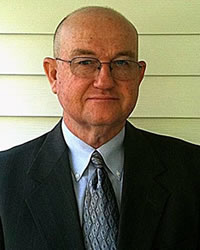
Gary Shepard

A Certified Gospel

Galatians 1:11-24
Gary Shepard December, 31 2006 Audio
0 Comments
Gary Shepard
Gary Shepard December, 31 2006
Galatians 1:11 But I certify you, brethren, that the gospel which was preached of me is not after man.

Sermon Transcript

Auto-generated transcript • May contain errors

100%
If you would open your Bibles
again to where we had our reading in Galatians chapter 1, I was thinking this week when
I was looking at this text, I remember how that my dad and my uncle
and others, when they went about planting corn, they always went
to some trouble to get the right seed corn. And they did that in order to
assure and ensure that there would be a harvest. They wanted
to make sure that the seed was good, and so they always certified
seed. You could see it. There would
be a label or a tag on that bag of particular corn that would
show and say that it was certified free of a certain percentage
of noxious weed seeds and all these other things, and was this
particular type of seed. And you know, the gospel is likened
in the Bible to seed. If you remember in the parable
of the sower, it says that a certain man went forth to sow. And he sowed, and of course the
seed fell on these various types of ground, but he always sowed
the same seed. And this seed, according to Christ
in this parable, is a picture or a type or an illustration
of the gospel, of the Word of God. As a matter of fact, it
says in Luke 8, our Lord says, now the parable is this, the
seed is the Word of God. And over the years, I have been
encouraged as a preacher of the gospel by one verse of Scripture
that has always laid on my mind. I've gone back to it untold hundreds
of times to remember it. And that is a verse that is found
in Psalm 126, where he says, He that goeth
forth and weepeth bearing precious seed. That's what the gospel
is, precious seed. And he says, he that goes forth,
he that preaches it, he that goes forth and weepeth, preaches
it with conviction and with all the heartaches and hardships
that must be faced if we do preach it, If he bears this precious
seed, he shall doubtless come again rejoicing, bringing with
him his sheaf, bringing his harvest with him. The Apostle Paul here and elsewhere
uses expressions concerning the gospel that are exclusive to
him alone. He speaks of my gospel. And there had come some to Galatia
preaching, who in their effort to mix law and grace, they were
seeking to discredit the preaching of Paul by saying that he was
not one of the original apostles, nor did he see the Lord Jesus
Christ, nor was he taught by him. And it is for this reason that
Paul here seeks to certify his gospel and to show its origin
and its source. Look down in verse 11. But I certify you, brethren,
that the gospel which was preached of me is not after man." You see, the good news, the message
that he preached was not of man, but of God. He bore a divine gospel. And he declared good news from
heaven. He preached what God calls in
Isaiah 53, that report or that doctrine that is from God. And so necessary is this particular
gospel, this one word from God that he issues to these people
and to us The sternest warning, look down in verse 6, I marvel
that you are so soon removed from him that called you into
the grace of Christ unto another gospel. And you can find by that
one statement from this apostle that anything other than the
grace of Christ, the gospel of God's grace in Christ. Anything
else and other than that is another gospel, which is not another,
but there be some that trouble you and would pervert the gospel
of Christ. But the weed or an angel from
heaven preach any other gospel unto you than that which we have
preached unto you, let him be accursed. Let him die the death. As we said before, so say I now
again, if any man preach any other gospel unto you than that
which you have received, let him be accursed. And far from being inferior to
what those before him preached, Paul's gospel was in many ways
superior because God had given him further revelation. God had given him a clearer revelation
of His grace in Christ. And he could and did add to what
those who preached before him had said, but they could not
add anything to what he preached. And Paul alone uses the term,
the glorious gospel. He says, in whom the God of this
world have blinded the minds of them which believe not, lest
the light of the glorious gospel of Christ, who is the image of
God, should shine unto them." The glorious gospel of Christ. And then he says again to Timothy,
according to the glorious gospel, of the blessed God which was
committed to my trust." And by this word, glorious, he
means more than we might naturally think. He means the gospel of
the glory. In other words, he means the
gospel of Christ glorified at the right hand of God. He means the glad tidings of
this risen and glorified Savior, because in Paul's gospel, we
see the effects of his glory as well as that of his death
on the cross. He said it's the gospel of the
glory. And it was this risen, this glorified,
this successful Savior, the Lord Jesus Christ, who gave him this
gospel. He says, Whereof I am made a
minister according to the dispensation of God, which is given to me
for you to fulfill the word of God." To fully preach the word
of the gospel. And this was laid upon him to
such a degree as it is to every true gospel preacher that he
said this to the Corinthians. He says, for though I preach
the gospel, I have nothing to glory of, for necessity is laid
upon me. I can't do anything else. Yea, woe is unto me if I preach
not the For if I do this thing willingly,
I have reward, but if against my will, a dispensation of the
gospel is committed unto me." And I think that's the way it
is with every true gospel preacher. He can't do anything else. That's all that he can do. He
can't preach anything else. try as he might sometimes, desire
to as he might in some circumstances. And while Paul preached the gospel
to men, it remained that this gospel, as he says, was not after
man. He says, I certify to you. That means I declare to you. I make known to you that this
gospel that I have preached to you long before these other fellows
ever came on the scene with their message, this gospel is not after
man." Now, what does he mean by that? Well, he means, first
of all, that it did not come from man. Look back in verse
1. His very apostleship was not
some kind of a degree or a title or such as that as men have in
our day that was conferred upon him by some religious body. He was not a preacher because
Mama told him that he ought to be a preacher. He said Paul,
an apostle, not of men, neither by man, but by Jesus Christ,
and God the Father, who raised him from the dead." This message did not come from
man. If you look down in verse 12,
listen to what he says, "'For I neither received it of man,
neither was I taught it, but by the revelation of Jesus Christ."
Where did you get it from, Paul? I got it from the Lord Jesus
Christ. How did you get it, Paul? He
revealed it to me. He revealed Himself to me. If you look down in verse 16,
when you see the second part of that verse, he says, when
He revealed Himself to me, He said that I might preach him
to the Gentiles immediately. I conferred not with flesh and
blood. And that's exactly what the Lord
Jesus Christ said to Simon Peter. The Lord Jesus Christ asked Simon
Peter, who do these people that you're talking about, who do
they say that I am? Those disciples, they said, well,
some say that you're John the Baptist, come back to life. Some
say you're Elijah the prophet or one of the other prophets.
He said, but who do you say that I am? And Simon Peter answered, thou
art the Christ, the Son of the living God. And Jesus answered
and said unto him, Blessed art thou, Simon Barjona, for flesh
and blood hath not revealed it unto thee, but my Father which
is in heaven." You didn't get that from this
one or that one. Because there is no good news
from man. Because all of us are in need
and all are so helpless that if you ever receive any good
news, it won't originate with man. One man said in days past, he
said, in this world, the gospel is the good news, and it's the
only good news I've found. That's the truth. You see, it
does not come from men, this gospel that he preached, not
even the best of men. Look down in verse 17. Neither went I up to Jerusalem
to them which were apostles before me. But I went into Arabia and
returned again unto Damascus." That was a desert place that
he was in. It was in that desert place that
the Lord revealed to him the glory of Christ and taught him
and made known to him this gospel. Then after three years I went
up to Jerusalem to see Peter, and abode with him fifteen days. But other of the apostles saw
I none, save James the Lord's brother. Now the things which
I write unto you, behold, before God I lie not." And afterwards
I came into the regions of Syria and Cilicia, and I was unknown
by face unto the churches of Judea which were in Christ. But
they had heard only that he which persecuted us in times past now
preaches the faith which once he destroyed." He said, I didn't get it from
man. And the true gospel, the gospel that we preach, did not
come from a denomination. It did not come from some seminary
professor or from some old scholar or religious tradition. It is
not something we thought up or a system of theology that we
developed or our opinion, but it is exactly what Paul preached,
and he received it directly from the glorified, enthroned Christ. That's why I don't emphasize
Baptists. That's why I don't speak and
use the word Calvinism or whatever it might be of man's title. That's why I don't refer to it
very much as the doctrines of grace. It is the gospel. And men and women are left in
the face of the gospel to know that it is not something that
I invented, though they may call and sometimes do call it what
Gary preaches. Do you believe what Gary preaches? But if you open your Bible, you'll
see that it's what Paul preached, and it's what every one of us
will face God as accountable for having heard. And it does
not bear the authority of any man but the authority of Almighty
God? It's not what I say, it's what
He says. And Paul's enemies, which were
also the enemies of the cross, the enemies of men's souls, they
pointed to Paul's nonconformity as proof that his message and
ministry were not of God. But this is what really proved
that he was of God. When the Lord Jesus Christ, as
I noted in your bulletin this morning, when his doctrine, when
he was here and there and his fame was spread about, and this
message of who he was and what he had come to do, The men tested
that by this kind of logic. They said, have any of the rulers
or of the Pharisees believed on him? They said, no. Well, he can't
be of God then. He was God. Think about that. They thought they knew everything
about God. They thought they knew the truth.
They thought they were the ones who were telling the truth. And
this is the standard by which they measured Christ Himself.
In the gospel they said, have any of these people believed
on Him? No. Well, He can't be of God.
And yet there He is. God manifests in the flesh. I'll tell you, if you stop and
think about it, and you see a man such as Noah, who's described
in the New Testament even as a preacher of righteousness,
standing there, the only one in his day in the whole antediluvian
world that was standing up and preaching the gospel of righteousness
to that generation, all of whom except his family perished, And he won. All those prophets that were
always about Israel, that these people like Ahab and Jezebel
and such as that, they all loved them. And here is a man by the
name of Amos. Somebody calls him to give a
word as to what the word of the Lord is in this particular situation. He tells it. after all the other
prophets so-called had given the stamp of approval on it.
He tells them exactly what God reveals to him. They said, he's that troubler.
He's that troubler from Tekoa. He had never said anything good
about me. Here's Elijah up on Mount Carmel. Eight hundred and fifty prophets
so-called, false prophets, But they're there in that number.
They have the favor of the king and queen and most of the people. And here's one man by the name
of Elijah. And he stands and tells them
the truth. He calls out on God. And God
comes at His call and consumes the sacrifice and bears witness
that this is the way and the only way that God will save a
sinner and can be just and justify them through this sacrifice upon
whom His wrath falls. This gospel is not of man. It
didn't come from man, and not only that, it doesn't appeal
to man naturally. If I were looking this morning
to have something, a message that would appeal to men and
women naturally, I would have come up with a whole lot of stories,
or a whole lot of things that would make you happy, feel good
about yourself, and such as that, because that's what natural man
naturally wants. But this didn't even appeal to
Paul himself, naturally, at the first. If you look back in verse
13, he says, For you have heard of my conversation in time past
in the Jews' religion, how that beyond measure I persecuted the
church of God and wasted it. I didn't like this message. I
didn't like this Christ. I wasn't interested in the gospel.
As a matter of fact, I was doing everything I could to destroy
it, to erase the name of Jesus Christ from the earth. I was
on my way to cast men and women into prison for believing it
and preaching it. He said, I once destroyed this
gospel. I once destroyed this faith that
I'm preaching. Why is that? Because we're spiritually
dead. Because we cannot see. Because
we do not have a desire, a taste, or an understanding for that
which is of God, that which is spiritual. We are by birth, we
are in Adam, nothing but natural men and women. But the natural
man receives not the things of the Spirit of God, for they are
foolishness unto him, neither can he know them, because they
are spiritually discerned." If I were to come in here this
morning and start to speak to you in German, That wouldn't
mean I could be talking about the most wonderful things. Joe
might understand a little bit once in a while. But we don't have the capacity.
We don't have the desire. We don't have the understanding.
We don't have the life. You see, a man's message depends
upon whether or not he wants to please men or help men. Verse 10, Paul says, For do I
now persuade men, or God? Or do I seek to please men? For
if I yet please men, I should not be the servant of
Christ. Now, if you're not trying to
please me, if you have a gospel, if you are brought to know that
the gospel does not please natural men, as a matter of fact, it's
offensive. To be told I'm dead, to be told
I'm a sinner, to be told I'm lost, to be told I'm helpless,
to be told I can't do this when I want to or that when I want
to, that it's all of God, That's offensive. To be told I'm not
righteous? That mine are like filthy rags? Many years ago, I read something
that an old preacher was quoting of somebody long before that. And he was talking about the
cost the opposition that is involved with preaching the gospel. That preaching that salvation
is all of God's grace, all according to His will, all in the doing
and the dying of Christ. He said you'll find yourself
alone. But he said it's better to be
a lean bird in the wilderness. than a fat bird in a cage. I thought about that a lot. Better
to be a lean bird in the wilderness. That's a free bird, Coach. That's
one that can fly, that can soar, that can tell the truth, that
can preach what God says, regardless. But not a fat bird in a cage. You see, the praise of men, the
gifts of men, the titles of men, they want something in return
for it. You see, it doesn't appeal to
flesh. It doesn't appeal to the intellect
because it's a spiritual message. It doesn't promise wealth or
help or promotion because it has to do with spiritual things.
It doesn't entertain sinners on the way to hell. It doesn't
amuse. It doesn't advance us in the
world. It's not appealing to the natural
man. It's not our idea. It's not our
work. It's the record of God. This
is the record that God has given us eternal life, and this life
is in His Son. Oh, and when we first hit it, here
it is, it grates on us. I had a dear friend named Sam
Robinette in Eastern Kentucky when I was a pastor there. And
he was a dentist. And he told me one time, he said,
I'm going to use this drill. He said, this is the one that
people don't like because it makes such noise and it's so
coarse and it just is the one that people don't like, so therefore
nowadays most dentists don't use it. But he said, if you do it right,
you have to use it, because the other fast, high-speed drills
will drill away good tooth. But he said, this slow old grinder
will only get that decayed bad tooth. It may sound bad, but
it's what's really doing the good. And that's the way the
gospel is. Oh, it just brings us so low,
but that's in order to pick us up. It makes us so dead, but
that's in order to make us alive. It brings us to such bankruptcy,
but that is to reveal to us the riches of God's grace in Christ. What does it do? It's good news
for our eternal souls. Here I am, a young fellow like
me, and I'm looking hard and fast at 60. I can remember thinking
when I was young when I heard of a man turning 40. I thought,
well, he's about gone, isn't he? What's going to matter then? I've already learned to some
degree what this life is. It's not anything, really. Then say, well, be careful, only
that which you do for Christ is going to last. Only that which Christ has done
is going to last. It's a message from God concerning
His soul, His Son, and His salvation. It's a message wherein the righteousness
of God is revealed and displayed and declared. It's good news
that God has saved us, has justified us through the blood of Christ
that He shed on that cross, that God has imputed Christ's righteousness
to all who believe on Him. It's the news that Christ has
redeemed us and paid our sin debt in full and given Himself
a ransom for our sin and satisfied God on behalf on our behalf and
died in our place before His justice. It's good news. God is satisfied. Christ has
died. If you're not a sinner, news
about a Savior is not much you'd be interested in. If you're already righteous, well,
you're just not interested in an imputed righteousness. Righteousness in Christ. If you are in such a state and
standing before God in yourself that you don't need a substitute
or representative or a mediator, what's this to you? You're not really that way. That's
what being deceived is all about. It's what we think we are. It's a message of God's mercy
and grace, of the free gift of eternal life in Christ, the muse
of a remedy provided for our terminally sin-sick souls. But it doesn't appeal to man
naturally. And then it doesn't exalt man. That's one reason why men don't
like it. It doesn't exalt man. Oh, come right on into our church
and join up with us. We've got something for your
children. We've got something for you. We'll make your life
worth living. We'll give you this positive
view on everything." No. Paul, when he preached it, what
does that last verse, verse 24, say? They glorified God in me."
That means they glorified God in what was preached of Him. I've often thought how I pray
that I could be in a measure like John the Baptist, even if
I lose my head. Because when he saw Christ for
that first time, and for as long as he saw him, he pointed his
finger at him and he said, Behold the Lamb of God that takes away
the sin of the world. He saw him the next day. Behold
the Lamb of God. that takes away the sin of the
world. And then they had to say this
of John. They said, John did no miracle. But everything he said about
this man is true. True. You see, the greatest test of
anyone's gospel is who does it ultimately and chiefly glorify. If man were responsible for this
salvation, it would be mainly, if not exclusively, by his works. Man cannot conceive of being
saved by grace, by the grace of God alone, and neither can
he bear the idea of not getting credit for his efforts. It's what everybody's looking
for, a little pat on the back. I feel it sometimes when somebody
who's never been before comes in the door of this building.
I can almost sense oftentimes that what they're wanting to
get from me, what they're wanting to hear from me is always the
one thing I can't give them. I can't say, well, you're probably
all right. You're probably already a good
Christian. You probably already know God. Just come in, sit down
and enjoy yourself. No. Because most likely they don't. I'd be like a doctor. Someone
comes in to me and I can almost look at them take one look at
them, and I know almost exactly what the problem is. And then
by a closer examination, I'm sure of exactly what their problem
is, but I'll say, I think you're all right. Just go home and take
a couple of aspirins. Don't even bother to call me
in the morning. No. You cannot speak peace, peace,
when there is no peace. Man always seeks to get some
credit, some honor, some glory. He retains some degree of boasting
in himself. And for that reason, God says,
For by grace are ye saved through faith, and that of not of yourselves. It is the gift of God, not of
worse, lest any man should boast. When Paul talks in Romans about
how God has done everything, He set forth Christ to be a propitiation
through his blood. He's just and the justifier.
When he says, he's the one who's done it all, they say, where
is boasting then? He says, it's excluded. Tim, if you build a little project
around your house like that bird feeder, you can boast in that
a little bit. You did that. albeit by the grace and help
of God. And you can boast when you make
something or paint something or do something, but not in this
business of salvation. Boasting is excluded. By what law? Of works? No, but
by the law of faith. Turn back to 1 Corinthians 1.
1 Corinthians 1. Look down at verse
23. Paul says, But we preach Christ
crucified unto the Jews a stumbling block, and unto the Greeks or
Gentiles foolishness, but unto them which are called both Jews
and Greeks, cries the power of God and the wisdom of God, because
the foolishness of God is wiser than men, and the weakness of
God is stronger than men. For you see your calling, brethren,
how that not many wise men after the flesh, not many mighty, not
many noble, are called. But God hath chosen the foolish
things of the world to confound the wise. And God hath chosen
the weak things of the world to confound the things which
are mighty, and base things of the world, and things which are
despised hath God chosen, yea, and things which are not to bring
to naught things that are, that no flesh should glory in his
presence." In this particular context, Though it is true in all of the
Lord's people, but particularly true of God's preachers. He said, just to show you how
God's going to glory in this, He's put this treasure in an
earthen pot. Just to show you how no man's
going to glory in this, He's chosen what in the eyes of men
are the lowest, the weakest, the basest, that no flesh should glory in
his presence. But of him are ye in Christ Jesus,
who of God is made unto us wisdom and righteousness and sanctification
and redemption, that according as it is written, he that glorieth
let him glory in the Lord. That's why I can't take the view
some have of righteousness in the sense of our being made
righteous in our persons. Because it says, every time it
says it, that we are made righteousness in Him. There's no righteousness
except the righteousness of God. And none are accounted righteous
in God's sight unless they are viewed by God in Christ. It doesn't exalt men, it addresses
them as sinners, as lost and ungodly. And whether it is faith
or repentance or good works, every bit of that which is truth
is of God. Can't get any glory in believing.
Can't get any glory in repenting. They're both gifts. Can't get
any glory in your good work. It's God who ordained them. But religion has its buildings
and its names and its titles and its offices and its praises. And that's why today's Gospels
are all man-centered and for man and for the glory of man.
But man is never blessed by putting himself first, he is blessed
only by putting God's God first, exalting Him. In Jeremiah he says, Thus saith
the Lord, Let not the wise man glory in his wisdom, neither
let the mighty man glory in his might. Let not the rich man glory
in his riches, but let him that glorieth glory in this. that he understandeth and knoweth
me, that I am the Lord which exercise lovingkindness, judgment,
and righteousness in the earth. For in these things I delight,
saith the Lord." It's not after man in this. It
doesn't depend on man. and usually does, use man as
an instrument to preach his gospel. But his gospel doesn't depend
on man. Sometimes I get the feeling that
some preachers, they feel like when they defend the notion that
no man can be saved without hearing the gospel, that what they're
actually saying No man can be saved without hearing me preach
the gospel. I know that God sent Philip to
the Ethiopian, Peter to Cornelius, Paul to Lydia and others. But I'll tell you this. It seems to me that the Lord
Jesus Christ himself is a pretty good gospel preacher. It seems to me that these apostles
that he used to write this book, they're all gospel preachers.
All par excellence. And so if he sends me to preach
the gospel to any sinner, It gives me responsibility, and
it gives me a privilege. It doesn't depend on me. It will
not fail because of man's weakness, nor can it be thwarted by man's
strength, but it must be advanced by God the Spirit's mighty Word. What does that old hymn say?
All is vain unless the Spirit of the Holy One cometh. I can't give you life. I can't
give me life. I can't give you faith to believe
the truth. I can't give me faith to believe
it. All I can do, or all any gospel
preacher can do, is just like God commanded Ezekiel, Stand
up and preach to dead, dry bones in the hopes that the Spirit
of God will give you life, faith. Verse 15, Paul says of his own case, But
when it pleased God, who separated me from my mother's womb. That's
the mighty choice of grace, not man's decision. And call me by his grace. That's God's mighty call of grace
and not man's will. Man cannot make another man a
minister of this gospel. Men cannot cause it to succeed
or to fail. Men cannot hear it, understand
it, or believe it apart from God, because He's dead. How does it benefit man then? It's not of man. It doesn't appeal
to man. It doesn't exalt man. It doesn't
depend on him. So why preach it to me? Number one, because it glorifies
God. But also because it reveals the
one mediator between God and me. It's because it reveals the one
object of God-given faith, the Lord Jesus Christ. And because
believing through it glorifies God. And because it's good news of
life to dead sinners. Good news of truth for those
in error. Good news of peace through reconciliation
to those at war with God. Good news of mercy to the miserable. Good news of grace to the guilty. Good news that in Christ God
can be just and yet justify ungodly sinners as ourselves. The good
news that He does it only through Christ and what He's done. It's the good news of a finished
salvation. The good news of the gift of
righteousness. the good news of mercy from God. Paul, when he begins this letter, in which he defends his gospel
and his calling, look at what it says in verse
3. He says, Grace be to you, and
peace from God the Father and from our Lord Jesus Christ, who
gave himself for our sins, that he might deliver us from this
present evil world according to the will of God and our Father,
to whom be glory forever and ever. Amen. That's who Christ is. That's
what he came to do. That's what he did. He did it
according to the will of God. He delivered us, and therefore
to him be glory both now and forever. And that's why it's good news. It's news from God that he has
saved us. that He has made us righteous,
that He has put away our sins, that He has loved us with an
everlasting love, that He has redeemed us from the curse of
the law, that He has paid the ransom that was against us, that He
has satisfied God's law in our place and on our behalf. And that God now only looks at
those who believe on Christ with the face of favor and delight
and blessing. I certify to you who hear this
that this is the gospel, that it is not of man. But it is the very gospel that
the Lord Jesus Christ gave through the Apostle Paul, because this
is exactly what Paul says. When God says to his preachers,
preach the Word, he means just exactly that. I can remember a preacher, he
didn't even have to do it because he could memorize it, read a
text of Scripture, Close that book. That was it. Whatever he had to say, in most
cases, didn't even relate to what he read. Preachers say,
well, I'm going to preach from this text tonight. And that's
exactly what they do. They read the text and they keep
preaching farther and farther from it all the time. Because we've got to get to where
men like it. But God's people, will everyone
be brought not only to bow to it, but to thank Him that it's
so. I'm glad God's the way He is.
I'm glad He's done what He's done. I'm glad the Lord Jesus
Christ has come in human flesh. I'm glad He died the death of
the cross. I'm glad he suffered in my place. I'm glad to have his righteousness
and not mine. I'm glad to be saved one hundred
percent, teetotally, absolutely by grace." Well, you, you are. You believe the gospel. And therefore, let us glorify
God. Our Father, we give you glory this morning. We pray that you would take your
precious gospel, this good news to sinners in Christ, reveal
your Son in us. Call us by your grace. Keep us
by your grace. Give us faith. to believe your
gospel, to look to the Lord Jesus Christ, God our Savior, and to
Him alone. We bless you and praise your
name this day. Amen.
Gary Shepard
About Gary Shepard
Gary Shepard is teacher and pastor of Sovereign Grace Baptist Church in Jacksonville, North Carolina.

Comments

0 / 2000 characters
Comments are moderated before appearing.

Be the first to comment!

Joshua

Joshua

Shall we play a game? Ask me about articles, sermons, or theology from our library. I can also help you navigate the site.