Bootstrap
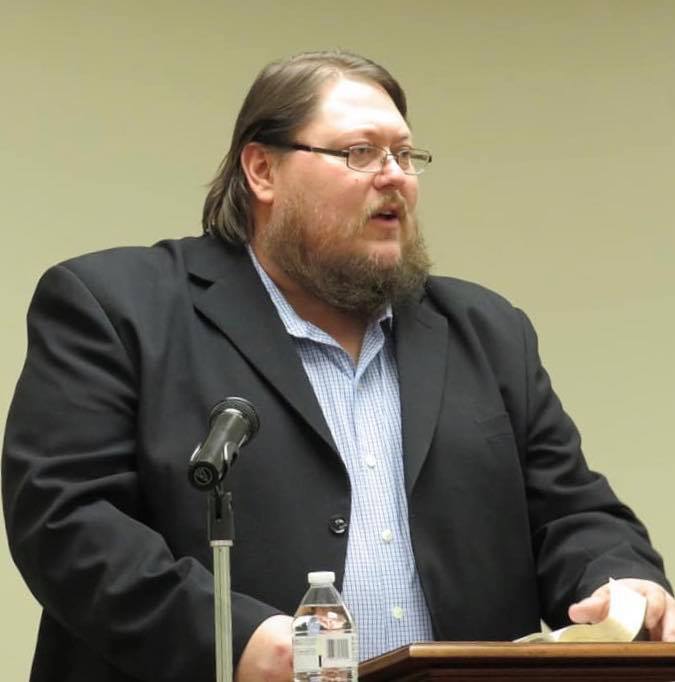
Mikal Smith

Refuting False Gospels Pt 1

Mikal Smith September, 27 2020 Video & Audio
0 Comments
Doctrines of Grace

Sermon Transcript

Auto-generated transcript • May contain errors

100%
I think it's been about a year or so
ago. Maybe longer, I can't remember now. We did this, but I like
to do it every so often. And that is to contrast what
the Bible teaches with what the prevalent quote unquote gospels
are that are out there. There are many false gospels.
The Bible teaches us that there are gonna be many that are gonna
creep in to the churches and they're gonna present false gospels. And there are a lot of churches
out there that just because you go to a church doesn't mean that
that church is preaching correctly. Churches aren't all the same.
And the gospels that they preach are all different. And it doesn't
matter what one person says over another. It doesn't matter what
one denomination says over another. It doesn't matter what one religious
group says over another. It all comes down to what does
God's word say? That is our rule of faith. That
is what we go by. We don't look to the traditions
of men. We don't look to confessions and creeds to be our rule of
order or our rule of worship or the way that we believe or
the doctrines that we hold. But we look to God's Word alone
for our guidance. This morning I would like to,
as I mentioned already, I would like to look at some common phrases
that we hear in these false gospel systems and compare them with
the Word of God. That's what all of us should
be doing whenever we listen, whether you listen to me or whether
you listen to some preacher on TV or the radio or some other
church or whatever, reading a book that he has wrote. Everything
that is said should always be compared with the Word of God
to see whether or not that man is speaking the truth, whether
that's true or not. I'm a human just like anybody
else. I'm susceptible to error, to falsity, just like anybody
else is. And I don't claim to be infallible. There is no human that is infallible,
except the Lord Jesus. But there is nobody that is infallible. And so our trust shouldn't be
in our preachers, our trust shouldn't be in our leaders, our trust
shouldn't be in men. The Bible says that we shouldn't
put our trust in the arm of flesh at all, that we should be looking
to the Word of God. Matter of fact, we have a great
example in the Word of God of the time whenever the Apostle
Paul went and preached in Berea. And those Berean believers, whenever
they heard Paul preach, they did not receive what he preached
as truth until they went home and they searched the scriptures
to see whether or not what he had told them was true. And so,
I mean, we're talking about the Apostle Paul here. They didn't,
they weren't gonna believe just anybody. And the Bible says that
they were more noble than other groups of people, the Thessalonians
in this case. They were more noble in the fact
that they went home and did that. They went and searched the scriptures
to see whether these things be true. And I always encourage
you, anybody watching through Facebook Live or listening on
Sermon Audio, I encourage you to weigh what I say with the
Word of God. It may not fit your traditions,
it may not fit your theological scheme, it may not fit your group
or denomination that you may be in, but compare it to God's
Word, and if it is truth as in God's Word, then let us lay aside
those traditions, lay aside those man-made wisdom schemes, and
let us hold what God says. So, what I did is I basically
I've listed out several phrases. Now, a little background, I used
to preach and teach these very false gospels. Okay, so I'm very
familiar with them. I'm very familiar with the language,
I'm very familiar with the intent of what they mean. I'm very familiar
with how preachers and evangelists use these phrases in leading
people, quote unquote, to the Lord, when we're not really leading
them to the Lord at all. But having preached those things
and taught those things, and the Lord has brought me to correction
in that and reproof, Now I see that the things that I once preached
a long time ago are in error, and I had to submit to what God's
word said and not what my upbringing, not what my pastor, who I love
dearly, or the church that I was attending, who the people there
I love dearly, my family, who I also love dearly. I had to
reject the things that they said that were untrue and believe
what God said. And sometimes that's not an easy
thing to do. And so we should look to the
Lord Jesus. The Bible said that whenever
Jesus comes and he is, you become his disciple, that that truth
is going to bring division because there are going to be people
that do people that doesn't believe it. So let's contrast a few of
these phrases. You've probably heard some of
these phrases before. on TV or maybe at other churches
or things like that, but let's compare them with God's Word
and see. And if they're false, we ought to not use them, right?
If they're false, if they're not in accordance with God's
Word, we should stop thinking that way, we should stop believing
that way, we should stop preaching that way, right? Well, the first
phrase that I wrote down is I came to Jesus of my own free will. I came to Jesus of my own free
will. Now, I've heard that. I used to believe that, preach
that. I used to think that, that I came to Jesus by my own free
will. But we want to know what does
the Bible say about that? Is that true? If you're a Christian
today, did you come to Jesus of your own free will? Well,
look there with me in John chapter 5. John chapter 5, and I'm going
to begin reading at verse 36. This is Jesus speaking. He says, but I have greater witness
to that of John for the works which the father have given me
to finish the same works that I do bear witness of me that
the father has sent me and the father himself which has sent
me hath borne witness of me. You have neither heard his voice
at any time nor seen his shape. and ye have not his word abiding
in you. For whom he hath sent, him ye
believe not. Now remember these religious
leaders and people were claiming to be children of God. The religious
leaders claimed to be leaders of God, but yet they did not
believe what the scriptures taught about Jesus and him coming as
Messiah. They did not believe the words
that Jesus was preaching. Jesus said in verse 39, search
the scriptures for in them you think you have eternal life and
they are they which testify of me. So all the word of God testifies
of Jesus Christ. But look what he says in verse
40, and you will not come to me that you might have life. Now, what is Jesus saying that
saying to these men? These men have been reading the
Bible, these Pharisees, scribes. These are legal men in the law
of God. They constantly study, study,
study, study the word of God. But yet they had completely missed
it because they didn't have the spiritual understanding of God's
word. They only had the reasonings
of men and not the reasoning that comes from the spirit of
God. And so in their human reasoning, they thought that they had eternal
life by searching the scriptures and gaining knowledge of the
scriptures. They thought because of their knowledge of the scriptures,
they were born again. They thought because of their
keeping the scriptures, that they were saved. But Jesus here
said, he will not come to me that he might have life. That
was a statement of fact that Jesus made. You will not come
to me. Now, we're going to see why here
in just a minute, but this is a statement of fact, and it's
a statement of fact not only to those religious leaders, but
it's a statement of fact of everyone who is born of Adam, who are
natural, who have a nature that wants to defy God, that doesn't
want the God of this Bible, that doesn't want the gospel of this
Bible, That nature, the Bible says, is that enmity against
God. Whether you think it is or not,
you may not be in enmity with the God in your mind that you
think God is, but whenever you come to terms with the God that
is revealed in Scripture, then we have enmity in our human nature
towards God. The Bible says that we were enemies
of God. We didn't like God. We didn't
want Him. We didn't want to be what He wanted us to be. And
so Jesus here is saying that there is an ability issue because
of our nature, because of our nature being a nature that is
at enmity with God or an enemy towards God or a dislike towards
God. There is no love for God, the
true God. Then we will never come to him
because we don't find anything about him pleasing. Attractive. There's nothing that
we find attractive about God in our own nature. We have to
be given spiritual life with the spiritual nature and God
shed his love abroad in our heart that we might love him. Scriptures
say that we love him because he first loved us. It was because
God shed abroad his love towards us first. And in that we love
him. And so I came to Jesus of my
own free will. Does not line up with the word
of God whenever it says here, Jesus said, you will not come
to me that you might have life. It's an ability, it's a natural
ability, we have a natural inability to come to Christ because our
nature does not want Him, does not care for Him. Now look, if
you would, over just a chapter over at chapter 6, John chapter
6. And look with me, if you would,
at verse 44. Again, Jesus is gonna make a
statement of fact here about the inability of man in their
natural nature. Verse 44 says, no man, how many
is that? No man. That would be no man,
right? No one, nada, not one person,
man, woman, child, no man. Can, what's the word can mean? That's a statement, that's a
word of ability, right? You either can or you can't. And here he's saying no man can,
which means all men can't. Right? If no man can, then that
means that all men can't. No man can come to me. That's a statement of fact. He
just said that in the passage we read before. You will not
come to me. Why? Because you don't desire
me. You don't have any longing for
me. But there is only one exception,
right? The word except is there. So
that means that no man can accept There's only one exception. The
only way that anyone comes to Jesus Christ is except the father,
which has said Jesus draw him. You have to be drawn by God. That's the only way you will
ever come to Jesus. Don't think that you'll just
come to Jesus anytime you want to of your own free will. The
only time that you come is whenever the father draws you to Christ. He says, and I will raise him
up at the last day. Now. The question is, is who
are the ones that the father draws? Does he draw everybody? Look, if you would, back over
to 37, verse 37 of chapter six. Now remember, no man can come
to the Father except the Father draw him. Okay. So you're not a coming. You don't
have any ability, spiritual ability to want or come to Christ. But
look at verse 37. All that the Father giveth me
shall come to me. Now here we see there are some
people that are coming to Christ. Who are the ones coming to Christ?
Well, we know that it's only the ones that the Father draws.
So who are the people in view here? All that the Father giveth
him. All that the Father hath given
me shall come to me, and him that cometh to me I will in no
wise cast out. Good morning, fellas. Come on in. Y'all doing alright today? We're in John chapter 6 right
now. We'll be looking at several verses. Looking at the subject of refuting
false gospels. Refuting false gospels. Kind
of a quick recap, I was mentioning to the church here that there
are many phrases that we hear on radio and TV and preachers
all around that I've preached before in my past, but many things
that we hear in the quote-unquote gospel messages But we want to
line those up with the word of God to see whether or not they're
true because we want to be correct according to God's word and let
that dictate our doctrine. Let that dictate our gospel and
what we preach. And so we've been looking at
that. And the first phrase that we're looking at is that I came
to Jesus of my own free will. That's something that I used
to say all the time whenever I was a younger man. is that
I came to Jesus of my own free will. And we've seen in John
chapter five and verse 40, Jesus has made a comment to the people
there that he was talking to. Matter of fact, it was the 5,000
that he fed. There was also some of the religious
leaders that were a part of that as well. But he was mainly speaking
to the 5,000 there. And he told them that you will
not come to me that you might have life. So we're speaking
of a nobility, they will not, they don't have a desire to come
to them because they have an enmity towards God in their natural
nature, in their Adamic nature, we have enmity towards God. And
now we're in John chapter six and verse 44, where we see Jesus
speaks the same thing again, just in a little different language.
He says, no man can come to me. And that again speaks of a nobility,
right? You know, I cannot jump up on
the roof of this building. Okay? Now that's speaking of
my ability, right? I cannot. I can eat all them
donuts. That speaks of my ability. Okay? I know that I can eat all them
donuts. That's my ability. But if I say
I cannot jump on this roof, that's speaking of my ability. I don't
even know if I can jump up on this chair. But Jesus here clearly states
that no man, and as I said to the folks just a minute ago,
no man also means, if no man can, then that means all men
can't. If no man can, all men can't, come to me. Except the
Father which has sent me, draw him. So the only way that anybody
comes to Christ is by the drawing of the Father. And as you guys
were walking in, the question I was asking everybody is, who
is it then that the Father draws? Does he draw everyone alike everywhere? Or is there only a certain group
of people that he draws? So no man can come, so if they
do come, it's only by that exception, which is the Father drawing them.
And right before Jesus spoke that, he made very clear to them
in verse 37, all that the Father giveth me shall come to me. So
the word of God qualifies and quantifies who is coming. It qualifies those who have been
given to Christ and only then. And it quantifies them and them
alone. To the exclusion of all others,
that's the law of exclusion. If the Bible says that it's only
those that have been given to the father, that's to the exclusion
of everyone else who has not been given by the father. OK,
all that the father giveth me shall come to me. And him that
cometh to me, I will let no wise cast out. Why? For I came down
from heaven, not to do my own will, but the will of him that
sent me. And this is the Father's will.
You want to know what the Father's will about this matter is? Well,
here it is. This is the Father's will which
he sent me, that all which he hath given me. Now that goes
back up to 37, those people that come to Christ, right? All that
the Father giveth me, I should lose nothing. Now let's
think about that for just a minute. If Jesus is not going to lose
any that the Father gives Him, that means that every one of
them are going to be saved, right? If any is lost, then Jesus did
not do the will of the Father. He did not succeed as Messiah. He did not succeed
as the Savior. He needs to change his name from
Jesus, because the Bible said that he shall call his name Jesus,
for he shall save his people, his people, the ones given to
him, from their sin. The whole reason he was called
Jesus was because he was called Savior. And if he doesn't save
all those for which God had given him, then he is not a Savior.
He's a failure. The Father's will, and we know
that the Father's will, the Bible says that He does all His pleasure,
right? That His will will be done among the inhabitants of
the earth and in heaven. His will is gonna be done. And
the Father's will was that Jesus come and save and lose nothing
of all that had been given to him, but should raise it up at
the last day. So everyone that was given to
Christ by the father. Will be saved and will be raised
up at the last day. Verse 40, and this is the will
of him that sent me again that everyone would see the son and
believe upon him may have everlasting life and I will raise him up
at the last day. So, the phrase, I came to Jesus
of my own free will according to John 5.40 and John 6.44 is
in error. Look if you would at verse 65
of John 6. Jesus reiterates this. In verse 6-2, Jesus says, What
and if ye shall see the Son of Man ascend up where he was before? It is the Spirit that quickeneth,
or brings to life, the flesh provident nothing. The words
that I speak unto you, they are Spirit, and they are life. But
there are some of you that believe not. For Jesus knew from the
beginning who they were that believed not, and who should
betray him. See, Jesus already knew those
people that were his and those who were not his. And he knew
the ones who was not going to believe on him. Verse 65, and
he said, therefore, said I to you, so the fact that he knew
who would believe and who wouldn't believe Jesus said, therefore,
the reason that I said that no man can come unto me except it
were given unto him of my father. That's the reason he said that
is because he knew that there were some that was given to him
and some that was not given to him. And only the ones that were
given to him would be the ones that the father would draw and
that Christ would save. But look at verse 66. From that time,
many of his disciples went back and walked with him no more.
Then Jesus said unto them, the twelve, will ye go also? Simon
Peter answered, Lord, to whom shall we go? Thou hast the words
of eternal life. And we believed and are sure
that thou art that Christ, the Son of the living God. Jesus
answered them, have not I chosen you, twelve, and one of you is
the devil? He spake of Judas Iscariot, the
son of Simon. For he it was that should betray
him, being one of the twelve. So here we see that the very
doctrine that Jesus was preaching here of this choosing of God,
who will come and who will not come, was something that many
of the disciples or the false disciples that was following
after Jesus, whenever they heard that, they said, forget that.
Matter of fact, up in verse 60 it said, many therefore of his
disciples when they had heard this said, this is a hard saying
and who can hear it? And I'll admit it is a hard saying.
It's hard for me to preach it sometimes. It's nice whenever
I'm in a group of people that all believes this stuff. It's
easy to say that, but whenever you're speaking to people that
may not believe this, it's a hard thing for us to preach. But yet
we have to speak the truth. If we truly love people. Let
me just make a side note on that. A lot of people that's watching
from Facebook Live or listening to Sermon Audio, they may think,
you know, you guys, a lot of times, spend a lot of effort
and time into negativity. Always pointing out other people's
wrongness, other church's wrongness, or other gospels that are wrong,
and everything like that. And it isn't because we just
want to be negative, okay? We do it because we love people.
We do it for the sake of God's sheep. God's sheep are out there
and this is the message that God has ordained for them to
hear and believe and to come to Him. That's how he draws them,
is through this gospel. And whenever he gives them the
ears to hear that, they hear that. And that's the food that
they feed upon. That's what draws them. That's
what brings them to Christ. That's what shows them their
need for Christ. And that it shows them a finished
work of their salvation by Christ. And so the gospel is good news
to those that have been given ears to hear and eyes to see.
to believe on these things. And so we preach these and teach
these things because that is what is calling the sheep in. But we also teach these things
to warn the brethren of things that are false. Listen, how many
churches do you think there are here in Joplin? I'd probably
say at least 100, maybe more. Count the surrounding suburbs
and areas around here, probably way more than that. And they're
all not saying the same thing. Many of them are preaching a
false gospel. Contrary to what we just read
right here. And I'm not talking Baptist. I'm not talking Sovereign Grace
Baptist. I'm not talking about, you know,
any theological system or anything like that. I just read to you
what Jesus said. And either he meant those words
or he didn't mean those words. Either the English language has
something about it or it doesn't. I mean, the words say what they
say. And he says that no man can come unto me except it were
given unto him of my father. So for us to say, I came to Jesus
of my own free will is ignorant, ignorance of what God's word
teaches. We should renew our mind We should
repent of those false things and speak what the Bible says.
The Bible says that we came to Jesus by the drawing and the
enabling and the choosing of God. Now, the second one we see,
and my little list here of false gospel phrases is, I let God
save me. You know, I finally broke down.
God's been chasing me all these years, and I finally let God
save me. Do we let God save us? Let go and let God. Is that the
phrase that we hear all the time? Well, look in Psalms 115, if
you would. Psalms 115. We're gonna look, starting in
verse one, but particularly verse three. It says, not unto us,
O Lord, not unto us, but unto thy name give glory, for thy
mercy and for thy truth's sake. See, the glory shouldn't be upon
what man does. I came to God out of my own free
will. That's giving man the glory. I let God save me. That's giving
man the glory. But here the psalmist says, not
unto us, O Lord, but unto Thy name give glory, for Thy mercy
and for Thy truth's sake. Wherefore should the heathen
say, where is now their God? Now here it is, verse 3. But
our God is in the heavens. He hath done whatsoever He hath
pleased. Now that sounds like to me that
you don't let God do anything, He does what He pleases. Look at Psalm 135. While we're
hearing the Psalms. 135. Starting in verse five, it says,
for I know that the Lord is great and that our Lord is above all
gods. There's the little g, which are
no gods at all. If you read the rest of scripture,
you find that the Bible says that those gods that are worshiped
in other places under other names and everything like that is not
really gods at all. They have, matter of fact, I'll
read it here in just a minute. Verse six, whatsoever the Lord
pleased, that did he in heaven and in earth, in the seas and
the deep places. He causes the vapors to ascend
from the ends of the earth. I mean, any of y'all get out
early in the morning the last few days, see all that dense
fog? I was going to work down in Fayetteville
the other day, And there's that spot right down where you come
down right there by, oh, what's the, right there around Anderson,
the river that goes right there through there, that goes into
Knoll, that river that goes into Knoll. I forget the name of it. Anyway, you're going down to
that bridge. As I was coming down that hill
and seeing that bridge down there, I mean, there was just a dense,
thick layer of fog. I mean, you couldn't even see
nothing. That was there. Where did it come from? Right
here. He causes the vapors to ascend from the ends of the earth.
Now some people are going to say, well, that's because of
the humidity and the amount of, you know, water in the air and
all that kind of stuff. OK, yeah, that might be your
scientific way of explaining it. But the Bible says that he
caused that to happen. He caused the humidity. He caused
the water in the air. He caused it to all come together
into a clump and form a giant cloud that was hovering around
the ground. He caused the vapors to ascend
from the ends of the earth. He maketh lightnings for the
rain. He bringeth the wind out of his
treasuries. Remember that tornado that ripped
through Joplin a few years ago. Where did that wind come from?
It came out of his treasuries. came from God. That old ding
dong that wrote I can't remember nothing that's going on. That
wrote the purpose driven lives, the
purpose driven church. That after the hurricane came
down in Louisiana, was on It's a day show or one of those morning
programs. And he said, God didn't send
that the hurricane had a will of its own as a preacher, professing
preacher on the air had all opportunity to share God in front of everybody. And he said the hurricane had
a will of its own. Might as well said Mother Nature
did it. Whenever those things happen,
the Bible says that it came from his treasuries. Who smoked the
firstborn of Egypt, both of man and beast? Who sent tokens and
wonders in the midst of thee? O Egypt, O Pharaoh, upon all
his servants. Who smoked great nations and
slew mighty kings? Shihon, king of Amorites, and
Og, king of Bashan, and all the kingdoms of Canaan, and gave
their land for an heritage, and a heritage unto Israel his people.
Here, verse 13. Thy name, O Lord, endureth forever,
and thy memorial, O Lord, throughout all generations. For the Lord
will judge his people, and he will repent himself concerning
his servant. The idols of the heathen are
silver and gold, the work of men's hands. They have mouths,
but they speak not. Eyes have they, but they see
not. They have ears, but they hear
not. Neither is there any breath in their mouths that they make
them They that make them are like unto them. So is everyone
that trusteth in him. Bless the Lord, O house of Israel. Bless the Lord, O house of Aaron. Bless the Lord, O house of Levi,
that fear the Lord. Bless the Lord, blessed be the
Lord out of Zion, which dwelleth at Jerusalem. Praise ye the Lord. To me, that sounds like a God
who has everything in control and doesn't have anybody letting
him do anything. He does as He pleases. Look back,
if you would, to Psalm 110. Psalm 110. We'll look at starting in verse 1. It said, the Lord said unto my
Lord, sit thou at my right hand until I make thy enemies thy
footstool. Now, there is a lot to be said
about what he's talking about here. It's probably not what
you think it is, but I don't have time to get into it today.
But the enemies that are the footstool of Christ are not what
you think they are. Says the Lord shall send the
rod of thy strength out of Zion. Rule thou in the midst of thine
enemies. Here it is, verse three. The
law are thy people shall be willing in the day of thy power in the
beauties of holiness from the womb of the morning thou has
to do with our youth. So here we see that the people
are made willing in the day of his power. That's why we said
no man can come to the father or to Christ except it be given
him. What's given to him? The power
to come, the ability to come, because his natural ability from
Adam is enmity against God, hatred towards God. I don't like that
God. You know, that's not my God. I don't want to do what he says.
I don't like what he says. I don't like his Bible. I don't
like his churches. I don't like those things. That's
because we are enemies of God, whether we think we are or not.
You know, I know a lot of people who are unbelievers. Matter of
fact, I've got friends who used to go to church with me a long
time ago, and now that they've gotten older and gone through
college and things like that, they now profess that they're
atheists. Of course, I don't believe in
atheists. They don't believe in God, but I don't believe in
them because the Bible says that God has put it in the heart of
every man to know that God exists. And so I trust what God says.
They may be fooling themselves, but they believe in something. But I do have some friends that
have now become atheists. And I tell them, I said, you
know, you know, whenever I speak about these things that, you
know, you're just enemies of God. I said, well, even if there was
a God, I'm not an enemy of him. You know, I'm not an enemy. It's
not that I don't like God and everything, I just doubt that
He exists. Okay, well, they might not think that they're enemies
of God, but they are. They are enemies of God. But here it says, the people
shall be willing in the day of thy power. Those who come to
Christ, we come willingly, right? Every one of you that's professed
Jesus Christ, didn't you feel that you wanted to go to Him?
Desire to go to Him? Cry out to him for mercy. Ask
him for forgiveness. Ask him to save you. I mean,
nobody forced me with a gun or a ball bat or anything like that
to go and do that. I did that willingly. Now, does
that contradict what we said a while ago when I came to Jesus
in my own free will? No, it doesn't contradict that
at all. Did I come willingly? Yes, but it wasn't of my own
free will. It was God who made me willing.
How did he make me willing? Well, the way that he makes us
willing is by giving us a new heart. He gives us a new heart. We'll get to that here in just
a few minutes, but he gives us a new heart, a new nature to
know God, to understand the spirit of things. We are dead in trespasses
and sin. We are spiritually dead to God. We don't have any spiritual life.
But whenever he he causes us to be born again, then We have
spiritual life and the Bible says that he has sent that spirit
in us so that we might know the things that are freely given
to us, that we might know of our need for Christ and that
we might come to him for mercy, which, by the way, that mercy
he had already given us. But we are just experiencing
these things. OK, so according to these verses,
I don't see anything that agrees in God's word with the phrase.
I let God save me. God saved me of his own choosing.
God saved me in his own time. And God saved me by his will
and power and not by my own. Third phrase we see is I found
the Lord. I hear this a lot, especially
in songs and things like that. But look with me quickly at Luke
chapter 15. Luke chapter 15. Matthew, Mark,
Luke, John. Get John. Put it in reverse.
Go back. Luke chapter 15. Luke chapter 15, I'm going to
start reading in verse 3. It says, And he spake this parable
unto them, saying that the scribes and Pharisees were all there,
along with his disciples. And if you remember, the reason
that Jesus spoke in parables wasn't so that people might learn
easier. Matter of fact, Jesus told the disciples whenever they
asked him why he speaks in parables, he said, I speak in parables
because you know these things, but they don't. I speak these
things so they don't understand. But Jesus, he says, what man
of you having a hundred sheep, if he lose one of them, doth
not leave the ninety and nine in the wilderness and go after
that which is lost until he find it? And when he hath found it,
he layeth it on his shoulders, rejoicing. And when he cometh
home, he calleth together his friends and neighbors, saying
unto them, Rejoice with me, for I have found my sheep, which
was lost." Now, who's the one that's finding who? This is Jesus
finding His sheep, right? Not us finding Him. Matter of
fact, the Bible says that no man seeketh after God. No man cometh unto me except. So nobody's out there looking
for Jesus or searching for Jesus. They might be searching for some
religious experience. They might be searching for something
to ease their conscience. They might be searching for something
to make them more look respectable in their community. But they're
not looking for Christ. They're not looking for God.
God's looking for them if they're His. Look while you're there
in Luke chapter 19. Luke chapter 19 in verse 10. Jesus says, For the Son of Man
has come to seek and to save that which was lost. Now just a side note, in case
you guys, anybody that's ever listened to me preach for a certain
amount of time, you've heard me say that not everybody in
this world is lost. We speak of those who are unbelievers
as they're the lost. But the ones that are lost are
only the elect of God. They're the only ones that are
lost. Those who are not given to Christ, those who are not
the elect of God, they're not lost. They are made for the purpose
which God had made them, and they continue in the nature that
God made them in, that nature of Adam. And they're fulfilling
the purpose that God had made them for as vessels of dishonor,
as vessels of wrath. but yet the child of grace in
Adam was lost in the sin of death. And so it's only the elect of
God who are truly the lost and every one of those lost will
be found. The Son of Man has come to seek
and to save that which was lost. And if you remember, we read
in John chapter six that the will of the father was that he
not lose any. So Jesus is going to be successful. He's going to accomplish that.
He's going to seek and save every one that has been given to him. Not one. There will not be one
person in hell that was given to Christ and that Christ died
for. Everyone for whom Christ died will be saved. Now, the phrase, I found the
Lord, we find here two witnesses in scripture that completely
refute that false gospel. So we should repent of that,
turn from that, quit saying that. Number four. What time is it? Number four. We'll do just a few more here
and then we'll be done. The phrase I accepted Christ. I accepted Jesus as my Lord and
Savior. Now I just preached several messages
on accepted in the beloved a few months back. Hopefully you've
retained what I preach. But turn with me if you would,
to Ephesians chapter one. 1 and 2 Corinthians, Galatians,
Ephesians. There's some weird thing that
Gabriel Gonzales uses to remember the order of these things. Something
about A's that I don't remember. C-G-E-P. He's on there because
he'll put it on there. Ephesians chapter 1. So, we're looking at, is the
phrase, I accepted Christ, biblical? Is that in accordance to God's
Word? Now, we know it's preached all
over the place. I know that I've said it. I have preached it in
the past. I have said it in the past. Come
to the altar and set Jesus as your Lord and Savior. I've said
that. But I thank the Lord that He
has taught me the error of my ways and has given me the truth
And that's what we want. We want to speak the truth in
love, right? Look, if you would, at verse
2. Grace be to you and peace from
God our Father, from the Lord Jesus Christ. Blessed be the
God and Father of our Lord Jesus Christ, who has blessed us with
all spiritual blessings in heavenly places in Christ. According as
he has chosen us in him, before the foundation of the world that
we should be holy and without blame before Him in love. Okay,
so that's God's work on behalf of us before anything was ever
made. But look at verse 5. Verse 6. Having predestinated us under
the adoption of children by Jesus Christ Himself according to the
good pleasure of His will. See there, it wasn't according
to the pleasure of my will, it was according to the pleasure
of His will. He made me willing in the day of his power. Verse
six, to the praise of the glory of his grace, wherein he hath
made us accepted in the blood. And as I mentioned in our sermons
on this particular phrase, the question is not have you accepted
Jesus, but has he accepted you? That's the question. The question
isn't whether or not I've accepted Jesus as my Lord and Savior,
but as Lord and Savior, has he accepted me? And he doesn't accept
us upon our works. He doesn't accept us on how good
we are, how much we pray or read the Bible, whether we drink,
whether we carouse. Again, the Bible has a lot of
things to say about some of those things. He doesn't accept us based upon
how much money we give to the church. He doesn't accept us
about how much knowledge we have of God's Word, how good of a husband or a father
or a preacher or what. He doesn't accept us on that.
He accepts us in the beloved, based upon the merits of Christ.
We are accepted because Christ stood in our place, substituted
for us, And as the one who the father gave us to him, he represented
us before God and took all the wrath of God for our sin. He
died in our place so that we might have his righteousness
laid to our account. And so we are accepted by God
because of the work of Christ, not because of our choice, not
because of our decision, not because of our coming to the
front of a church, shaking the preacher's hand, filling out
a card, going through the baptistry. Those things are good. The Bible
tells us that we are to confess our faith, and we do that through
immersion in baptism, and that we are to be joined to a local
church for instruction and edification under the Word of God. The Bible
teaches those things and commands us to do those things if we're
His disciples. But we were never accepted We
never accepted Christ, He accepted us. And that very well can go
along with, I have decided for Jesus. We don't decide for Jesus,
Jesus decides for us. Look back up there in verse three
if you would. Or excuse me, verse four. According as He hath chosen
us in Him before the foundation of the world. If you're a child
of God, Have you realized that God chose you to that before
you were ever born? Before anything was ever created?
He chose you. The Bible says that He loved
you with an everlasting love. So, I accepted Christ, or I decided
for Jesus. These are false according to
God's Word. As a matter of fact, look at Jeremiah 31. Jeremiah
chapter 31. I just quoted this verse, but
I want you to read it here. Because we were just looking
at some verses saying that no man can come except the father
draw him right. The only way anybody comes to
Jesus. is by the Father drawing him.
So all these phrases basically are very synonymous with each
other. I came to Jesus my own free will. I let God save me.
I found the Lord. I accepted Jesus. I decided for
Jesus. But all the while, God is saying
no man can do that except the Father draw him. Well, look at
Jeremiah 31 in verse three. The Bible says the Lord hath
appeared of old unto me saying, yea, I have loved thee with an
everlasting love. Therefore, Meaning, in light
of the fact that I have loved thee with an everlasting love,
I have drawn thee. With loving kindness have I drawn
thee. So God draws us by his loving
kindness. So no man accepts Christ, no
man decides for Jesus, because it's God who does that. and He
draws us. Now the next phrase, I let Jesus
come into my heart, is kind of the same as I let God save me,
right? I let Jesus come into my heart. Well, we could use
those verses that we used on I let God save me, but particularly
here, how many of you said, would you just open up the door of
your heart and let Jesus in? Or have you heard someone say,
Jesus is knocking on the door of your heart? But if you'll
open up, He'll come in. Some may just say, well, yeah,
preacher, I do believe that because the Bible says that. It says,
behold, I stand at the door and knock and if any man open up,
I will come in and suck with him and eat with me. Don't you
believe that, preacher? Absolutely, I believe that. But
you know who he was talking to there? He wasn't talking to individual
peoples about salvation. He was talking about continual
fellowship as the witness of God, as a church of God. He was
saying that to the churches in Revelation, whenever he was writing
to the churches in Revelation. Those churches who have disregarded
Christ and have taken over the church and running it the way
that they see fit. The Bible says that Christ is
knocking on the door of the heart of the church. And he said that
He will come in and sit with us and we with him. He's not
talking about salvation there. But if you look with me at Ezekiel. Chapter 36. This is what the Bible says about.
Us. Just give your heart to Jesus,
let Jesus come into my heart. You have to let Jesus, accept
Jesus into your heart. Let Jesus into your heart. Give your heart to Jesus. Now again, remember what we're
looking at. We're looking at the common phrases
that are in gospel messages around our community, around the world,
on TV, radio that we hear. Everyday bombarding the airwaves,
bombarding our ears. This gospel that is being proclaimed
by almost everyone that's out there. And we're comparing it
with what the Bible says. What does the Bible say? Ezekiel chapter 36, look with
me if you would. at verse 25. It says, Then will
I sprinkle clean water upon you, and ye shall be clean from all
your filthiness, and from all your idols will I cleanse you.
And here it is, verse 26. A new heart also will I give
you, and a new spirit will I put within you. And I will take away
the stony heart out of your flesh, and I will give you a heart of
flesh. and I will put my spirit within
you and cause you to walk in my statutes and ye shall keep
my judgments and do them. So is this I let Jesus come into
my heart or did Jesus come in and kick down the door and took
my heart out and put in a new one? You know? I quite often say that to a lot
of people whenever I hear, you know, sometimes I'll talk to
people at work and things like that and they'll say, you know,
have you asked Jesus into your heart or have you opened up the
door of your heart to Christ, something like that. I say, no,
I refuse to not open up my heart to Christ and he knocked it down.
He kicked that door down and he came in and saved me. What does it say here? Who's
the one doing all the work here? It's not us. doing it to him. Oh, here, I give my heart to
you, Jesus. No, it's Jesus saying, I will come out and I'm going
to take out that part of stone that is hardened. That's, again,
this is imagery, you know, Christ didn't really come in when we
were saved. I mean, people that may not have ever been in church,
and things like that, they may hear some of the things we say
and think, my goodness, these people are weirdos. Jesus didn't
come in and rip my heart out and put in another B blood vessel
pumper. Okay. No, what he's talking about,
he's talking about imagery things. That heart that as I said earlier,
you will not come to me that you might have life or no man
can come. Why? Because our heart is hard
towards God. It's an enmity towards God. We
have a hardened heart towards spiritual things. It's not alive.
It's dead as stone. But yet Jesus said in grace,
he will come and he will take out that hard heart that cannot
feel towards God and put in a heart of flesh, one that can feel towards
God. And he will put a spirit in you
that will prompt us and cause us to walk in his statutes and
keep his judgments. See, it's Christ that does all
that, not us. So the phrase, I let Jesus come
into my heart, it's a false phrase. We don't let Jesus come into
our heart. He comes in His own time frame, and He takes that
old part of ours out and gives us a new one. And He doesn't renovate your
old heart, by the way. He doesn't renovate the old one. Seventh phrase here, I was saved
because God did His part, And I did my part. You ever heard
that? Oh, there's an old phrase, if
I can remember it, that Jesus cast his lot, the devil
cast his lot, and I broke the tie or something like that. Look if you would, look over here at Jonah chapter
three. Amos, Obadiah, Jonah. If you get the mic up, back up. It's a short book. Jonah chapter
three, verse nine. I was saved because God did his
part and I did my part. The theological term for that
is synergism. Synergism. Two parties or multiple parties
working together for a common accomplishment. Listen, I used
to preach that Jesus died on the cross and made salvation
possible. All you need to do is fill in
the blank. That's not how salvation works,
brethren. Jonah chapter 3 and verse 9. I think I might have got the wrong verse
here. Who can tell if God will turn and repent and turn away
from his fierce anger that we perish not? God saw the works.
Oh, that's not the one with the woman. I'm fat fingered with my keyboard. There it is, 2-9, chapter 2-9. It says, but I will sacrifice
unto thee with the voice of thanksgiving. I will pay that that I have vowed. Salvation is of the Lord. Salvation is of the Lord, it's
not of you and the Lord. Used to sing an old gospel song
back when I was in Southern Gospel. Just you and me, Jesus. That's all Jesus. It's all Jesus. The eighth one. Your part of salvation is believing
in Jesus. Jesus has died for you and provided
all that salvation can give you. All you need to do is believe.
You'll just believe on Him. So is your part in salvation
believing in Jesus? We'll turn again back to the
book of John, chapter six, verse 29. John chapter 6 and verse 29.
Actually, let's look at verse 28, starting with verse 28. Then
said they unto him, what shall we do that we might work the
works of God? See, the immediate thought of
natural man is what can I do? What do I need to do? Let me
do it. So I can get the glory from him.
Let me do it. Let me do it. And so the immediate
thing, whenever they wanted to know what they needed to do to
be saved, they said, well, what must we do to do the works of
God? And Jesus answered and said unto them, this is the work of
God that you believe on him whom he hath sent. Do you believe
just whenever you want to believe? No, it's the work of God that
you believe. It's God working in you to believe. Our faith comes by him working
in us to believe. See, there are no works that
you can do for salvation. That's why Jesus didn't say,
well, the work of God, this is the work of of you. This is the
work that you are to do of God that you believe. Now, he said
this is the work of God. It's not your work to do. It's
God's work. The works of God are the works
of God. And him and him only is going
to be able to do it. The work of God is that you believe
on him. They say, well, preacher, I don't know if that's correct
or not. We got to believe of our own
free will, don't we? I mean, otherwise we're just going to
be puppets or, you know, we're going to be robots or something.
You mean God believes for us? No, we actually believe, but
we have to be given the ability to believe. Look at Ephesians
chapter two, verse eight. So we see that believing is not
our work, it's God's work. Look at Ephesians chapter 2 and
verse 8. It says, For by grace are you saved through faith,
and that not of yourselves. It is the gift of God. So faith
that is saving does not come from you. It's the work of God
on your behalf. But here's the kicker. One of the ones that was very
instrumental in my about-face in the Gospel that I was preaching
to what I believe today, the Gospel of Sovereign Grace, Acts
chapter 13 and verse 48. It said, when the Gentiles heard
this, and what they had heard is the preaching that Paul and Barnabas had done
in their midst, that salvation had come to all the earth, not
just the Jews, but to the Gentiles also. But it says here, and when the
Gentiles heard this, they were glad and glorified the word of
the Lord. And here's the phrase that I
don't know how many times I read it, if I even ever did read it.
But whenever I finally read it with the spirit given understanding
of it, it just floored me. Because remember, I was preaching
these gospels. These phrases that I've got wrote
down, these are phrases that I used to say in my preaching,
that I used to tell people or would say about myself. And I
would tell people, all you have to do is believe. If you believe
on Christ, then He will save you. But look at what it says there.
It says, And as many as now that's a qualifier, right? That means
only these people, as many as nobody else could that's again,
the law of exclusion, as many as to the exclusion of everybody
else outside of whatever qualifies here. It says, and as many as
were ordained to eternal life, believe that no one says It didn't
say it the other way around. It didn't say, and as many as
believed were ordained to eternal life. It said, and as many as
were ordained to eternal life believed. The fact that they
were already ordained by God before the foundation of the
world, that's what we read in Ephesians chapter one, right? All those
that were ordained to eternal life, they believed. Now that
word believe and come that Jesus said, no one can come to me.
He used those interchangeably. The word, no man can come to
me means no one can believe on me. That fact is very clear in
those passages because in John chapter 6 where he said,
all that the Father giveth me shall come to me and him that
cometh to me I will and no wise cast out. Jesus also said that. Together, they mark this down,
this is this is for your charge here, no extra. Very, very nice saying to you,
he that believeth on me have everlasting life. So he's equating
the word belief and the word choose as being the same or come
as the same thing that no man can come. So whenever it says
here that that as many as were ordained to eternal life, believe
those were the ones that come to him. The ones that believe
or come to Christ were ordained to eternal life. Jesus said,
my sheep hear my voice. And I know them, they follow
me. Jesus also said to the religious leaders, he said, the reason
that you do not believe is because you are not my sheep. And again, it's in the same way
as this. It's not backwards. The preachers
of today out there are saying that if you will believe, then
you can be my sheep. But Jesus didn't say that. He
said, because you are not my sheep, You cannot believe. You believe not because you are
not my sheep. The reason that they were not
believing is because they weren't sheep. The sheep believe. They hear the voice of the shepherd
and they follow after him. Same thing here. The ones who
were ordained to eternal life believe. Not the other way around.
The ones who believe were ordained to eternal life. Look at what
it acts chapter 18. That's chapter 18. Look with me if you would. Down to verse 27. And when He was disposed and
passed into Achaia, the brethren wrote, exhorting the disciples
to receive Him, who when He was come, helped them much, here
it is, which had believed through grace. See, grace had to be extended
and given to them for them to believe. As many as are ordained
to eternal life believe, that's God giving them grace. How do
we know that? Well, because 1 Timothy says,
or 2 Timothy 1 says, who has saved us and called us, not according
to our works, but according to his purpose and grace which was
given us in Christ Jesus before the foundation of the world.
So brethren, we see that the grace that is given to us before
the foundation of the world and the ordaining of God is what
brings us in time to eventually believe upon the Lord Jesus Christ. So no, your part in salvation
was not believing on Jesus. You were saved before you ever
believed. Your believing is proof that
you have been saved. Only those who have been saved
by Christ will believe. Okay, I'm gonna stop there and
we'll pick up with that next week. Does anybody have any questions
or comments or any clarification that you would like or correction
or review? Something was incorrect. All right. Now. All right, let's
have a word of prayer and lunch. Our gracious Heavenly Father,
we come to you this morning and we thank you so much for Christ
Jesus. And once again, we thank you for the Word of God that
corrects us, that is breathed out by God and is profitable
for doctrine, for correction, for reproof, rebuke, training
in righteousness. Father, we thank you that these
things are here for us and for our learning. And we pray that
the Holy Spirit would give us understanding of these things
and correct us from our wrong thinking. Our flesh, our Adamic
nature just riddles us with the wisdom of man. And we so often
are so entrenched in that because we have heard it for years and
years and years. But Father, we pray that you
might free us from the bondage of those traditions of men and
that you might allow us in liberty to learn from your Word by your
Spirit. So, Father, I pray that each
one that's here today, that you might minister to them, Father,
for those who are yet to be converted. I pray, Lord, that you would
draw them by your spirit, by your word and in loving kindness,
Father, that you would give them grace to believe that they might
profess Christ as their Savior, that they might submit to you
in believer's baptism. that they might be a part of
the church, Lord, and be laborers, co-laborers here. Father, we
pray that you just might minister to us each week as we gather,
Lord. We pray that you might bring
others. We continue to pray, Lord, that if there are any other
sheep here in Joplin, that you might draw them and bring them,
Lord, here, so that they might not only be fed, but, Lord, that
they might also become a part of the ministry and the sharing
of the gospel here in the labors of the church. And so, Father,
Lord, we just thank You again for all that You've done, and
specifically, Father, we thank You for Christ and the work that
He has done on our behalf, the shedding of blood that brings
remission of sin, forgiveness of sins, for reconciling us to
a holy God, for giving us a righteousness that we could never earn or complete
on our own, for giving us the righteousness of Christ to our
account. Father, we thank you for salvation.
We thank you for your love, that everlasting love that draws us,
keeps us, and one day will deliver us from this body of death. So
Lord, we just again give all glory and praise to you. We thank
you for these brethren that are here. We ask you to bless the
fellowship that we'll now have around the table as we Lord,
we ask you to bless the food to the nourishment of our bodies.
For it's in Jesus' name that we pray. Amen.

Comments

0 / 2000 characters
Comments are moderated before appearing.

Be the first to comment!

Joshua

Joshua

Shall we play a game? Ask me about articles, sermons, or theology from our library. I can also help you navigate the site.