I consider them rubbish. By Charles Spurgeon When the grace of God commences its work in a man's soul, he begins to be serious and thoughtful. This is one of the first noticeable changes in him. He renounces his former foolishness and indifference and becomes a sincere, considerate man. in whose mind there is a deep concern as to his own heart and character in the sight of God. He is concerned to avoid temptations, lest they should prove too much for him and he should be betrayed into sin. He longs to lead a holy life. In fact, holiness is now his great aim and desire. He becomes a praying man and studies God's word devoutly. He is an earnest man now, concerned about his soul's affairs, his sins, his life, his death, and his eternal salvation. He hears the wheels of eternity sounding in his ears and henceforth lives for Jesus and puts away childish vanities. Such matters were sport to him once, but they are serious concerns to him now. He has thrown off the cap and bells of the jester and taken up the life of a pilgrim, confessing in an unmistakable manner that life is short, death is sure, and heaven and hell are the most sobering realities.
He is the best Christian who most exemplifies in his own practice what is recorded in the Gospel of the temperament converse, and actions of the holy, the harmless, and undefiled Jesus, and depends the most absolutely upon Him for wisdom, righteousness, sanctification, and redemption.
Whatever was gained to me, I count as loss for the sake of Christ. More than that, I count all things as loss. compared to the surpassing excellence of knowing Christ Jesus my Lord, for whom I have lost all things. I consider them rubbish, that I may gain Christ.
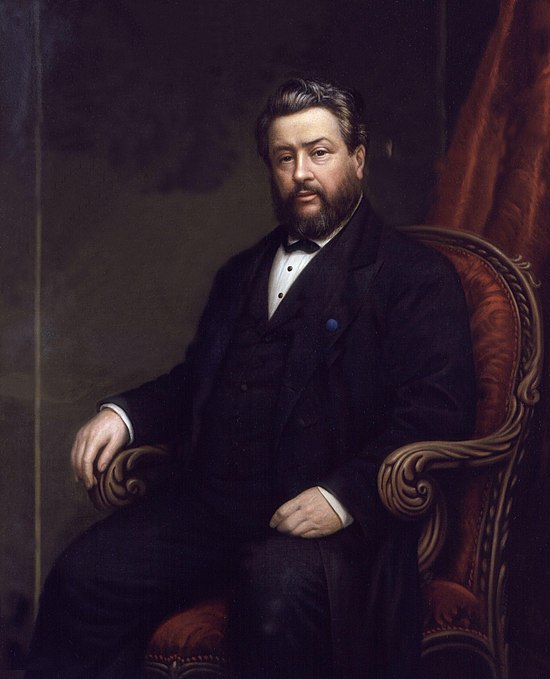
About Charles Spurgeon
Charles Haddon Spurgeon (19 June 1834 — 31 January 1892) was an English Particular Baptist preacher. His nickname is the "Prince of Preachers."
Comments
Your comment has been submitted and is awaiting moderation. Once approved, it will appear on this page.
Be the first to comment!