a vile weed and a fair flower by Charles Spurgeon Hebrews chapter 13 verse 5 let your conduct be without covetousness be content with what you have for he himself has said I will never leave you nor forsake you a vile weed covetousness
This verse confronts the Christian with a battle that unfolds in the mind and heart. Covetousness is not a minor fault. It is idolatry. It is rebellion against the wisdom and goodness of our Father's providence.
Covetousness slithers into every circumstance. The poor may covet what they lack, the rich may covet more of what they already have. And the terrifying truth is this. Covetousness rarely recognizes itself, preferring to disguise itself as prudence, planning, or just being normal.
The people of God are not at all immune to this vile weed. It grows apace if left unchecked. Yet Scripture's command is unmistakable. Let your conduct be without covetousness. This includes your desires, plans, affections, speech, and actions.
Covetousness is odious because it insults God. It whispers that his provision is insufficient, his timing is unwise, and his care is unreliable. It fuels envy toward others, resentment toward God, and distrust of his promises. It is a vile weed that grows in any soil, poverty or wealth. It chokes spiritual vitality until joy withers, prayer dries up, and gratitude dies.
a fair flower, contentment.
Scripture not only forbids covetousness, it commands contentment. Contentment is not stoic acceptance nor lethargic resignation. It is a Christian virtue rooted in God himself.
Paul learned it after years of affliction. We must learn it too. Contentment blooms when the heart bows before God's sovereign providence and confesses. My Father withholds nothing good from me. All that I have is from His hand. All that I lack, I lack by His wisdom and for my good.
The Christian's contentment is, not in possessions, but in a person. Not in circumstances, but in Christ. Not in abundance, but in God's abiding presence.
Covetousness is sin. It is idolatry. God commands its mortification. Discontent is unbelief. It is distrust of God's wise and loving care.
Contentment is not tied to full cupboards, stable work, peaceful days, or calm emotions. It is anchored in Jesus himself. Earthly things are uncertain. Riches take wings. People disappoint. Health fails. Plans crumble. But Jesus abides forever, and therefore the believer can be content, even in scarcity, suffering, and uncertainty.
Jesus is enough. He is your treasure, your security, your inheritance, your helper, your joy. Therefore be content with what you have, for you have him. The one who shed his sin-atoning blood to redeem you from sin and hell will never forsake or abandon you.
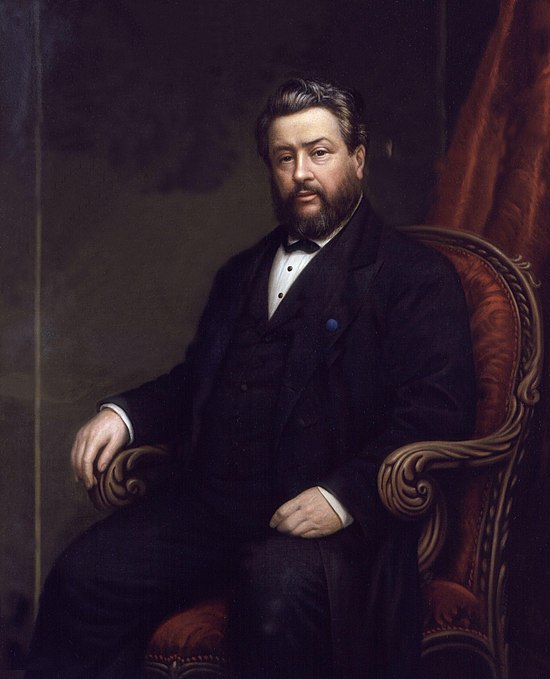
About Charles Spurgeon
Charles Haddon Spurgeon (19 June 1834 — 31 January 1892) was an English Particular Baptist preacher. His nickname is the "Prince of Preachers."
Comments
Your comment has been submitted and is awaiting moderation. Once approved, it will appear on this page.
Be the first to comment!