John 13:7, "What I am doing you do not understand now, but afterward you will understand."
There is infinite mercy in that gentle correction of Jesus to Peter. The Lord was stooping to wash the feet of His disciples--a task far beneath His dignity, but not beneath His love. Peter objected, unable to reconcile this lowly act with the majesty of the One he knew to be the Son of God. But Jesus silences Peter's protest, not with an explanation, but with a quiet assurance: "What I am doing you do not understand now, but afterward you will understand."
This assurance is not for Peter only. It is for every believer who walks through the shadowy mysteries of God's providence. In the Lord's dealings with His redeemed people, there is much that is concealed--and rightly so. Our finite minds cannot trace the lines of His infinite wisdom. What He hides from us is not meant to wound us, but to humble us, teach us, and draw us to trust Him. It is not ours to demand the explanation of God's dealings with us. It is ours to say, "It is the Lord! Let Him do what is good in His sight."
To pry into the hidden counsels of the Almighty, is both presumption and folly. The Judge of all the earth will do right--even when we cannot yet comprehend it. Shall the clay rise up to challenge the Potter? Shall dust and ashes cross-examine the Most High? Faith bows and adores. Faith says, "Though He slays me, yet I will hope in Him." God's providences may appear darksome to us, but they are never erring. All must be right--because He does it.
And what is true in providence is even more true in grace. Why did God choose us, the most unlikely and unworthy? Why were we made to hear His voice, while other
Sermon Transcript
Auto-generated transcript • May contain errors
100%
when we cannot grasp His ways. By Charles Spurgeon.
John chapter 13, verse 7. What I am doing you do not understand now, but afterward you will understand.
There is infinite mercy in that gentle correction of Jesus to Peter. The Lord was stooping to wash the feet of His disciples, a task far beneath His dignity, but not beneath His love. Peter objected, unable to reconcile this lowly act with the majesty of the one he knew to be the Son of God. But Jesus silences Peter's protest, not with an explanation, but with a quiet assurance.
What I am doing you do not understand now, but afterward you will understand.
This assurance is not for Peter only. It is for every believer who walks through the shadowy mysteries of God's providence. In the Lord's dealings with His redeemed people, there is much that is concealed, and rightly so. Our finite minds cannot trace the lines of His infinite wisdom.
What He hides from us is not meant to wound us, but to humble us, teach us, and draw us to trust Him. It is not ours to demand the explanation of God's dealings with us. It is ours to say, it is the Lord. Let Him do what is good in His sight. To pry into the hidden counsels of the Almighty is both presumption and folly. The judge of all the earth will do right, even when we cannot yet comprehend it. Shall the clay rise up to challenge the potter? Shall dust and ashes cross-examine the Most High? Faith bows and adores. Faith says, Though He slays me, yet I will hope in Him.
God's providences may appear darksome to us, but they are never erring. All must be right because He does it. And what is true in providence is even more true in grace. Why did God choose us, the most unlikely and unworthy? Why were we made to hear His voice, while others were left to perish in their sins, many of them more moral than we? Why was the Holy One made sin for us? Why was the Darling of Heaven crushed for our guilt? These are questions too high for us now, but afterward we shall understand.
One day, faith will give way to sight, and we will behold the tapestry of divine wisdom woven with threads of mercy and justice. Until then, let us be content to walk by faith and not by sight. Let us trust the loving heart of our Heavenly Father, even when we cannot grasp His ways. He is too wise to be mistaken and too loving to be unkind.
Let the child of God be still. The Lord knows what he is doing. Afterward, we shall understand.
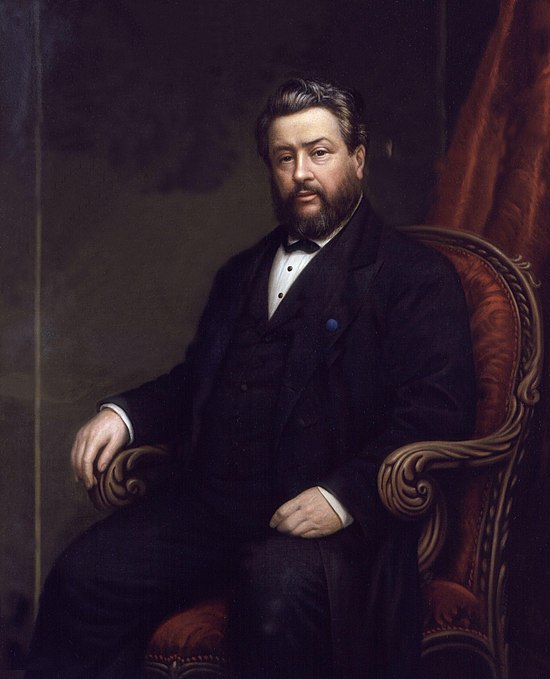
About Charles Spurgeon
Charles Haddon Spurgeon (19 June 1834 — 31 January 1892) was an English Particular Baptist preacher. His nickname is the "Prince of Preachers."
Comments
Your comment has been submitted and is awaiting moderation. Once approved, it will appear on this page.
Be the first to comment!