Bootstrap
J.C. Ryle

079. Warnings about Worry, Luke 12:22-31

Luke 12:22-31
J.C. Ryle October, 19 2018 Audio
0 Comments
This superb narration of Ryle's devotional commentary on the Gospel of Luke has been professionally read, and graciously supplied by Christopher Glyn. Please visit his website, treasures365.com/shop.php, where you can purchase additional superb audios at very reasonable prices.

You will find it helpful to READ the texts--as you LISTEN to the audios!

The TEXTS for the entire commentary can be bound here:
http://gracegems.org/Ryle/Luke.htm

The AUDIOS for the entire commentary can be bound here:
https://www.sermonaudio.com/search.asp?subsetit...

Sermon Transcript

Auto-generated transcript • May contain errors

100%
J.C. Ryle's Devotional Thoughts on the Gospel of Luke, section 79, Warnings about Worry, Luke 12, verses 22-31

And he said unto his disciples, Therefore I say unto you, take no thought for your life, what ye shall eat, neither for your body, what ye shall put on. The life is more than meat, and the body is more than raiment. Consider the ravens, for they neither sow nor reap, which neither have storehouse nor barn, and God feedeth them. How much more are ye better than the fowls? And which of you, with taking thought, can add to his stature one cubit? If ye then be not able to do that thing which is least, why take ye thought for the rest? Consider the lilies how they grow. They toil not, they spin not, and yet I say unto you that Solomon in all his glory was not arrayed like one of these. If then God so clothed the grass of the field, which is to-day in the field, and to-morrow is cast into the oven, how much more would He clothe you, O ye of little faith? And seek not ye what ye shall eat, or what ye shall drink, neither be ye of doubtful mind. For all these things do the nations of the world seek after, and your Father knoweth that ye have need of these things. But rather seek ye the kingdom of God, and all these things shall be added unto you.

We have in these verses a collection of striking arguments against over-anxiety about the things of this world. At first sight they may seem to some people's minds simple and common, but the more they are pondered, the more weighty will they appear, and abiding recollection of them would save many Christians an immense amount of trouble.

Christ bids us consider the ravens. They neither sow nor reap, they have neither storehouse nor barn, but God feeds them. Now if the Maker of all these things provides for the needs of birds, and orders things so that they have a daily supply of food, then we surely ought not to fear that He will let His spiritual children starve.

Christ bids us to look at the lilies. They do not toil nor spin. Yet Solomon in all his glory was not arrayed like one of these. Now if God every year provides these flowers with a fresh supply of living leaves and blossoms, then we surely ought not to doubt his power and willingness to furnish his believing children with all needful clothing.

Christ bids us remember that a Christian should be ashamed of being as worried as the heathen are. The pagan world may well be worried about food and clothing and the like. They are sunk in deep ignorance and know nothing of the real nature of God. But the man who can say of God, He is my Father, and of Christ, He is my Saviour, ought surely to be above such anxieties and cares. A clear faith in God's providential care should produce a light, trustful heart.

Finally, Christ bids us think of the perfect knowledge of God. Our Father knows that we have need of food and clothing. That thought alone ought to make us content. All our needs are perfectly known to the Lord of heaven and earth. He can relieve those needs whenever he sees fit. He will relieve them whenever it is good for our souls.

Let the four arguments put forth above sink deep into our hearts and bear fruit in our lives. Nothing is more common than an anxious and troubled spirit. Nothing so mars a believer's usefulness and diminishes his inward peace. Nothing, on the contrary, glorifies God so much as a cheerful spirit in the midst of temporal troubles. It carries a reality with it which even the worldly man can understand. It commends our Christianity and makes it beautiful in the eyes of men. Faith, and faith alone, will produce this cheerful spirit. The man who can boldly say, the Lord is my shepherd, is the man who will be able to add, I shall not lack. Psalm 23 verse 1.

We have, secondly, in these verses, a high standard of living commended to all Christians. It is contained in a short and simple injunction. Seek the kingdom of God. We're not to give our principal thoughts to the things of this world. We're not so to live as if we had nothing but a body. We are to live like beings who have immortal souls to be lost or saved, a death to die, a God to meet, a judgment to expect, and an eternity in heaven or in hell awaiting us.

When can we be said to seek the kingdom of God? We do so when we make it the chief business of our lives to secure a place in the number of saved people, to have our sins pardoned, our hearts renewed, and ourselves made fit for the inheritance of the saints in light. We do so when we give a primary place in our minds to the interests of God's kingdom. when we labor to increase the number of God's subjects, when we strive to maintain God's cause and advance God's glory in the world.

The kingdom of God is the only kingdom worth laboring for. All other kingdoms shall sooner or later decay and pass away. The statesmen who raise them are like men who build houses of cards, or children who make palaces of sand on the seashore. The wealth which constitutes their greatness is liable to melt away as the snow in spring. The kingdom of God is the only kingdom which shall endure for ever. Happy are they who belong to it, love it, live for it, pray for it, and labour for its increase and prosperity. Their labour shall not be in vain. May we give all diligence to make our calling into this kingdom sure. May it be our constant advice to children, relatives, friends, servants, neighbors, seek the kingdom. Whatever else you seek, seek first the kingdom of God.

We have lastly, in these verses, a marvelous promise held out to those who seek the kingdom of God. Our Lord Jesus declares, all these things shall be added unto you. We must take heed that we do not misunderstand the meaning of this passage. We have no right to expect that the Christian tradesman who neglects his business under the pretense of zeal for God's kingdom will find that his trade prospers and his affairs all do well. To place such a sense upon the promise would be nothing less than fanaticism and enthusiasm. It would encourage slothfulness in business and give occasion to the enemies of God to blaspheme.

The man to whom the promise before us belongs is the Christian who gives to the things of God their right order and their right place. He does not neglect the worldly duties of his station, but he regards them as of infinitely less importance than the requirements of God. He does not omit due attention to his temporal affairs, but he looks on them as of far less importance than the affairs of his soul. In short, he aims in all his daily life to put God first and the world second. To give the second place to the things of his body and the first place to the things of his soul. This is the man to whom Jesus says, all these things shall be added unto you.

But how is the promise fulfilled? The answer is short and simple. The man who seeks first God's kingdom shall never lack anything that is for his good. He may not have as much health as some, he may not have as much wealth as others, he may not have a richly spread table or royal dainties, but he will always have enough. bread shall be given him, and his water shall be sure. Isaiah chapter 33 verse 16 God causes all things to work together for good to those who love God, to those who are the called according to his purpose. Romans chapter 8 verse 28 No good thing will the Lord withhold from those who walk uprightly. Psalm 84 verse 11 I have been young, said David, and now am old But never have I seen the righteous forsaken, nor his seed begging their bread. you
J.C. Ryle
About J.C. Ryle
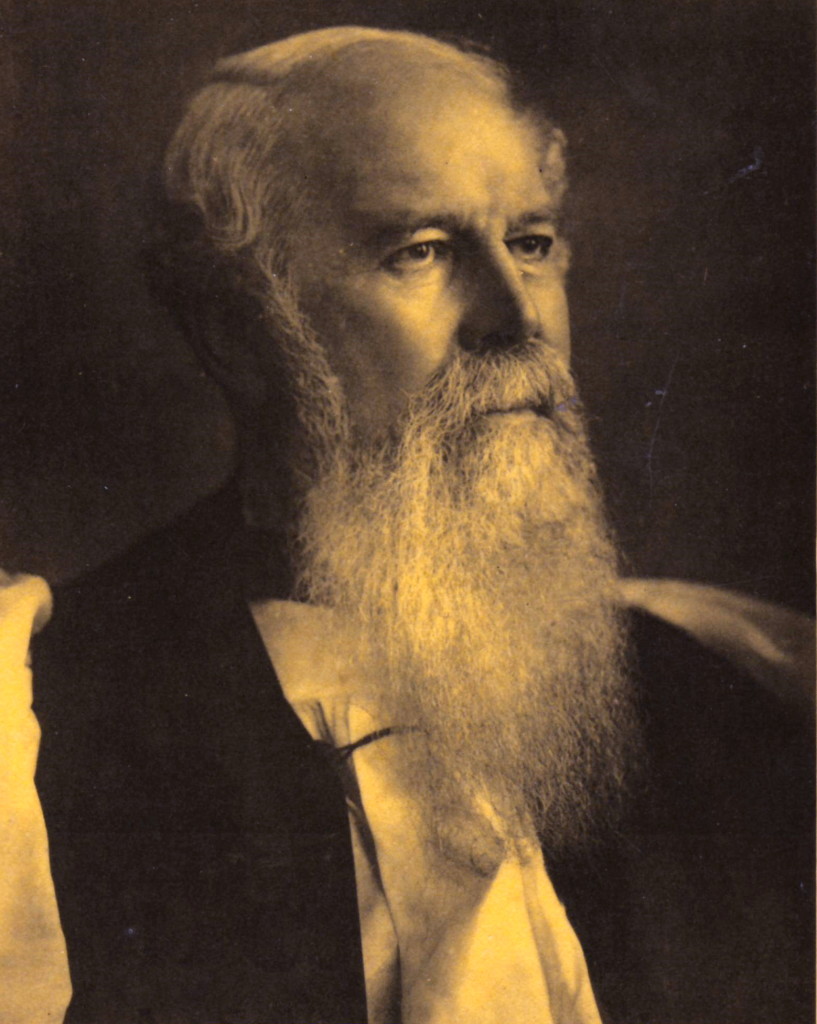
John Charles Ryle (10 May 1816 — 10 June 1900) was an English evangelical Anglican bishop. He was the first Anglican bishop of Liverpool.
Broadcaster:

Comments

0 / 2000 characters
Comments are moderated before appearing.

Be the first to comment!

Joshua

Joshua

Shall we play a game? Ask me about articles, sermons, or theology from our library. I can also help you navigate the site.