Bootstrap
J.C. Ryle

042. Jesus Anointed by a Sinful Woman, Luke 7:36-50

Luke 7:36-50
J.C. Ryle March, 11 2018 Audio
0 Comments
This superb narration of Ryle's devotional commentary on the Gospel of Luke has been professionally read, and graciously supplied by Christopher Glyn. Please visit his website, treasures365.com/shop.php, where you can purchase additional superb audios at very reasonable prices.

You will find it helpful to READ the texts--as you LISTEN to the audios!

The TEXTS for the entire commentary can be bound here:
http://gracegems.org/Ryle/Luke.htm

The AUDIOS for the entire commentary can be bound here:
https://www.sermonaudio.com/search.asp?subsetit...

Sermon Transcript

Auto-generated transcript • May contain errors

100%
J.C. Ryle's Devotional Thoughts on the Gospel of Luke, section 42, Jesus Anointed by a Sinful Woman, Luke chapter 7, verses 36 through 50. And one of the Pharisees desired him that he would eat with him. And he went into the Pharisee's house and sat down to meet. And behold, a woman in the city, which was a sinner, when she knew that Jesus sat at meet in the Pharisee's house, brought an alabaster box of ointment, and stood at his feet behind him weeping, and began to wash his feet with tears, and did wipe them with the hairs of her head, and kissed his feet, and anointed them with the ointment.

Now when the Pharisee, which had bidden him, saw it, he spake within himself, saying, This man, if he were a prophet, would have known who and what manner of woman this is that toucheth him, for she is a sinner. And Jesus answering, said unto him, Simon, I have somewhat to say unto thee. And he saith, Master, say on.

There was a certain creditor which had two debtors. The one owed him 500 pence, and the other 50. And when they had nothing to pay, he frankly forgave them both. Tell me therefore, which of them will love him the most? Simon answered and said, I suppose that he to whom he forgave most. And he said unto him, Thou hast rightly judged.

And he turned to the woman, and said unto Simon, Seest thou this woman? I entered into thine house, and thou gavest me no water for my feet, but she hath washed my feet with tears, and wiped them with the hairs of her head. Thou gavest me no kiss, but this woman since the time I came in hath not ceased to kiss my feet. My head with oil thou didst not anoint, but this woman hath anointed my feet with ointment. Wherefore I say unto thee, Her sins, which are many, are forgiven, for she loveth much. But to whom little is forgiven, the same loveth little.

And he said unto her, Thy sins are forgiven. And they that sat at meat with him began to say within themselves, Who is this that forgiveth sins also? And he said to the woman, thy faith hath saved thee. Go in peace.

The deeply interesting narrative contained in these verses is found only in the Gospel of Luke. In order to see the full beauty of the story, we should read in connection with it the 11th chapter of Matthew. We shall then discover the striking fact that the woman whose conduct is here recorded most likely owed her conversion to the well-known words, That wondrous invitation, in all human probability, was the means of the saving of her soul, and gave her that sense of peace for which we see her so grateful.

A full offer of free pardon is generally God's chosen instrument for bringing sinners to repentance. We see in this passage that men may show some outward respect to Christ and yet remain unconverted. The Pharisee before us is a case in point. He showed our Lord Jesus Christ more respect than many did. He even asked Jesus to have dinner with him. Yet all this time he was profoundly ignorant of the nature of Christ's gospel. His proud heart secretly revolted at the sight of a poor contrite sinner being allowed to wash our Lord's feet. And even the hospitality he showed appears to have been cold and niggardly. Our Lord himself says, you did not give me any water for my feet. You did not give me a kiss. You did not put oil on my head.

In short, in all that the Pharisee did, there was one great defect. There was outward civility, but there was no heart-love. We shall do well to remember the case of this Pharisee. It is quite possible to have a decent form of religion, and yet to know nothing of the gospel of Christ. It is possible to treat Christianity with respect and yet to be utterly blind about its cardinal doctrines. It is quite possible to behave with great correctness and propriety at church and yet to hate justification by faith and salvation by grace with a deadly hatred.

Do we really feel affection toward the Lord Jesus? Can we say, Lord, you know all things, you know that I love you? Have we cordially embraced his whole gospel? Are we willing to enter heaven side by side with the chief of sinners and to owe all our hopes to sovereign grace? These are questions which we ought to consider. If we cannot answer them satisfactorily, then we are in no respect better than Simon the Pharisee. And our Lord might say to us, I have something to tell you.

We see in the next place in this passage that grateful love is the secret of doing much for Christ. The penitent woman in the story before us showed far more honor to our Lord than the Pharisee had done. She stood at his feet behind him weeping. She washed his feet with tears. She wiped them with the hair of her head. She kissed his feet and anointed them with costly ointment. No stronger proofs of reverence and respect could she have given, and the secret of her giving such proofs was love. She loved our Lord, and she thought nothing too much to do for Him. She felt deeply grateful to our Lord, and she thought no mark of gratitude too costly to bestow on Him.

More doing for Christ is the universal demand of all the churches. It is one point on which all are agreed. All desire to see among Christians more good works, more self-denial, more practical obedience to Christ's commands. But what will produce these things? Nothing, nothing but love. There will never be more done for Christ until there is more hearty love to Christ himself. The fear of punishment, the desire of reward, the sense of duty are all useful arguments in their way to persuade men to holiness. But they are all weak and powerless until a man loves Christ. Once let that mighty principle get a hold of man, and ye will see his whole life changed. Let us never forget this. However much the world may sneer at feelings in religion, and however false or unhealthy religious feelings may sometimes be, The great truth still remains that love to Jesus is the secret of doing for Jesus. The heart must be engaged for Christ or the hands will soon hang down. The affections must be enlisted into his service or our obedience will soon stand still. It will always be the loving workmen who will do most in the Lord's vineyard.

We see, lastly in this passage, that a sense of having our sins forgiven is the mainspring and lifeblood of love to Christ. This, beyond doubt, was the lesson which our Lord wished Simon the Pharisee to learn when he told him the story of the two debtors. One owed his creditor 500 pence, and the other 50. Both had nothing to pay, and both were forgiven freely. And then came the searching question, which of them will love him most? Here was the true explanation, which our Lord told Simon, of the deep love which the penitent woman before him had displayed. Her many tears, her deep affection, her public reverence, her action in anointing his feet, were all traceable to one cause. She had been much forgiven, and so she loved much. Her love for Jesus was the effect of her forgiveness, not the cause. The consequence of her forgiveness, not the condition. The result of her forgiveness, not the reason. The fruit of her forgiveness, not the root. Would the Pharisee know why this woman showed so much love? It was because she felt much forgiven. Would he know why he himself had shown his guest so little love? It was because he felt under no obligation to Jesus. He had no consciousness of having obtained forgiveness, nor any sense of debt to Christ.

Forever let the mighty principle laid down by our Lord in this passage abide in our memories and sink down into our hearts. It is one of the great cornerstones of the whole gospel. It is one of the master keys to unlock the secrets of the kingdom of God. The only way to make men holy is to teach and preach free and full forgiveness through Jesus Christ. The secret of being holy ourselves is to know and feel that Christ has pardoned our sins. To know that we are justified and at peace with God is the only root that will bear the fruit of holiness.

Forgiveness must go before sanctification. We shall do nothing until we are reconciled to God. This is the first step in religion. We must work from life and not for life. Our best works, before we are justified, are little better than splendid sins. We must live by faith in the Son of God, and then, and not until then, we shall walk in His ways. The heart which has experienced the pardoning love of Christ is the heart which loves Christ and strives to glorify him.

Let us leave the passage with a deep sense of our Lord Jesus Christ's amazing mercy and compassion to the chief of sinners. Let us see in his kindness to the woman of whom we have been reading an encouragement to anyone, however wicked he may be, to come to him for pardon and forgiveness. That word of his shall never be broken. The one who comes unto me, I will never cast out. Never, never need anyone despair of salvation, if he will only come to Christ.

Let us ask ourselves, in conclusion, what are we doing for Christ's glory? What kind of lives are we living? What proof are we making of our love to Him who first loved us and died for our sins? These are serious questions. If we cannot answer them satisfactorily, we may well doubt whether we are forgiven. The hope of forgiveness, which is not accompanied by love in the life, is the hope of a hypocrite, which ends only in wrath. The man whose sins are really cleansed away will always show by his ways that he loves the Savior who cleansed them. you
J.C. Ryle
About J.C. Ryle
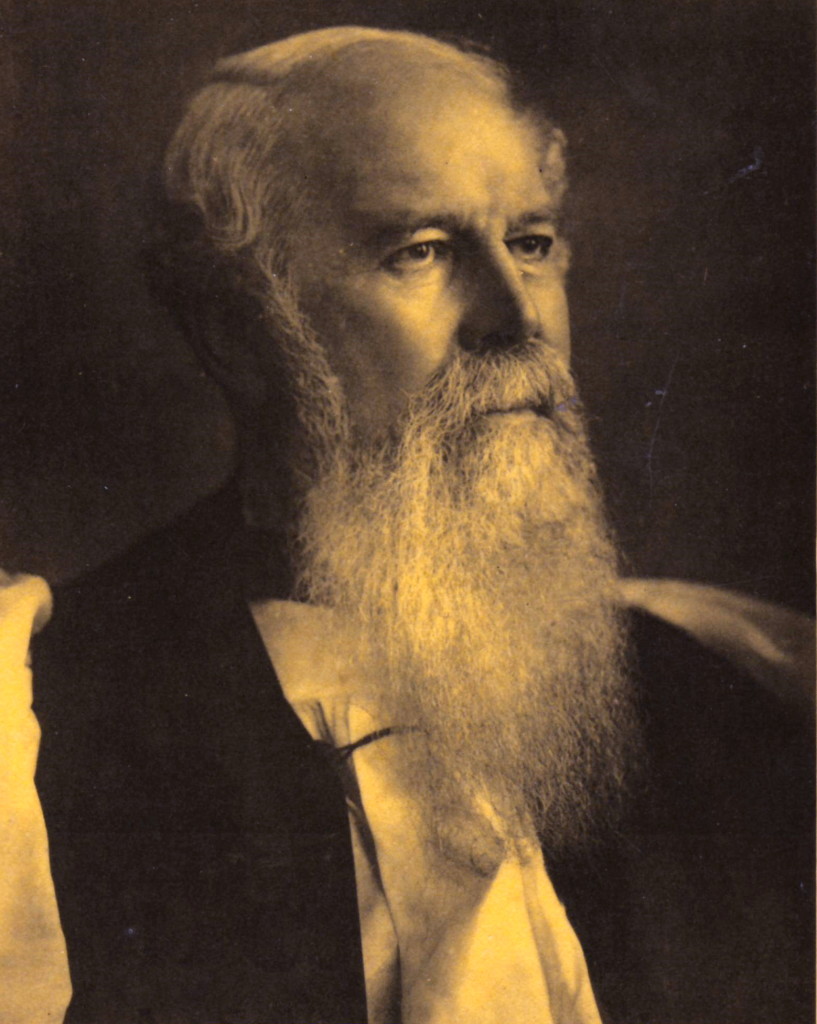
John Charles Ryle (10 May 1816 — 10 June 1900) was an English evangelical Anglican bishop. He was the first Anglican bishop of Liverpool.
Broadcaster:

Comments

0 / 2000 characters
Comments are moderated before appearing.

Be the first to comment!

Joshua

Joshua

Shall we play a game? Ask me about articles, sermons, or theology from our library. I can also help you navigate the site.