Bootstrap
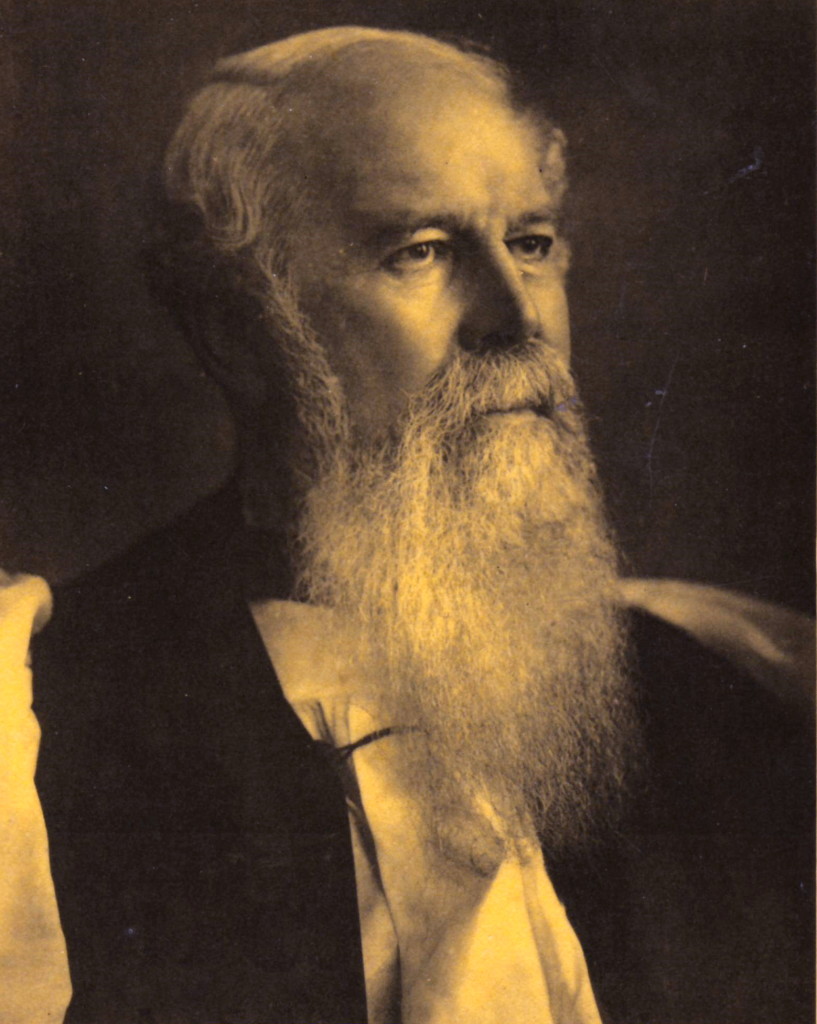
J.C. Ryle

033. Blessings and Woes, Luke 6:20-26

Luke 6:20-26
J.C. Ryle March, 11 2018 Audio
0 Comments
This superb narration of Ryle's devotional commentary on the Gospel of Luke has been professionally read, and graciously supplied by Christopher Glyn. Please visit his website, treasures365.com/shop.php, where you can purchase additional superb audios at very reasonable prices.

You will find it helpful to READ the texts--as you LISTEN to the audios!

The TEXTS for the entire commentary can be bound here:
http://gracegems.org/Ryle/Luke.htm

The AUDIOS for the entire commentary can be bound here:
https://www.sermonaudio.com/search.asp?subsetit...

Sermon Transcript

Auto-generated transcript • May contain errors

100%
J.C. Ryle's devotional thoughts on the Gospel of Luke, section 33, Blessings and Woes, Luke chapter 6, verses 20 through 26. And he lifted up his eyes on his disciples and said, Blessed be ye poor, for yours is the kingdom of God. Blessed are ye that hunger now, for ye shall be filled. Blessed are ye that weep now, for ye shall laugh. Blessed are ye when men shall hate you, and when they shall separate you from their company, and shall reproach you, and cast out your name as evil for the Son of Man's sake. Rejoice ye in that day, and leap for joy, for behold your reward is great in heaven, for in the light manner did their fathers unto the prophets.

But woe unto you that are rich, for ye have received your consolation. Woe unto you that are full, for ye shall hunger. Woe unto you that laugh now, for ye shall mourn and weep. Woe unto you when all men shall speak well of you, for so did their fathers to the false prophets.

This discourse of our Lord, which we've now begun, resembles in many respects his well-known Sermon on the Mount. The resemblance, in fact, is so striking that many have concluded that Luke and Matthew are reporting one and the same discourse, and that Luke is giving us, in an abridged form, what Matthew reports at length.

There seems no sufficient ground for this conclusion. The occasions on which the two discourses were delivered were entirely different. Our Lord's repetition of the same great lesson in almost the same words on two different occasions is nothing extraordinary. It is unreasonable to suppose that none of his mighty teachings were ever delivered more than once. In the present case, the repetition is very significant. It shows us the great and deep importance of the lessons which the two discourses contain.

Let us first notice in these verses who they are whom the Lord Jesus pronounced blessed. The list is a remarkable and startling one. It singles out those who are poor, and those who hunger, those who weep, and those who are hated by man. These are the people to whom the great head of the church says, Blessed are you!

We must take good heed that we do not misunderstand our Lord's meaning when we read these expressions. We must not for a moment suppose that the mere fact of being poor and hungry and sorrowful and hated by man will entitle anyone to lay claim to an interest in Christ's blessing. The poverty he has spoken of is a poverty accompanied by grace. The need he has spoken of is a need entailed by faithful adherence to Jesus. The afflictions he has spoken of are the afflictions of the gospel. The persecution he has spoken of is persecution for the son of man's sake.

Such need and poverty and affliction and persecution were the inevitable consequences of faith in Christ at the beginning of Christianity. Thousands had to give up everything in this world because of their belief in Jesus. It was their case which Jesus had specially in view in this passage. He desired to supply them and all who suffer like them for the gospel's sake with special comfort and consolation.

Let us notice secondly in these verses who they are to whom our Lord addresses the solemn words, woe unto you. Once more we read expressions which at first sight seem most extraordinary. Woe unto you who are rich, woe unto you who are full, woe unto you who laugh, woe unto you when all men shall speak well of you. Stronger and more cutting sayings than these cannot be found in the New Testament. Here, however, no less than in the preceding verses, we must take care that we do not misapprehend our Lord's meaning. We are not to suppose that the possession of riches and a rejoicing spirit and the good word of man are necessarily proofs that people are not Christ's disciples. Abraham and Job were rich. David and Paul had their seasons of rejoicing. Timothy was one who had a good report from those that were outside. All these we know were true servants of God. All these were blessed in this life and shall receive the blessing of the Lord in the day of his appearing. Who, then, are the people to whom our Lord says, Woe unto you? They are the men who prefer the joys and so-called happiness of this world to joy and peace in believing, and will not risk the loss of one in order to gain the other. They are those who love the praise of man more than the praise of God, and will turn their backs on Christ rather than not keep in with the world. These are the kind of men whom our Lord had in view when He pronounced the solemn words, Woe, woe unto you. He knew well that there were thousands of such people among the Jews, thousands who, notwithstanding His miracles and sermons, would love the world better than Him. He knew well that there would always be thousands of such in his professing church, thousands who, though convinced of the truth of the gospel, would never give up anything for its sake. To all such he delivers a solemn warning, Woe, woe unto you! One mighty lesson stands out plainly on the face of these verses. May we all lay it to heart and learn wisdom. That lesson is the utter contrariety between the mind of Christ and the common opinions of mankind, the entire variance between the thoughts of Jesus and the prevailing thoughts of the world. The conditions of life which the world reckons desirable are the very conditions upon which the Lord pronounces woes. Poverty and hunger and sorrow and persecution are the very things which man labors to avoid. Riches and fullness and merriment and popularity are precisely the things which men are always struggling to attain. When we have said all in the way of qualifying, explaining, and limiting our Lord's words, there still remain two sweeping acetations which flatly contradict the current doctrine of mankind. The state of life which our Lord blesses, the world cordially dislikes. The people to whom our Lord says, woe unto you, are the very people whom the world admires, praises, and imitates. This is a solemn fact. It ought to raise great searchings of heart within us. Let us leave the whole passage with honest self-inquiry and self-examination. Let us ask ourselves what we think of the wonderful declarations that it contains. Can we subscribe to what our Lord says? Are we of one mind with Him? Do we really believe that poverty and persecution endured for Christ's sake are positive blessings? Do we really believe that riches and worldly enjoyments and popularity among men when sought for more than salvation or preferred to the praise of God are a certain curse? Do we really think that the favor of Christ with trouble and the world's persecution is better than having money and merriment and a good name among men without Christ? These are most serious questions and deserve a most serious answer. The passage before us is eminently one which tests the reality of our Christianity. The truths it contains are truths which no unconverted man can love and receive. Happy are those who have found them truths by experience and can say Amen to all of our Lord's declarations. whatever men may please to think those whom Jesus blesses are blessed and those whom Jesus does not bless will be cast out forevermore
J.C. Ryle
About J.C. Ryle
John Charles Ryle (10 May 1816 — 10 June 1900) was an English evangelical Anglican bishop. He was the first Anglican bishop of Liverpool.
Broadcaster:

Comments

0 / 2000 characters
Comments are moderated before appearing.

Be the first to comment!

Joshua

Joshua

Shall we play a game? Ask me about articles, sermons, or theology from our library. I can also help you navigate the site.