Worldly people seem to be well
aware that it is only in this life that they will be able to
give vent to their worldliness. They know that death will put
an end to it all. And this is one of the main reasons
for their dread of death and their dislike even of the thoughts
of it. They know that there will be
no worldliness in the world to come. that there will be no money-making,
nor pleasure-finding, nor feasting, nor reveling, no dances, nor
races, nor theatres, in heaven or in hell. Hence their eagerness
to taste life's glad moments, to take their fill of mirth,
to make the best of this life while it lasts. Hence the origin
of their motto, Let us eat and drink, for tomorrow we die. Such are the out-and-out lovers
of pleasure, The worshippers of the God of this world, The
admirers of vanity, The indulgers of the flesh, They do not profess
to be pious, but rather take pains to show that they are not
so, and boast that they are not hypocrites. But pleasure won't
last always, and this world will not last forever, and vanity
will soon pass away, and the flesh will cease to satisfy. And when all these things come
to an end, what will be the condition of those whose gods they were?
cheated, befooled, despairing, they shall lie down in sorrow. Their idols are broken in pieces,
and they find at last that they have trusted in a lie. They are left without a God,
without light, without help, without even so much as the hope
of a hope. or the faintest glimmer of a
dawn in that long night which, after their merry day of pleasure,
has fallen so thickly over them. They will find too late that,
in gaining the world, they have lost their souls, that, in filling
up time with vanity, they have filled eternity with misery,
that, in snatching at the pleasures of earth, they have lost the
joys of heaven and the glories of the everlasting inheritance. O man, dying man, dweller on
a dying earth, living amid sickbeds and deathbeds and funerals and
graves, The sport of broken hopes and fruitless joys, And empty
dreams and fervent longings, And never-healing, never-ending
heartaches. O man, dying man, will you still
follow vanity and lies? Still chase pleasure and gaiety? Still sow the wind and reap the
whirlwind? After all that has been told
you of earth's weariness and pleasure's emptiness, after all
that you yourself have experienced of the vanity of all things here
below, after having been so often disappointed, mocked, and made
miserable by that world which you worship, will you still pursue
the lusts of the flesh, the lust of the eye, and the pride of
life? This Puritan devotional has been
brought to you by Grace Gems, a treasury of ageless Sovereign
Grace writings. Please visit our website at www.gracegems.org,
where you can browse and freely download thousands of choice
books, sermons, and quotes, along with select audio messages. No
donations accepted. Thank you.
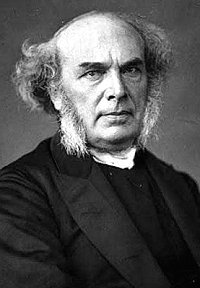
About Horatius Bonar
Horatius Bonar (19 December 1808 — 31 July 1889), was a Scottish churchman and poet. He is principally remembered as a prodigious hymnodist. Friends knew him as Horace Bonar.
Comments
Your comment has been submitted and is awaiting moderation. Once approved, it will appear on this page.
Be the first to comment!