Bootstrap
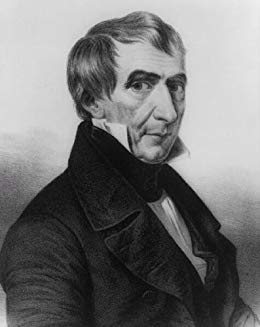
Henry Law

Divine Cordials

Henry Law November, 12 2007 Audio
0 Comments
A wonderful sermon on afflictions and trials. Uplifting, comforting and full of hope!

Sermon Transcript

Auto-generated transcript • May contain errors

100%
CHRISTIAN CORDIALS IN TEMPORAL
TROUBLES By Henry Law Each woman's son is born an heir, Not to a
palace or a crown, Not to broad lands or mines of gold, Not to
ancestral lineage of fame, Not to high rank among the rich and
great, Not to a soft seat on luxury's lap, But to an inheritance
of a common portion. Few are called to be honored
and caressed, to be idols of admiring crowds, to outstrip
others in the worldly race, to enjoy sound health and sinewy
strength, to overabundance of sublunary goods, but many are
called to suffering. Our usual walk is in a valley
of tears, the billows of affliction swell around us, and storms of
distress, with little intermission, buffet us. Where is the eye which
rarely weeps? Where is the breast which seldom
sighs? Bereavements go forth to their
daily work. Pains and diseases do not slumber. The lament is not uncommon. In the morning, would God it
were evening! In the evening, would God it
were morning! Deuteronomy 28, 67. Whales belong
not to a scanty class. We know that the white-robed
multitude came out of great tribulations. Man is indeed endowed with wondrous
gifts of intellect and mental resources. Neither few nor weak
labor to exclude the entrance of trouble. But they can erect
no fortress which sorrow fails to scale. They can construct
no intercepting bars. Trouble has a key for every lock,
and takes its seat by every chair. It is the rich man's shadow,
and lies on poverty's low pallet. It marches with every camp, and
sails in every fleet. It is the native of each climate,
and has its root in every soil. Flight to lonely deserts will
not secure escape, and crowds give no concealment. To be a
human being is to be linked to trouble. This truth cannot be
contested, for every heart confirms it. We read it in the annals
of our race. It is the stamp on history's
brow. In diversity, large as diversity
can be, there is the oneness of distress. In Eden's garden,
clear sunshine was a brief delight. Obscuring clouds soon cast a
dismal gloom. Sin came. All troubles thronged
in its rear. The woman hears, I will greatly
multiply your sorrow and your conception. The man hears, in
sorrow shall you eat of it all the days of your life. Man is
born to trouble, as the sparks fly upward. Job 5.7. It is our
common course, our beaten path. the well-known stream on which
we float. Earth is a wide bokum, so they
called it the Place of Weeping, Judges 2-5. Doubtless, some mitigating
periods intervene. In stormy days, the wind is sometimes
lulled, and the sun sometimes breaks the densest clouds. In
sandy deserts, some green spots are found. So in a troubleless
life there are some intervals of rest, but they are not sufficient
to nullify the rule that trouble is largely written on life's
page. But there is great diversity
in man's inward state. Some are new-born of God, the
children of eternal love, the heirs of never-ending life, the
sheep of Christ's pasture, his appointed spouse, the purchase
of his blood, the called of his spirit, his joy, his portion,
his delight, On them the eye of God beams lovingly. His power
protects. His wisdom guides. His angels
encamp around them. Will not their course be constant
sunshine? Will they not soar where trouble
cannot come? Such a conclusion would be a
fallacy. Their precious privileges bring
not such immunity. It is forever true, many are
the afflictions of the righteous. We must, through much tribulation,
enter into the kingdom of God. Acts 14.22 But yet, there is a grand, happy,
glorious distinction. They are sorrowful, yet always
rejoicing. In their lowest depths, they
sing. In all their trials, they rejoice. In all afflictions, they give
thanks. Troubles thicken, but consolations
more than abound. Their heart of sorrow is a heart
of joy. Many considerations bring to
them support. The time of trouble is the time
of thought. They suffer and they ponder.
Their eyes look inward and above. They ask, Why does this trial
come? The reply is obvious. It is not
the working of blind chance. God's will designs. His hand
inflicts it. It is ordered in the courts of
heaven. It is prearranged in the covenant of grace. Who will
repine when he endures according to a father's will? It is a precious
word. As many as I love, I rebuke and
chasten. This is a plank which upholds
the sinking heart. This is an anchor which keeps
it steady in the roughest waves. The spirit cannot faint which
tastes this cordial. That trouble does not dismay
which is fringed with shining evidence of heavenly mission.
Then, welcome trials, they subserve spiritual welfare, or they would
not be sent. But this view is general and
vague. It may bewilder rather than instruct. In wide expanse, particular objects
are too faintly seen. Let the horizon now be narrowed,
let separate cases be in turn surveyed, and troubled ones be
helped to understand their own distress. First, sickness. Many are sick. Disease and languor
touch most frames. The outward tenement decays,
and the afflicted inhabitant groans. This case is not more
sad than common. Where is the home, long free
from this invasion? The marvel is that these frail
bodies know long respite. Think of the marvelously constructed
framework. The component parts are almost
countless, and most delicate and peculiar. Each part may be
the door of malady. Each nerve may be the inlet of
distress. Contagion also floats in the
surrounding air, and walks beside us in all the ways of daily life. Hence, ailment is our frequent
lot. Bethesda pictures our earth.
In it there lies a great company of impotent folk, the prey of
suffering in every form. In sickness, then, there is no
aggravating fear that it is a peculiar hardship. Through all the families
of earth, what multitudes are drinking the cup of sickness?
Who, then, can expect exemption? Who will repine because, as man,
he has the fellow-suffering of man? To all in the flesh the
liabilities of flesh are due. Such reasoning checks all murmuring
complaint. But, when this commonness is
clearly seen, there may be the fear that sickness is an indication
of divine displeasure. It may be asked, if love is smiling,
why does not love avert this suffering? At Bethany the reply
is sweetly given. It is stated of a family in the
little town, Now Jesus loved Martha, and her sister, and Lazarus,
John 11 5. But Lazarus, thus loved, is sick. so sorely sick that life expires. The love of Jesus, then, is consistent
with disease. Sickness is no evidence of His
displeasure. Suffering hours are no messengers
of His wrath. Rather, may not the hope be cherished
that these visitations are mercifully sent? The hand of love may pluck
the twigs that constitute this rod. This page of chastening,
then, when read correctly by the eye of faith, may truly tell
of gracious dealings. Surely this thought extracts
the bitterness of the cup and makes the Mara sweet. Welcome
all pains which heavenly love inflicts. Our Lord's conduct
during His abode on earth should be a constant study. By this
key we enter the secret chambers of His heart. This is the portrait
of His character. In this survey, special compassion
for the sick is conspicuous. He sought Jerusalem at a stated
feast. Apparently His feet first turned
to the crowded home of malady. Out of the multitude he selected
a sufferer of thirty-and-eight years. He spoke, and health returned. May not he who has counted long
years of ailment embrace the happy thought? The eyes which
rested so tenderly on the infirm man of Bethesda may now be resting
tenderly on me? In every town the sick were brought
to him. In every place they clustered
around him. Did any frown repel them? Did
any denial disappoint them? As many as he touched were made
perfectly whole. What teaching is there in the
scene? When the sun was setting, all
those who had any sick with diverse diseases brought them unto him,
and he laid his hands on every one of them, and healed them. Sometimes His pity yearned where
no request was made. We read, And a woman was there
who had been crippled by a spirit for eighteen years. She was bent
over and could not straighten up at all. When Jesus saw her,
He called her forward and said to her, Woman, you are set free
from your infirmity. Then he put his hands on her,
and immediately she straightened up and praised God. Luke 13,
11-13 Thus sickness was Christ's chosen sphere of mercy when on
earth. And he is the same yesterday,
and today, and forever. Hebrews 13.8 A multitude of precious
words are property of the sick alone. No music charms the deaf,
no prospect captivates the blind. Without appropriating sense,
there can be no enjoyment. Thus, without malady, how many
promises become a blank? But sickness gives interest in
many sweet sayings. Thus to the healthful the word
is pointless, I am the Lord that heals you, Exodus 15.26. But it is a staff to the crippled
limb, a pillow to the aching head, a cordial to the fainting
nerves. It tells of Jehovah's presence,
omnipotent to heal. It brings to the lips the wrestling
plea, do as you have said. The soul of religion is experience,
happy they who have tasted and have found. The restored can
say, now know we that the Lord is faithful, not by the hearing
of the ear, not by the assurance of another's lips, but by personal
experience. In the high tide of bodily strength,
the word seems like a foreign tale, belonging to some other
race. The Lord will strengthen him
upon the bed of languishing. You will make all his bed in
his sickness. Psalm 41, 3. But when the hour
of languishing has come, and underneath the everlasting arms
have given support, and weakness has felt the power of heavenly
help, how precious is the realization, no word of God has failed, nor
ever can fail. If sickness is unknown, then
recovery must be unknown also. And then, how many songs must
be unsung? The inexperienced in sickness
spread no Thanksgiving wings. They joy not in the promise fulfilled. Behold, I will bring health and
cure. and I will cure them, and will
reveal unto them the abundance of peace and truth." Jeremiah
33, 6. But it is rapture to exclaim,
the health is come, the cure is given, the peace, the truth
in rich abundance will now surely follow. Paul had gained much
by his distress, when he testified, We have the sentence of death
in ourselves, that we should not trust in ourselves, but in
God who raises the dead, who delivered us from so great a
death, and does deliver, in whom we trust that he will yet deliver
us. 2 Corinthians 1, 9 and 10. The past rescue, the present
calm, gave pledge of a blissful future. Sickness comes with no
terror to the man who has feasted on the word. Who forgives all
your iniquities? Who heals all your diseases? Psalm 103, 3. It may not be denied
that active service for the Lord is happiness in full bloom. The
work of each day, well done, is cheerful exercise. But daily
employments consume time, and chain the mind to passing matters. The busy man often knows the
sigh, mine own vineyard is not kept. I desire the sincere milk
of the word, that I may grow thereby, but I have no leisure
to suck large supplies. Thus flowers, unwatered, droop
their heads, and weeds spring up in the neglected soil. The
polish becomes dim when the instrument is not well rubbed. But if sickness
comes, it severs from the all-occupying toil. Seclusion from bustle is
now enforced. The intruder's step is now forbidden. Tranquil hours are now a necessity. This is a season to yield rich
fruits. Meditation may now have full
scope. The past days may be calmly reviewed. Alas, what sins, what negligences,
what failures will appear? These will awaken, contrite shame,
and impel us to bury each transgression in the deep grave of the Redeemer's
wounds. Here is the opportunity to tell
our miseries to His all-gracious ears, and to sue out His perfect
pardon. Self-examination now may find
ample space. The weak parts of the soul's
fortress may be discerned. The dangers of the way may become
more visible. The need of foresight and of
help may be felt more vividly. All this is gain. Now also, sickness
is the time to study Christ more quietly. O the blessedness of
such tranquil exercise! All his goodness may now leisurely
pass before the wondering eye. It is a long train. Eternity
is too short to comprehend it. But sick hours give space to
read the volumes of his love, his grace, his goodness, his
unfailing care, his patient pitifulness, his unfailing truth, his work
accomplished, his coming reign, his everlasting glory. Happy
the sick, rich in such meditations. When health is in its prime,
many matters press scripture search into brief space. But
now no jostling claimants take the Bible's place. It sits a
companion without rival. Now the heart may joyfully exclaim,
O how I love your law! It is my meditation all the day. Psalm 119, 97 Your words were found, and I
did eat them. They were the very joy and the
rejoicing of my heart." Jeremiah 15, 16 To tell the varied charms
of Scripture is a boundless thing, but its grand glory is the revelation
of God's love in Christ. Now is the time to feast on this
delight, to bathe in this refreshing stream, to roam in this gallery
of joy, and to obey the Savior's voice exhorting, eat, O friends,
drink, yes, drink abundantly, O beloved. Song of Solomon 5-1 It may be that languor has no
strength for long perusal. Doubtless there is much grandeur
in extensive prospects. The eye is charmed with a vast
expanse. But, when such vision is denied,
is it not joy to scrutinize the tiniest flower, and mark the
skill in its minutest parts? Thus, a brief sentence of the
word may be a meal for many languid hours. A few monosyllables from
heaven may spread a table of richest dainties for the weak.
There are seasons when the flesh is found a burden and a pain. Anguish clogs the spirit's upward
flight. It is happy, then, to think that
the period of escape draws near. When death puts forth its hand,
the body bids farewell to suffering. Power now invests the word. There shall be no more death,
neither sorrow nor crying, neither shall there be any more pain,
for the former things are passed away. Revelation 21.4 In this
distress, how precious is the thought! Yet a little while,
and he that shall come, will come, and will not tarry. Hebrews
10.37 he shall change our vile body,
that it may be fashioned like unto his glorious body, according
to the working whereby he is able even to subdue all things
unto himself." Philippians 3, 21. These pains proclaim that
dissolution will not linger for ever. But unless the earthly
house of this tabernacle be dissolved, how can we have the building
of God? THE HOUSE NOT MADE WITH HANDS.
ETERNAL IN THE HEAVENS. II CORINTHIANS 5, 1. Thus, sickness
comes with many cordials. It is not unalloyed adversity,
it brings many a reviving song. True is the repeated testimony
that in our hospitals the sweetest peace and truest joys are often
found. Secondly, poverty. Diversity
of economic resources rules all society. Heavenly Wisdom thus
orders for general good, and opens a door through which many
blessings pass. But it is common for the poor
and lowly to mark with envy those of exalted rank. They think abundance
shuts out many cares, and that ease dwells with wealth. It is
needless to expose this obvious error. It is better to remind
that Scripture gives us special cordials to the poor. Lowliness
is not an unfavored lot. Hearken, my beloved brethren,
has not God chosen the poor of this world to be rich in faith,
and heirs of the kingdom which He has promised to those who
love Him? James 2.5 If poverty excluded
grace, the poor might well bewail. But let them sing, when they
peruse. You see your calling, brethren,
how that not many wise men after the flesh, not many mighty, Not
many noble are called, but lowly things of the world, and things
which are despised, these God has chosen." 1 Corinthians 1,
26, 28. Let the son of toil exult in
reading. He raises up the poor out of
the dust, and lifts the needy out of the ash heap, that he
may set him with princes, even with the princes of his people.
Psalm 113, 7 and 8. Remember also, the lowly path
is sanctified by Jesus' step. Though he was sovereign of all,
no palace was his home, in early days the workshop was his constant
employment, and when he entered on his public course he had nowhere
to lay his head. Both by water and by land he
borrows what his need requires. Poor women shared with him their
scanty fare, and when his body rested for three days in the
grave, his tomb was not his own. Let not the poor then scorn a
lot so sanctified. But poverty has many shades. Its darkest hue is abject poverty. Cases occur which no forethought
could avert. when loss of strength, deficiency
of work, domestic trials, or other troubles in some pinching
form, reduce to emptiness the means of living. Heavy indeed
is this burden, and strong faith only can sustain it. But this
is the time for grace to triumph over nature's fears. Hope will
pierce the intervening clouds and see God on His all-arranging
throne. Reigning, loving, blessing. The promise brightens. God shall
supply all your needs according to His riches in glory by Christ
Jesus. Philippians 4.19. Streams of
support may seem all dry, but His fullness is forever full. The heart is now attuned to sing,
Even though the fig-trees have no blossoms, And there are no
grapes on the vine, Even though the olive-crop fails, And the
fields lie empty and barren, Even though the flocks die in
the fields, And the cattle-barns are empty, Yet I will rejoice
in the Lord, I will be joyful in the God of my salvation. The
Sovereign Lord is my strength, He will make me as sure-footed
as a deer and bring me safely over the mountains." Habakkuk
3, 17-19 This also is the time when wrestling prayer refuses
to let God go, and is such prayer without success? The annals of
God's saints teem with records of the largest answers. Unexpected
channels, most unexpectedly, are opened. Hands, most unlikely,
bring unlooked-for aid. The truth is realized. There
is nothing too hard for the Lord to do. It is forever true, when
the poor and needy seek water and there is none, and their
tongue fails for thirst, I the Lord will hear them. I the God
of Israel will not forsake them. Isaiah 41, 17 Thirdly, disappointed hopes. The desire to prosper consists
with heavenly grace. It is not real humility to shun
the seat of eminence. Success may bring extended influence
and thus do work for God. Let no one, then, condemn the
straining effort in the race of life, but failure is a common
condition. Instead of honor, there is neglect. Instead of prominence, there
is obscurity. Elevation eludes the grasp. Depression, then, is prone to
sadden. The doubt may trouble. Where
are the promises? Whatever he does shall prosper. Psalm 1-3. Seek first the kingdom
of God and His righteousness, and all these things shall be
added unto you. Matthew 6-33. But pause, let no distrust of
God arise. He still holds his righteous
scepter. He knows the temperament of each
inner man. One can walk steadily, where
another would be giddy and soon fall. All the shoulders cannot
bear like weights. Success might ruin some, and
therefore is most graciously denied. It is wisdom to prevent
what painful discipline could scarcely remedy. Hence, disappointment
is no miscarriage of God's truth. Such crosses may be blessings
in disguise. Lest Paul should be exalted above
measure, there came a thorn in the flesh, a messenger of Satan,
to buffet him. Let the baffled rest in hope
that snares are thus escaped and safety's path preserved. Greatness may not make truly
great. Fame among men may not be honor
from above. Fourthly, reproach. Believers
must expect the hatred of the world. The warning is most clear. If you were of the world, the
world would love his own. But because you are not of the
world, but I have chosen you out of the world, therefore the
world hates you. John 15, 19 Hatred, then, will
incessantly assault. Its armory is full of deadly
weapons. But chief among them is the tongue,
which is set on fire by hell. It is still true of the ungodly. Their throat is an open sepulcher. The poison of asps is under their
lips. Sometimes malicious exaggeration
distorts, and truth is told so as to insinuate a lie. Sometimes
a venomous hint is dropped, which proves a seed whence evil crops
spring up. Thus, wounds are craftily given,
and the fair name maligned. Sometimes falsehood stalks forth
and boldly scatters its vile calumnies. In this suffering
the foremost was our blessed Lord. The world hated me before
it hated you. John 15, 18 If sinless perfection
could escape, surely against him no evil tongue would have
moved. But his blamelessness envenomed
man's reproach. They laid to my charge things
I knew not. He is reviled as worse than the
worst of men. He has a devil, they said, but
as a lamb before its shearers is dumb, so he opened not his
mouth, except in extenuating prayer. Father, forgive them,
for they know not what they do. Let the reviled, then, glory
in the thought. Some liniments of the Holy Master
awaken such attacks. These are the trials of the narrow
way. The godly people have this heritage
of hate upon them. But when the storm beats piteously,
heavenly shelter often intercepts all hurt. True is the word. You shall hide them in the secret
of your presence from the pride of man. You shall keep them secretly
in a pavilion from the strife of tongues. Psalm 31, 20. It may not be ignored that the
cause of the reviled is especially espoused by God. And if God is
for us, who can be against us? Is it not written, God is just. He will pay back trouble to those
who trouble you. and give relief to you who are
troubled. 2 Thessalonians 1, 6-7. And again, listen to me, you
who know right from wrong, and cherish my law in your hearts.
Do not be afraid of people's scorn, or their slanderous talk. For the moth will destroy them,
as it destroys clothing. The worm will eat away at them,
as it eats wool. But my righteousness will last
forever. My salvation will continue from
generation to generation. Isaiah 51, 7-8 Think also. The reviled have
claim to a special blessings. The lips of man reproach, the
lips of Jesus thus solace. Which scale preponderates? Blessed
are you when people insult you. Persecute you, and falsely say
all kinds of evil against you, because of me. Rejoice, and be
glad, because great is your reward in heaven. For in the same way
they persecuted the prophets who were before you." Matthew
5, verses 11 and 12. Happy they who inherit Moses'
spirit. He thought it better to suffer
for the sake of the Messiah than to own the treasures of Egypt,
for he was looking ahead to the great reward that God would give
him. Hebrews 11, 26. The faithful
word draws near with a refreshing cordial. If you are reproached
because of the name of Christ, you are blessed, for the spirit
of glory and of God rests on you. 1 Peter 4, 14. Welcome reproach, which thus
brings glory to the Lord. 5. Injuries. But sometimes hatred
rests not in inward feeling or mere speech. Injustice may deal
wrongly. Oppression may do ruinous work. Malevolence may defraud. This
is the time for faith to realize that its substance is far above
the skies. The true riches are not here.
They are where rust and moth cannot corrupt, nor thieves break
through and steal. No thieving hand can reach them,
for God has reserved a priceless inheritance for His children.
It is kept in heaven, pure and undefiled, beyond the reach of
change and decay. It is laid up in heaven for those
who are kept by the power of God through faith unto salvation,
ready to be revealed in the last time. The elders of the household
of faith took joyfully the confiscation of their property, because they
knew that they had better and lasting possessions. Christian
annals are dark with tales of persecuting rage, but in this
darkness there is light. The testimony is ever sure. All things are yours, things
present and things to come. 1 Corinthians 3.21. The meek
shall inherit the earth. He is upraised above all injury
who can say, All things are mine in God. Number six, desertion. Sweet is the tenderness of sympathy. Trials are bereft of bitterness
when a loving friend is near to share the sorrow and to whisper
a sustaining word. A kindly smile makes heavy burdens
light. But this support is not always
found. The summer brook is often dry. The weary traveler seeks its
stream in vain. Thus sufferers may meet suffering
alone, without an earthly arm on which to lean, But now, faith
reminds, this loneliness was known by Jesus. He has proceeded
in this solitary way. In his most extreme need, they
all forsook him, and fled. Hear the plaintiff's sigh of
Paul. This you know, that all those who are in Asia be turned
away from me. 2 Timothy 1.15. And again, at
my first answer, no man stood with me, but all men forsook
me. I pray God that it may not be
late to their charge. But had he no help? Was there
no support near? Did he realize unmitigated desertion? hear his experience. Notwithstanding,
the Lord stood with me and strengthened me." 2 Timothy 4, 16 and 17. He felt, I can do all things
through Christ who strengthens me. We miss no friend when we
can see his smile. We need no human prop when we
can lean on Christ. Happy they who can clasp to the
heart the assurance of Christ's fellow-feeling. We have not a
high priest who cannot be touched with the feeling of our infirmities,
but was in all points tempted like as we are, yet without sin. Hebrews 4, 15 When friends desert,
listen to his word. Fear not, for I am with you. Be not dismayed, for I am your
God. I will strengthen you. Yes, I
will help you. Yes, I will uphold you with the
right hand of my righteousness. Isaiah 41, 10 Details, in long
train, might still be added, and the extent of trouble not
be traversed. Most hearts have some particular
bitterness. an enlarged catalogue would not
contain each form of woe. But these are general cordials,
which may be adapted to most cases. The troubled may always
find comfort in words general as these. He shall deliver you
in six troubles. Yes, in seven there shall no
evil touch you. Job 5.19 You are my hiding place. You shall preserve me from trouble. You shall compass me about with
songs of deliverance. Psalm 32.7 You have allowed me
to suffer much hardship, but you will restore me to life again,
and lift me up from the depths of the earth. Psalm 71.20 Some simple rules are now adjoined
to promote right use of these cordials. First, labor with earnest
diligence for an increase of faith. This grace in exercise
prevents sinking amid billows. It grasps the Savior's hand and
is kept up. It sees His smile, and darkness
disappears. It is a tender and a teaching
word. Let not your heart be troubled.
You believe in God. Believe also in Me." John 14.1
Thus, faith is the barrier which trouble cannot pass. Who will
not pray, Lord, increase our faith? Secondly, frequent with
unremitting constancy the throne of grace. Here help is ready
for every time of need. There are no limits in the precept.
In everything, by prayer and supplication, with thanksgiving,
let your requests be made known unto God. And the peace of God,
which passes all understanding, shall keep your hearts and minds
through Christ Jesus. Philippians 4, 6 and 7. Let distress
call to prayer and praise, then peace, flowing like a river,
shall submerge the trouble. Thirdly, maintain a holy walk. Godliness has the promise of
the life that now is, and of that which is to come. I Timothy
4.8. The Lord God is a sun and shield. The Lord will give grace and
glory. No good thing will he withhold
from those who walk uprightly. Psalm 84, 11 Trouble of conscience
terribly augments other troubles. Relief can only come from God,
and none can claim God's help whose wills are not conformed
to His. Fourthly, use your appointed
burden-bearer. Christ is all things to His people. Not only is His walk their uttermost
salvation, not only does He purchase for them deliverance from wrath
and give eternal life, But he presents himself their shelter
from each storm, their refuge in each need, their present help
in every trouble. They are exhorted to bring every
care and cast it upon him, knowing that he cares for them. 1 Peter
5, 7 Strength in ourselves is utter
weakness, but why should our shoulders bear what he stands
ready to remove? Fifthly, consider how short is
trouble's day. Our light affliction, which is
but for a moment, works for us a far more exceeding and eternal
weight of glory. However sharp and keen the present
anguish may be, The believer knows that yet a
little while, and he shall be raised far above its reach. Let trouble do its worst. Its
worst cannot last long. Sixthly, let self-examination
be sincere and deep. The rod is God's appointed messenger. It is not mute. It calls to the
inquiry. Is there not purpose in this
painful visitation? Let the prayer go forth. Search
me, O God, and know my heart. Try me, and know my thoughts,
and see if there be any wicked way in me. and lead me in the
way everlasting. Psalm 139, 23 and 24. happy the trouble which detects
some lurking evil, rescues from some secret snare, shows an unsuspected
leak in the frail bark, expels some lingering lust, and establishes
the undivided rule of righteousness and peace and joy in the Holy
Spirit. The final counsel shall be the
Lord's precept, Call upon me in the day of trouble. I will
deliver you, and you shall glorify me." Psalm 50, verse 15. The testimony will follow. This
poor man cried, and the Lord heard him, and saved him out
of all his troubles. Psalm 34, verse 6. Holy Comforter, fulfill your
office, and give some cordial through these words.
Henry Law
About Henry Law
Henry Law (1797-1884) was Dean of Gloucester from 1862 until his death. He is mostly well known for his work, "Christ is All: The Gospel in the Pentateuch", which surveys typologies of Christ in the first five books of the Old Testament.
Broadcaster:

Comments

0 / 2000 characters
Comments are moderated before appearing.

Be the first to comment!

Joshua

Joshua

Shall we play a game? Ask me about articles, sermons, or theology from our library. I can also help you navigate the site.