Bootstrap
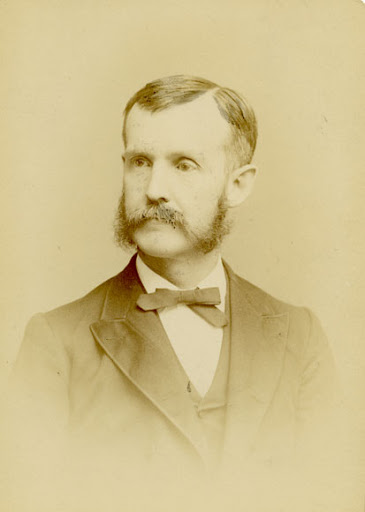
J.R. Miller

Beautiful Old Age

Ecclesiastes 12
J.R. Miller October, 25 2007 Audio
0 Comments
An outstanding sermon of a much neglected topic!

The TEXT for the audio can be found here:

https://www.gracegems.org/Miller/beautiful_old_...

You will find it most helpful to read the text as you listen to the audio.

Sermon Transcript

Auto-generated transcript • May contain errors

100%
Beautiful Old Age by J. R. Miller Old age is the harvest
of all the years that have gone before. It is the barn into which
all the sheaves are gathered. It is the sea into which all
the rivers of youth and manhood flow. We are each, in all our
earlier years, building the house in which we shall have to live
in when we grow old, and we may make it a prison or a palace. We may make it very beautiful,
adorning it with taste and filling it with objects which shall minister
to our pleasure, comfort and power. We may cover the walls
with lofty pictures. We may spread luxurious couches
of ease on which to rest. We may lay up in store great
supplies of provision upon which to feed in the days of hunger
and feebleness. We may gather and pile away large
bundles of wood to keep the fires blazing brightly in the long
wintry days and nights of old age. Or we may make our house
very gloomy. We may hang the chamber walls
with horrid pictures, covering them with ghastly specters which
shall look down upon us and haunt us, filling our souls with terror
when we sit in the gathering darkness of life's nightfall.
We may make beds of thorns to rest upon. We may lay out nothing
to feed upon in the hunger and craving of declining years. We
may have no fuel, ready for the winter fires. We may plant roses
to bloom about our doors and fragrant gardens to pour their
perfumes about us, or we may sow weeds in briars to flaunt
themselves in our faces as we sit in our doorways. All old
age is not beautiful. All old people are not happy. Some are very wretched, with
hollow, empty lives. Many an ancient palace was built
over a dark dungeon. There were the marble walls that
shone with dazzling splendor in the sunlight. There were the
wide gilded chambers with their magnificent frescoes and their
splendid adornments, the gaiety, the music, and the revelry. But,
deep down, beneath all this luxurious splendor and dazzling display,
was the dungeon, filled with its unhappy victims, and up through
the iron gratings came the sad groans and moanings of despair,
echoing and reverberating through the gilded halls and sealed chambers. And in this I see a picture of
many an old age. It may have abundant comforts
and much that tells of prosperity, in an outward sense—wealth, honors,
friends, the pomp and circumstance of greatness—but it is only a
palace built over a gloomy dungeon of memory, up from whose deep
and dark recesses come ever more voices of remorse and despair,
to sadden or embitter every hour, and to cast shadows over every
lovely picture and every bright scene. It is possible so to live
as to make old age very sad, and then it is possible so to
live as to make it very beautiful. In going my rounds in the crowded
city, I came one day to a door where my ears were greeted with
a great chorus of bird-songs. There were birds everywhere,
in parlour, in the dining-room, in bed-chamber, in the hall,
and the whole house was filled with their joyful music. So may
old age be. So it is for those who have lived
aright. It is full of music. Every memory
is a little snatch of a song. The sweet bird-notes of heavenly
peace sing everywhere, and the last days of life are its happiest
days. The important practical question
is, how can we so live that our old age, when it comes, shall
be beautiful and happy? It will not do to adjoin this
question until the evening shadows are upon us. It will be too late,
then, to consider it. Consciously or unconsciously,
we are every day helping to settle the question whether our old
age shall be sweet and peaceful, or bitter and wretched. It is
worth our while, then, to think a little how to make sure of
a happy old age. we must live a useful life. Nothing good ever comes out of
idleness or out of selfishness. The standing water stagnates
and breeds decay and death. It is the running stream that
keeps pure and sweet. The fruit of an idle life is
never joy and peace. Years lived selfishly never become
garden spots in the field of memory. Happiness comes out of
self-denial for the good of others. Sweet always are the memories
of good deeds done and sacrifices made. Their incense, like heavenly
perfume, comes floating up from the field of toil, and fills
old age with holy fragrance. When one has lived to bless others,
One has many grateful, loving friends whose affection proves
a wondrous source of joy when the days of feebleness come.
Bread cast upon the waters is found again after many days. I see some people who do not
seem to want to make friends. They are unsocial, unsympathetic,
cold, distant, disobliging and selfish. Others, again, make
no effort to retain their friends. They cast them away for the slightest
cause. But they are robbing their later
years of joys they cannot afford to lose. If we would walk in
the warmth of friendship's beams in the late evening time, we
must seek to make to ourselves loyal and faithful friends in
the busy hours that come before. This we can do by a ministry
of kindness and self-forgetfulness. This was part, at least, of what
our Lord meant in that counsel which falls so strangely on our
ears until we understand it. Make to yourselves friends of
the mammon of unrighteousness, that when you fail, they may
receive you into everlasting habitations. Again, we must live
a pure and holy life. Every one carries in himself
the sources of his own happiness or wretchedness. Circumstances
have really very little to do with our inner experiences. It
matters little in the determination of one's degrees of enjoyment,
whether he lives in a cottage or a palace. It is self, after
all, that in largest measure gives the color to our skies
and the tone to the music we hear. A happy heart sees rainbows
and brilliance everywhere, even in darkest clouds. and hears
sweet strains of song even amid the loudest wailings of the storm. And a sad heart, unhappy and
discontented, sees spots in the sun, specks in the rarest fruits,
and something with which to find fault in the most perfect of
God's works, and hears discords and jarring notes in the most
heavenly music. So it comes about that this whole
question must be settled from within. The fountains rise in
the heart itself. The old man, like the snail,
carries his house on his back. He may change neighbors or homes
or scenes or companions, but he cannot get away from himself
and his past. Sinful years put thorns in the
pillow on which the head of old age rests. Lives of passion and
evil store away bitter fountains from which the old man has to
drink. Sin may seem pleasant to us now,
but we must not forget how it will appear when we get past
it, and turn to look back upon it. Especially must we keep in
mind how it will seem from a dying pillow. Nothing brings such pure
peace and quiet joy at the close as a well-lived past. We are every day laying up the
food on which we must feed in the closing years. We are hanging
up pictures about the walls of our hearts that we shall have
to look at when we sit in the shadows. How important that we
live pure and holy lives! Even forgiven sins will mar the
peace of old age, for the ugly scars will remain. Summing up,
all in one word, Only Christ can make any life, young or old,
truly beautiful or truly happy. Only He can cure the heart's
restless fever and give quietness and calmness. Only He can purify
that sinful fountain within us, our corrupt nature, and make
us holy. To have a peaceful and blessed
ending to life, we must live it with Christ. Such a life grows
brighter, even to its close. Its last days are the sunniest
and the sweetest. The more earth's joys fail, the
nearer and the more satisfying do the comforts become. The nests
over which the wing of God droops, which in the bright summer days
of prosperous strength lay hidden among the leaves, stand out,
uncovered, in the days of decay and feebleness. when winter has
stripped the branches bare. And for such a life, death has
no terrors. The tokens of its approach are
but the land-birds, lighting on the shrouds, telling the weary
mariner that he is nearing the haven. The end is but the touching
of the weather-beaten keel on the shore of glory.
J.R. Miller
About J.R. Miller
James Russell Miller (20 March 1840 — 2 July 1912) was a popular Christian author, Editorial Superintendent of the Presbyterian Board of Publication, and pastor of several churches in Pennsylvania and Illinois.
Broadcaster:

Comments

0 / 2000 characters
Comments are moderated before appearing.

Be the first to comment!

Joshua

Joshua

Shall we play a game? Ask me about articles, sermons, or theology from our library. I can also help you navigate the site.