Bootstrap
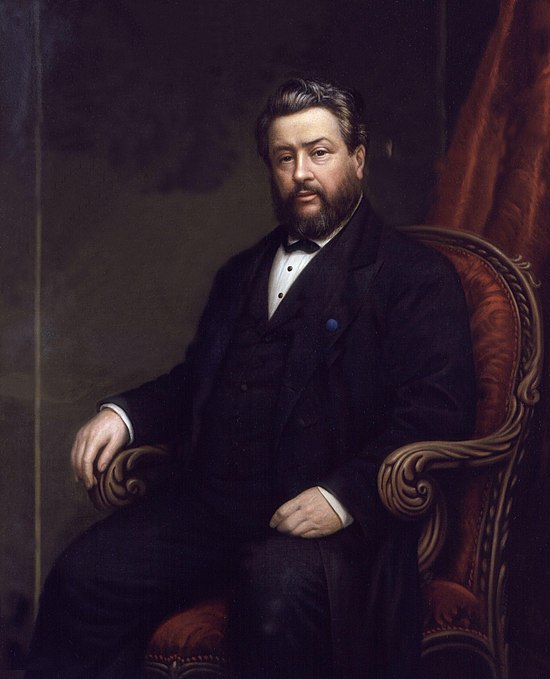
Charles Spurgeon

Spurgeon's Morning and Evening - Dec 3 AM

Song of Solomon 4:7
Charles Spurgeon December, 3 1999 Audio
0 Comments
To view TODAY'S TEXT, copy this URL into your browser:
http://www.spurgeon.org/morn_eve/this_morning.c...

Sermon Transcript

Auto-generated transcript • May contain errors

100%
There is no spot in thee. Song of Solomon chapter 4 verse 7. Having pronounced his church positively full of beauty, our Lord confirms his praise by a precious negative. There is no spot in thee.

As if the thought occurred to the bridegroom that the carping world would insinuate that he'd only mentioned her comely parts and had purposely omitted those features which were deformed or defiled, He sums up all by declaring her universally and entirely fair and utterly devoid of stain.

A spot may soon be removed and is the very least thing that can disfigure beauty. But even from this little blemish the believer is delivered in his Lord's sight. If he had said there is no hideous scar, no horrible deformity, no deadly ulcer, we might even then have marveled. But when he testifies that she is free from the slightest spot, all these other forms of defilement are included, and the depth of wonder is increased.

If he had but promised to remove all spots by and by, we should have had eternal reason for joy. But when he speaks of it as already done, who can restrain the most intense emotions of satisfaction and delight? O my soul, here is marrow and fatness for thee. Eat thy full, and be satisfied with royal dainties.

Christ Jesus has no quarrel with his spouse. She often wanders from him and grieves his Holy Spirit, but he does not allow her faults to affect his love. He sometimes chides, but it is always in the tenderest manner, with the kindest intentions. It is my love even then.

There is no remembrance of our follies. He does not cherish ill thoughts of us, but he pardons and loves as well after the events as before it. It is well for us it is so. For if Jesus were as mindful as injuries as we are, how could he commune with us? Many a time a believer will put himself out of humor with the Lord for some slight turn in providence. But our precious husband knows our silly hearts too well to take any offense at our ill manners.
Charles Spurgeon
About Charles Spurgeon
Charles Haddon Spurgeon (19 June 1834 — 31 January 1892) was an English Particular Baptist preacher. His nickname is the "Prince of Preachers."
Broadcaster:

Comments

0 / 2000 characters
Comments are moderated before appearing.

Be the first to comment!

Joshua

Joshua

Shall we play a game? Ask me about articles, sermons, or theology from our library. I can also help you navigate the site.