Bootstrap
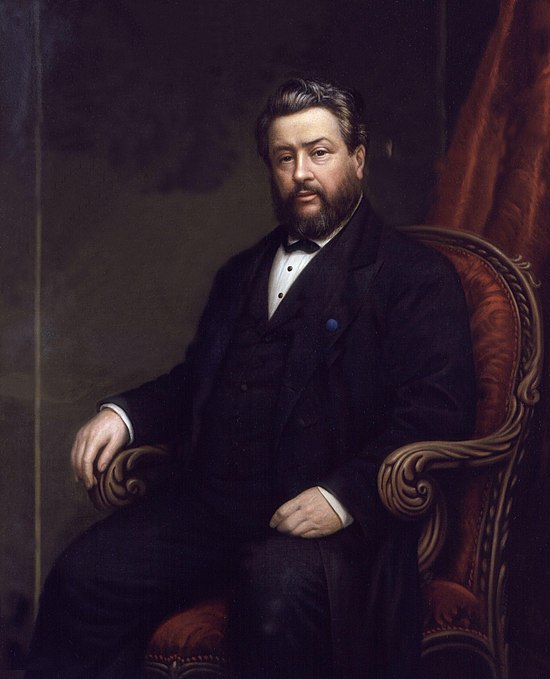
Charles Spurgeon

Spurgeon's Morning and Evening - Mar 1 AM

Song of Solomon 4:16
Charles Spurgeon March, 1 1999 Audio
0 Comments
To view TODAY'S TEXT, copy this URL into your browser:
http://www.spurgeon.org/morn_eve/this_morning.c...

Sermon Transcript

Auto-generated transcript • May contain errors

100%
Awake, O north wind, and come thou south. Blow upon my garden, that the spices thereof may flow out. Song of Solomon, chapter 4, verse 16.

Anything is better than the dead calm of indifference. Our souls may wisely desire the north wind of trouble, if that alone can be sanctified to the drawing forth of the perfume of our graces. So long as it cannot be said the Lord was not in the wind we will not shrink from the most wintry blast that ever blew upon plants of grace.

Did not the spouse in this verse humbly submit herself to the reproofs of her beloved only in treating him to send forth his grace in some form and making no stipulation as to the peculiar manner in which it should come? Did she not like ourselves become so utterly weary of deadness and unholy calm that she sighed for any visitation which would brace her to action?

Yet she desires the warm south wind of comfort, too, the smiles of divine love, the joy of the Redeemer's presence. These are often mightily effectual to arouse our sluggish life. She desires either one, or the other, or both, so that she may but be able to delight her beloved with the spices of her garden. she cannot endure to be unprofitable, nor can we.

How cheering a thought that Jesus can find comfort in our poor, feeble graces. Can it be? It seems far too good to be true. Well may we court trial or even death itself if we shall thereby be aided to make glad Emmanuel's heart. Oh, that our heart were crushed to atoms if only by such bruising our sweet Lord Jesus could be glorified.

Graces unexercised are as sweet perfumes slumbering in the cups of the flowers. The wisdom of the great husbandman overrules diverse and opposite causes to produce the one desired result and makes both affliction and consolation draw forth the grateful odors of faith, love, patience, hope, resignation, joy, and the other fair flowers of the garden.

May we know by sweet experience what this means.
Charles Spurgeon
About Charles Spurgeon
Charles Haddon Spurgeon (19 June 1834 — 31 January 1892) was an English Particular Baptist preacher. His nickname is the "Prince of Preachers."
Broadcaster:

Comments

0 / 2000 characters
Comments are moderated before appearing.

Be the first to comment!

Joshua

Joshua

Shall we play a game? Ask me about articles, sermons, or theology from our library. I can also help you navigate the site.