Lord, what will You have me to do?
Acts 9:5-6
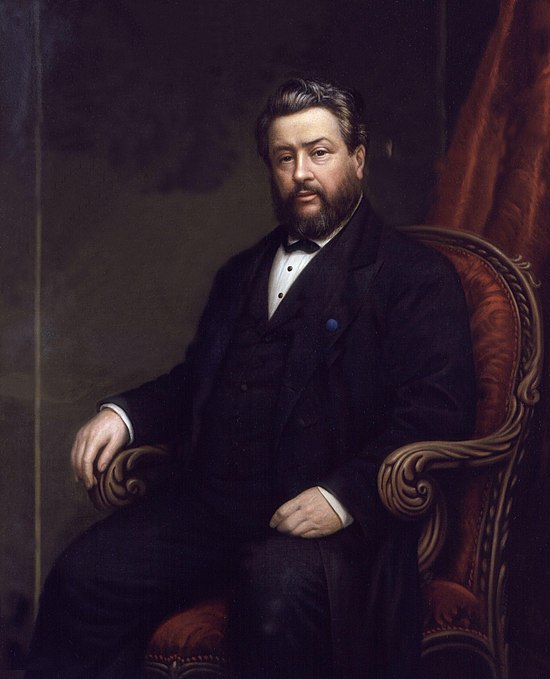
In this sermon on Acts 9:6, Charles Spurgeon addresses the imperative of universal obedience to Christ as the defining mark of genuine discipleship, exemplified in Paul's conversion question, "Lord, what will you have me to do?" Spurgeon argues that believers must submit absolutely to Christ's lordship regardless of personal cost—whether through social ostracism, family separation, or persecution—while remaining unconcerned with temporal consequences. The preacher illustrates this principle through his own conversion experience, recounting how he independently searched Scripture and discovered the doctrine of believers' baptism through careful exegetical study, ultimately choosing obedience over conformity to the religious traditions of his social circle. Spurgeon emphasizes that the critical issue is not the particular conclusions one reaches through Scripture study but rather the posture of humble, submissive inquiry itself and the willingness to follow Christ faithfully regardless of opposition. The practical significance lies in Spurgeon's call for individual, personal investigation of Scripture as a safeguard against ecclesiastical and cultural pressure, affirming the Protestant principle that each believer bears responsibility before God to understand and obey His Word. This sermon reinforces the Reformed emphasis on sola scriptura while demonstrating how doctrinal conviction flowing from direct biblical study produces integrity of conscience and consistency in Christian witness.
“You have nothing to do with these consequences. Your business is to say, show me what you would have me to do, and I will do it.”
“I would rather be right alone than be wrong with all the world. Every honest Christian ought to feel that he would rather follow Jesus with two or three than run with a multitude after the traditions of men.”
“I do not set so much importance upon the result of your investigation as I do upon the investigation itself. I care less about the result you arrive at than I do for the Spirit which would lead you, as a disciple of Jesus, to earnestly desire to follow your Master.”
“May the Lord help us to be concerned to know and do His will in all things, fearless of consequences.”
The Bible emphasizes the importance of yielding universal obedience to God, regardless of personal consequences.
Acts 9:6
Believer's baptism is important as it is commanded by Scripture and signifies one's personal faith in Christ.
Acts 2:38-41, Matthew 28:19-20
Reading the Bible is crucial for Christians as it helps them understand God's will and guide their obedience.
2 Timothy 3:16-17, Psalm 119:105
Auto-generated transcript • May contain errors
Comments
Your comment has been submitted and is awaiting moderation. Once approved, it will appear on this page.
Be the first to comment!