Bootstrap
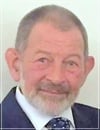
Daniel Parks

Sin and the Believer (1 John)

Daniel Parks August, 13 2023 Audio
0 Comments

In the sermon "Sin and the Believer," Daniel Parks examines the nature of sin in the life of a believer as articulated in the Epistle of 1 John. He emphasizes that sin is an inherent characteristic of humanity inherited from Adam, thus presenting a doctrine of original sin. Parks references specific verses such as 1 John 1:8-10, which asserts that acknowledging one's sin is essential for receiving God's forgiveness, and the role of Jesus Christ as the advocate and propitiation for sins (1 John 2:1-2). He argues that a true believer, transformed by regeneration, does not habitually sin, as seen in 1 John 3:6-9, indicating a distinction between the nature of those born of God versus those who are not. The practical significance of this doctrine insists that while believers still sin, their lives are characterized by a pursuit of righteousness, because they are empowered by the Holy Spirit and motivated by the love demonstrated through Christ's atoning sacrifice.

Key Quotes

“If we say that we have no sin, we deceive ourselves and the truth is not in us.” (1 John 1:8)

“He is the propitiation for our sins, and not for ours only, but also for the sins of the whole world.” (1 John 2:2)

“He who says, I have not sinned, has committed two great sins. First, he just made himself equal to God, because none but God has never sinned.”

“Whoever habitually sins has neither seen Christ nor known him.” (1 John 3:6)

Sermon Transcript

Auto-generated transcript • May contain errors

100%
Good morning. I invite your attention to the
first epistle of John the Apostle, the first epistle of John. As you probably know, John wrote
the fourth gospel. Then he wrote three epistles,
1 John, 2 John, and 3 John. And he wrote the last book in
the Bible, the Revelation of Jesus Christ, sometime around
100 A.D. John was probably close to 100
years old at that time. We here have five books in the
New Testament written by this one man, a gospel three epistles
and the general epistle of the revelation of Jesus Christ. John was a tender man, a fisherman,
tough but tender, soft-hearted, and evidently an ideal pastor. He pastored in Ephesus. He was arrested for preaching, dropped into a vat of boiling
oil, snatched out before it killed him, and then sent off to exile
in Patmos. epistles to the church there, and they're tender and they're
kind. As I said, he was an ideal pastor. But in this first epistle,
he deals with a number of subjects, and among them is the subject
of sin and the believer. The believer and his sin. He
makes some statements and we'll look at them and then we'll come
back and consider them one by one. Look with me, if you will,
in chapter 1, verse 8. Here's the first statement that
John makes. If we say that we have no sin,
we deceive ourselves and the truth is not in us. Second statement
is in verse 9. If we confess our sins, he is
faithful and just to forgive us our sins and to cleanse us
from all unrighteousness. Third statement is in verse number
10. If we say that we have not sinned,
we make God a liar and his word is not in us. Then the fourth
statement, chapter 2, verse 1. My little children, these things
write I unto you that ye sin not. Then the fifth statement,
same verse, continuing. And if any man sin, notice he
said, do not sin. Then he says, but if you do,
and if any man sin, We have an advocate with the Father, Jesus
Christ the righteous. Then we find the next statement,
the sixth statement, is in verse number two. And he is the propitiation
for our sins, and not for ours only, but also for the sins of
the whole world. Now, he's going to make some
more statements. We're going to look at three
more. They are later in the book. Look now at chapter 3, verse
6, because John is going to tell us that if you are a believer,
if you are regenerate, if you are born again, if you reside
in Christ, you will not sin and you cannot sin. That's what he
says. His very words. Chapter 3, verse
6. Chapter 3, verse 6. Whosoever
abideth in Christ sinneth not." Huh, now that's an interesting
statement. Whosoever abideth in Christ sinneth
not. Whosoever sinneth hath not seen
him, neither known him. Now look in verse number 9. Whosoever
is born of God doth not commit sin, for God's seed remaineth
in him, and he cannot sin, because he is born of God. Now look in
chapter 5, verse number 18. And we know that whosoever is
born of God sinneth not. But he that is begotten of God
keepeth himself, and that wicked one toucheth him not. Now, these
are the statements that John has made regarding the relationship
between the believer and his sins. Sins of various sorts. Just look at these statements
one by one. The first statement, go back
to chapter 1, verse 8. In chapter 1, verse 8. If we say that we have no sin,
we deceive ourselves and the truth is not in us. Now, here
John speaks of sin not as a deed committed, but rather as an item
possessed. Sin not as something done, but
rather sin is something that is owned. It is not an action. It is an object. And John is
going to describe what it is when we say that we have no sin. All of us have sin. And we sin
because we have sin. In fact, one can say we have
sin because we are sin. But here is a man who says, I
have no sin. I have none. What he is saying is this, I
do not have the guilt of Adam that was imputed to me because
of his fall. When you read Paul's epistle
to the Romans, you'll find that when Adam sinned, he did so as
the head of every one of his descendants, you and me. When
Adam stood before God in the Garden of Eden, he was there
as our head, our representative. When Adam sinned, we sinned.
When Adam became guilty, we became guilty. His guilt was passed
upon us. Therefore, we have Adam's sin. We call it original sin. It is
our original sin. Here's a man who says, not me.
Not me. I don't have it. Then there is
the sinful nature with which we were born. We were dead in
trespasses and sins as a consequence of Adam's sin. Sin is something
that we have, not merely something we do. Sin is what we are. And
then there is the guilt of personal sins. Oh, there are people who
can Do the worst deeds you can imagine and have no guilt over
it and laugh about it. Have no guilt. There are some
like that. You have to wonder what do they
think, you know, in their private moments. Maybe they're putting
on a front before the world. But here's a man who says, I
have no sin. No. I have no guilt. I am sinlessly
perfect in what I am. I have no guilt. Now there was
only one man who ever was sinless in that regard, and that was
the God-man, Jesus Christ. In Him there is no sin, 1 John
3, 5. He knew no sin, 2 Corinthians
5, 21. He was without sin, Hebrews 4,
15. And there was never another like
Him in that regard who had no sin. Not only did Jesus Christ
do no sin, he had no sin. He did no sin because he had
no sin and had no sin because he did no sin. He's the only
one of whom we can say he had no sin. Now, there are some who
will say, I'm sinless. I'm sinless. Well, they are self-deluded. John says, they deceive themselves. They do not deceive the rest
of us, so do they. There are men who claim they
are sinless. I read of a preacher or a man
who heard a preacher who said he had reached sinless perfection. And there are some sects that
teach that sinless perfection, the entire sanctification, you
know, you can progress in holiness to the point where you no longer
have any sin. Well, there was a man who preached
that one night, and the next morning, this preacher who said
that he had no sin was eating breakfast, and a man who had
heard him walked over to the table where the preacher was
sitting there eating breakfast, picked up a pitcher of milk and
poured it right over his head. Poured a pitcher of milk over
the head of the preacher who said he was sinlessly perfect. Well, that preacher got up and
said some things he should not have said. And he said them in
a manner in which he should not have said them to which the man
who poured the milk said, well, there went your sinless perfection.
You just lost it. Listen, folks, when people say
they are sinlessly perfect, the only people they fool are themselves. They don't fool the rest of us,
do they? Then furthermore, notice something
else about him. He is devoid of God's truth.
John says the truth is not in him. If a man says, I have no
sin, God's truth is not in him. If God's truth is not in him,
he is full of the devil's lie. Now, there is no one here, is
there, who says, I have no sin. None of us. All right? I mean,
I know I'm not going to make that statement. Okay, next statement,
chapter 1, verse 9, if we confess our sins, God is faithful and
just to forgive us our sins and to cleanse us from all unrighteousness. Now, what is it to confess sins? It is simply to acknowledge them.
Acknowledge the guilt, acknowledge the terribleness of our sins
to God and pray for forgiveness. Read the 51st Psalm sometime
if you want to know how to confess your sins. Lord, I have sinned.
I plead for your forgiveness. And if we do so, God will do
two things. First, He will forgive our sins. He will forgive our sins. Forgiveness in scripture is translated
from various words. Now this one means to send away. God will send away our sins. He'll just make them go somewhere
else. There was a day when the children
of Israel, every year, made a sacrifice to God for their
sins. And on that day, a goat was brought
to the priest. This strong man has got this
goat, and the priest comes and puts his hands on the goat's
head and confesses the sins of the people. In so doing, with
his hand on the head of the goat, the sins of the people are transferred,
as it were, to the goat. He's called a scapegoat. His name in the Hebrew is Azazel. His sins, the sins of the people,
are now on the head of the goat. Then the priest gives that goat
to a man and says, take this goat into the wilderness. And
so the man with the goat in his hand takes the goat into the
wilderness, and the people watch him, and there he goes. He's
got that goat. It's still in his hands. He goes
to a place that is completely uninhabited, a place where nobody
can see him, a place where no one lives. He turns that goat
loose and shews it away, and that goat is never seen again. Now, here's the significance
of that. The sins of the people are on
the goat. The goat is sent away, never
to be seen again. The people's sins are sent away,
never to be seen again, and that is what God does with us. Jesus
Christ not only is the sacrifice for our sins, but also the scapegoat
who has taken our sins to a place where no one will ever see them
again. As far as the East is from the West, so far has He
removed our sins from us. God has cast them behind His
back. That's an interesting phrase.
God took our sins and cast them behind his back. And someone
said, well, what if he turns around? Well, they're still behind
his back. Our sins are where they will
never be seen because God sent them away. God does something
else. Forgive our sins and to cleanse
us from all unrighteousness. And he does so through the shed
blood of Jesus Christ. If we confess our sins, God will
make them go away and then he'll wash us from them. And in that
day a fountain shall be opened for sin and uncleanness. We sing
of this in the hymn. There is a fountain filled with
blood drawn from Emmanuel's veins. And sinners plunge beneath that
blood, lose all their guilty stains. They're washed away. Now, here's the good news about
this. The condition of forgiveness
is confession. The assurance that your sins
will be forgiven is God is faithful and just. He cannot lie. He cannot lie. No one ever came
to God and confessed his sins and God said, Nope. Cannot forgive that. That sin's a bit too big. I'm
not going to forgive that. God will not do it. He is faithful
and just. Every sin we commit, if we confess
it, He will forgive it. He'll cleanse us from it. Now
we come to that third statement in verse number 10. If we say
that we have not sinned, we make God a liar and His Word is not
in us. Holy Scriptures declared that
there is not a just man on the earth who does good and does
not sin. All have sinned. Now, surely
we all know that, do we not? I mean, you know, I know my heart. And listen, folks, you're as
sinful in your hearts and in your actions as I am. We're just
all alike. There is not a just man on the
earth who does good and does not sin. He who says, I have
not sinned, has committed two great sins. First, he just made
himself equal to God, because none but God has never sinned.
When a man says, I have not sinned, he has made himself equal to
God. Furthermore, he just called God a liar. Now listen, folks,
it is one thing to call me a liar and, you know, if I have told
the truth and you call me a liar, I'm not going to worry too much
about it. I just figure it's what was said was more a reflection
upon you than it was upon me if I have told the truth. To call God a liar? I mean, you
know, you call me a liar, you know, I'm not going to do anything
about it. You call God a liar, you have
to stand before him one day at judgment. And God says, by the
way, what was it you called me? You said that you had not sinned?
You called me a liar. Listen, folks, let's just admit
it, all right? Every one of us has sinned. And every one of us sins. And we do it every day. None
of us can say for a truth that we have no sin and we have not sinned. And here is a man who is Christless
because God's Word is not in him. God's Word is preeminently
Jesus Christ. If you have Christ in you, you
will admit you're a sinner. Now the fourth statement, chapter
2, verse 1, my little children, these things write I to you that
you may not sin. Now notice John's language, my
little children. Pastors look upon the members
of their congregation as their children. Now you may be older
than me, but I still look upon the members of the church as
my children." John did. He's writing to a church
that he had pastored, my little children. Note the compassion and the tenderness. This is a man who truly had a
pastor's heart, my little children. Notice his concern for them.
He says, I have told you that The blood of Jesus Christ has
continually cleansed you. Go back to chapter 1, verse 7. Chapter 1, verse 7, if we walk
in the light as he is in the light, we have fellowship one
with another and the blood of Jesus Christ his son. Now, notice
the next word and notice the tense, cleanseth. The blood of Jesus Christ continues
to cleanse us from our sins. It cleansed me at Calvary. It's
cleansing me right now. The blood of Jesus Christ, God's
Son, continually cleanses us from our sins. But that does not grant to us
a license to sin. I suppose all of you know my
dear friend Bruce Crabtree. And a man told Bruce one time, because
he'd heard Bruce say that all our sins are forgiven, all our
sins past, present, and future. You mean to tell me that your
future sins are already forgiven? Oh yeah, they're forgiven. Well, if I believed that, I'd
live any old way I want to. And Bruce replied, I wish I could
live like I want to. I wish I could. If I could live
like I want to live, I would never sin again. Our sins are forgiven. It took the blood of Jesus Christ
to do that. Is that not motivation enough
for holy living? Is it not? To consider what it
took to forgive us? No! We don't want a license to
sin. We wish we could stop. We wish
we would never sin again. But we know we will. But look
at the next statement, chapter 2, verse 1, second part. If anyone
sins, we have an advocate with the Father. Jesus Christ the Righteous. Now
this word advocate, it's a Greek word, paraklete. You've heard that word before.
Paraklete. It means someone who stands beside
you to help you. If we sin, We have a paraclete,
someone to stand beside us to represent us. It works like this. I have sinned. I stand before
God. Have you sinned? And before I can answer, someone
comes and takes his place beside me and he says, Don't answer
that question. Do not speak. I will do all of
your speaking. Who are you? I'm your lawyer.
I am your advocate. I'll do the speaking for you.
Now, you just don't say a word. I am your advocate. All right? Your Honor! Yes, this man has said Yes, this
man has done enough to damn his soul forever. Yes, this man has
sinned, and this man has sinned. But your honor, look at my hands. Look at my feet. Five bleeding
wounds he bears received on Calvary. They pour effectual prayers and
strongly plead for me. Forgive, oh, forgive. They cry,
nor let that ransom sinner die. My paraplegic says, your honor,
my blood has cleansed him from his sins. Every one of them,
my blood has forgiven him of his sins. My righteousness is
his. He stands before you as holy
and as righteous as I am. I am his advocate and my virtues
and my merits and my blood are his defense. And the judge says,
you may go. You may go. That's my lawyer,
folks. My lawyer is sinless. Yes, there
is a sinless lawyer. There is at least one righteous
lawyer. His name is Jesus Christ and
he's my lawyer. He's my advocate. When I stand
before God to be judged, here he is, says, Moose, don't say
a word, I will answer for you. Now the next statement, the sixth
statement, chapter 2, verse 2, and he himself is the propitiation
for our sins. What is a propitiation? It is
an atoning sacrifice. It is the sacrifice that removes
our guilt from us, appeases God's wrath, and makes us to be one. He is the propitiation for our
sins. His blood is put on the mercy
seat and covers our sins. And now, God can be merciful
to us. He is the propitiation for our
sins. And he's the only one who is
acceptable to God as a propitiation. Which means, my friends, that
if Jesus Christ is your lawyer, God's going to pronounce you
innocent. And if Jesus Christ is the covering
for your sins, God will not see them. God and you are at peace. Now, number 7. Come with me to chapter 3, verse
6. Chapter 3, verse 6. Whosoever abideth in Christ sinneth
not. John, I thought a while ago you
said that Everyone sins. Yeah, that's true. But here you just wrote that
you must not sin. Whosoever abides in Christ does
not sin. Now folks, of course you know
that John does not contradict himself. John is talking about
a habit, a manner of life. God looks upon His people and
sinners they are, but in His sight they're righteous. They commit sins, but not habitually. It is not the manner of their
life. It is not the way that they live.
They're different now. They're different now. There
are two sorts of people in this world. One who do not sin habitually
and others who have to sin habitually. It is their manner of life. John
is here saying that whoever abides in Christ does not sin. Then chapter 3, verse 9. Now
notice what he says in chapter 3, verse 9. Whosoever is born
of God. Now in verse 6, it was whosoever
abides in Christ does not sin. Here it is, whosoever is born
of God doth not commit sin. For God's seed remains in him
and he cannot sin because he has been born of God. And then
we'll look one more time at chapter 5, verse 18. We know that whosoever
is born of God sinneth not, but he that is begotten of God keepeth
himself, and that wicked one toucheth him not. Now, these
texts do not imply, they do not suggest, they do not require
sinless living. We endeavor to live sinlessly. We wish we could live sinlessly. We are grieved when we do not
live sinlessly. But this we do know, that one
of these days we shall be sinless, and that will be when Jesus Christ
appears, for we shall be like him. But sin is not the habit
and the manner of our lives. We may commit the worst of sins
and do not think you are not capable of the worst of sins. David, the king, committed adultery, then had her husband killed so he could have his wife. Okay, folks, you can't be much
more of a sinner than that, can you? I mean, do not ever think
that you are not capable of the worst of sins. Yes, you are. Yes, I am. We are capable of the worst of
sins. God is faithful and just and
can forgive the worst of sins. He did so in David's case. I
told you a little while ago to read the confession of sin in
Psalm 51, make it a rule of that. In fact, if I were you, I'd go
to Psalm, the 51st Psalm, and at the end of the last verse,
I would write, now read Psalm 32. Do not read Psalm 51 without
then reading Psalm 32. David confesses his sin before
God. I have sinned, I have sinned,
I have done grievously. And then you go to the 32nd Psalm
and he says, I have been forgiven. Blessed is the man to whom you
do not impute iniquity. Sin is not the manner of our
life. Rather, we practice righteousness.
Look in chapter 3, verse 7. We practice, we do righteousness. That's the distinguishing mark
of God's children. They forsake their sins and they
practice righteousness. Now, there are reasons given
why we cannot habitually sin. We are born of God. Now, we are
born of God when we are born of the Holy Spirit. It's interesting
that in John's Gospel, Chapter 1, believers are said to have
been born of God. Jesus said in John 3, they're
born of the Holy Spirit. Well, now, which is it? Are we
born of God or are we born of the Holy Spirit? Yes. Well, which
is it? Both. And it's all the same. When you're born of God, he does
it through the Holy Spirit. When you're born of the Holy
Spirit, you're born of God. What happens when you're born
of God? He becomes your father. You become his child. And here
is a case of like father, like son. We act just like our father. My grandfather, paternal grandfather,
his name was Noah Joseph Parks, my father's father, but we called
him Pa, and that's what my children called me, my grandchildren,
Pa. I was at my mother's house one
day, some years ago, and it was a family reunion. and most everybody's
in the living room with my mother, and I happened to walk across
the yard, and my mother saw me walk across the yard, and she
said, there walks Noah Joseph Parks, pa. I walked just like
him. Now, that's not unusual, folks.
Children walk like their fathers, should they not? And hopefully, if you have a good father, you're
going to walk like a good man. Like father, like son. By the
way, I did walk like my father, too. We all walked the same. So if you see me walk, you're
looking at my father and you're looking at my grandfather. We
all walked the same. like father, like son. If God is your father, how should
your conduct be? Does God sin? No. Should his
children sin? No. They should forsake it. In this life, they still have
a bit of the devil in them. They still have that old nature
in them. But to the best of their God-given
ability, God's children follow Him. They imitate Him. They live
just like Him. Jesus said to the unregenerate,
you are of your father the devil and the desires of your father
you want to do. And now He says to us, you are
of your father Jehovah and the deeds of your father Jehovah
you want to do. Now that's how you spot God's
children. They desire to live just like God the Father does. He says, stop sinning and we
honor His will. Then second, we are to cease
sinning and we are to never sin again
because God's seed remains in us. That's what John says, God's
seed remains in us. Now, God's seed is like every
other seed. It bears fruit according to its
kind. Here's a man who wants a vineyard.
So what does he do? He gets grape seeds. He puts
them in the ground. He plants grape seeds and then
makes sure that the sun gets on the ground and he keeps it
watered. What's he expecting to come up?
Weeds? No, no. Thistle? No. What you plant? Plant grape seeds. What you gonna get? Grapes. Grapes? Seed always bears fruit according
to its kind. God's seed is planted in the
believer and we bear fruit according to the seed that is put in us.
God's seed remains in us. It never goes away. It's always
sending forth fruit. Now, God's seed is godly, righteous,
and holy, never sinful. The fruit of God's seed in our
life is godliness, righteousness, and holiness, never sinfulness. God's seed remains in Him and
He abides in Christ. Now, there's the third reason.
We are born of God, God's seed remains in us, and we abide in
Christ. We abide in Christ. When the Lord saves us, we move
out of the devil's house and into Jesus' house. We abide in him. He is our place
of residence. Now it's interesting that John
also wrote of abiding in Christ in John's Gospel chapter 15.
If you abide in me, Jesus said, you will bear forth much fruit. If you do not, you're going to
get cut off. The lopper comes and if you're
not producing fruit, now watch this, when we are converted,
We move out of the devil's house and into Jesus's house. In Jesus's house, no sinners. Everybody's practicing
righteousness. Now in the devil's house, no
righteous people. Everybody's practicing sin. If a man is claiming to be in
Jesus's house, and he sins like the devil, Jesus will evict him. You cannot live in Jesus' house
and evict when you sin. It just won't happen. Once I became an adult and my
father told his children we could live at home as long as we were
in school, even after we graduated from high school. And, you know,
there was a college there in the town, and the colleges, and
we went to school. He told us, I want you to live
at my house if you're not married as long as you're in college.
And we knew we could, but we still had to obey the rules. And if we had been rabble-rousers
and bringing dishonor to my father's name, by the way, we lived in
a parsonage. And if you're going to be living
like the devil in my father's house, he's going to put you
out. It's just not going to happen.
Jesus treats his children the same way. You're going to live
right or I'll put you out. You cannot abide in Jesus's house
and live like the devil. And a man who claims to be, or
a man who shows that he's living like the devil and claims to
live in Jesus's house, he's lying. You cannot do it, folks. You
cannot do it. If you abide in Christ, you're
going to live a holy and a righteous life. Why? Because of that blood. because of that blood. Why do
we not sin? That blood paid for my sins. We would not dishonor it. That
blood cleansed me from my sins. I will not go back to them. That
blood sent my sins far away. I'm not going to go looking for
them again. The converse is true. Whoever habitually sins has neither
seen Christ nor known him, chapter 3, verse 6. And whoever habitually
sins is of the devil, for the devil has sinned from the beginning. Now that is the relationship
of the believer and his sins. We confess, yep, we have sinned. Guilt. Yes, we We have sinned,
and yes, we do sin, and yes, we will sin. But we have an advocate. We have
a lawyer, a sinless lawyer, and he pleads our cause. And he's
the sin-atoning sacrifice for our sins. And because of what
he has done for us, We're going to obey Him when
He says, I do not condemn you. Go and sin no more. Go and sin
no more. That's how you spot children
of God and children of the devil. Children of the devil live to
sin. Children of God practice righteousness. You can spot it in their lives.
And I pray that every one of us will prove ourselves to be
children of God in the lives that we live and in declaring
that blood that made us what we are. And O God, our Father,
to the glory of your name and to the honor of your Son, Jesus
Christ, forgive us our sins. Cleanse us from all our unrighteousness. And may we live lives that bring
honor and praise and glory to your name. In Jesus' name we
pray, Amen.
Daniel Parks
About Daniel Parks
Daniel E. “Moose” Parks is pastor of Sovereign Grace Church, 1000 7th Avenue South, Great Falls, Montana 59405. Call/text: 931.637-5684. Email: MooseParks@aol.com.
Broadcaster:

Comments

0 / 2000 characters
Comments are moderated before appearing.

Be the first to comment!

Joshua

Joshua

Shall we play a game? Ask me about articles, sermons, or theology from our library. I can also help you navigate the site.