Fishers of Men
Ecclesiastes 11:1-6
Sermon Transcript
Auto-generated transcript • May contain errors
going to be jumping around a little bit. First, turn with me to Matthew
chapter 4. In verse 19, this will be kind
of the theme. We're going to end up in Ecclesiastes
eventually. Matthew 4. And verse 19. As I read these passages,
I'm going to read here, I'm going to read Acts, and in Matthew,
Keep them in mind as we go to our main passage in Ecclesiastes. But Matthew 4, verse 19 says, Christ said to His disciples, He said unto them, follow Me
and I will make you fishers of men. I will make you fishers
of men. Acts chapter 10. This is what we see going on
in Acts chapter 10. Acts chapter 10 starting in verse
34. Peter was just about to become
a fisherman. or he was humanly a fisherman. We're talking about evangelizing,
speaking the Gospel, which is what we are to do. Verse 34,
Then Peter opened his mouth, faith comes by hearing, hearing
the Word of God, and he said, Of a truth I perceive that God
is no respecter of persons, but in every nation he that feareth
Him and worketh righteousness is accepted with Him. The Word
which God sent unto the children of Israel, preaching peace by
Jesus Christ. He is Lord of all. That's our
theme. That's the theme of our preaching.
It's not the economy. It's not the politics. It's not
the weather. That's what we do. We are here
to preach. And again, that's just teach.
The Ethiopian eunuch, when he was speaking, they were conversing
Philip one another. He wasn't standing behind a pulpit. He was just one on whom they
were conversing. Verse 37, The word I say you
know, which was published throughout all Judea, and began from Galilee
after the baptism which John preached. how God anointed Jesus
of Nazareth with the Holy Ghost and with power, who went about
doing good. That's what we're supposed to
do. Physically, emotionally, mentally, and spiritually. He went about doing good, and
healing, we can't do that. All that were oppressed of the
devil, for God was with them. who we are witnesses of all things
which He did, both in the land of the Jews and Jerusalem, whom
they slew and hanged on a tree, and God raised Him up." There's
our gospel in a nutshell. We speak of Him whom we crucified,
but He's Lord of all, and God raised Him from the dead. And
we heard that this morning in Bible class. Because He raised,
we will raise again. Matthew chapter 13. Matthew chapter 13, starting
in verse 18. Matthew chapter 13, starting
in verse 18. Hear the Word, hear ye therefore
the parable of the sower. when anyone hears the word of
the kingdom and understands it not, then comeeth the wicked
one and catches away that which was sown in his heart. This is
he which received the seed by the wayside. But he that received
the seed in the stony place, the same as he, he hears the
word and he gets excited with joy, receives it. Yet he is not
rooted in himself, but endures for a while For then, when tribulation
and persecution arises because of the Word, by and by, he's
offended. It's not worth it. That's why
when I've heard preachers say this for a long time, you know,
the Lord's done something for that person. They get excited,
they're encouraged, but they say, come back to me in 10 years. Come back to me in 10 years.
Or 15 years. Or 20 years. He that endures
to the end, there's a continuance. In verse 22, there's another
person that received a seed among thorns. It's he that hears the
Word, seems to believe it, and the care of this world, and the
deceitfulness of riches choke the Word, and he becomes unfruitful. Now, it's very important. There's
only two things that this guy's problem is. That's the care of
the world, and deceitfulness of riches. Now we all would like
more money, or perhaps not like bills, but that's all part of
it. More often than not, God's people
are common people, are poor people, that's just what we do, that's
just what we are. But it's all in God's providential
dealings with us. That's fine. So we have to be
careful what we wish for, what we pray for, I was reading to somebody, Phil
Potter somebody, and he said that the three greatest dangers
that a believer ought to be praying about is riches, worldliness,
and pride. I thought, well, that pretty
well takes care of us. But then there's this other,
one of four. But he that receives the seed
into good ground, is he that hears the Word, understands it,
which also bears fruit and brings forth some 100, some 60, some
30. So he's talking about sowing
seed. He's talking about the work of the Holy Spirit. He's
talking about these things. Turn with me to Ecclesiastes
chapter 11. This is where we'll be for the rest of the remainder of the
morning. Verses I just read tie together
with Ecclesiastes 11, verses 1-6 very well. Very well. Let's read verses 1-6 of Ecclesiastes. For thou shalt find it after
many days. Give a portion to seven, and
also to eight. For thou knowest not what evil
shall be upon the earth. If the clouds be full of rain,
they empty themselves upon the earth. And if the tree fall towards
the south or towards the north, in the place where the tree falls,
there it shall be. He that observes the wind shall
not sow, and he that regards the clouds shall not reap. As
thou knowest not what is the way of the Spirit, nor how the
bones do grow in the womb of her that is with child, even
so thou knowest not the works of God who maketh all. In the
morning sow thy seed, and in the evening withhold not thy
hand. For thou knowest not whether
shall prosper either this or that, or whether they both shall
be alike good." He's speaking about sowing. and reaping. The word in verse 1, I looked
this over and looked this over, and Maldon just kept looking
at it. Cast thy bread upon the waters. Cast. That simply means to sow
three times in Proverbs. It means to sow. It means to
send or put forth. 54 times in the Bible. It means to send away 48 times. So this word, cast, is used very
frequently, but it's used in different manners, but it all
means basically the same thing. Send it, cast it, send it forth.
And the word bread, that's what was kind of confusing myself
and Melinda. It's actually bread corn or grain,
as in seed. Now it seems to, some of the
writers seem to think, which agrees with the following several
verses in context, it seems to indicate the manner in which
the Egyptians sowed seed along the Nile. Not in the river Nile,
in the flood stages. Now we are familiar with flood
stages in southeast Missouri. The flood, and we're not talking
about the main channel, We're talking about when it comes up,
it overflows its banks, and then it sits there, they would sow
the seed, and this is documented, they would sow the seed on the
water, cast thy bread. And then when the flood, you
know, I don't know how deep it was, some of our places it's
just not even a foot deep, and then as it receded, the soil's
pretty fertile, because it's got all that fresh nutrients.
and then they could get a harvest. So this seems to be what it is
indicating, whether He is or not, cast Thy bread upon the
waters. It's a promise. For Thou shalt
find it after many days. So this passage in Ecclesiastes
ties very well with these other texts that I've already read
in Acts 10, the first indication, as it were, of being fishers
of men, and in the parable of the sower. And Christ says, you know, while
I'm here, you know, work while you've got sun. And we say, get
while the getting's good. And when Christ says, you know,
while I'm here, you need to go ahead and work and do this and
do these different things. And so this casting the bread
upon the waters, this is for all seasons. This is what we're
here for. This is what we're here for. So, cast, send forth
the seed or the Word of God, and we do this by example, Christ
did good, by actions of being kind and tenderhearted to our
neighbors, our friends, our families, but specifically by verbalization
of the Word of Truth to anyone and everyone we know or see. This is just what we're supposed
to do. You know, you get people who, they dedicate themselves
to one thing in their whole life, and they're probably really good
at it, whatever that may be. The believer has to dedicate
himself, herself, to casting bread. We can't, we can't, you
throw that seed on that water, you're like, what's going to
happen? Well, they had done it for thousands
of years. That's what we're to do. We have no control over the
heart. We have no control over the emotions.
But as the opportunity arises, we cast the bread. That's what
we're to do. Faith comes by hearing and hearing
the Word of God, says Romans 10. We know that. We've seen, as I said, in this
area, floodwaters. and they become stagnant and
then they just slowly settle down. We would say that perhaps
this method of sowing seems to be a waste of time to cast it
into still waters and into the muddy, stagnant waters. Well,
Mr. Spurgeon says this about this
passage. However, unlikely waters may
cover hopeful soil. Our children, Keep casting. Keep casting. When I read this about a week
ago, it hit me. I was so encouraged for my daughter, my son-in-law,
and my grandson. Just keep casting. Just keep
casting. Just keep bringing. Just keep
coming. At a certain age, they're going to leave the house. But
oh, would to God, God would arrest their mind, their attention,
would grab their heart, seize that heart. Oh, my, my, my, I
was so encouraged. Let us do good to the unthankful,
Spurgeon says, and to the evil. Let us teach the careless and
the obstinate. That's happened. Sometimes people
show up, sometimes they don't show up, and they're careless.
I'm going to pray for them. I'm concerned for them. I may
say something, I may not say something, but when I get up
here, I'm going to cast bread. I'm going to cast bread. And
we must remember, the wind blows, says John 3, the wind blows where
it wills. The Spirit, we've got no control over that. We didn't
bring anybody down an aisle or do this or do that. We don't
have any control over that. But I do know that 1 Corinthians
15 says our labor in the Lord is not in vain. You got parents that don't believe? Just keep casting. Just keep
sowing. Just keep doing it. Do good. Be kind, be tender-hearted. Sometimes
there's an opportunity, sometimes there's a need for plucking them
from the fire, to be a little bit strict. Not mean, strict. Labor. Let us labor, brethren.
The promise is still pertinent. for thou shalt find it after
many days." Here's our problem in this country, particularly,
and human nature. Here's our problem. I don't want
to wait for it. I want it now. We're a fast food
society. Wait? We want instantaneous results,
quickly. We want it to see it happen now.
But it may be weeks, months, or years to see sinners converted
unto the heavenly Father. Look at Ecclesiastes 9, go back
one page, and verse 10. Whatsoever your hand finds it
to do, the hand, you're going to use your hand to sew the cast
of bread, do it with thy might. For there is no work, nor device,
nor knowledge, nor wisdom in the grave. Once you're gone,
you're gone. It's over. Far as casting seed. We look at Ezekiel 37, and the
Lord asked the prophet, can these bones live? Can these dead, dry
bones in a valley live? What a foolish thought. What
a foolish principle. But the Apostle tells us, and
he tells us here in this passage, by casting, sowing, telling,
preaching, what is foolishness to the unconverted, it pleases
God by the foolishness of preaching to save them that believe. 1
Corinthians 1. We cry, Lazarus, come forth,
and it is so. Salvation. It returns. And it
was found after many days. Turn to Isaiah 32. Isaiah 32, and verse 20, the
last verse of the chapter, Isaiah 32, verse 20, Blessed are ye that sow beside all waters,
this is what it's referring to, that send forth thither the feet
of the ox and the ass. Indeed, we are blessed, for we
have the blessed message of the free and sovereign grace of God
found in the accomplishments of the Lord Jesus Christ." Blessed. It's so easy to get discouraged. This is what we were talking
about back there, man. You look out and, yeah, but it's not my... I'm not responsible for the results. shall find it. He says back in
our text in Ecclesiastes, verse 1 again, for thou shalt, not
may be, shalt find it after many days. God's promise we'll keep. Look to Him to fulfill it to
our parents, to our children, to our neighbors, to our co-workers. But I will say this, and even
in this text, we'll look at it, there are many hindrances. There
are many hindrances to casting bread. There are many hindrances for
casting the seed, the word, the bread. We'll just go through
a few of them. Stinginess. Cast thy bread. Thy bread. You've got to do the work yourself. Not someone else's. Scott Richardson
told me years ago, tell of who you know. Just tell of who you
know. What he's done. Just tell that. Mr. Spurgeon once again said,
may it never be said, the most liberal of lords has the stingiest
of stewards. I'm going to take care of myself,
take care of things around me, so I'm comfortable, and then,
no, let's get out of our comfort zone. Matthew 10 says, we have freely
received, we should freely give. Look at verse 2. Give a portion,
give a portion of seven and eight. Give in excess. Remember, we're
speaking about evangelism, and yet also our attitude and conduct
in a Christ-hating world. Another hindrance to sowing and
casting bread is overthinking. Spurgeon has a whole sermon on
this. Look at verse 4. He that observeth the wind shall
not sow, and he that regardeth the clouds shall not reap. What's
he saying? If you don't have time to read
the sermon, it's really good. He says we have so many excuses
to not The wind you're not going to sow, which is referring to
verse 1, cast thy bread upon the waters, for thou shalt find
it after many days. You go outside and you say, I'll
give you an example. I like to use Roundup. But Melinda,
if she's at the house, will make sure that the weather is proper
or I can't spray it. And 90% of the time, according
to her, It's not appropriate weather. It's a little wind.
It's a little wind, so what do I do? Put up the sprayer and go in
the air conditioning. We're overthinking. So, whatever
wind blows and whatever clouds come, so, so. Clouds and winds could be as
many as Ryder said, doubt, excuses, laziness, carelessness. I can't
do this because it's too windy today. I can't do this because whatever, fill in the blank.
That's what we do. We make excuses. Or we're lazy. Well, you know, I'm right in
the middle of a good book. I've got time to read the Bible.
I've got time to help my neighbor. I don't have time to do this.
And I understand there's prudence involved in this. Because he
says in Ecclesiastes, there's times to do this, and there's
times to do that, and there's times to live, there's times
to laugh, and we've got time to work, we've got time to play,
we've got time to do these things, but let us not let prudence turn
to idleness. This is what we're supposed to
do, cast the bread. Yet again, this is our calling.
We are to simply, lovingly, and with great care, tell people
the truth as it is in Jesus Christ. If we say we understand the gospel,
we know the gospel, and this is the place to preach the gospel. I also consider this. When I
was in sales, a wise man told me, don't pre-qualify your customers. What does that mean? OK, we would
cold call to get more customers, drive by a business. Eh, business,
there ain't 200 people there. I'm not going to waste my time.
Well, I realized that a bunch of small accounts made a lot
better accounts than one big one. And if you lost the one
big one, there was a big old hole, big old gap. So don't,
you look at something, well, you know, would they be a good
member of the church? No. We have a tendency to draw, like the Statue of Liberty, send
me your poor, that's what we ought to do. Also, there's possible negative
outcomes of telling the truth, of scattering the casting seed. I may lose friends. I may lose
my job. I may lose my family. Well, if
you do so because of your attitude, that's your fault. But I ask
you this, when has the Gospel ever been popular? It has never been. You may lose
a friend, but that friend that you lost, you may gain a brother
or sister. Now wouldn't that be precious? And I quoted this before, one
man said, large ships are safe in the harbor, but that's not
what ships are for. Get out! They're not going to
be proven in the harbor. If we wait for the best time
to share, we will never share. I have this example. Melinda
and I, before we had Kara, we were discussing, would it be
a good time to bring a person into the world? No. This was wrong. That was wrong.
That was wrong. This was wrong. And finally,
we're like, If we keep talking like that, the wind's blowing,
the clouds are always going to be there, the wind's always going
to be there, you'll never have a child. So, I close with this. Let us deal prudently. We have to work, we have to enjoy
life as it comes along. We have varying responsibilities
that come with living in this world, parenthood, Daily cares
that must be attended to. But, but, cast thy bread upon the waters. And God promises, thou shalt
find it after many days. It may be after we're gone. The
Lord may do something. I ask you, I ask myself this,
what has the preeminence with the child of God? Who? has the
priority with the church. Basically, why are we here? What
should we be doing and applying our main focus? Make money? Work? Workaholic? If your job is more than a 40
hour, you've got to do what your boss says. But the main focus
of the believer is to cast bread upon the waters. And what's going
to happen? What is our responsibility? Verse
6, in the morning, sow, sow, send forth, cast thy seed. And
in the evening, don't withhold your hand. For we don't know
what's going to prosper. We don't know what God's going
to bless. But we do know that this verse 1 is a promise. It's
a promise. Sow the seed. Cast the bread.
Put forth effort to communicate and act as becomes the Gospel. Sheep beget sheep. 1 Corinthians 3, starting in verse
3. Oh boy. Yeah. 1 Corinthians 3, verse
3, For you are not carnal, for whereas there is among you envy,
strife, division. Are you not carnal? Walk as men.
For while one saith, I am of Paul, and another, I am of Apollos,
are ye not carnal? Who then is Paul? And who is
Apollos? But ministers, by whom ye received,
as ye believed, even as the Lord gave to every man. I have planted,
Apollos watered, but God gave the increase. So then neither
is he that planteth anything, neither is he that watereth,
but God That gives the increase. That's what Scott Richardson
said, what's a preacher? He's a nobody who tells everybody
about somebody who can save anybody. We're nobodies. That's what Paul's
saying here. And close with verse 11. For other foundation can no man
lay, then that is laid. which is Jesus Christ. That's
who we're supposed to sow. That's who we're supposed to
talk about. And that foundation is rock solid. We speak of Christ,
the King, the Sovereign, the Redeemer, who took upon Him the
form of a servant, became obedient, even under the law, to redeem
them who were under the law. The simplicity of the Gospel.
People are looking for all sorts of things, all sorts of answers,
got all sorts of questions. The woman at the well is a good
example of what to do. She's talking, he's talking,
Christ just gets to the point. May we be more like that as we
cast the seed, cast the bread upon the water. Nathan, would
you close this? Heavenly Father, we thank You
for it.
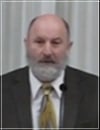
About Drew Dietz
Drew Dietz is the pastor of Sovereign Grace Church in Jackson, Missouri.
Broadcaster:
Comments
Your comment has been submitted and is awaiting moderation. Once approved, it will appear on this page.
Be the first to comment!