Here, in Numbers 3, God the Holy Ghost gives us a picture of GOD'S SOVEREIGN GRACE in the Lord's choice of the tribe of Levi to be his priesthood. We know that because God the Spirit tells us precisely that in 1st Peter 2:1-10)
Sermon Transcript
Auto-generated transcript • May contain errors
100%
If you'll turn with me to the
Gospel of Numbers, Numbers chapter three, as God will enable me,
I want to talk to you for a little while about God's sovereign grace. God's sovereign grace. I cannot find words adequate
to express how utterly overwhelmed I am by God's free and sovereign
grace in Christ as I have experienced it, as I am experiencing it,
and as I hope to experience it. God's sovereign grace. It's always important to remind
ourselves when we read various portions of Old Testament scripture
that everything written in the Old Testament was written for
us. for our learning that we through
patience and comfort of scripture might have hope. Everything recorded
in the Old Testament was designed by God were brought to pass by
God's providence and is recorded for us in the scriptures to be
an allegory, that is to teach us something spiritual, something
about the person and work of our Lord Jesus Christ, and something
about our free salvation in, by, and with Christ. Here in
Numbers 3, God the Holy Ghost gives us a picture. a picture
of God's sovereign grace in the Lord's choice of Levi to be his
priestly tribe. We know that because we're told
in 1 Peter 2 by the Spirit of God himself that we are God's
royal priesthood. We who are God's elect, chosen
of God, so that we stumble not at the stumbling stone, but rather
are built upon the rock the foundation Christ Jesus, because we're a
holy nation, a royal priesthood chosen of God, just as Levi was
chosen to be God's priest in the nation out of the sons of
Israel. Let's look at the chapter and
let me give you just a summary of it. It's a lengthy passage
of scripture. We won't try to read it all,
but you can pick up the highlights as we move along. The chapter
begins in a very unusual way. Aaron's name is here mentioned
before Moses. These also are the generations
of Aaron and Moses in the day that the Lord spake with Moses
in Mount Sinai. Everywhere else in the Old Testament
scriptures where Aaron and Moses are mentioned together, except
when they're giving An indication of Aaron's age, his being older
than Moses. Everywhere else in scripture,
Aaron's name always follows Moses. Why the difference here? Why
in this place is Aaron mentioned first and Moses mentioned after
Aaron? Because Aaron is here spoken
of as God's priest. God's priest by whom the sacrifice
is brought to God, and sinners are accepted of God, and God
is worshiped and accepts sinners in all their worship. That being
so, he's representative of Christ, our great high priest. And being
the priest of God, he has precedence over and above the law that's
represented by Moses. In verses two, three, and four,
The Spirit of God reminds us of Aaron's two rebel sons, Nadab
and Abihu, those two men who died in the tabernacle, died
in the holy place, wearing their priestly garments, performing
priestly functions, offering priestly sacrifices. But they
came with a sacrifice to approach God with fire that God didn't
provide. With a sacrifice God didn't make. A sacrifice God wouldn't accept. Something of their own devising,
of their own invention. Understand this. We dare not
approach God except with that which God himself provides and
God himself will accept. And that is Jesus Christ the
Lord alone. His person. His blood, His righteousness,
that alone is our acceptance with God. Just as the gospel
is trusted to the hands of God's priest here, the worship of God
trusted to these Levites, so the gospel of God's grace is
trusted to chosen pastors and preachers. just as the things
of God are committed to the hands of his church and people, so
they were committed to the hands of Levi and his children here. We are given this trust, this
treasure of the gospel, so that we as God's holy priesthood are
trusted with the things of God in our generation. The church
is called the pillar and ground of the truth. Here, God's truth
is revealed. Here, God's truth is established. And from here, God's truth goes
out to all the world. As God trusted the Levites with
his worship, so he trusts us with his worship, with his calls,
with his glory, with his gospel in our generation. What a trust
he's given us. What a great trust. The tribe
of Levi was chosen of God to be this priestly tribe to whom
the things of God were given in trust. That's what we see
in verses five through 10. Verses 11 through 15, the Levites
were taken for the firstborn. You remember God said, the firstborn
is mine. The firstborn representing all
the firstborn of the house of Egypt, all the firstborn that
were slain in Egypt. Or the firstborn of the house
of the children of Israel, who came out of Egypt. The firstborn
representing Jesus Christ himself, who is the firstborn. And the
firstborn representing us, God's church, called the Church of
the Firstborn. As the Levites were accepted for the firstborn.
So we are accepted for Christ, God's firstborn. As the Levites
were accepted in the stead of the firstborn, so Christ Jesus
is accepted in our stead. He is Jehovah's firstborn. Verses 16 to 39, the bulk of
the chapter. It appears that Levi was the
smallest of all the tribes of Israel. You count up the numbers
given here. The tribe of Levi is smallest.
I can spend a good bit of time on that. In all ages, there are
few who are chosen. Few who worship God. Few to whom
God reveals himself. Few who know the living God. You try to picture the children
of Israel wandering through the wilderness for 40 years. They
go to this tabernacle. A crude, simple, ugly tent. Something obviously made by poor
hands for poor people. And here they are in the midst
of a people who have huge, huge places of worship for their idols. All kinds of gaudy, expensive
things. Much as we have in our day. And
here are these few Jews out where there's no grass growing, no
water springing up out of the ground, no rivers flowing down
in the valleys, a dry, barren desert gathered around this dirty-looking
tabernacle. And they say, this is where God
is. This is the only place in the
world you'll meet God. This is the only place where
God's name is known. This is the only place where
God is worshipped. And how the world would laugh and mock just
as they do now. In all ages, God's elect are
few. They are in the minority. And
they do not seek to be in the majority. In all ages, God's
people are few in number. In verses 40 through 43, Levi
is accepted as the firstborn and Christ is accepted of God
as a substitute for his elect. He who is God our Savior, Jehovah's
firstborn, suffered and died in our stead. And in verses 44
through 51, the Levites were all redeemed. all redeemed with
atonement money, the atonement money that God required by the
shackle of the sanctuary. And so it is that God's elect
are all redeemed with the precious blood of the Lord Jesus Christ. Now back up to verse three. Yeah,
verse five, I'm sorry. And let me show you this portrayal
of God's sovereign grace. And the Lord spake unto Moses
saying, bring the tribe of Levi near, and present them before
Aaron the priest, that they may minister unto him. And they shall
keep his charge, and the charge of the whole congregation before
the tabernacle of the congregation, to do the service of the tabernacle.
The Levites are responsible for all things pertaining to the
worship of God. And they shall keep all the instruments
of the tabernacle of the congregation. and the charge of the children
of Israel to do the service of the tabernacle. Turn over to
chapter 8. Chapter 8, verse 5. And the Lord spake unto Moses,
saying, Take the Levites from among the children of Israel,
and cleanse them. And thus shalt thou do unto them,
to cleanse them. Sprinkle water of purifying upon
them, and let them shave all their flesh, and let them wash
their clothes, and so make themselves clean. First, here we have a
picture of the sovereign grace of God in the salvation of his
elect, and how we ought to thank God for free, unconditional election. Thanks be unto God for his electing
love. The tribe of Levi was typical
of God's elect, both in nature and in grace. They were the priesthood,
as such they pictured all God's elect, those whom Christ made
righteous and made kings and priests unto God. This is part
of that predestined conformity that we shall have to Jesus Christ
our Lord, conformed to him in all things. God's saints, all
believers, are God's priest. A chosen generation, a royal
priesthood, the very righteousness of God in Christ. So when we
look at God dealing with Levi, we see God dealing with a sinner.
Dealing with sinners saved by his grace. And the appointment
of Levi to this lofty place speaks of God appointing us to the lofty
place he's given us, named us among the sons of God. Behold
what manner of love the Father has bestowed on us, that we should
be called the sons of God. There was nothing in Levi that
gave him any foot up toward God. Nothing in Levi that made him
appealing to God. Nothing in Levi that attracted
God's attention toward him. The fact is Levi by nature was
a vile, base, beastly, cruel, murderous man. Now I stress that. Because Levi was just the kind
of man you are, and just the kind of man I am. Turn back to
Genesis 49. Hold your hands here in Leviticus,
I'm sorry, the numbers, and turn back to Genesis. Genesis 49. Jacob here speaks of Levi. He
says in verse seven, Simeon and Levi are brethren. Instruments
of cruelty are in their habitation. My soul, come not thou into their
secret. Under their assembly, my honor,
be not thou united. Jacob speaks for the holy God
of Israel. To their assembly, let my honor
not be united. For in their anger, they slew
a man. And in their self-will, they
dig down a wall. Cursed be their anger, for it
was fierce, and their wrath, for it was cruel. I will divide
them in Jacob and scatter them in Israel." What's he talking
about? He's referring to something that's
recorded in Genesis 34. You remember Simeon and Levi's sister, Dinah. was assaulted and raped by a
fellow named Shechem. He was, just couldn't resist
her, this son of Hamar. And finally, Hamar came to Jacob
and said, let's marry sons and daughters together. Let's mix
our cattle together. Let's become one. And Jacob made
a deal with him. Whether he should have or shouldn't
have, we're not told, but he made a deal with him. And after
he did, Levi and Simeon couldn't stand it. This man had raped
their sister. So in the pretense of being friends
with them, they said, we will do this, but they have to become
like us. They all have to be circumcised. And so all the men
of Shechem were circumcised. And on the third day when they
could hardly move, Simeon and Levi slaughtered every man in
the group. Slaughtered every one of them,
a murderous man. Simeon and Levi exercised their
cruel self-will as men, much like you and me. There's another
man in Scripture. who's widely known in his day
for his ungodliness. He hated God's people, hated
the Church of God, hated the name of Jesus Christ, and he
went all over the world of the Roman Empire doing everything
he could to rid the world of the name of Jesus Christ. When
they stoned Stephen, God's first martyr, for preaching the gospel,
this young man named Saul held the clothes of those who stoned
him. He held their clothes and laughed as they stoned him to
death. But God was pleased to save him.
He's known to us as Paul the Apostle. And after God saved
him, this is what he said. This is a faithful saying, worthy
of all acceptation, that Christ Jesus came into the world to
save sinners of whom I'm chief. And he wrote in another place
unto me, whom less than the least of all saints is this grace given,
that I should preach among the Gentiles the unsearchable riches
of Christ. Oh, what wondrous grace, that
God should save sinners such as we are. that God should trust
to sinners like us his word, that God should take a man like
the one preaching to you and trust his word to my hands to
preach the unsearchable riches of Christ to his people in this
generation. Levi and Paul are both examples
of what it takes to save a cruel, fierce, wicked man. What it takes
is free grace. free grace alone. By nature,
we've all been weighed in the balances and found wanting. And
yet, by the grace of God, we've been made righteous. We've been
made priests. We've been made kings, fit for
the service of God. God's elect by nature, all of
us, are God-hating rebels. Destruction and misery are in
our ways. Our mouths are full of deceit. The poison of Asp is under our
tongues. But glory be to his name. God visits sinners in sovereign
mercy, such as we are, and makes us his priest, his servants,
his righteousness, his sons and daughters. Second, to see the
glory of God's sovereign grace, We need only to observe the change
that's wrought in sinners by it. Look at the difference between
the description given of Levi's position in nature in Genesis
34 and his position given in grace in Numbers 3. How is it
that God brings such a sinner from the dunghill of utter depravity
to be seated among princes as a priest unto God. We read it
in Numbers chapter 8, verses 5, 6, and 7. How can God be just
and holy and bring a wretch like me, a wretch like you, a wretch
like Levi, such a one as we are, to be honored as his priest? He tells us here, Levi didn't
apply for the job. Levi wasn't seeking the Lord.
Levi, like you and me, Would have run from God, stay as far
away from God as he could get. But he was chosen by God and
brought to God by grace. Omnipotent, irresistible, free
grace. God sent out order, as David
did to his servant, concerning this man Mephibosheth, this covenant
child. And God said, fetch him. Fetch
him. Blessed is the man whom thou
choosest and causest to approach unto thee. And at the appointed
time of love, God sends his spirit and causes chosen redeemed sinners
to come to Christ. You hath he quickened who were
dead in trespasses and in sins. He called us by his grace and
made us his sons. Levi's self-will had no inclination
toward God, no affinity toward God, no affinity to cause him
to want to approach God. And the same is true of us. But
God's self-will was bent on you. God had an affinity for you. God chose you and therefore called
you by his grace. in verse 7 of chapter 8, we have
a clear portrayal of the principle of divine cleansing. God specifically
uses three things in his work of grace that are mentioned here.
These three things represent the purifying work of the Spirit
of God. The purifying, the washing, and
the shaving. Picture Christ cleansing sinners
in his precious blood by his word, by the operation of God,
the Holy Ghost. We are born again. Born again, not by works of righteousness,
which we have done, but according to his mercy, he saved us. And he did so by the washing
of regeneration and the renewing of the Holy Ghost. First, in
verse 70, speaks of purifying water. The water of purification
speaks of the work of God's Spirit in us. When God the Holy Spirit
gives sinners life and faith in Christ, giving us faith in
Christ, he sprinkles the conscience with the blood of Christ. He
effectually applies Christ's blood to you, causing you to
believe. And when it causes you to believe
the testimony of God, God speaks to you, his testimony, just as
he did to Enoch, that you are perfect, holy, just, without
sin, right with God. That's where justification comes
in the conscience experience of the believer. The Spirit of
God gives faith. Faith believing on Christ has
peace with God for God declares that we're righteous Justified
with him the shaving off of the body's hair Portrayed the believers
renunciation of all personal righteousness Denying any merit
or worth of anything and everything that comes from man or comes
out of man the shaving tells us that nothing of nature is
useful in the service of God. And nothing of nature is acceptable
to God, so that those who are washed with the regenerating
work of the Spirit of God. willingly, deliberately, and
continually shave the hair off of their bodies. That is, they
shave away, they cut away, they throw away, they renounce, they
renunciate everything of the flesh, acknowledging their own
corruption. The shaving must be done continually
because even after we're born again, made new creatures in
Christ, The old hair of corruption keeps growing. It keeps growing. That old man
of nature, Adam, flesh, never gets better. Reforming is not
what he needs. He must be cut off. The washing
of clothes represents something else. It represents the renewing
of the Holy Ghost in the new birth by the righteousness of
Christ imparted to us by his grace. In the new creation, we're
made new creatures in Christ, made righteous and made holy,
given a new nature, created in righteousness and in true holiness.
One of the first lessons the Spirit of God teaches us. is that nature is to be judged
and condemned. Everything about nature judged
and condemned. We take sides with God against
ourselves like David did in the 51st Psalm. Against thee and
thee only have I sinned. I confess this that you may be
just when you speak and clear when you judge. In our baptism,
initially, this is exactly what we confess. We're crucified with
Christ because we deserve to die. Deserving to die, we're
crucified with him, buried with him, and now risen to walk with
him in the newness of life. And we're purified by the blood
of Christ. Purified, made righteous. Made
righteous by the decree of God in eternity when God declared
us justified in the lamb slain. made righteous by the justice
of God at Calvary, when Christ, by his blood, fully satisfied
all the requirements of the law in our behalf, and justified
by the grace of God, made righteous in the new birth, who will make
new creatures in Christ the Lord. The washing of clothes. represents
our continual judgment of ourselves and our acknowledgement of our
acceptance with God. And that's the third thing. Look
at verse 8 of chapter 8. Here we see God's acceptance
of Christ and of us in Christ, with Christ, and because of Christ. Then let them take a young bullock
and with his meat offering, and fine flour mingled with oil,
and another, young bullock, shalt thou take for sin offering. Both
the sin offering and the meat offering, the burnt offering,
speak of Christ's sacrifice for us. They symbolize the life of
the priest, but they also symbolize the death of our Lord Jesus as
the Lamb of God. And yet there's a distinction
here. The burnt offering pictured Christ fulfilling the will of
God. When our Lord died at Calvary,
fire speaks of God's holiness and God's satisfaction. When
our Lord died at Calvary, as the fire of God's wrath symbolically
came and consumed the altars offered in the Old Testament,
when the fire of God's wrath fell on God's Son. He consumed
the fire of God's wrath as a burnt offering. God had accepted him,
his righteousness, his blood, his person, to satisfy all that
he required of us. This work was between God the
Father and God the Son. and it resulted in the full acceptance
of Christ's sacrifice, to the full satisfaction of justice,
and the acceptance of all who are represented by Christ, his
elect. It pictured acceptance before
God, altogether accomplished outside ourselves by Jesus Christ
the Lord. The sin offering also represented
the death of Christ. but in a different way. It represented
the sins of the believer being put away by the sacrifice of
Christ. Here the believer puts his hands
on the head of the innocent victim to symbolize his sins being transferred
to the victim. And he puts his hands upon the
head of the burnt offering. Not to symbolize his sins being
transferred to the victim, but the victim's righteousness being
transferred to him. So that we come to Christ and
lay our hands of faith on the head of God's sacrifice, and
rejoice to know our sins are put away. And we lay our hands
on the head of God's sacrifice, that sacrifice God has accepted,
and know we're accepted of God, holy, just, and righteous. Oh, what grace. What grace. No matter what I feel, no matter
how I may be thinking, no matter the corruption and the pollution
bubbling up in me, Christ is my acceptance and I am accepted
of God in the beloved. It's called peace with God, the
joy of faith. Fourth, look at verse 12 and
note the order of the sacrifices. The Levites, Numbers 8 verse
12, shall lay their hands upon the heads of the books. And thou
shalt offer the one for a sin offering and the other for a
burnt offering unto the Lord to make atonement for the Levites. The atonement is made by the
sacrifice that God required and God provided. So it is with all
who are born of God and taught of God. Therefore, if any man
be in Christ, he's a new creature. Old things have passed away,
and behold, all things have become new. All things are of God. This whole thing is of God. For he hath made him to be sin
for us, who knew no sin, that we might be made the righteousness
of God in him. Our sins transferred to Christ. His righteousness transferred
to us. Sons of Levi rejoice. Turn to
Malachi. Malachi chapter 2. Now I'll wrap
this up. Malachi 2 verse 4. Ye shall know that I have sent
this commandment unto you, that my covenant might be with Levi,
saith the Lord of hosts. My covenant was with him of life
and peace. And I gave them to him for the
fear wherewith he feared me and was afraid before my name. The
law of truth was in his mouth. And iniquity was not found in
his lips. He walked with me in peace and
equity, and did turn many away from iniquity." That's God's
tribe, God's choice, God's people, with whom he made a covenant
of life and peace, to whom he has given his fear. and the law
of his truth is in their mouth and no iniquity in them. Israelites
indeed in whom there is no guile, peace and equity walking with
them. And they are instruments by whom
God turns many away from iniquity, the way of life and peace. Oh,
may God use us as his Levites to whom he's trusted his gospel,
his worship, his name, and his honor in this generation to proclaim
liberty, life, and peace to many in this generation for the glory
of his name. Amen.
About Don Fortner
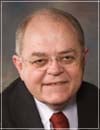
Don Fortner (1950-2020) served as teacher and pastor of Grace Baptist Church of Danville, Kentucky.
Comments
Your comment has been submitted and is awaiting moderation. Once approved, it will appear on this page.
Be the first to comment!