Turn with me, if you will, to
the book of Romans chapter 4. I'll begin reading in verse 1.
Romans chapter 4, verse 1. I'll take my text from verse 13, the
righteousness of faith. What shall we say then that Abraham,
our father, as pertaining to the flesh, hath found? For if
Abraham were justified by works, he hath wore off to glory, but
not before God. He can glory before men. He can
say, look what I've done. And every one around him will
say, good for you. We're proud of you. He'll say,
thank you, and he'll feel good. That's what happens when you
boast in yourself of your own works. You get the applause of
men, but not God. That's what he's saying. Not
God. For what saith the Scripture?
Abraham just simply believed God. He didn't get up one morning and
say, well, I think I believe God today. God gave him faith. God spoke to him. And faith comes
by the Word of God. It comes by hearing and hearing
by the Word of God. Abraham never would have believed God had God
not spoke to him. You knew that. God spoke to him
down in the era of the Chaldeans in Mesopotamia. He's down there
worshipping his idols with his family. It's all they'd ever
done, all they ever knew. That's all I ever did and all
I ever knew. One day God spoke to me. Kind of like Abraham. I was down there worshipping
whatever we worshipped, and I believe I know what it is, what it was. Worshipping myself. And God said,
Abraham, look here. And Abraham looked. You know,
there's life in a look. If you can see the Lord Jesus
Christ, you're alive, spiritually. And he said, Abraham, he called
his name. Salvation is personal, isn't
it? God comes to us individually. Comes to where we are in our
idolatry and our sin, our depravity. Thinking nothing of Him, He comes
to us and by His grace calls us, calls our name. You know,
when He called His disciples, there's a lesson there as well.
He called Matthew, James, Peter, John, Thomas. He called all of
His disciples. He calls us as well. And Abraham
believed God. If God ever speaks to you and
calls you, you're going to believe Him. You're going to believe
Him. You can't but not believe when
God gives you faith. If you believe now, you can't
stop it. Folks talking about being saved
and lost, uh-uh. If you believe, if God's giving
you faith, giving me faith, there ain't nothing you can do about
it. You're just going to have to believe. And you want to. I'm not saying that you don't
want to believe, but that's what believers do, they believe. That's
what folks at Leo do, they live. Abraham believed God and it was
counted to him for righteousness. Not his works, not anything he
did. God counted it, put it on his account, charged it to him,
imputed it to him, gave it to him. He gave him faith, gave
him belief, and he gave him righteousness. Abraham didn't have nothing.
Now he's got a lot. What did Abraham find? He found something
he wasn't looking for. Now to him that worketh is a
reward, not record, but of grace, but of debt. If you work for
it, Then God owes you something, don't He? If you work for it,
then He's in debt to you. God owes everybody a chance.
Uh-uh. God don't owe you nothing. God don't owe me nothing. It's
by grace. But of him that worketh not,
but believeth on him that justifieth the ungodly, his faith is counted
for righteousness. You know what they say? They
say that Abraham was ungodly. Abraham was ungodly, nothing
godly about him, no goodness, no God about him. Yet every person by nature thinks
there's some godly something about us, some godliness, some
goodness about us, and there's not. Even as David also describeth
the blessedness of the man unto whom the Lord imputed righteousness
without works. Works ain't got nothing to do
with our righteousness before God. Not one thing. Isn't that
a blessing? To know that, that our works,
and we've learned that our works are just permeated with sin.
I mean, we can see the works that we do, the good things we
do. I mean, I want to do them. I want to do good things. But
I see so much of myself in what I do that it's sickening. But
we're saved. We're righteous before God. Without
our works, without any works, just by His works, not ours. Saying, blessed are they whose
iniquities are forgiven and whose sins are covered. They summed
it up. If your sins are covered, your iniquities are forgiven,
you're blessed. You're blessed because you couldn't
do it with your works. You couldn't do it with nothing. With anything, you couldn't do
it. Do you understand that? I'm just a baby in Christ and
I understand that by God's grace. I understand that I can't save
myself. There's no way I can justify myself before God. I'm
sinful inside and out by nature. I'm just without Him, I'm nothing,
I'm helpless, I don't have any righteousness. Blessed is the
man to whom the Lord will not impute sin. And blessed is the
man to whom He imputes righteousness, and blessed is the man to whom
He will not impute sin. Cometh this blessedness then
upon the circumcision only, or upon the Jew, or upon those at
work, or upon the uncircumcision also. that we say, for we say
that faith was reckoned to Abraham for righteousness. How was it
then reckoned? When he was in circumcision or
in uncircumcision? Now this was done to Abraham
before he was circumcised. that for a reason, for a point,
that circumcision, we see by this that circumcision had nothing
to do with it. Him being a Jew had nothing to do with it. His
works had nothing to do with it. And our works had nothing
to do with it. Not in circumcision, but in uncircumcision. You see, you have to turn loose
of those works and the righteousness which we hang on to by the deeds
of the law, we have to turn loose of all that because he said this
was before circumcision. And he received the sign of circumcision,
a seal of the righteousness of faith, which he had yet being
uncircumcised." This was just a sign, just a symbol, just a
type. "...that he might be the father
of all that believe, though they be not circumcised, that righteousness
might be imputed to them also, and the father of circumcision
to them which are not of the circumcision only." but who also
walk in the steps of that faith of our father Abraham, which
he had being yet uncircumcised." What he's saying, I know this
is confusing to you if you don't sit and study it and look at
it closely, but what he's saying here is that we're not justified,
we don't receive righteousness by the works of the law. Neither
does a Jew. The Jew never did. Because Abram
was uncircumcised and received this promise when God imputed
the righteousness that he must have to him. And that we as Gentiles
are not Jews. And this works has nothing to
do with this neither. So it's not the work of the circumcision
or the uncircumcision. But we're one in Christ by faith.
That's what he's teaching. Our righteousness is imputed
righteousness which Christ brought for us. For the promise that
he should be the heir of the world was not to Abraham or to
his seed through the law, through keeping the law or the deeds
of the law. This was a promise, and it was to Abraham and to
his seed, his spiritual seed. He identifies those, but all
those that would believe. All those that are heirs of salvation,
all the elect, all those that are predestinated to be conformed
to the image of Christ, all those for whom Christ died, all those
whom would be justified by His blood, the family of God, the
church. I don't know how else to describe
it scripturally, the children of God. Our county does the seed
of Abraham, children of God by faith, but through the righteousness
of faith. Verse 13 is where I want us to
concentrate on this morning. This kind of sums it up, sums
up what we're saying, what the Lord is teaching us. For the
promise that he should be heir of the world was not to Abraham
or to his seed through the law, but through the righteousness
of faith. The righteousness of which faith
speaks and reveals. True faith. When he says the
righteousness of faith, he's not saying that faith is righteous. Or even the work of faith is
righteous. But that which faith speaks of,
that which faith reveals, is righteous. the righteousness
of faith, the revelation of faith, the object of true faith, saving
faith, and which, of course, is the Lord Jesus Christ. That's
who faith speaks of. And that's, He is our righteousness. The Lord Jesus Christ is our
righteousness. See, our righteousness is not
a thing or it's not a work. Mistakingly, we have believed,
maybe you haven't, but I have, that righteousness is the righteousness
I must have, that justifying righteousness is something I
must do, something I must acquire, something I must produce, and
it's not so. That's not what the Scriptures
teach. Righteousness, the righteousness that God requires and He provides,
The righteousness to which Abraham was imputed to Abraham is a person. It's not a thing. It's not really
a work, although the Lord Jesus Christ did work out our righteousness
for us. But the righteousness of which
he speaks is the Lord our righteousness. Now, we must have the Lord Jesus
Christ. We must have Him in order to
be righteous. You see, God the Spirit, in the
regenerating work of His grace in salvation, when He comes and
saves us, reveals not a thing to us, not a work to us, but
He reveals Christ to us. You see, the fulfillment of the
law, which God requires, was fulfilled in a person. And it's
not the glory of the fulfillment, it's the glory of the Fulfiller,
the Lord Jesus Christ. The work is glorious and great
and effectual because of He who did the work, not necessarily
and objectively of the work that's done. You see, Paul said, according
to the law, I was blameless. According to the way man looked
at me and the outward performance of the law, I was blameless.
But he said, I count that righteousness and that work that I performed
and was proud of before God, he said, I count it as done,
that I may know Christ. that I may win Christ and be
found in Christ, not having that old righteousness, not having
my own righteousness, which is of the law, of the law. We must have the person of the
Lord Jesus Christ. Now this, I think, in a great
measure, is a determining factor in this business of The imputation
of righteousness. You see, men argue over when
we were justified. They argue over the matter of
imputed and imparted righteousness. Both are so. We're imparted the
life of Christ. The Lord Jesus Christ is imparted
to the believer in regeneration. The work of Christ comes with
Christ. It's not two works of grace.
That's why it's not two works of grace. It cannot be divided.
You can't separate Christ from his work or his work from Christ
in regeneration. And without Christ, there is
no work. That's what I'm saying. So it
must be, it must be the Lord Jesus Christ, our righteousness.
You understand what I'm saying? It must be Him. Myriads of folks believe in works,
believe in the law. They even believe that Christ
worked and fulfilled the law. And in some way those works are
put on our account, and this is the heart and the
soul of the gospel. No. The heart and soul of the
gospel is this, and what He's teaching us, the righteous of
faith, is this, is the Lord Jesus Christ, one in vital
union with us. He becomes one with us. He unites
Himself to us. We're one in Him, Christ in you,
the hope of glory. Now, I believe the Lord Jesus
Christ lived for me, fulfilled the law for me. I believe He
died for me. I believe by His death He took
my sin, His own body and laid it at the cross. These are glorious,
glorious gospel truths. But what I'm saying is the righteousness
of faith looks not to the work done, but to the Lord Jesus Christ
who did the work. And I must be joined not to the
work done, but to Him who done the work. Now, I don't see how
that could be confusing, but I know it can be confusing to
this natural man. What we need, what we must have,
what is vital, is having the Lord Jesus Christ. He is our
salvation. He is. He is. Do we understand this? Self-righteousness,
look at the other side of the coin. Self-righteousness speaks
of itself. Do you know what self-righteousness
is? It speaks of itself. The righteousness
of faith speaks of and points to the Lord Jesus Christ. You would be surprised, well
you might not be, how many that profess salvation look to themselves and trust
in themselves and in the Word rather than looking solely to
the Lord Jesus Christ. I'm telling you this morning,
God is teaching us in His Word, reveals in His Word that Christ,
a person who accomplished, who fulfilled the law, who satisfied
God, Christ alone is the salvation of His people. I want us to see four things
in this verse. And they are articulated in verse number one, the promise
of God. Exactly what is the promise of
God? What is God's promise to His people? Well, you say that's
so vast and so immense. All of the promises of God. In
Ephesians chapter 1, Scripture says He has blessed us with all
spiritual blessings which are a promise to us in heavenly places
in Christ. And we can by the Scriptures.
If we can narrow this down to one thing, what is the promise
of God? If you were to ask me or I were
to ask you, what is the promise of God to me as a believer? The promise of God to me and
to you as His children is Christ. That is God's promise to us,
the Lord Jesus Christ. He is the fulfillment of God's
promise to His people. He's, Christ is mine. All to Him I now resign. Glory,
glory, Christ is mine. In the eternal covenant of grace,
God the Father promised all of His children the Lord Jesus Christ
as their inheritance. And in Him, in Christ, are all
the blessings of the covenant in Christ. You can't have any
apart from Christ. There is no good thing apart
from Christ. In Him is everything, every spiritual
blessing. In Him we have redemption. We're redeemed by His blood.
In Him we have righteousness. He is our righteousness. In Him
we have peace. He's our peace. In Him we have
assurance. He's our assurance. He's our
hope. In Him we have life. He's promised eternal life and
this life is in His Son. So we can't go to heaven and
we can't have the blessings of God apart from Christ. This is the righteousness of
faith. This is a promise of God. The promise of God is Christ. Do you know what God promised
Old Testament prophets, fathers, the saints, the Old Testament. Do you know what the promise
was? What they were to look for? They were to look for Christ.
Isn't that right? You remember Simeon? Simeon, he was born before
Christ showed up. He was born and reared a student
of the Scriptures, the Old Testament Scriptures, the Psalms and the
Prophets and the Law. And in those writings and in
reading those, God had given him faith in one who was to come. And when he showed up... See,
we'll know the Lord Jesus Christ when God reveals Him to us. When
He showed up, and I know this was a natural thing, but it's
also greater than that, it was a spiritual thing. The Lord Jesus
Christ was revealed to Simeon, and He said, I've seen the consolation,
the salvation of Israel. He looked at a person and saw
that. Remember the thief on the cross.
This is the righteousness of faith. The righteousness of faith
is the Lord Jesus Christ, the promise of God to his people,
he said, for the promise. For the promise is through the
righteousness of faith, not the law. The thief on the cross,
remember there was three male factors that hang on the cross. They were all identified as such.
But the one in the middle, he wasn't guilty of any sin. And these two men that died with
him, they didn't know so much. They didn't know so much. They
thought they did. They reviled on him like everyone
else up until a point. And the point is when the Lord
Jesus Christ revealed Himself to one of them. And He said,
Lord, remember Me when you come into your kingdom. This is the
righteousness of faith. He believed on the Son of God. He believed on the person. Here
was a man dying on a cross. This thief didn't know much,
did he? I mean, as far as a lot of doctrine. And I'm not minimizing
the importance of doctrine. Not at all. But I'm just telling
you this, and remember this. I need to remember this. that was dying on a cross beside
the Redeemer, God revealed the person of the Lord Jesus Christ
to him. And he cried out immediately,
Lord, remember me when you come into your kingdom. Now, I doubt
very much if he could articulate his five points of Calvinism,
but he saw a person. There wasn't much works that
he could hang on to. He didn't have any, and this
man hanging on a cross, in all indications, was a criminal. He was dying right beside him.
And he only crucified criminals. He was numbered with the transgressors.
He was numbered there with these two. And the only hope this man
had was going to be a miracle of grace, that he was going to
see what could not be seen. This is the righteousness of
faith. Faith is the substance of things hoped for, the evidence
of things not seen. And this dear brother that hung
on a cross saw it. Simeon saw it. And we see it
by faith. And it's not a thing. Although
I said it, it's not a thing. It's not a work. It's a person,
the Lord Jesus Christ. The promise of God is a person.
The promise, who is the promise to? Secondly, who is the promise
to? To everyone? No. What does it say here? For the promise that he should
be the heir of the world was not to Abraham or to his seed
through the law. It was to Abraham and to his
seed, but it wasn't through the law. He identifies here who it
was to, who the promise was to, to Abraham and his seed. Abraham, the one to whom God
gave faith, and even those before Abraham were counted in the same
number because they believed God. But it wasn't through the law.
It wasn't through the law. It wasn't by works. But it was
by grace, through the righteousness of faith through Christ. The
righteousness of faith is the Lord Jesus Christ. And who is
this to? It's to Abraham. He believed
God. To all those that believed God.
To his seed. Not physical seed. He's not talking
about just Jews. He's not really, we can exclude
Jews specifically as the ones to whom God would reveal the
Lord Jesus Christ. Outward Jews, no, that's not
who he's talking about, that's what he's saying. He's speaking
of all those who will ever believe God. From Adam to the last one. If Adam believed God for righteousness,
he was talking about him. And if the Lord comes today and
you and I believe God, we look to Christ, we're righteous, He's
talking about us. All those that are children of
God by faith. The righteousness of faith. The righteousness of
the Lord Jesus Christ. This was to specifically the
elect. To elect. The promise of God
was to the chosen of God. The chosen of God. The Spirit
bearing itself, bearing witness with our spirit, we are the children
of God. The Spirit bears witness that Christ is the Redeemer,
that Christ is the sin bearer, that Christ is the Savior, that
Christ is our righteousness. It bears record with the Scriptures,
the Word of God. And if children, then heirs,
heirs of God and joint heirs with Christ. He's our inheritance. Was it said that He should be
heir of the world? Not necessarily just the physical
world and the things we see that are tangible, but to everything,
as the Lord Jesus Christ is heir of everything, and all things
belong to Him, and all things is for His glory, and all things
are for our good, we're joint heirs with Christ. Everything
that's His is ours, because we're joint heirs with Him. through
the righteousness of faith. If children than ours, ours of
God and joined ours with Christ, if so be that we suffer with
Him, we may also be glorified with Him." Christ and life in
Him, that's the promise. That's the promise of God. Secondly,
the promise was to Abraham and his seed. The promise is unto
you. That's what Peter told the believing
Jews there in Acts chapter 2. Those that believed. He wasn't
talking to those that didn't believe. He wasn't talking to those that
didn't know Christ. He said, The promise is unto
you and to your children, all that will believe, children of
Abraham, children of faith, and to all that are far off, as many
as the Lord our God shall call. This promise is to you. That's
who the promise is. The promise is Christ. and the
promises to Abraham and his seed, not according to the law, but
by faith. We believe on him in who we've
not seen, don't we? Anybody ever seen Christ? Have
you ever seen him physically, personally? No, we've not. But he's more real to us in life,
isn't he? Christ is real. We believe on
him, believe in him, trust him. Him he would have not seen. In
Acts 2.47, these people that he saved and revealed Christ
to, what did they do? They praised God. Not themselves. They didn't praise Abraham, but
they praised God. And the Lord added to the church.
Who are these seed? Who is the promise to? And the
Lord added to the church daily, such as should be saved. That's
who those that are saved by God's grace. And in John 10, 27, 28, just
giving you three, three illustrations, three pictures. My sheep, he
said, hear my voice. Who is this promised to? It's
promised to the sheep, to his sheep. Who made them sheep? He did.
Who made goats, goats? Who made sheep, sheep? God made
the goats and the sheep. He said, I made vessels to honor
and to dishonor. He said, I raised Pharaoh up
to destroy. He may have raised you up to destroy you. I don't
know. I pray that He raised you up to save you. But all He has
to do to destroy us is just leave us alone. Let us go on in our
unbelief. Let's go on to our religion.
Let's go on to our Calvinism. Look to our works. Look to what
we believe. Trust in ourself. Let's go on
to our blindness and darkness. The promise is Christ. The promise is Christ. The promise
was to Abraham and his seed. And we can't blame God. Let me
put this in here. Folks are already blaming God. Who art thou that replies against
God? Shall the thing formed say unto him that formed thee, why
have you made me thus? God forbid. If He lets you do what you want
to do, you want to go on in your sin, you want to go on trusting
yourself, you want to go on in glory in the flesh, you want
to go on in unbelief, you don't want to fool with God or the
Gospel, and He lets you do that, don't blame Him. That's what
you want to do. That's what you want to do. And
why would you get mad at God for Him letting you do what you
want to do? He said, my sheep hear my voice. And I know them. There's probably folks right
here this morning, this little crowd, saying I'm going to do what I
want to do. It don't make no difference what God says. Don't make any difference what
he said. God has even went so far and
to the length to reveal the truth at least to some of you's head,
if not to your heart. And still, that adamant heart,
you go on headlong doing what you want to do. Don't blame God
when you wind up in hell. This is a day of mercy. Seek
the Lord while He may be found. Call upon Him while He is near." He said, My sheep hear My voice. Are you stopping up your ears
and trying to scream louder than the Gospel? Saying, I won't hear,
I won't listen? He said, My sheep hear My voice.
He speaks tenderly. He speaks with compassion and
with mercy to them. that want to hear. He said, I
know them, and they follow me. I give unto them eternal life,
and they shall never perish, neither shall any man pluck them
out of my hand. I and my Father are one. The promise is to the sheep. In 2 Timothy 1.1, Paul wrote
this to his son Timothy. Paul said, I'm an apostle of
Jesus Christ by the will of God according to the promise of life
which is in Christ Jesus. The promise of life. I don't mean to be morbid, but every one of us are living
on the brink, the very edge of the abyss of eternity. You think about it. I don't believe
in scare tactics, and I couldn't scare you anyway. Don't want
to. But this is a serious business.
The gospel is a saver of life unto life or of death unto death. We're living on this planet by
one breath. Just one. One heartbeat. And we're sitting here today hearing the Word of God. That
Christ Jesus came into the world to save sinners. Bow to Him,
will you? Would you come? Trust Him. Trust Him. Someday all human
help and assistance He's going to
be gone. You come to me in your trouble
and I'll hug you and love you and try to help you. But in the
hour of death, God's going to push me away and
take you out of my arms. Think about it. I have calls, emails, verbal pleas for prayer. Usually it's for some physical
reason. And I want you to keep doing
that. I do. I'm not saying that's not important
to us. But very seldom does the phone ring and the voice on the
other end say, Tommy, I'm lost. I'm in trouble with God, pray
for me. It just shows you where our priorities
are with this stinking, rotten, dying flesh. This soul never dies. The promise of God was not through
the law of God. By the deeds of the law, Paul
writes, no flesh can be justified in His sight. Paul said, I desire, I want to
be found in Him, not having mine own righteousness, which is of
the law, but that which is through the faith of Christ, the righteousness
which is of God by faith. You see, God in His bringing
us to Christ, He brings us through the valley of helplessness till
all of our worth and works and doings become our enemy. He brings us down to death and
then He gives us life. And that's the reason Paul cried
out. in his heart, and then he wrote by the inspiration of God,
Oh God, not by my works which I have done, but according to
your mercy save me. And fourthly, the promise was
through the righteousness of faith, faith's object, the Lord
Jesus Christ. You see what God does, and the
righteousness of faith is this. He brings us to the place where
we cease to look even to the works of Christ or our own works. And I know what I'm saying. I've
thought this out and I've written it down. He brings us to fall
in love and look to and desire a person. He becomes altogether lovely. Before, He had no beauty that
we should desire Him. He had no form or comeliness
that we should desire Him. He was like a dry plant to us,
a root out of dry ground. We looked on Him just as someone, a man. But He brings us to the living
realization that He loves us and He's our hope. We fall in
love with a person. Has that ever happened to you?
Huh? This is the truth. I'm telling
you this is the way it is. You lose all and you continue
to do it. Your desire is not really heaven. Your dread is not hell. Your
hope and assurance and life is Christ. All of these other things
are icing on the cake. You just want to be near Him. You want to hear Him. And I always
tell of what He's done. But it's because of who He is
that makes it glorious, makes it wonderful. That is the righteousness
of faith, the Lord Jesus Christ. Not by
works of righteousness, which we have done, but according to
His mercy. His, not according to mercy,
but His mercy as He saved us. Let's bow our heads.
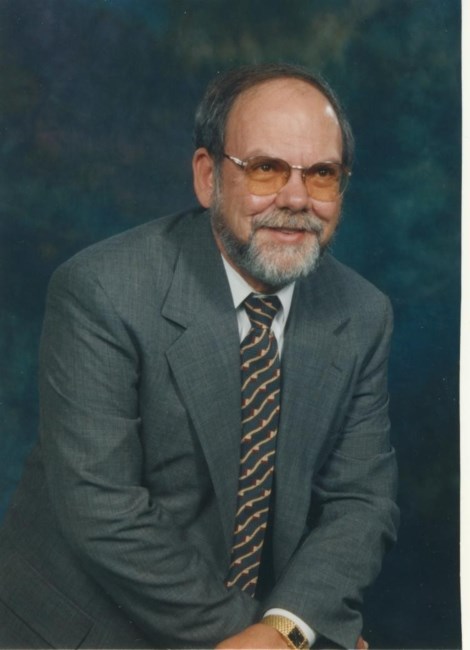
About Tommy Robbins
Tommy Robbins (1948-2011) was pastor of Fairmont Grace Church in Sylacauga, Alabama.
Comments
Your comment has been submitted and is awaiting moderation. Once approved, it will appear on this page.
Be the first to comment!