We'll look again in Genesis chapter
15, and I'll take my message, thought,
title from verse 17. Genesis chapter 15 and verse
17. I've titled our message this morning,
A Smoking Furnace and a Burning Lamp. And I know this is of greater
significance than I can ever mine out, but I do see some things
here that I believe will be a blessing to you. I hope it is. I know
it was to me as I studied this. I couldn't wait to get here to
tell you what I have seen, but as always, I'm pretty sure that
I did a lot better job preaching it in my study than I will this
morning. That always happens that way
for some reason. But try to stay with me and bear
with me as we look at this passage together. This is God's Word.
This is what God is saying to us. And it's only by His grace
that we can understand it. You can't understand it because
If I were a good preacher, that wouldn't cause you to understand
it. And because I'm a poor preacher, it won't cause you not to. The
only reason it will cause us to understand it, comprehend
the Lord Jesus Christ in this passage, is He's gracious to
reveal Himself to us. I understand more and more what
Paul meant when he said, I must decrease, but thou must increase.
Verse 17, and it came to pass. The reason this came to pass
is because God brought it to pass. Did you ever wonder why
this happened, why that happened? You think, what caused this to
happen? It came to pass because God was
pleased for it to come to pass. I know I've been through some
things in my life that when I was going through them, especially
when I was going through them, I would wonder, think, why is
this happening to me? What is the cause of this? What
purpose is this? And yet today, I don't know. But I do know this, and I understand
this, that it happened because God was pleased for it to happen,
and that I'm the better for it, and He will get glory from it. Isn't that comforting, just to
know just simple facts that God teaches, just simple truths?
You know, this puts to rest a lot of our anxiousness And the more
He teaches us, the more experiences He brings us through, the better
off we are. That's right. We're not worth
anything anyhow. And if the Lord never did bring
us through some troubles and trials and afflictions, we sure
wouldn't be worth anything. But He does that for our good
and for His glory. And that is something of what
this message is concerned with this morning. a smoking furnace
and a burning lamp, woven like a scarlet thread throughout the
Scriptures, is the redemptive work of our Lord Jesus Christ.
It is everywhere. I see it more and more all the
time, and I'm certain you do too, if you indeed study the
Scriptures. It's everywhere because He is
the person of the book, and His redemptive work is the The story
of the book, the substitutionary offering of the blood of Christ
for His people is the message of the scriptures, the gospel
message, and the message of this passage we have before us this
morning. The first time we see boldly shown to us the redemptive
work of the Lord Jesus Christ is in Genesis chapter 3. In verse
21, unto Adam also and to his wife
did the Lord God make coats of skin and clothed them. This is
the first really picture of a substitutionary
work that we see in the Scriptures of an offering. have prophecies of the Lord Jesus
Christ, and His redemptive work is alluded to far earlier than
that, even in Genesis chapter 1, when God created. But the redemptive work of the
Lord Jesus Christ is the subject of the book and the subject of
our passage this morning. Christ and His redemptive work
is the sustaining hope of every child of grace. This is our hope. This is what sustains us. This
is what keeps us. This is what governs us through
life as believing Christians, is the Christ and His redemptive
work. It ceases to be our work, what
we do, what we don't do. It ceases to be the issues that
we face in this world and their effect upon us. This is not our
hope anymore. The hope of the believer, the
child of God, the child of grace, is the redemptive work of the
Lord Jesus Christ. This begins to be our song once
we see Him, once we've been brought to a saving knowledge of the
Lord Jesus Christ. This is the heavenly anthem. of all the redeemed, of all ages,
and throughout all eternity. In Revelation, the last book
in the Scriptures, we'll go from the first book to the last book. In Revelation chapter 5, verse
9, and they sung a new song. Who did? You and I, if we know
Christ. And this is a new song we begin
to sing once we believe. It stays the same song throughout
eternity. And this song goes like this. Thou worthy to take the book
and open the seals thereof, for thou was slain and has redeemed
us to God by thy blood out of every kindred and tongue and
people and nation. That's the song of the redeemed.
This is the heart and soul of the gospel. This is the sum and
substance of all biblical doctrine. The Old Testament scriptures
are filled with pictures of Christ and His redemptive work, full
of it. Every book, every context speaks of Christ and His redemptive
work. As we progress through them, the message of God's redeeming
grace to me becomes clearer and clearer. Not only does God the
Spirit teach of Christ and His work, He teaches of His special
care for His people, both spiritually and providentially. And I pray
that He will reveal that to us again this morning. A smoking
furnace and a burning lamp. As briefly as I can, without
taking too much time, I want to give us a little background
to bring us to where we are in this part of Abram's life. Remember
this, and I'll remind us of this throughout the message. Here
in our verse we have Abram, who was later called Abraham, and
we have the sacrifice, and we have the smoking furnace, and
we have the burning lamp. Now subnote this. that Abram,
after he killed the sacrifice and placed the sacrifice, Abram
did nothing. If you recall the passage, the
chapter that are read to us, Abram did nothing. God did everything. First of all, in bringing us
up to where we are, God called Abraham. He called him from Mesopotamia,
from the Ur of the Chaldeans, from an idolatrous and wicked
nation and family. And Abraham was nonetheless that
they were. This is a place of Abraham's
nativity. This is a place of his birth. This was his heritage. He was an idolater by nature.
His daddy was an idolater, his mother was, his whole family
were. The country which he lived in, the place he lived in was
an idolatrous nation. So it is with us. So it is with
us. Remember that. Secondly, God
made known to Abraham his purpose, God's purpose, his covenant. In Genesis, we won't read all
these scriptures, but if you want to make a note of them,
in Genesis 12, 7, many verses, many passages prior to chapter
15 and verse 17, God reminded Abraham of that covenant many,
many, many times as he brought him to this place. And he reminded him many more
times after this. In chapter 13, because of famine,
Abraham and Lot, his nephew, journeyed in Egypt. And Pharaoh drove them out of
Egypt. And because Abraham and Lot was
very rich in money, cattle, possessions, there was confusion among their
men. And they had to part ways. And
they separated. Lot went into the plain of Jordan. It was well watered. Beautiful
place from his perspective. And Abraham to Canaan. And this
was by God's decree. This was by God's order. Lot
made the decision. He made the choice. The same
choice we all make by nature. We want to take that which looks
good to the flesh. which is pleasing to the flesh,
that which is of more advantage to the flesh. This is what Lot
chose. But remember, God had already
told Abraham, He said, I'm going to put you in a land that you
don't know, that you've never been. I'm going to place you
where I want to place you. Lot chose the plain of Jordan,
Sodom and Gomorrah. Abraham came. This is by God's choice. In verses
14 through 17, God reminded Abraham again of His purpose, His promise,
and His covenant. You know, God is a God of purpose. He's a God of purpose. He purposes
things. If you ever know God, you're
going to know Him this way, that He is indeed a God of purpose. He doesn't do things haphazardly. He doesn't try things to see
how they'll work. It's not a trial and error. He always purposes, and His purposes
are good. His purposes are good. His purposes
is glorifying to Himself. His purpose is good for His people. Now Abraham went through a whole
bunch of things. Many, many trials. Many separations. Many afflictions. He went through
many hardships. The children of Israel, and this
is really the birth of a nation. The birth of the nation of Israel. But God was always faithful to
Abraham. God was so faithful to Abraham
that Abraham could not but believe God. Isn't that what we read?
Abraham believed in the Lord. He believed Him. Why would he
not believe Him? God called Him out of this idolatrous
nation, out from among His kindred and His people. He revealed Himself
to Him. He kept reminding Him. Oh, how
prone we are to forget. But God was faithful. He kept
reminding Him. Look at the stars. Look at the
sand. Listen to what I'm telling you. Abraham was saying in his mind
like we would, but I don't have a child. But I don't know where
I'm going. But God said, I do. And this
is how it's going to be. And I'm telling you this morning,
this is how it's going to be. So God reminds Abram again of
his purpose, his promised covenant here in verses 14 through 17.
In chapter 14, Sodom was besieged. Lot was captured. Abram, by God's choice and by
God's will and by God's power, rescued him and he was restored. He was restored to Sodom. You see, God works on time. He
does things meticulously. Every little thing, He moves
on purpose. He orders everything according
to the counsel of His own will, which is right and which cannot
be frustrated. It can't be changed. Some folks
think they can change God's mind by praying. You can't change
God's mind by anything you do. If we pray, it's because God
has given us a heart to pray. And if we ask for the right things,
which He always impresses people to ask for the right things,
if we're really asking, we're asking His will, don't we? Your
will be done. So we always pray for the right
things. The Spirit of God makes sure of it. He makes intercession
for us. So God is in control of this
whole situation. Here he's calling a man out of
idolatry. He's going to make a nation out
of him. And all that he does... Now, I know this is hard for
us to comprehend, and it is for me. But all that he's doing here,
and all that he does, is to show us a picture of the Lord Jesus
Christ and His redemptive work. Every little detail. every little
detail, and there is no way that I can cover every little detail,
no way that I can even see every little detail. But what I do
see, here is the Lord Jesus Christ and His redemptive work, and
hopefully we can see this. And here we have the slaughter
of the kings. Remember, this is Abram delivering Lot and restoring
them, and this is where This is called the slaughter of the
kings. This is where Melchizedek appears, who is a picture and
type of the Lord Jesus Christ. Melchizedek, a king and a priest. There is no such thing on this
earth. There never has been a king and a priest.
The only king and priest there is, is the Lord Jesus Christ.
So here is another picture within a picture. In chapter 15, in
verse 1, This chapter begins this way.
After these things, the word of the Lord came again unto Abram
in a vision, saying, Fear not, Abram. Why did God say, Fear
not, Abram? Because Abram was fearful. See,
God don't waste words. When he gives us a comforting
message, it's because we need comforting. When God says fear
not, it's because we're fearful. You remember the disciples on
the eve of the Lord's crucifixion. They were troubled. His disciples
were troubled. What did the Lord say unto them?
Don't let your heart be troubled. Believe in God. You believe in
God, believe also in Me. Don't let your heart be troubled.
Trust Him. This is what God is teaching Abram. This is what
God is teaching us. Trust Me. Things look bad. Things look like they're falling
apart. Things look like they're in a mess, but they're not. I can give you 10,000 reasons
why this world's going to hell in a handbasket and why our government's
done gone, but I can give you one great reason that overpowers
all my natural reasoning that everything is just running perfect
and running on time. It's because God's in control.
Lay down and sleep on that. Let that be your pillow. Let
that be your covering. It'll cover your feet up. Oh,
it's terrible when you try to sleep and your feet stick out
from under the cover. You pull it up and your feet
get cold. You put the cover over your feet
and your head gets cold. You've just not got enough covering. But the Lord Jesus Christ is
enough covering. He covers from head to toe. Trust
Him. Trust Him. This verse, without
a doubt, is God's promise of the Messiah. He said, I am thy
shield and thy exceeding great reward. He said, I am your reward. You know, these televangelists,
they promise you great, great things, great rewards. You know, the harder you work
here, the more I preach, and the more I pray, and the more
I study, and the more faithful I am, the greater reward I'm
going to get when I go to heaven. The more you give, the more God's
going to give. Well, ain't we something? We
just make God do anything, can't we? That's not the way it is.
There's only one reward, and that's the same reward that God
gave Abraham. And that's the Lord Jesus Christ.
And all the blessings of God are in Christ. This is God's
promise and reminds Abraham. In Genesis 15, 4-6, listen to
what he said. We already read this to you,
but listen to what he said. And behold, the word of the Lord
came unto him, saying, This shall not be thine heir, Eliezer. Eliezer
wasn't of his house. God had promised Abraham a seed. He promised him someone that
would inherit his possessions. And there wasn't one. And Abraham
was getting on up in years. So was Sarah. But he that shall
come forth out of thine own bow shall be thine heir. How can
that be? You know, if God says something,
believe it. No matter how it looks on the outside, believe
it. You know, I look at myself. And I think, man, I'm surely
gone. I'm surely going to hell. There ain't no way that I could
be a believer. There ain't no way. There just ain't. There
ain't no way in myself. There ain't no way according
to my logic. But oh, we don't look at things logically. We
look at things scripturally. What does God say? Abraham said,
I can't be an heir. I don't have any children. I
can't have an heir. I don't have any children. God said, I'm going
to give you one. And not only am I going to give
you one, I'm going to give all your people like the stars of
heaven, the sand of the sea. That same area is going to be
theirs. What a great promise. Can God do that? Of course He
can. But Abraham was thinking this.
He's thinking about all these difficulties, all of those enemies,
all of those things he'd been through, all of those things
that he was facing and he didn't know what they were going to
be. Don't that sound like us? It does, don't it? God said,
fear not Abraham. He said, I'm your exceeding great
reward. He said, I promise you this. This is my oath. This is
my covenant. This is what I'm going to do.
And he brought him forth abroad and said, look now toward heaven.
It was night, a clear night. And tell the stars, look at all
those stars and tell me how many there is. Abraham said, I can't. Don't
you imagine he said that? That's what I'd think he'd say.
That's what I'd say. I can't. He said, if thou be able to number
them. And he said unto him, so shall our seed be. As many as
the stars in heaven. And he told him also, look at
the sand on the seashore. So shall it be. In verse 6 he
said, and he believed God, and he counted it to him for righteousness.
He must remind us often I believe, don't you? I believe on the Lord
Jesus Christ. I believe He's faithful. I trust
Him. But I need to be reminded every
day. I need Him to remind me by His
presence, by His Word. That's how I reminded Abram.
He spoke to Abram. That's the reason it's very important
that you hear the Gospel, that I hear the Gospel often. and
listen intently. It's necessary that God gives
us an ear, that we would not be distracted from hearing His
voice. There are many things that would distract Abram, but
God was faithful to speak to Abraham directly and to make
him be still and to listen. He took him outside in the night
time. a clear night, a starry night.
And he said, Abram, look. And he brings us often into the
presence of the Gospel. And he makes the clouds go away.
And he makes the stars appear, his promises. And he calls us
to be still and listen to what he said, to his promises. He
reminds us often. Now let us look closely at verses
7 through 17, particularly 17. And remember what I said to make
a note of earlier? Here in this verse we have Abram.
We have the sacrifice. We have the smoking furnace and
the burning lamp. The first thing I see here that
it was dark, the sun went down. Nothing else could be seen except
for what God meant for him to see and where He placed him right
in the presence of these things. The smoking furnace, the sacrifice,
the burning lamp. I think of death. When I think
of darkness, I think of death, of judgment, and of wrath. And all of these are displayed
here. God's justice is going to be seen. Death is seen. And
God's wrath is going to be seen. But there's more than this. But
these things remind me, or darkness reminds me of these things. Abraham
killed a sacrifice. And he placed it in pieces. And
as that burning lamp went between those pieces, among those pieces,
those sacrifices was consumed. This reminds us, and we'll talk
about it more, but this reminds us of God's acceptance of the
sacrifice of the Lord Jesus Christ. Abraham couldn't partake of this.
Abraham couldn't partake of it. It was only God, as a burning
lamp, revealed this to Abram. And between those pieces of sacrifices,
Abram had cut to him and placed him as God ordered. Here we see
this burning lamp go between them. And as that smoke ascended
up, it was as it were a sweet savor unto God. In the death
of Christ and His sacrifice, the wrath of God burnt Him. Justice
was satisfied, but as a sweet savor to God. Abraham did nothing. God did it all. Isn't that the
way it is in salvation? The only thing we plead is the
sacrifice of the Lord Jesus Christ. God provides it. And He places
us where we can see it. And He confirms God's promise
to us. First of all, we see Christ in
His sufferings. We see Christ in His sufferings.
The smoking furnace. I think that's a picture of Christ's
sufferings. And not only Christ's sufferings,
but His people's sufferings. And by the light passing through,
which we'll speak on more in a moment, it's God's protection,
His provision, His caring for and providing for His people.
The Lord Jesus Christ suffered for sin. He suffered for sin. Here in this furnace, we see
these things as Abraham lifts on. We see the sacrifice. We
see the smoke. And we see the burning lamp.
What does that tell us? That tells us that everything
that God required, God demanded, that he supplied, he took care
of, he finalized it, he completed it, and Abraham received the
blessing. This is what it tells us. The
Lord Jesus Christ suffered. He didn't just mimic suffering. He didn't suffer just a little. He didn't suffer mildly. The Scripture says He suffered
death. He was a man of suffering. He
is often referred to in the Scriptures as the suffering Savior. He suffered
because of our sin, not because of His righteousness. not because
of His holiness, not because of His perfections or His virtues.
He suffered because of sin. He is a suffering Savior. This
is a furnace of suffering. Whenever you see a furnace in
the Scriptures, remember this, it's always suffering. Remember
the three Hebrew children. Because they wouldn't bow, God
gave them grace not to bow. to the image of Nebuchadnezzar, to the Pharaoh, the king of Egypt. They were cast into a burning
furnace, heated seven times hotter than normal. They were cast into
that furnace by the king's decree. And when they were cast into
that furnace, the king looked on He looked down into the furnace,
and there was Shadrach, Meshach, and Abednego, and somebody else. Somebody else was there with
them. This was a time of suffering, but there was somebody there
with them. And what effect did this suffering have on them?
It was a time of suffering. Remember that. But what really
eternal effect, what damage, what eternal damage did it have
to do to these three Hebrew children? None. They came out, they didn't
even have the smell of smoke on them. There wasn't a hair
singed. They still had the same clothes
on them they had on when they were put in the furnace. It didn't
bother them one bit. And no matter what we suffer
in this world, It's not going to have any eternal damage for
us. The Lord Jesus Christ suffered. He truly suffered. We suffered. But all what eternal good came
out of His suffering. He came from the grave. He died,
was buried, and He arose from the grave. And He didn't even
have any corruption about Him. He arose from the grave. He was
whole. He arose from the grave complete. He arose from the dead alive. And behold, He is alive forevermore.
His life was thirty-three and a half years of suffering. He
was a man sorely acquainted with grief. But all when He came through
this furnace, He had the keys of hell and death. He didn't
have the smell of smoke on Him. And the beauty of His garment
is the beauty of the saints and everlasting righteousness. Isn't
that a beautiful picture? Christ and His sufferings. Oh,
He suffered. He suffered without the camp.
He suffered in the flesh. He suffered in His people's room
and stead. Yet, in all of His suffering,
what good came from His suffering? His justice was satisfied, a
righteousness was established, and His promise was fulfilled.
And so it is with His people. Another thing I see in this furnace
is God's divine purpose. God's purpose accomplished in
the Lord Jesus Christ. God's purpose of grace. You see
the acceptance of the sacrifice, the pieces of the sacrifice. and the presence of God and His
ruling and overruling in this vision that Abram had spoke of
God's divine purpose being accomplished. It was accomplished. It was finished. It was complete. God's purpose
of grace is complete. It's finished. It's done. It
was as though it were done from the foundation of the world.
It's as sure as God. It's as sure as God Himself.
God is everlasting. His Word is everlasting. He's
promised life and health and strength and prosperity to all
of His people for all eternity. And I'm not talking about physical
things. I'm talking about spiritual things, eternal things in Christ. The light of God's Word reveals
God's purpose. Why Christ went through His suffering
and affliction? Why we go through it? I see God's people in their depravity
and suffering, in our own misery, in our own degradation and sin. We deserve to suffer. Now, I'm going to say something
here. If you wake up long enough to hear this, you can go back
to sleep. We deserve to suffer. I've thought this, and I dare
say you have too. When bad things happen to me,
what I see to be bad, I would feel like that I didn't deserve
it. And I've often made the remarks, they didn't deserve that. Compared to others, maybe not. But before God, we deserve the
worst. We deserve the worst. We deserve
the worst that God could issue in the way of wrath and condemnation
and punishment. We deserve the worst. The best
man deserves the worst. And you know what we see in this
picture here? is that the worst, the deserving worst, gets the
best. What did Abraham deserve? He
was an idolater. He worshipped false gods. He
was an idolater. That's what we all are by nature.
He deserved the worst, but God gave him the best. God called
Abraham out of the earth of the chaldees. He called him, and
the only way you or I will ever come, the only way we'll ever, ever come
to God is if he calls us. If He leaves us alone, we'll
stay in the Ur of the Chaldees. We'll stay in Mesopotamia. We'll
stay in Sodom. We'll stay because we like it. We love the world. We love ourselves. We hate God. You say, well, I
don't hate God. Yes, you do. You may not hate the God of your
imagination, but once you know the true and living God, you're
going to agree with me. I hated this God of the Scriptures,
but now I love Him. Do you know why we love Him now?
Because He first loved us. And He offered up His Son as
our sacrifice. And He accepted that sacrifice. He loved us. The light of God's
Word. reveals the truth about us, our
depravity, our nature, reveals to us God's demands, reveals
to us the Lord Jesus Christ provision, His sacrifice. God's divine purpose, it was
dark. Dark as far as this world is concerned. The whole world is in darkness. The whole world lies in wickedness,
darkness, and death. Every man on this planet is dead
to God apart from the illuminating work of the Holy Spirit in regeneration. Dead. Has no love for God, no love
for Christ, no interest. Just soon be talking about any
subject in the world as long as you can talk good. Folks will
eat it up. But oh, you talk about the true
and the living God, His purpose, His blessed Son, His sacrifice. Tell men the truth about who
we are. Tell men the truth about who
God is and Christ and redemption in Him. They could care less.
That's how much in darkness folks are. Oh, if I'd have put it in
the paper on the radio, Trader's Helper, come to Fairmont Grace
Church today and I'll tell you and guarantee you how you could
be rich. And I'll have some entertainment. I'll have some entertainment.
Old folks love to be entertained, especially from the pulpit. They
like to have witty preachers. Somebody can make them laugh.
Somebody tell them how good they are. Somebody pat them on the
back when they do something good. Oh, it's just folks eat it up. We'd have had a crowd. It'd have
caught on. A few weeks, I'll guarantee you,
a few weeks, I could have this house full. I could do it. Me and Chris Cunningham
was talking about that the other day. He was called upon to make
some compromise, and he said, I ain't going to do it. Forget
it. Fellas tell him how to increase
his ministry and how to fill a church. He said, I know how.
I ain't going to do it. I'd like to see this place full. I would. But I ain't going to
compromise the truth to do it. Entertain folks. Have the Jumpin' Glory Gospel
Go-Getters come and sing. Yeah. Entertain folks. Make them great
promises. Oh, that's how dark this world
is. They love a lie, but they hate the truth. And I'm the same
way. I was the same way, and I still
have tendencies. I do, if it wasn't for the grace
of God. Thank God for His grace, His
sovereign grace. It was dark. It was dark as far
as the world was concerned. No visible hope or comfort to
be seen in the circumstances around. Here you have smoke and
furnace, some dead animal flesh. What hope is there in that? The
world just can't see it, can it? Just can't see it. Do you see it this morning? Oh,
I want you to see it. I want us to see it together. Yeah. See Christ and His sacrifice.
You say, well, what about all I'm supposed to do? Forget about
that. I mean, we're talking about eternal things. It's what God's
done. If you ever see what God's done,
you'll be saying like Saul or Tarsus, Lord, what do you have
me to do? Not to be saved, but what do you have me to do to
honor you and glorify you and speak of you? There is no comfort to be seen
in the circumstances, no hope in man, for Christ or His people. Heavy is the hand of God against
Him for us. God's hand was heavy against
His Son. He smoked the shepherd. That
cat of nine tails with glass and stone and bone entwined in
that whip that took the flesh off the bones of the Son of God,
that was God's whip. He bruised Him for our iniquities. He whipped Him for our peace.
And not only an outward scourging, but an inward scourging. He cried
from His soul, from His heart, from His very being. God used His own creation against
Him for us. God delivered Him into the hands
of sinful men. They crucified Him. They slew
Him on a cross. And I'm guilty of that crucifixion
as much as I've been there and nailed his hands and his blessed
feet and put that crown of thorns on his brow. I'm as guilty as
the guiltiest. I said in my heart, I'll not
have this man rule over us. I want my own way. Every man
went his own way. That's what this burning furnace
means, this smoking furnace and this burning light. The sacrifice
was consumed in the smoking furnace according to God's purpose. God
would not take my offerings. They were polluted. God would
not take my sacrifice, my works, because they were my own. They
were sinful. He wouldn't have it. He took
the blood of an innocent victim, the Lord Jesus Christ, and the
smoke of God's Provided sacrifice of sins even now to the throne
of God. And God says, I'm pleased. He
saw the travail of his soul and was satisfied. But in the darkness
and smoke, there was a great light, a burning lamp. That's God. Obscure, obscure to the world,
obscure to all that were there and all that was involved, obscure. but not to God. He was that burning
lamp. He was that light. This is His
eternal purpose, being fulfilled and wrought out in the sacrifice
of Christ. But we will see it. We will see
it. Abraham saw that burning lamp.
We will see it. The smoke of the burning sacrifice
was a sweet savor to God. Even in darkness, there was light. Isn't that something? It was dark. The sun had gone
down. There was this smoking furnace and burning lamp. In
the midst of darkness, there's light. The problem is, men just
can't see it. Oh, but Abraham saw it. Abraham
was one of God's chosen, one of God's called, he saw it. This
was something for Abraham's sight, not everyone's. I hope this is
something for your sight and my sight this morning. I hope
we can see that lamp. Oh, in this lamp there was hope
in the midst of darkness, in the midst of, oh, what a stink
it is to us for burning flesh. But oh, what sweetness it is
to God when it's His Son fulfilling His purpose for the salvation
of His people. Oh, the gospel to the natural
man stinks. They don't like it. They say,
we don't want to smell it. But oh, once that light reveals
all that it is, it's as it is to God, to us. A sweet, sweet
smell. The blood of Christ. Did you
ever smell spilled blood? Oh, that's the way it is when men
see the blood of Christ naturally. Oh, but when they see it with
a spiritual eye, when they smell it with living nostrils, oh,
it's a sweet, sweet smell. The promise of God was sure.
It came to pass when the sun went down. It was going down when the deep
sleep fell on Abram. Night was quite gone down and
set. I'm going to close with this. I still have about six more pages
of notes. Oh, I wish I wouldn't do that,
but I suppose it's the way the Lord's purpose for it to be.
But I'll say this and then I'll close. The promise of God was sure. That's Abraham believed in the
Lord. And it was accounted unto him
for righteousness. He believed in Him by God's grace. He believed
in Him by God's grace. All of those impossible promises. Impossible. Abraham, 99 years
old, really is 100 years old when Isaac was born. Impossible. God caused him to
believe, and He can cause me to believe. And He did. I believe
that this hell-deserving, no-good, worthless scoundrel is fit for
glory. I believe I'm fit for glory.
Why? Because of that sacrifice. Because
of that sacrifice. And all the afflictions of this
world is nothing compared to the glory that we have with Christ. Let's bow our heads.
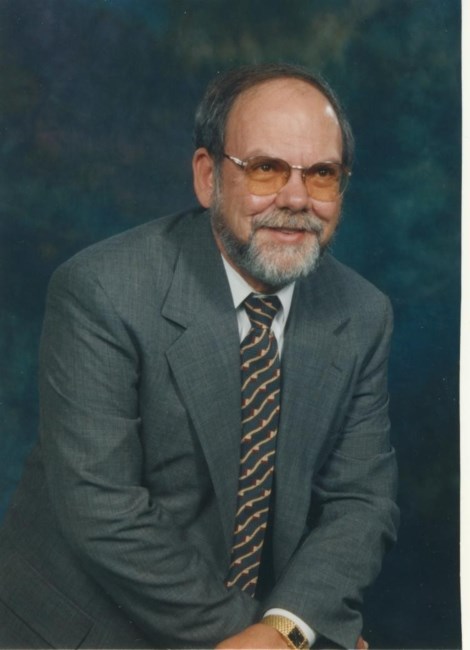
About Tommy Robbins
Tommy Robbins (1948-2011) was pastor of Fairmont Grace Church in Sylacauga, Alabama.
Comments
Your comment has been submitted and is awaiting moderation. Once approved, it will appear on this page.
Be the first to comment!