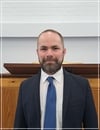
In his sermon "They Told Him About Her," James Gudgeon addresses the theological significance of healing and the role of the church in ministering to the sick, using James 5:14 and Mark 1:30-31 as foundational texts. He emphasizes the authority of Jesus over sickness, illustrating this through the healing of Simon Peter's mother-in-law and other scriptural accounts. Gudgeon draws upon the active role of elders in the church, who are called to pray and anoint the sick, highlighting the importance of community support and pastoral care in times of illness. The sermon reflects Reformed doctrines of God's sovereignty, providence, and the intercessory nature of Christ while also calling believers to gratitude and reliance on divine mercy in their struggles. The significance lies in understanding that while God uses means such as medicine, ultimate healing comes from Him, and believers are encouraged to seek spiritual support as they navigate sickness.
Key Quotes
“The prayer of faith shall save the sick and the Lord shall raise him up.”
“Jesus Christ is still at the right hand of the Father... interceding for his beloved people.”
“When we are unwell... it is God that has allowed it to take place, maybe for a specific reason.”
“Call for the elders of the church... to pray over that sick person.”
The Bible emphasizes calling the elders of the church to pray for the sick, highlighting God's authority to heal.
In James 5:14-15, we are instructed that if anyone is sick, they should call for the elders of the church, who will pray over them and anoint them with oil in the name of the Lord. This ritual underscores the church's role in supporting believers through prayer, invoking God's power to heal. The passage also reassures us that the prayer of faith can save the sick and result in forgiveness of sins, demonstrating the profound connection between physical and spiritual healing.
James 5:14-15, Mark 1:30-31
God continues to heal through prayer and faith, as He did in biblical times.
The healing ministry of Jesus demonstrates His power and compassion, which continues today as He intercedes for His people at the right hand of the Father (Hebrews 7:25). While miraculous healings by the apostles served as signs to validate their ministry, we also see God's providential healing through modern medicine. Believers are encouraged to approach God in prayer, trusting in His ability to heal physically and spiritually, as He operates through both divine intervention and means.
Hebrews 7:25, James 5:14-15
Calling for the elders involves the church's authority and communal prayer for healing.
In calling for the elders when one is sick, believers acknowledge the church's authority to pray and intercede on their behalf. This practice fosters community and support, combining faith with accountability. The elders are spiritually mature and can provide not only prayer but also comfort, scriptural counsel, and guidance during times of illness. This emphasizes that believers are not isolated in their struggles but are part of a collective body that cares for one another under Christ's lordship.
James 5:14-15, Mark 6:12-13
Sickness can serve as a means for God to draw us closer and grow us in faith.
Sickness and affliction in a believer's life are not merely punitive but can serve a greater purpose in God’s sovereign plan. Often, they prompt reflection, humility, and reliance on God's grace. This time can encourage spiritual growth, allowing believers to develop a Christ-like character amidst suffering. The ultimate goal is for God to be glorified in our response to trials, as others may witness and be encouraged by our faithfulness during hardship. Thus, God uses sickness for spiritual and communal edification among His people.
Romans 8:28, 2 Corinthians 12:9-10
Comments
Your comment has been submitted and is awaiting moderation. Once approved, it will appear on this page.
Be the first to comment!
