Bootstrap
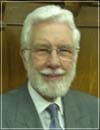
Stephen Hyde

The Holy Spirit Will Come

John 16:7-11
Stephen Hyde November, 3 2019 Audio
0 Comments
Stephen Hyde
Stephen Hyde November, 3 2019
'Nevertheless I tell you the truth; It is expedient for you that I go away: for if I go not away, the Comforter will not come unto you; but if I depart, I will send him unto you. And when he is come, he will reprove the world of sin, and of righteousness, and of judgment: Of sin, because they believe not on me; Of righteousness, because I go to my Father, and ye see me no more; Of judgment, because the prince of this world is judged.' John 16:7-11

Sermon Transcript

Auto-generated transcript • May contain errors

100%
May it please God to bless us
together as we meditate in his word. Let's turn to the Gospel
of John, chapter 16, and we'll read from verse 7 to verse 11. The Gospel of John, chapter 16,
and reading from verse 7 to 11. Nevertheless, I tell you the
truth. It is expedient for you that I go away. For if I go not
away, The Comforter will not come unto you, but if I depart,
I will send him unto you. And when he has come, he will
reprove the world of sin and of righteousness and of judgment. Of sin, because they believe
not on me. Of righteousness, because I go
to my Father and ye see me no more. of judgment because the
prince of this world is judged. These were of course very momentous
days really in the history of the world. And the Lord here
is speaking to his disciples in that upper room, a very sacred
occasion. as he was able to address them.
And from the 14th or part of the 13th chapter in John up to
the end of this chapter, we read the words that Jesus spoke to
those disciples. And as he comes towards the end
of this sermon or address, as he speaks to them, he tells them
that he will go away. And of course, they found that
difficult to understand, especially in the terms that he addressed
them. But nevertheless, it was true
that he would go away. And he tells them these truths. I tell you the truth, it is expedient
for you that I go away, for if I go not away, the Comforter
will not come unto you. Now they wouldn't really have
been aware of what he meant by this word, the Comforter. But
it is quite clear, of course, he was speaking of the wonderful
third person in the Trinity, the Holy Spirit. And it is, of
course, the Holy Spirit that speaks to us today of the Saviour
and of the Father and directs it in so many, many ways. And
this was fulfilled on that wonderful day of Pentecost, after the Lord
had been crucified and risen from the dead, and then rose
from the earth to go and to be with his Father. And the Acts
of the Apostles, written of course by Luke, tells us a little of
what occurred in that time. And in the second chapter, The
record tells us this, and it shall come to pass in verse 21,
that whosoever shall call on the name of the Lord shall be
saved. And he says, ye men of Israel, hear these words. Jesus of Nazareth, a man, approved
of God among you by miracles and wonders and signs which God
did by him in the midst of you as ye yourselves know. And this
follows what had occurred earlier when they'd met on this day of
Pentecost. And we're told, and suddenly
there came a sound from heaven as a rushing mighty wind, and
it filled all the house where they were sitting. And there
appeared unto them cloven tongues like as a fire, and it sat upon
each of them. And they were all filled with
the Holy Ghost, which of course is the Comforter, the Holy Spirit. it had a wonderful effect upon
them so they were able to speak one another's language and going
back to this which Peter was able to speak to them and he
said him being delivered by the determinate counsel and full
knowledge of God ye have taken and by wicked hands have crucified
and slain whom God hath raised up having loosed the pains of
death, because it was not possible that he should be holden of them. And Peter goes on to address
them further, and he comes down towards the end of this account,
and in verse 37 we read, now when they heard this, They were
pricked in their heart and said unto Peter and to the rest of
the apostles, men and brethren, what shall we do? They heard
what Peter had said. It attached their hearts. They
realized they were guilty. And now they asked what they
should do. And Peter said, repent and be baptized. Every one of
you in the name of Jesus Christ for the remission of sins. And
you shall receive the gift of the Holy ghost for promises unto
you and to your children and to all that are far off even
as many as the Lord our God shall call and with many other words
did he testify and exhort saying save yourselves from this untoward
generation. So there we see there was the
fulfillment of what Jesus had spoken to his disciples in the
upper room and had told them what would come, that he would
send the Comforter. And after these relatively few
days, the Comforter did come in this wonderful and amazing
way. And the Lord went on to say,
and when he has come, the Holy Spirit, he will reprove the world
of sin and of righteousness and of judgment. Of sin, because
they believe not on me, righteousness because I go to my father and
he see me no more of judgment because the prince of this world
is judged so the Lord tells them that the
Holy Spirit will come and he will reprove them really a three
things sin and righteousness and of judgment And that did
occur and it has continued to occur down through the ages,
right till the present time in which we live. And it is significant
that the Lord speaks to them and tells them that they will
be reproved of sin. And then he speaks specifically
of sin in this way, because they believe not on me. Well, you
only have to recognise that so many people today do not believe
on the Lord Jesus Christ. And because they do not believe,
it is sin. There is a gracious command to
believe on the Lord Jesus Christ. I know people say, well, of course,
I haven't got any ability to do that myself. Well, we we know
that's true, but nonetheless, If it is not done, it is sin. And we are guilty before God. And we can never excuse ourselves
because today, especially in our country, we are wonderfully
privileged to be able to meet freely for worship up and down
the land with no difficulty. And the gospel is preached and
the Bible is read. And it speaks to us from Genesis
to Revelation with regards to the Lord Jesus Christ. And it
speaks to us from Genesis to Revelation about sin. Sin which
was first committed in the Garden of Eden by Adam and Eve when
they disobeyed God. And sin has continued as men
and women, boys and girls, have disobeyed God. Disobeyed God
in so many, many ways. We all need to be forgiven of
our sin. However small you may think,
you may think, well, I'm not a very big sinner. You may think
I'm quite a small sinner. Well, let us understand that
no sin is found in heaven. Every single sin must be forgiven. Every single sin must be washed
away. So never hide under the wrong
thought you're not a very bad sinner. It's good if you think
you are a bad sinner because we are all bad sinners and even
the apostle Paul tells us he was a great sinner and less than
the least of all saints. So never come and settle down
thinking well I'm not a very bad sinner so therefore it'll
be all right in the end. It won't be all right unless
all our sins are forgiven. And that's not perhaps sins that
you and I might think of physical or in words. It's the things
that we think. You see, they are sins. When
we think wrong things, think evil things against one another.
When we think lustful things, when we think of things which
are against one another. You see, all these things are
not right. They're all sins and they have
to be forgiven. then we come down to this statement
here of sin because they believe not on me. The whole thrust of
the gospel really is that we are to believe the Lord Jesus
Christ, we should believe the Word of God. We should not think
well I'll put it off and perhaps I'll think about it when I'm
a bit older or when it's a more convenient time I'll Just try
and think about these things. Again, we should never forget
that none of us know how much longer we have to live on this
earth. It may only be hours, maybe days,
months, maybe years, but we don't know. And it would be a tragic
situation if you and I come down to the hour of our death, the
minute of our death, perhaps, and we realize that we have not
heard this word and we've not obeyed this word and we have
not received grace to believe on the Lord Jesus Christ of sin
because they believe not on me. So here's a very important consideration. You may remember in the Acts
of the Apostles we have the account of Paul and Silas which we referred
to briefly this morning and this is an occasion when they were
imprisoned and at midnight they sang praises to God and suddenly
there was a great earthquake so the foundations of the prison
were shaken And immediately all the doors were opened, and everyone's
bands were loosed. And then we come down to verse
27, which tells us this. And the keeper of the prison,
awaking out of his sleep, and seeing the prison doors open,
he drew out his sword, and would have killed himself, supposing
that the prisoners had been fled. But Paul cried with a loud voice,
do thyself no harm, for we are all here. Then he called for
a light, and sprang in and came trembling and fell down before
Paul and Silas and brought them out and said, sirs, what must
I do to be saved? I wonder whether we've asked
that question. What must I do to be saved? It's not what the person next
to me has to do. It's what I have to do. And the
apostle spoke to him and said, believe on the Lord Jesus Christ
and thou shalt be saved. A very simple statement, a very
important statement, because let's be very clear, nobody will
ever enter heaven who has not believed on the Lord Jesus Christ. And when I say that, it means
believing what he's done when he was on this earth to deliver
us to save us and what a cost it was the Lord Jesus Christ
did in order to save our souls because he took our sins and
died in our place took all our sins away and we're told that
they are washed we are washed in the blood of the lamb the
lord jesus christ and we are clean if that is so so here we
have this very simple statement isn't it's not complicated we
don't need a dictionary to understand it but it is straightforward
and it is very true and it is very relevant to every one of
us because as the lord said when he has come the holy spirit he
will reprove the world of sin And it's a good thing, therefore,
if you and I have been reproved because of our sin, that we've
been made aware of our sin. We haven't just carried on in
a wild way, ignoring it, and think, well, it doesn't really
matter. I can do what I want to do, and
I'm a pretty good chap anyway, and I think everything will be
all right in the end. Well, the Lord sorts that out by these
words when he qualifies it and clarifies it and says, of sin
because they believe not on me. There's many other things, many
other sins which would condemn us. But this seems to be of prime
importance. It is very important for every
one of us to recognize this is the sin which will condemn us
if we fail to believe on the Lord Jesus Christ. So we have
this statement tonight. Remember, they are the very words
of Jesus. They're recorded in detail for
us to take knowledge of and not to think it's irrelevant. Nothing
in the word of God is irrelevant. Never think it is. Never think,
well, I can ignore that. You know, some people have a
very small Bible and the Bible only consists perhaps of the
Gospels. Well, we should be thankful if,
of course, they do read the Gospels, but we have the whole Bible to
read. And I would encourage you young people to read the Bible,
to read it from Genesis through to Revelation. You won't find
it always easy. There are parts which are difficult
to understand, but the more we read it, the more we understand
it, because Scripture does explain Scripture. So Never think, well,
I can't understand that. I'm going to give it up and I'm
going to forget about it and carry on living my life just
as I want to live. No, the word of God is a great
blessing and it does describe to us all that you and I need
in this life and all that you and I need for our salvation.
It is a glorious gift of God that you and I today have the
Bible to read. Many people today ignore it.
They don't want it. They cast it away. They think
it's irrelevant to their life. They think it's old-fashioned.
They think it doesn't apply to them. And also sometimes, you
know, people think, well, as long as I just rely or believe
the New Testament, I needn't believe in the Old Testament. Well, again, that's a fallacy. And it's very significant that
Jesus himself, earlier chapter in the fifth chapter of John
he speaks about the Old Testament and especially speaks about the
first five books that Moses wrote and today the early books in
the Bible are sometimes disputed and people think they're irrelevant
well they're not at all and they are true this is what Jesus says
the fifth chapter and from verse 45 do not think that I will accuse
you to the father of There is one that accuseth you, even Moses,
in whom ye trust. By that, of course, he means
the writings of Moses. For had ye believed Moses, ye
would have believed me, for he wrote of me. Again, it's wonderful
to think there was prophecies in those first five books written
by Moses in prophecy. The last verse, verse 47, tells
us this. If he believed not his writings,
how should he believe my words? You see, the whole Bible goes
together. We can't say, well, I just believe
the words of the New Testament written and those which speak
of Jesus, and I can ignore all the words in the Old Testament.
No, says Jesus. If he believed not his writings,
the writings of Moses, how should he believe my words? Everything
you see goes together. Everything flows together. And
it's a blessing, therefore, if we have a right understanding
of these things to believe. Of sin, because they believe
not on me. Well, there we are. That's important
consideration. And then the Savior goes on to
say, of righteousness, because I go to my Father and ye see
me no more." Well, what does that mean? Does it mean our righteousness? Does it mean what we've done?
Does it mean that we're a good person, we're a just person before
God? Well, we're told this very clearly
in the Bible that all our righteousnesses are not good, they are as filthy
rags that means they're not worth really anything and yet you see
we find people depending upon the things they've done and the
things they've said and they think well I've done that good
deed it's not it's not nothing wrong in doing good deeds we
should do good deeds until we're told to do good unto all men
especially unto the household of faith but we should not think
by doing good deeds we can be justified ourselves and find
ourselves righteous. No, we are not. We are in ourselves
unrighteous. We are sinners and we need to
have our sins taken away. And so the Lord speaks here of
righteousness and it must of course relate to his righteousness. The Lord Jesus Christ was righteous
in everything he did and said. There was no sin in the Saviour. We are also told he was tempted
in all points, in all things, like we are, and yet without
sin. He didn't give in to those temptations. He didn't listen to what Satan
was speaking to him. He turned away from them. every
time and yet as you think what he had to endure tempted in all
points that means there's nothing that you and I can think or say
or do which didn't come in or before the blessed saviour and
you and I perhaps often fall and often sin the saviour never
did he was pure and holy in every action in every word and in every
thought, right through his life, from the very moment he was born
in that manger in Bethlehem, to the very last second on the
cross at Calvary, when he said, it is finished. All those 33
years, the Lord Jesus lived a perfect life. And if the Lord had not
lived a perfect life, you see, his sacrifice, and of course
his sacrifice was himself would not have been accepted by his
father. His father is holy, no sin. And it was required, there was
a perfect sin-free sacrifice offered to atone for sin. In the Old Testament, there were
sacrifices offered continually to take away sin, but they were
never perfect. As we are told, as you read in
the Hebrews, all those sacrifices were good in their way, but they
were never perfect. Because there was sin in the
offer and just to think of something very simple, somebody would take
away a sheep or a lamb or a goat to be sacrificed. And they might have thought,
well, I'm doing very well. And this is a wonderful gift that
I'm giving. And it really is my best sheep and it's costing
me a lot. But you see, what was there was
pride. Pride is a ghastly sin. And so
to think that all those sacrifices which are offered over all those
many years, none of them were perfect, although there was an
endeavor for perfection, but it failed. And we're told that
in the Hebrews. But the law of Jesus Christ did
not fail. He kept the law of God complete
and honorable, and he kept it on our behalf. And that's a very
amazing thought, isn't it? Why should Jesus keep the law
on our behalf? And why should the Lord then
give us this great and glorious gift of his righteousness, because
we never deserved it. I'll tell you why. It's because
he loved us. Because he loved us. If you just
think about that for a moment, that's a very wonderful statement. Because there was nothing really
in us that could be attractive naturally to a holy God because
we are sinners of the earth and sin is abhorrent to God the Father
and it's not acceptable and therefore God could not have looked upon
us and thought well there's a lovely person but we're thankful that
God did look upon us he looked upon us as we are seen in Christ
And as we are seen with his righteousness, not with our own, not with our
own works, not what we've done, but we rest in what Christ has
done. And of course, we are very thankful
today that that work of the Saviour is complete. He didn't fail. He kept the law and he made it
honourable. And just ponder what he endured, what he did, to give
us this righteousness. He endured very much, physically,
mentally, and people spoke against him wrongfully, they derided
him, and then of course at the judgment hall they spat upon
him, they beat him, and all those things the Saviour endured, not
because of what he'd done, not because of what he said, which
were wrong, but he endured all those things in order that he
might die that sin atoning death to deliver us from the wrath
to come. And so that by his death, we
might receive a wonderful, glorious gift of eternal life and to be
clothed then with his righteousness. righteousness and because we
are clothed with his righteousness we are then just before God. We are just, not just in and
of ourselves, we are unjust but we are just through the one sacrifice
for sin of the Lord Jesus Christ. And so we have this word of righteousness
because I go to my father and and ye see me no more." They were hard words for the
disciples to be able to fully understand and the Lord was telling
them here that they would receive this righteousness and yet he
would be seen no more. Well no more as he was here of
course he was seen after he rose from the dead and to his disciples
and to some 500 people and to one or two other women. But here
was a wonderful statement, and ye shall see me no more, no more
on this earth. But they can look forward to
an eternity with their Savior. And so the Lord goes on to speak
in these terms. He says of judgment, because
the prince of the world is judged. I suppose today people don't
like to think very much about judgment, but it's wonderful
to think about the great and glorious gift of this righteousness
which the Lord has given to all his people. And when the Apostle
Paul wrote to the Hebrews in the second chapter that epistle
he tells us a great truth and it's important to realize the
Word of God and he says this in verse 14 chapter 2 for as
much then as the children are partakers of flesh and blood
he also himself likewise took part of the same that through
death he might destroy him that had the power of death, that
is, the devil, and deliver them who through fear of death were
all their lifetime subject to bondage. For verily he took not
on him the nature of angels, but he took on him the seed of
Abraham. So it's a wonderful view that
the apostle gives us. Remember he was writing here
to the Jews, to the Hebrews, who were obviously familiar with
the ceremonial law and he directs them then very specifically to
the Lord Jesus Christ in these words. And what a good thing
it is that we have an account like this to encourage us and
that's of course in the New Testament And we should not forget the
Old Testament speaks also very wonderfully about the Lord Jesus
Christ and what he did. And if we go to the prophecy
of Isaiah and the 53rd chapter, and we come towards the end of
that chapter from verse 10, we're told, yet it pleased the Lords
to bruise him. He hath put him to grief when
thou shalt make his soul an offering for sin. He shall see his seed,
he shall prolong his days, and the pleasure of the Lord shall
prosper in his hand. He shall see the travail of his
soul and shall be satisfied. By his knowledge shall my righteous
servant justify many, for he shall bear their iniquities. What a wonderful truth that is. And there we have back then in
the Old Testament, many, many years before the birth of the
Savior, some 700 years, we have this account written by Isaiah
to encourage us as it describes the Lord Jesus Christ and what
he would suffer in order to produce this wonderful gift of righteousness
so that we might be thankful for it. And then as I was saying,
we come on then to this judgment of judgment because the prince
of this world is judged. Well, the prince of this world,
of course, is the devil, and he has been judged. And you and
I will be judged. You and I will have to stand
before that judgment seat of Christ at the end of time, when
time shall be no more. That day when The trumpet shall
sound, that great trumpet, which will be blown, getting louder
and louder. And no one will be able to ignore
it. No one will say, well, what shall I do now? It'll be too
late. And yet we are told about it and we're warned about it.
And people today just ignore it and think it's irrelevant.
And as the Bible tells us, they say, well, things continue as
they always have done. Why should I worry? Everything's
gonna be all right. I'll just carry on as I am. Well, in the 20th of the Book
of Revelation, we just have a little glimpse of that situation. And this is written by the Apostle
John. And in the 20th chapter, in the
11th verse, he says, and I saw a great white throne. He was
blessed with a vision of those things which were to come. And
him that sat on it, from whose face the earth and the heaven
fled away, and there was found no place for them. And I saw
the dead, small and great, stand before God. And the books were
opened. And another book was opened,
which is the book of life. And the dead were judged out
of those things which are written in the books. according to their
works." Don't think this is untrue. Don't think this is irrelevant.
This is the word of God and if you and I are to believe one
word in the Bible, we should believe all the word, every word
as already illustrated in that quotation in the fifth chapter
of John. And so here we have this statement
that everyone death and hell delivered up the dead which were
in them and they were judged every man according to their
works and it's according of course to the words that we speak and
it comes back really to this great question in the earlier
verse of sin because they believe not on me Imagine what a terrible
thing it would be if we are asked the question of that great day
of judgment, have we believed on the Lord Jesus Christ? And
it would not be any value then to say, well, I do believe now. We should be then out of time.
We should be in eternity. And how important it is that
you and I have the evidence in our very hearts that we have
believed. By the grace of God, by the favor
of God, we have believed. We begin the faith to believe
on the Lord Jesus Christ. So we're told they shall be judged.
Every man according to their works and death and hell were
cast into the lake of fire. This is the second death and
whosoever was not found written in the book of life, was cast
into the lake of fire. It's a very solemn, searching
truth that we have recorded in the Bible for us, but it's recorded
there for our direction, for our instruction. And we shall
never be able to say when we stand before that great white
throne, and remember the judge is the Lord Jesus Christ himself.
We should never be able to say, well, I never knew. All of us
will be utterly without excuse. What a tragic time it will be
if we come to that time and have not believed on the Lord Jesus
Christ. We've never known him as our
great and glorious saviour. We've never known what it is
to know something of His love toward us. Why should God love
us? What is there to be loved? What
good is there in ourselves? But the Word of God tells us
He's loved His people with an everlasting love. An everlasting
love. Not something that's just developed.
Not something because you and I look good and And God said,
well that's quite a good chap or woman, I love them. No, that
love was an eternity past. Again, it's something beyond
our natural comprehension. We're not told that we're going
to be able to understand everything with our natural mind. But you
know what we are told? God gives faith to believe the
word of God. Faith to believe. Faith is not
something tangible that you and I can grasp, hold on naturally. But it is that which God gives
to us. And the Lord Jesus, or rather
the Apostle Paul, gives a definition of what faith is when he wrote
to the Hebrews. In the 11th chapter we're told
this, the first verse. Now faith is the substance of
things hoped for. The evidence of things not seen. You don't see it physically,
but you hope for it and you believe the truth of God's Word. And
then, as most of you I'm sure will remember, in the 11th chapter
of the Hebrews, there's a great long list of all those who lived
by faith. We're just told, for by it the
elders obtained a good report. through faith. We understand
the worlds were framed by the word of God and so on. And it's
good sometimes to just read the 11th Hebrews, just to be strengthened
in our faith, to realize that all those who've gone before,
and he lists, of course, Moses and Abraham and people like that,
and they didn't have an easy life, but they were blessed with
faith to believe. And they were blessed with this,
to believe that all things were working together for their good.
And they were blessed to believe the promises of God were true. And they were blessed to look
forward to the day of the Lord Jesus Christ. We're told the
Lord Jesus Christ says, Abraham saw my day and was glad. He saw there was that day of
redemption coming, the day when he would be saved eternally. The day when the Lord Jesus Christ
would die upon that cross at Calvary to take away his sins. My friends, all of us need to
know today, the Lord Jesus Christ has died upon that cross at Calvary
to take away our sins. Real religion is individual. Real religion is personal. All of us need to have personal
dealings with Almighty God. And that's a very astounding
thought, isn't it? To think that God, who rules
and reigns over the whole world, the whole universe, knows all
about everyone, knows about you, knows about me. Knows what we've
thought, even here in this building tonight. Nothing is hidden from
the eye and ear of Almighty God. And what a favour it is when
we have an appreciation of the truth, how great thou art. That's
a good line of a hymn, isn't it? How great thou art. It's
good when you and I can really feel it, really say it, and really
acknowledge it. And acknowledge it because we're
pleased to say it. Not because of fear. There may
be that fear. You may fear tonight. You may
tremble because you recognise you've got to stand before that
judgment seat of Christ at the end of all time. Every person
ever born will be there. What an occasion that will be.
But bless God if you and I are, using that simple phrase, are
under the blood. And that means we are under that
blessed sacrifice of the Lord Jesus Christ. He is dying to
take away our sins. That was the picture we read
of throughout the Old Testament. Blood had to be shed, the animal
had to be slain, indicating that which was to follow when the
Lord Jesus Christ came and so gloriously gave his life an atonement
for sin. Well, tonight are we thankful
for the Lord Jesus Christ. And if we are, do we not believe
on what he's done? Do we not believe on his name? Do we not believe on the great
gift of eternal life which he has given to all his church? Of sin, because they believe
not on me. Of righteousness, because I go
to my father and he see me no more. judgment because the prince
of this world is judged. Well, my friends, tonight as
we read these words of Jesus, very specific, very clear, may
we have the spiritual understanding that we are one of those whom
the Lord has loved with an everlasting love, one of those who he has
drawn to himself. You know, we're told that we're
drawn by the Saviour, by His love to Himself. What a wonderful
blessing that is. You and I can't produce it ourselves,
but God does give it. It's a wonderful gift, and may
we understand it, and may we be shown it, and may we rejoice
in it. And so it's a glorious gospel
that we have. How thankful you and I should
be tonight to be able to read the truth, record it in the Word
of God, and to take it to heart, and realise it is relevant to
each one of us. And may we all be found confessing
our sins. You know, we're told in the Gospel
of John, if we confess our sins, he is faithful and just to forgive
us our sins and to cleanse us from all unrighteousness. That's
good news. Well, may we understand it and
may we be blessed with humble confession to repent of all our
sins to be sorry for all our sins and truly desire to seek
unto the Saviour for the great and glorious gift of eternal
life and to know that by His grace one day we shall be found
in glory with Him to spend eternity in heaven praising God from whom
all blessings flow. Amen.
Broadcaster:

Comments

0 / 2000 characters
Comments are moderated before appearing.

Be the first to comment!

Joshua

Joshua

Shall we play a game? Ask me about articles, sermons, or theology from our library. I can also help you navigate the site.