Bootstrap
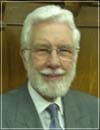
Stephen Hyde

A Brother In Christ

Philemon 11
Stephen Hyde September, 15 2019 Audio
0 Comments
Stephen Hyde
Stephen Hyde September, 15 2019
'Which in time past was to thee unprofitable, but now profitable to thee and to me: ' Philemon 11

Sermon Transcript

Auto-generated transcript • May contain errors

100%
May it please God to bless us
together this evening as we meditate in his word. We'll turn to the
Epistle of Paul to Philemon, and we'll read the 11th verse. The Epistle of Paul to Philemon,
and we'll read the verse 11. Which in time past was to thee
unprofitable, but now profitable to thee and to me. This statement belongs to Onesimus,
who had, it would appear, been possibly a slave, but nonetheless
a servant to Philemon. And we have just this short account,
which doesn't give very much detail, but it does tell us a
few things about this man. And well tonight perhaps these
thoughts upon Onesimus may be beneficial to us. The verse that
I read of course is just part of a longish sentence but nonetheless
it's the center really and the most important part of this consideration. So we have here the occasion
when Paul, who was a prisoner, we know Paul was a prisoner a
number of times in his life. Paul never had an easy life.
We perhaps look at Paul sometimes and think he was a blessed character,
which he was, but nonetheless he had a difficult life. And
I suppose in the life of the Apostle Paul it was clearly being
fulfilled of what Jesus had spoken when he was on the earth, when
he said it is through much tribulation that we shall enter the kingdom
and somehow we think that applies to everybody else but ourselves
but nonetheless it is true and we will find that our life is
not easy on this earth especially if we are honest and truthful
Christians if we hide our light so no one knows what we are well
then you see we can expect to live a pretty calm life but it
won't be calm with God The great thing is to walk our life in
accordance with the Word of God. So here we have our good brother
Paul, who was a prisoner of Jesus Christ. And he's writing to Philemon,
who he tells, our dearly beloved and fellow labourer. It's good,
isn't it, when we can speak of one another in such terms. Beloved and fellow labourer. Because we don't all have to
be preachers to be fellow labourers. Every born again child of God
is a servant of God and we should all be serving the Lord in one
place or another. We should never think that we
are excused and somehow we can hide ourselves. No, we should
always be concerned about our life and that we are able to
show forth the goodness and the praise and the wonder of redeeming
love. Well, the Apostle is writing
to Philemon and he says some very beautiful things. He says,
Grace to you and peace from God our Father and the Lord Jesus
Christ. It's of course what we all need.
He says, I thank my God, make him mention of thee always in
my prayers. One thing is very clear, the
Apostle Paul, he was a great praying man. And that is a wonderful
testimony to us. You may remember When he wrote
to the Thessalonians, he advised them to pray without ceasing. He didn't say, well now, just
say a few words in the morning and a few words at night and
then get on with it. He said, pray without ceasing. And that's
a wonderful example. And you young people, in your
workplace or at school or at college or wherever it may be,
remember to pray without ceasing. Pray your way along. Whatever
eventuality, whatever situation you face, and you will face many
problems, don't rely on your own ability to deliver yourself. Don't rely on your own skill.
Don't think, well, I'm able to cope with this. Commit thy way
unto the Lord. Trust also in Him, believing
that He will bring to pass that deliverance. And I'll tell you
what will happen in that situation. When the God does it, You would
have to thank God. You won't be able to say, well,
it was my skill. That would only produce pride. What a mercy when
we desire the honor and glory of God, and we can then testify
and say, well, God heard my prayer, and God appeared, and God answered
that prayer, and God delivered me, and God helped me. It's a
wonderful thing to be able to testify of what God has done. Well, here we have then Paul
speaking like this and saying, Hearing of thy love and faith
which thou hast toward the Lord Jesus and towards all the saints. Quite clearly Philemon wasn't
a silent man. He was a man that spoke about
the things of God. And how important is that for
us today? You see, we live in a day when
the Church of God are often silent. Why? the devil shuts our mouths. Why? Because we're afraid of
what people might think, what people might say. We're happier
to go along with all the vain words and the conversation in
this world rather than speaking about the great and glorious
truths of God. Well, here you see the apostle
was able to testify of his good friend and brother Philemon and
saying how he rejoiced to hear his love and faith which he had
towards the Lord Jesus and toward all the saints. And really that
is such an important and vital thing in our lives today. We need the blessed evidence
and movement of the Holy Spirit influencing us and constraining
us in our lives to be able to People can speak of the love
and faith which we have, which the Lord Jesus has granted us,
and to all the saints. There was clearly that communion,
wasn't there? And there was that speaking of
the things of God. You see, the Church of God has
got in a terrible state. Lukewarm, carnal, fleshly, and
all those things seem to somehow creep together and go under the
cloak of religion. And even when the people of God
meet together, they're happy to talk about everything under
the sun rather than the great, important things of God. Well, we have, thankfully, little
evidences here and there in the Word of God to encourage us in
the right way and not to turn to the wrong way. And so he tells
us that the communication of thy faith may become effectual
by the acknowledging of every good thing which is in you in
Christ Jesus. You see that's what we want to
see. Christ in one another and the
effect of the work of Christ in one another. What a blessing
that is. And then he comes and says, for
we have great joy and consolation in thy love because the bowels
of the saints are refreshed by thee brother. Isn't it clear
that he was encouraging the members of the Church of God and therefore
there was great joy, great joy. How lovely it is today when we
have occasions to be joyful in the things of God and wonderful
indeed if it was that we have great joy like these did on this
occasion, great joy and consolation in thy love because the bowels,
that means the heart, The innermost being of the saints are refreshed
by the brother. It wasn't just, you see, some
intellect which was satisfied by some wonderful educational
statement. It was the innermost being. It was the work of the Holy Spirit
which had come upon them and touched them. And so, wherefore,
though I might be much bold in Christ to enjoin thee that which
is convenient, yet for love's sake That's really one of the
touchstones of the reality of religion. For love's sake, love
to God, love to the brethren. What does that mean? It means
not pleasing ourselves. That means serving the Lord.
And what a blessing it is when we can evidence these things
in our life. For love's sake, I rather beseech
thee, being such and one as Paul the aged, and now also a prisoner
of Jesus Christ. And I sometimes think it's like
the Apostle Paul when he wrote the 37th Psalm. He said he was
an old man. And here we have Paul writing
here, he was an old man. And it's good to read these accounts
because we know then that they come from people who have a long
experience of God's goodness and favor towards them. And therefore
we can recognize The words are good and worth considering. They
don't emanate from someone with no experience. They emanate with
someone whose religion has been thoroughly tested. David's was,
wasn't it? You think of David's life, what
he had to endure. Such opposition in obeying the
word of the Lord, just the same as Paul. Well, he was a man of
God. Such opposition he had to endure. And yet you see, there he was,
willing to suffer. And here he was telling us that
he is poor the ages and now also a prisoner of Jesus Christ, in
prison. I wonder how we would feel, come
towards the end of our life and we've done the will of God, like
the Apostle, we find ourselves in prison. You might think, well
now why am I here? Why have I got myself in this
situation? Paul was there because it was
God's will. And it's good for us to submit
ourselves under the mighty hand of God, that he may exalt us
in due time, casting all our care upon him, believing he cares
for us. And so that's the introduction
really. It's a bit long, but that's the introduction to Onesimus. And now he addresses Philemon
and he says, I beseech thee for my son Onesimus, whom I have
begotten in my bonds. Now it's quite clear that this
man was not a natural son of the Apostle Paul, who didn't
have any children, he wasn't married, he didn't have any natural
children. but he did have spiritual children. And here is a spiritual child. Onesimus was a spiritual child. And it tells us whom I have forgotten
in my, begotten in my bonds. And it would seem therefore that
it was while he was in prison that he met and talked to and
spoke to this man. And the conversation had a blessed
effect upon him. so that he could say, yes, he
is my son, just like Timothy was his son in the faith. And
it's a great blessing when we as God's people are able to encourage
younger people and to speak to them of the things of God so
that they come to the faith, perhaps through the words that
we speak. That's very humbling, but it's a good thing. It's a
wonderful thing. And so the Apostle Paul was able to speak like this. And he uses this word, I beseech
thee. He wanted this to be understood. And he then comes and tells us,
which in time past was to thee unprofitable. Well, perhaps we've
been unprofitable, but now profitable to thee and to me. What does he mean by that? He
means that they were able to be profitable in the things of
God. It means that they were able
to encourage one another. It means they were able to speak
about the things of God and especially about the Lord Jesus Christ. Well, what a testimony in just
a few words here, which in time past was to thee unprofitable,
and we have to leave that, that's past. But now, oh, there's been
a change. What a blessing, isn't it, when
there's a change. But now, not unprofitable, but
now profitable. to Philemon and also to Paul. So here was a man, Onesimus,
had gone through a wonderful spiritual exchange. And if we
just read on in these verses, we come to this statement, for
perhaps he therefore departed for a season, verse 15, for perhaps
he therefore departed for a season that thou shouldest receive him
forever.' So it would seem that he'd run away. Perhaps he got
fed up with Philemon. Perhaps he couldn't stand Philemon's
religion. We're not told the details, but it was bad enough
so that he ran away. And now Paul was telling him,
for perhaps he therefore departed for a season, and there was a
good reason for it, And it was a blessed reason. And that's
very wonderful, isn't it? When there is a situation arises
like that. And he tells him now, Philemon,
he may have departed, he may have gone away, but there may
have been a reason that thou shouldest receive him forever. He's gone, but now he's come
back. And now he's a changed man. So do receive him. Which in time past, was to thee
unprofitable, but now profitable to thee and to me. Whom I have
sent again, thou therefore receive him, that is mine own balance,
just as it were himself. Receive him. He's gone away,
he's come back, he's been blessed, he's gonna be a blessing to us,
receive him. Whom I would have retained with
me, that in thy stead he might have ministered unto me in my
bonds of the gospel. But without thy mind would I
do nothing, that thy benefit should not be as it were of necessity,
but willingly.' You see, Jane, it's so good, isn't it, when
we do things willingly. not of necessity. Often we do things of necessity. We think we should do something
and we should do this and we should do that, perhaps to please
people, perhaps to please our friends, perhaps to please our
parents. But wonderful it is when it's not of necessity, it's
because we want to do it, because we're willing to do it. Why?
Because we're doing God's will. That's a wonderful favour isn't
it? To be found doing God's will, when we are in reality submitting
ourselves under the mighty hand of God and the reason that he
might be exalted, that he might be lifted up through his work
in our life. Not be as it were of necessity,
but willingly, for perhaps he therefore departed for a season
that there should receive him forever. Sometimes these things
happen in our lives and they're hard to understand and sometimes
they're very bitter. But nonetheless, what a blessing
it is when they have a good result, when they have a good end. You
see, we don't always know. In fact, we probably never know
what the future holds. But I'll tell you what we do
know. This is what we do know. Paul said, and we know that all
things work together for good to those who love God and to
those who are called according to his purpose. Paul knew it
and God's people know it. You don't always know it at the
time. You wonder why situations develop. Philemon may have wondered,
why has Onesimus run away? Why has this happened? There's
a reason. The reason was that the Lord
would bless him and the Lord would bring him back and he'd
be a different character. He'd be a changed person. Very
much so. And so the apostle says, thou
shouldest receive him forever. Forget all the past, all the
badness. Receive him. I've told you he's
a good man. The Lord's blessed him. What
a wonderful thing it is when that occurs, isn't it? And as
I mentioned this morning about the prodigal son, you see, there
was a father looking for him. He wasn't looking for a reason
to get rid of him. He was looking for a reason to
receive him. And he was waiting. And he was
watching. He saw him a long way off. It's
good, isn't it? When we may be found in that
way. And now he tells him how he is
to receive him. His words of advice, Philemon,
I'm telling you now, not now as a servant, he was a servant,
but above a servant, a brother beloved. A brother beloved, especially
to me, But how much more unto thee? Because you will see, Philemon,
the wonderful change. You will see what this servant
is like now. He's a different character. He's
got different aims. He's got different principles.
His life's been changed. He is now a servant of Christ
instead of being a servant of the devil. Oh says the Apostle
Paul, and a brother beloved especially to me and how much more unto
thee both in the flesh and in the Lord. And then just moving
on because it's worthwhile just following a couple of verses
to see how Paul reacted to this position towards Philemon. And he says, if thou count me
therefore a partner receive him as myself." Just as though Paul
was there. And then he says, if he hath
onesimus, if he's wronged you, or oweth you anything, what did
he say? Put that on mine account. Now
we see a godly spirit, don't we? We see a wonderful testimony
of the Apostle Paul. I'm sure Paul wasn't a wealthy
man, He lived in his own hired house, didn't have very much
I'm sure, but nonetheless, he didn't want Philemon to have
to pay any debt that was accountable to this man Onesimus. And therefore he says, if there's
anything owing, I'll pay it. That's a good little instruction
for us today. We shouldn't say, now look here,
this chap's coming back and if he owes you some money, You make
sure he pays it. Oh no, says Paul. If he owes
you anything, don't worry about that. I'll pay it. What does it set forth? I'll
tell you what it sets forth. The love of the Saviour. Because we haven't had to pay
our debt, have we? When we've perhaps gone away,
perhaps we've come back. We haven't had to pay our debt.
to the Saviour. The Saviour has paid it for us.
It's a wonderful little testament, isn't it, to an example for us
today. And I often think, you know,
if we need to examine how we should react, and there are those
occasions in our lives, what should we do? Consider Him. Think of what Christ would do.
Yes, and in that way you can think of what Christ people have
been directed to do. And clearly Paul was directed
on this occasion to tell Philemon, if there's anything owing, I'll
pay it. Christian charity, Christian
love, wonderful influence, the effect of the grace of God. Don't pass such things over.
Don't think they're irrelevant. They're recorded in the word
of God for our instruction and for our blessing. He will repay
it. Yea, brother, let me have joy
of thee in the Lord, refresh my bowels in the Lord, having
confidence in the obedience I wrote unto you, unto thee, knowing
that thou will also do more than I say. Again, it's a lovely confidence,
isn't it, in a brother in Christ, believing that here was a man
who would go another mile. He wouldn't just stop there,
no, he'd go another mile. It's a true evidence of the love
of Christ showing forth in the lives of a Christian. And so
we can be thankful that we have this little account in this epistle
to Philemon, but coming back to this 11th verse, which I want
to just dwell on for a few minutes, which in time past was to the
unprofitable, but now profitable to thee and to me. Now it is
a good thing in our lives today if we are profitable one to another
in the things of God. Let's recognize that such things
are not easy because we have a great adversary the devil who
does not want us to speak about the things of God. He doesn't
want any profitable spiritual conversation. And he endeavours
to influence us to turn the conversation to something of the flesh, something
of the earth, something which is carnal. And you see, because
we are all of the earthy, we very quickly fall into his trap. His desire is that the things
of God may never be spoken about. And one of his great temptations,
he's always been a tempter, remember, and he's always been a great
deceiver. One of his great deceivableness is this, to say to you and me,
when we desire to speak about the things of God, To say, well,
if you say that, of course, that would be for your pride as the
devil. Don't listen to him. And to say
to you, well, that's not worth talking about. That really is
nothing. Remember, a little that a righteous
man hath is better than the treasures of many wicked. Don't listen
to the devil. Don't be deceived by the devil. My friends, it is hard. The Christian
life is hard. Never has been easy. It wasn't
easy in Paul's day. Don't expect it to be easy today.
It's not easy at all. What a blessing it is when God
gives us grace to resist the devil. Don't listen to what he's
saying. Resist him and pray to have right
desires, right motives, right concerns, and to speak forth. the honours of our God. Well,
if we just stop and ponder, I'm sure we will all have, I hope
we all have anyway, all those who are believers will have good
cause to thank and to praise God for what he's done in their
lives. Especially in the things of grace,
but also in the things in our natural life. And we're not to
forget them, we're not to forget them. We are to acknowledge the
goodness of God, because in acknowledging the goodness of God, what does
it do? It brings praise to our God, who is worthy, worthy of
all exaltation. Now then, just think of this. Here we have this statement by
Paul, telling Philemon that he's now profitable to thee and to
me. And surely that must mean that
he has been directed to the Lord Jesus Christ. There can be no
doubt about that because the apostle was full of his desire
to know Christ and to know him more. and to speak about Christ
at every opportunity. You take the time when he was
in Athens. There he was alone in Athens. He didn't kind of
sit in his hotel with his feet up thinking, well, what shall
I do? He got out and went in the marketplace and was reasoning
with the people about the things of God. Oh, Paul was blessed
with a fervent spirit. What a wonderful example we have
in the Apostle. He wanted to exalt Christ. And I'm sure here, this man Onesimus
would have been blessed with that wonderful experience of
knowing Christ as his saviour. And because he had come to that
knowledge, to know Christ as his saviour, to deliver him from
all his sins, and there would have been many, wouldn't there?
There must have been because he ran away. We're not told the
detail. We don't need to know the detail,
because it means it can include everything. But here he was,
a man, he ran away. He had much to be forgiven. But now we see he has much to
talk about. And what does he have to speak
about? I'm sure it was the forgiveness of God, the mercy of God, the
grace of God, the love of God. They all come together. It's
worth talking about, isn't it? Isn't it profitable? It really
is. It's far more beneficial than
talking about the things of time. Oh, how easily we are sidetracked
to the things of time. Oh, my friends, does our conversation
honour our God? It's a test, isn't it? Does our conversation honour
our God? In the world and especially amongst
the brethren. We read of course in Malachi
those well-known words, then those that feared the Lord. What? What did they do? Those
that feared the Lord spake often one to another. It wasn't the
odd occasion. Surely it was their joyful experience
to come together and speak of the things of God. Because when
that is so, you know, I'll tell you what happens, we go on our
way rejoicing. We're thankful to have heard
about the things of God, because those are the things that really
touch our hearts. They really lift us up. They
lift us up above all the troubles and trials of this poor old world.
It lifts us up to heavenly places, to the true treasure which is
in heaven. Not the things on the earth.
We have to ask ourselves, where is our treasure? Is our treasure
on the earth? Is our treasure in heaven? Now, if your treasure's on the
earth, you'll be talking a lot about your treasure on the earth.
And you'll want to talk about it, and you'll be pleased to
talk about it, and that's all you'll often talk about. But
my friends, if our treasure is in heaven, There will be a desire
to speak about heavenly things, to speak about the Lord Jesus
Christ, to speak about what He's done. A true believer, under
the blessed influence of the Holy Spirit, will never tire
of hearing about the Lord Jesus Christ and Him crucified. How often does the Apostle Paul
mention the Saviour and Him crucified, to know Him, the Lord Jesus Christ,
and the power of His resurrection, and the fellowship of His sufferings. All these things are a blessing
to the living Church of God. And so we can believe that as
Paul addresses Philemon in these words and tells them, but now
profitable to thee and to me, it wasn't just Philemon, it was
to him because they were brothers in Christ. And therefore they
rejoiced in the truth of God. They rejoiced in the great salvation
of God. And they rejoiced in the finished
work of the Savior, the Lord Jesus Christ. And what a glorious
work it was. What a glorious work it was.
What a glorious finish it was. At Calvary. Calvary. Don't get tired of talking about
Calvary. Don't get tired about talking
about the Lord Jesus Christ. My friends, often be listening. I sometimes think of that line
of the hymn, how sweet the name of Jesus sounds in a believer's
ear. Not an unbeliever's ear, in a
believer's ear. Perhaps we can test the reality
of our religion. Is the name of Jesus sweet to
us? When we hear it, do our ears
prick up? Is this good news? I want to hear more of it. Or
do we shut our ears and turn our conversation and go and do
something else? Oh, how sweet the name of Jesus sounds in a
believer's ear. Well, surely this is one of the
blessings which is profitable. And it is profitable to speak
about the things of our Savior. and to be led again and again
to, perhaps, Gethsemane, to the Judgment Hall, to Calvary itself. You see, all these situations,
all these pictures that we have in the Word of God, direct us
to the suffering Saviour, direct us to the great sacrifice He
made in giving His life so that we might possess life. in paying
the price for our spiritual freedom. What a price it was. The price
was his life. Not only his life, it was an
excruciating suffering death. My friends, let us, as I often
say, underestimate the cost of our salvation. Let us praise
God for what He's done. Praise God one to another, that
his name may be lifted up and honoured and glorified, so that
we may come together and be able to say, let us exalt his name
together. Surely that's the picture we
have here of Paul speaking to Philemon and encouraging him
with Onesimus to say, let us exalt the name of the Saviour
together in these profitable things which have occurred. A
wonder of grace is this man. A changed character is this man,
for the honour and glory of God. And so may we be concerned in
our little lives to be found walking in this way, that we
may be profitable one to another. Profitable, not a dead wall,
not a stone wall, not a lump of clay, but profitable for the
things of God, testifying of what he's done for our souls.
Has he done anything for your soul? Has he? Have you declared
it? Have you testified of it? Or
have you been like that one talented man gone and buried it in the
ground? You see, if God has done something
for us, do we not owe our blessed God a debt that naturally we
can never repay? It's too great. It's beyond our
ability. and it is received through the
free, sovereign grace of God. My friends, I know we're going
to sing that last hymn, which is what a glorious foundation
we have, a sure foundation, a foundation which will never be moved. Christ
is the rock. Christ is that which you and
I can depend upon. Nothing else. You can't depend
upon one another naturally. You can't depend upon the government,
the kings, the queens, whatever. You can depend upon what the
Saviour has said. You can depend upon his great
and glorious work which he finished upon Calvary. And you can believe
there is an inheritance incorruptible and undefiled which is reserved
for us in heaven. We can believe that because it's
the truth of God and therefore surely we have a wonderful prospect. Have we not something to talk
about, to speak about, but now profitable to thee and to me. Here is Onesimus, he's not going
to be a damp squib, he's not going to be something which won't
encourage you, he's going to be a blessing. because he's been
blessed himself and he's going to confirm what's occurred in
his life which will be profitable to you to hear oh yes come and
hear all ye that fear God and I would declare what he has done
for my soul oh blessed times aren't they when the Holy Spirit
comes and touches our hearts so that we are made willing in
the day of his power the testifier of Christ our Saviour, and His
atoning death, His precious shed blood to cover all our sins,
however bad, however great, however many. The blood of Jesus Christ
cleanseth us from all sin. Well, how profitable is such
conversation. It's not of the world. It's of
the Holy Spirit. So here we have these few comments
tonight on Onesimus. It's a strange subject perhaps.
I thought it was a strange subject. I just had this word Onesimus
on my spirit for quite a few days. I really didn't know how
to approach it, what to say. We pray that it may be, by the
influence of the Holy Spirit, the comments may have been useful
and spiritually profitable for our eternal souls. Amen.
Broadcaster:

Comments

0 / 2000 characters
Comments are moderated before appearing.

Be the first to comment!

Joshua

Joshua

Shall we play a game? Ask me about articles, sermons, or theology from our library. I can also help you navigate the site.