Bootstrap
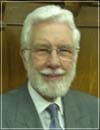
Stephen Hyde

14 - Murder, Anger & Forgiveness

Matthew 5:21-26
Stephen Hyde April, 28 2017 Audio
0 Comments
Stephen Hyde
Stephen Hyde April, 28 2017
Sermon on the Mount Series - 14

Matthew 5:21-26

Jesus builds on the commandment 'Thou shalt not kill'.

Sermon Transcript

Auto-generated transcript • May contain errors

100%
Pray the Lord to bless us this
evening as we continue our meditation on the Servant on the Mount and
this evening we'll read from verse 21 in chapter 5 down to
verse 26. So the fifth chapter of Matthew
and reading from verse 21 down to verse 26. You have heard that
it was said by them of old time Thou shalt not kill. And whosoever
shall kill shall be in danger of the judgment. But I say unto
you that whosoever is angry with his brother without a cause shall
be in danger of the judgment. And whosoever shall say to his
brother, Rakar, shall be in danger of the council. But whosoever
shall say, thou fool, shall be in danger of hell fire. Therefore,
if thou bring thy gift to the altar, and thou rememberest that
thy brother hath ought against thee, leave there thy gift before
the altar, and go thy way. First be reconciled to thy brother,
and then come and offer thy gift. Agree with thine adversary quickly
whilst thou art in the way with him, lest at any time The adversary
deliver thee to the judge, and the judge deliver thee to the
officer, and thou be cast into prison. Verily I say unto thee,
thou shalt by no means come out thence till thou hast paid the
uttermost farthing. The Lord Jesus in these words
very clearly directs the people to not that which was just obvious
in an outward form but he digs deep into their heart really
to direct them to that which perhaps they spoke, wasn't deeds
but it was speech or perhaps thought in their minds. and to
direct them to the great need there was, to seek to be reconciled
and to seek for that forgiveness. And so it commences with, you've
heard that it was said in old time, thou shalt not kill. Well of course we We know that
that emanates from the Ten Commandments and it's recorded of course in
Exodus chapter 20 and verse 13, thou shalt not kill. Now he was
directing this at the people, the people who were very familiar
with the Ten Commandments, but of course they recognised that
that was quite clear, they should not kill, but anything less than
that didn't come under that condemnation. So the Lord Jesus therefore strikes
at them to direct them that it's not just that which is appears
to be obvious but it goes much deeper. And so he says, but I
said to you that whosoever is angry with his brother without
a cause shall be in danger of the judgment and whosoever shall
say to his brother Rekha shall be in danger of the counsel But
whosoever shall say thou fool shall be in danger of hell fire.'
And I suppose on the surface people would think, well, there's
nothing very wrong in those things. But you see the Lord directs
us to prove that it is sinful things. And this word reikar,
which is not a familiar word to us, it's really a scornful
word, and it comes from pride, And it really says words like
this, thou empty fellow. You see, it's words which are
not pleasant and they speak against somebody. And such words really,
in our hearts or in people's hearts, by saying such things,
they wish perhaps the people weren't there. And what does
that mean really? It really means they're killing
them. They're murdering them. They
want them out of the way. You know, if you and I analyse
our minds and our hearts sometimes, we'll find that we're murderers.
It's a very sad situation, but a very true situation, when people
we don't like or we think they speak against us and we wish
they weren't there, we wish they were removed. Well, what is our
real desire? See, it comes down to a situation
like this. That's why the Lord clearly says
this, before the people so they might have a right understanding. And then also he speaks there
of saying they're a fool. And the psalmist speaks about
that in the 64th Psalm. And he says, who wet their tongue
like a sword and bend their bow to shoot their arrows, even bitter
words. You see these things really indicating
that our thoughts are, well, what a fool you are, by speaking
bitter things to them. Now that's what the Lord is speaking
against. And so we should be very aware
of that in our lives today. It's not the physical killing
of somebody, but it's all these other things which go along the
same lines and indicate that we are operating against the
truth and word of God. And so having set that scene
before the people, he tells them, therefore, if thou bring thy
gift to the altar, and there rememberest that thy brother
hath ought against thee, leave there thy gift before the altar,
and get thy way first, be reconciled to thy brother, and then come
and offer thy gift. We may think, well, what is the
relevance of that to us today? We don't actually have a physical
altar to take sacrifices to, but we do have an altar in fact,
and that is when we come to prayer. And if you think of that, if
you come to prayer and yet there's this problem in our lives, something
which we haven't forgiven, and we kind of think when it's okay
to just put that aside and just forget about that and just concentrate
on the current situation. But no, the Lord doesn't say
that. He directs us therefore to consider these things and
first of all to go and be reconciled and forgive those perhaps that
we've offended and perhaps those who have offended us And because
they've offended us, we're not on speaking terms to them, we
don't want to have anything to do with them. Well, that's not
a Christ-like spirit, is it? And therefore we have examples
set before us like this by the Lord himself in this Sermon on
the Mount to clearly direct us to that which is right and that
which we should do. We read together in that 11th
chapter in Mark, and when you stand praying, Forgive, if ye
have ought against any, that your Father also, which is in
heaven, may forgive you your trespasses. But if ye do not
forgive, neither will your Father, which is in heaven, forgive your
trespasses." Well, that's perhaps a familiar verse to us and something
which we say, well, that's pretty obvious. But the reality is that
we can harden our hearts in these things and not be blessed with
the forgiving spirit and remember here the Lord speaks and when
you stand praying see that's the critical thing and to think
that we can find access and the throne of grace and yet have
an Unforgiving spirit, you know, I'm convinced of this that no
one will go to heaven who does not forgive people who perhaps
have spoken against them or done things against them. And you
may say, well why do you think that? I think that because the
Lord Jesus forgives us of vile sins, wicked sins against the
Lord himself. And yet you see how wonderfully
he forgives us. So we in our lives should desire
to be given that right spirit to forgive one another, whatever
has occurred, whatever the situation. Just always think of the Saviour
and His great mercy and His great love. What a great and a glorious
example it is. And you see, we're to come in
a right way And you know, the Old Testament directs us to these
situations also. And in the prophecy of Isaiah,
there are two references which the Lord makes. And in the first
chapter, the 15th verse, and when you spread forth your hands,
I will hide mine eyes from you. Yea, when you make many prayers,
I will not hear your hands are full of blood." You see the Lord
looks at the heart and he sees what is there and we may think
well we can come we can pray well the example is very great
isn't it. First of all we should desire
to forgive any and not hold anything against anyone but to be blessed
with a right spirit and again The Prophet tells us in the 58th
chapter, he says, Behold ye fast for strife and debate, and to
smite with a fist a wickedness? Ye shall not fast, as ye do this
day, to make your voice to be heard on high? Is it such a fast
that I have chosen, a day for a man to afflict his soul? Is
it not to bow down his head as a bulrush and the spread sackcloth
and ashes under him. Will they call this a fast and
an acceptable day to the Lord?' You see this is the fast that
the Lord calls for. This is the right way to come
in prayer, to come in that desire. And he goes on to say, is not
this the fast that I have chosen to loose the bands of wickedness
to undo the heavy burdens, and let the oppressed go free, and
that ye break every yoke. And so the word of God is very
clear and very powerful really in these statements. And so therefore,
if thou bring thy gift to the altar, and there remember that
thy brother hath ought against thee, leave there thy gift before
the altar, and go thy way first. be reconciled to thy brother
and then come and offer thy gift." Well, just think of those words
and we came back and think, well, we come in prayer and it's right
to do so, but if there was anything we were holding against, a brother
or a sister, it means really we should stop and first of all
be reconciled to them. And then the word goes on, Agree
with thine adversary quickly whilst thou in the way with him
lest at any time the adversary deliver thee to the judge and
the judge deliver thee to the officer and thou be cast into
prison. Well we know not of course what
is going to occur but we should desire to do that which is for
the honor and glory of God and to always be found concerned
to do that which is right and to come and to desire that the
Lord would have mercy upon us and not be found proud and a
haughty scorner in his name. Verily I say unto thee thou shalt
by no means come out thence till thou hast paid the uttermost
farthing. Well that's a very condemning
statement isn't it? it's easy for us to pass over
the truths that we have set before us here in these few words and
to perhaps skim over the consequences of such a situation. But yet the Lord lays it down
very clearly that he says, Thou shalt by no means come out thence
till thou hast paid the uttermost farthing. That means to be cast
into prison. You may say well I think that's
a physical thing but it may not be. But you know sometimes the
Lord casts us into prison and in a place, not a physical prison,
but a spiritual prison. And in that spiritual prison
we have no liberty. No, we can't walk around and
we can't have converse and we're shut up and we're in prison. And perhaps The Lord brings us
into prison because we haven't had a right spirit with the household
of faith, with the children of God, with those who we should
love in the faith, and perhaps we are enmity with them. What
would a blessing if the Lord comes and touches our hearts
as we read the great words of truth in the Word of God, because
surely our concern is to be a true follower of our Lord and Saviour
Jesus Christ. And here the Lord sets before
us what it is to follow Him. In the Word of God there are
many, many words which are recorded by the Saviour. And perhaps we
fail to often observe that in order to follow the Lord, you
know, there's so many things that perhaps we need to put right
in our own minds. our own hearts and to seek that
we may be shown that which is right and that which is wrong
and you know to do these things we will need the grace of God
but remember the Lord says he gives more grace and he does
and there's nothing more blessed than to be able to come and to
seek for reconciliation to seek for forgiveness it's a wonderful
favor and it's a wonderful blessing and we will then have without
any doubt the answer of a good conscience and then it is as
though the prison doors are opened and once again we're free and
we're blessed with that spiritual access at the throne of grace
and we can praise God for his mercy toward us in teaching us
and directing us and showing us the error of our ways. Well,
what a merciful God we have, and what a wonderful word we
have to instruct us in that which is right. And what will it do?
It will bring honour and glory to his great and holy name as
we bow down before him and recognise that he has given us that right
spirit, and we'll be thankful for it, and we will praise him
for all his mercy. Well, may God bless his word.
Amen.
Broadcaster:

Comments

0 / 2000 characters
Comments are moderated before appearing.

Be the first to comment!

2
Joshua

Joshua

Shall we play a game? Ask me about articles, sermons, or theology from our library. I can also help you navigate the site.