Bootstrap
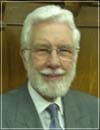
Stephen Hyde

Sought Out And Redeemed

Isaiah 62:12
Stephen Hyde November, 13 2016 Audio
0 Comments
Stephen Hyde
Stephen Hyde November, 13 2016
'And they shall call them, The holy people, The redeemed of the LORD: and thou shalt be called, Sought out, A city not forsaken.' Isaiah 62:12

Sermon Transcript

Auto-generated transcript • May contain errors

100%
May it please God to bless us
in our meditation tonight as we turn to the Word of God. Let's
turn to the prophecy of Isaiah, chapter 62, and we'll read the
last verse, verse 12. The 12th verse in the 62nd chapter
of the prophecy of Isaiah. And they shall call them the
holy people the redeemed of the Lord, and thou shalt be called
sought out, a city not forsaken. What a blessing surely the words
of Isaiah have been to the generations as they've passed along through
time. Words of encouragement words
of correction, words of blessing. And so we see that Isaiah who
lived of course in the days of Isaiah and Hezekiah and he prophesied
by the wonderful grace of God these words which would prove
to be very appropriate for Israel and no doubt they would have
looked at them and or heard them read and have been concerned
and desiring the fulfillment of them. And so indeed, as we
read these words, we can recollect the need it is in our own lives
to see how the Lord has and will appear and be gracious to us. And these last few verses in
the 62nd chapter really indicate the time of deliverance to Israel
from when they went into captivity. And the Lord therefore gave them
these words of encouragement. And of course it's the same with
regard to our spiritual situation. Because how we can also go down
as it were into Babylon, into captivity, You may say, well,
how is that? Well, it's very easy. All we
need to do is to be disobedient to our God. All we need to do
is to walk contrary to our God. And we will find the word of
God very true. If you walk contrary to me, I
will walk contrary to you. Sometimes we tend to dismiss
such powerful words and think, well, they don't have an application
to me. Well, we ought to be very, very
careful because they often will have an application to us. And
so that was the reason why Israel were taken captive, taken away
from their beautiful city of Jerusalem. And not only were
they taken many, many miles away, to Babylon. They lost the privilege
of being able to worship. The temple was no longer. The
walls of the city were broken down. It was a place of desolation. And why? Because they turned
their backs upon God. Because they disobeyed his word. His word was true. His word was
faithful. His word was gracious. But they
decided to ignore it. Well, we cannot ignore the Word
of God. We should not think it doesn't
have an application to us. We should not be left to decide
that, well, I'm going to pursue my plan. I'm going to go my way. Whatever you and I may say, may
think, be assured of this, the Lord's way for you and me will
come to pass. And perhaps it may be the Lord
allows us to rebel, like Israel did, against the way of the Lord,
which was, of course, a good and right and blessed way, and
they rebelled against it. You see, if you and I rebel against
it, we may come back, but we may come back with broken bones.
Yes, it won't be an easy way back. And so, we can think of
the example here as the apostle, or the prophet rather, directs
us to the case of Israel of old. And how Typical is Israel's journey
When we think of it as they came out of Egypt We see the wonderful
appearances of God for them And we see the hardness of their
heart and the rebellion of their spirits and the mercy of God
toward them And yet you see they were brought
into Canaan as God promised greatly blessed many conquests they journeyed
on and dwelt in those cities and And then what happened, you
see their hearts were taken up with the things of time, the
things of the world, and they became hard-hearted, they became
rebellious, and the Lord warned them, the Lord spoke to them
by his prophets, they ignored the warnings, but God is faithful
and God is true. And God did that which he had
spoken to them of. They'd been told they would go
down into Babylon. They were told they would go
into captivity. And so it came to pass. We perhaps often like
to think, well, of course, God's work, it always comes to pass. Yes, it does. But we should realise
it's not only in the good things. It's also in God's judgement
upon us that things come to pass. We must not think that God is
only one-sided. God is a just God. God is a holy
God. And God does that which is right
for his honour and for his glory. Well, we can therefore imagine
Israel as they were in Babylon. What a sad place it was for them.
What a sad place. And the people of Babylon said
to them, sing us some of the songs of Zion. How can we sing
the songs of Zion in a strange land? Yes, they were not able
therefore to do that. No doubt their conscience smoked
them greatly. Sometimes perhaps our conscience
will smite us greatly when we realise we have not listened
to our God. God has dealt with us. Well,
it's a blessing to have a God who deals with us. God doesn't
leave us to our own devices, just wander aimlessly and then
fall into hell. It's a mercy to have a God who
deals with us. And two things, he'll deal with
us for our soul's good, and he'll deal with us for his honour and
for his glory. So the picture we have here in
the last verses of this chapter is of Israel being encouraged
in that which would come upon them, that they would be able
to leave Babylon. And the words are, go through,
go through the gates, prepare ye the way of the people. Now that must have been words
which Israel hung upon. Perhaps it's words or similar
words which we hang upon. as we may have found ourselves
in spiritual Babylon, far off from our home, far off from God,
separated from God as it were, and then to hear joyful words,
words of encouragement. And there would be that way of
escape, there would be that opening, there would be that And here
we have these powerful words, go through, go through the gates,
prepare you the way of the people. Now the way back to Jerusalem
was not an easy journey. It was many, many miles, really
across the desert. And it wasn't just like a nice
sandy beach. It was hilly and rocky and up
and down. And the Lord says here, cast
up, cast up the highway. That means to make the journey
smoother. He didn't deserve it. What a merciful God we have. If the Lord prepares
the way for our return, and casts up and casts up the
highway, instead of it being an exceedingly difficult journey
which we deserve to have to negotiate, the Lord graciously smooths it
out. And he says, gather out the stones. Yes, stones can be very awkward,
can't they? You're walking along a path and you find stones in
it, it's not easy to negotiate and to walk smoothly, is it? So here we have the Lord saying,
gather out the stones, take them out of the way, those things
which would hinder us, those things perhaps which would trip
us up. The Lord graciously removes them and then he says, and lift
up a standard for the people. Well, in warfare, there was often
that standard raised, a flag raised up, so the people knew
where to gather together, where to go to, to join together to
have that union and that strength. A standard was raised up. And
so the Lord graciously lifts up a stand for us. And what is
that standard? It's the Lord himself. There we have a wonderful standard
to make toward, to go toward, to walk toward, lift up a standard
for the people. And remember here, gracious words
of the Lord to a disobedient and rebellious people. The Lord
is the same today. It's wonderful, isn't it, to
think of that. And then it goes on to say, behold, the Lord has
proclaimed unto the end of the world, say ye to the daughter
of Zion, behold, thy salvation cometh. Behold, his reward is
with him and his work before him. Three times in this verse
we read this word, behold. There are many beholds in the
word of God. And it's good when we read such
a word, it is not to just pass over it, to ignore it. It is
to perhaps pause, perhaps look up. perhaps observe that which
the Lord has spoken to us, that perhaps which the Lord has set
before us, that direction the Lord would have us to go in.
We are to behold. So we have these three beholds. Behold, the Lord hath proclaimed
unto the end of the world. Yes, the Lord has spoken. And
we have his word, and his word will continue until indeed the
end of the world. His word, the Lord hath proclaimed,
and it proclaims good words. Say ye to the daughter of Zion,
the church of God, those whom the Lord has looked upon, Say ye to the daughter of Zion,
and what a blessing if that has an application to you and me
today, the Lord proclaiming, the Lord speaking to us personally,
individually. And of course, we all need that,
don't we? In a personal way, not in a general
way. We're thankful for those general statements, but when
it comes down to salvation, we need to have it proclaimed personally
to ourselves. That wonderful evidence that
we are indeed a true daughter of Zion. Behold thy salvation
cometh. Deliverance comes to the Church
of God. You can imagine, can't we, Israel
there in Babylon. Enemy territory. Not at home. And yet this wonderful prophecy,
they were to look, they were to see. Behold, thy salvation
cometh. It wasn't someone else's, it
wasn't another nation's. It was the salvation of Almighty
God coming to deliver this sinful people. So what a mercy it is
today if We hear such words being spoken by the Lord himself. Thy salvation cometh. It's coming. The Lord's bringing it to us.
The time of deliverance. The time of freedom. And he goes on, then one more,
behold, behold his reward. is with him and his work before
him." Oh, we can see God gives that wonderful reward which we've
never merited. The reward is through his Son,
the Lord Jesus Christ, and his work before him, that great and
glorious work of salvation. Aren't they joyful words as we
ponder them and think of them? Remember how appropriate to Israel
of old, how appropriate to the Church of God, all through the
ages and how appropriate it is for you and me today. And then
this last verse, it's a very beautiful verse which the Prophet
writes, and they shall call them, those people who the Lord is
dealing with graciously and wonderfully. They shall be called the rebellious
people, the hard-hearted people, the people that have walked contrary
to God. They shall be called the holy people. How amazing,
really. How wonderful. And to think also
that such a word has an application to us today. We may look at ourselves
and recognize truthfully that We are unholy, so we are in and
of ourselves. But in God's eyes, his people
are a holy people. Why are they a holy people? Because
they are the redeemed of the Lord. That's because they're
not relying on their own strength, on their own works. of their
own righteousness, have been brought to realise that all their
righteousnesses are as filthy rags. And therefore, to hear
such a word is so amazing, and yet it's the word of God, and
yet it's true, it's the words the Lord speaks, the holy people,
they shall call them The holy people and the children of God
are a holy people because of what Christ has done. They have been blessed. They've
been made spiritually alive. They've been brought to see their
true condition before a holy God, at least in measure. We
will never see fully our true condition, but in measure. And that in measure will be such
as it'll make the true Church of God cry out, can ever God
dwell here in such a heart as mine? And that may of course
bring very sadness into our minds, as you may think, well there
can be no hope for me, such a person as I am. Well be encouraged. that the Lord came to seek and
to save that which was lost, and not the righteous in their
own eyes, those who were poor in spirit, those who were brought
low in their own estimation, those who didn't have a high
opinion of themselves, those who could come alongside the
Apostle Paul and concur in their own true state. By the Spirit of God they came
to believe they were less than the least of all saints. Now
it's the Spirit of God that brings his people down to a condition
like that. And then to realise, unworthy
as they are, utterly unworthy, the Spirit of God comes and speaks
in this way, The holy people. The holy people. It's only that
which the Lord does for us. It's our new nature, you see,
which is holy, which God has given to us. The holy people. And the holy people are, of course,
the redeemed of the Lord. What an amazing truth it is,
isn't it, to think that the Lord has so wonderfully come and redeemed
such a people. We could never have redeemed
ourselves. We could never have justified ourselves. We could
never have made ourselves worthy of eternal life. We were absolutely
lost and ruined, and yet to have that confidence and that evidence
of the blessed Lord has redeemed us. Of course, I'm sure you know
that means, to be redeemed means that the price required for our
freedom has been paid. If the Son therefore shall set
you free, you shall be free indeed, because the Lord Jesus Christ
has paid that enormous price for our redemption. Never underestimate
the price of redemption. Never think it's a trivial thing.
Never think it's a light thing. Just remember it caused the Only
Begotten Son of God to give his valuable life so that we unworthy
sinners might receive life as He came and took away our sin,
redeemed us through His death. That was the price demanded,
the price of blood. Without shedding of blood, there's
no forgiveness, there's no remission, and that blood had to be shed.
As I spoke this morning, it was evidenced throughout the Old
Testament, right from the early day in the Garden of Eden, right
through. The Lord Jesus Christ redeemed
his people by shedding his precious blood, by giving his life. He
made himself that sacrifice for sin. And so this description,
the holy people, the redeemed of the Lord. Well, what a wonderful
blessing it is, if we in our little lives can have the evidence
given to us by the Holy Spirit that such a description is true
of us. Again, not because of what we've done, but because
of what the Lord has done. And this really is spelled out
in these further words, redeem the Lord And he says, thou shalt
be called, thou shalt be called, sought out, a city not forsaken. Sought out. Well, I wonder if
we realize what it is to be sought out. You know, the hymn writer
tells us, he says, Jesus sought me when a stranger, wandering
from the fold of God, he to save my soul from danger, interposed
his precious blood. He goes on and how true it is.
Oh to grace, how great a debtor, daily I'm constrained to be,
Let that grace, Lord, like a fetter, bind my wandering heart to Thee,
prone to wander, Lord, I feel it, prone to leave the God I
love. Here's my heart, Lord, take and
seal it, seal it from the courts above." Well, I'm sure Israel
of old would have desired this position. And surely the Church
of God also today understands the truth of these words. And so as we consider this statement
here sought out, can we find, can we trace out in our lives
the truth of these words? Yes, we were a stranger to God.
We were walking contrary to God. We were fulfilling our own desires
in this material world. We set our hearts and affections
not on things of birth, but on things of time. We had our plans. We had our desires. And we were
going full ahead for them. But oh, what a blessing if we
have been sought out. and sought out, indeed, by the
Lord himself. Yes, Jesus sought me when a stranger. Now this is a well-known hymn. You may know it commences, Come
thou fount of every blessing. No doubt we've all sung it many,
many times. I wonder if we really sung it from our heart, and whether we really appreciate
it, The truth of these words, because if we have and if it
is so, well done, we have great cause to praise God. And thou shalt be called sought
out. And this is not just isolated to the odd person. The whole
Church of God had been sought out. The Lord's found them. He found Jacob, didn't he? We're
told he found him in a waste-hounding wilderness. So it is today for
his people. The world is a waste-hounding
wilderness. And I think this gracious God
has sought us out. He's found us. He's taken us
in hand, difficult as we were, far off from God. Here's his
statement, isn't it? Wandering from the fold of God. He may have been wandering away. Had no time for the things of God. Yet, you see, realizing the Lord
sought us out. And he sought us out. And he, to save our souls from
danger, interposed his precious blood now, the blood of Christ
would have meant nothing to us. It would have just been, as it
were, something in history which we read about. But when the Spirit
of God sorts us out, we'll realise we need something
which we can't give ourselves. And that something which we can't
give ourselves is really the grace of God, the free unmerited
favour of God, which leads us to view spiritually the grand
and glorious work of the Lord Jesus Christ. Whereas we may
have thought lightly of the blood of Christ now, it's a different
position. And we understand that it is. So valuable. It's so precious. Because without it, without that
shedding of the Saviour's blood, without His death, we would be
eternally lost. Now just think of that. Therefore
surely these words are true. O to grace how great a debtor. We owe a debt. All of us. who are called by God's grace,
that we will never be able to repay. But it's good if the Spirit
of God speaks to our heart and shows us that we are sought out. And because of that, we fall
down before our God, we bow the knee, we desire to worship him
who is worthy of all our praise for what he's done. and to realise,
yes, oh to grace how great a debtor. Well I wonder tonight whether
we do realise there is a debt that we owe, a debt to our kind
and gracious God that we could not pay ourselves and the Lord
paid that debt for us and the only way it could be paid was
through him fulfilling the holy demands of the law of God and
giving his life and dying upon that cross at Calvary. The hymn writer has a simple
word, ignominious death. It wasn't a death that can naturally
be gloried in, but it is a death which the people of God can glory
in, glory in what Christ has done. And therefore, if we are
amongst those who can acknowledge that we have been sought out. Then you see the hymn writer
has this good prayer. He says, let that grace, Lord,
like a fetter. You know what a fetter is? It's
a chain. People in prison are put in fetters.
They're put in chains. And they can't get away. Well,
may it be our prayer. Let that grace, Lord, like a
fetter bind my wandering heart to Thee." We're bound to the
Saviour. Our prayer is to be kept close
to Him, not be left to rebel and to wander away and produce
a hard heart which is enmity with God. No, he says, bind my
wandering heart to Thee. Prone to wander, Lord I feel
it. Prone to leave the God I love,
here's my heart, Lord, take and seal it, seal it from thy courts
above. Well, it would be good tonight
if you and I prayed that we might indeed be blessed with that true
desire. You know, a middle hymn that
we sung together, this last verse was also appropriate. His life He gave. A ransom price resolved to set
her free and make her in His name rejoice to all eternity. There will be one very clear
outcome to those who are sought out. They will rejoice in the name
of the Saviour. They will understand The words
of the hymn writer when he said, how sweet the name of Jesus sounds
in a believer's ear. Well, it won't have been at one
time. When we were enmity with God, we would not have wanted
to hear the name of Jesus. But when we've been sought out, it's a name which is above every
name. That the name of Jesus, every
knee shall bow. Oh, let us remember that. The
name of Jesus. That's who we must bow down before. He is the King of kings and the
Lord of lords. And so how true it is and make
her in his name rejoice. And this is not something which
fades away to all eternity. See, once in Him, in the Lord,
safety is assured. And that's not just safety through
this life, which it is, but it's safety for eternity. And as the Spirit of God may
give us some little view of what eternity means, and then to have
that blessed confirmation that the Lord has come, and has sought
us out. He's found us, sought out. And so they shall call them the
holy people, the redeemed of the Lord, and thou shalt be called
sought out, a city not forsaken. The church of God is not forsaken. They may think so sometimes,
and they deserve to be forsaken, and they realise they deserve
to be forsaken. But the Word of God tells us
the Church of God as a city is not forsaken. A city not forsaken. And they cannot be forsaken,
because the Lord himself gave his life. Yes, he gave his life
for them. And therefore they will not be
forsaken. No, the Lord indeed will be round
about them to strengthen them and to comfort them. You can
remember perhaps the last words of that hymn 329, the soul that on Jesus has leaned for
repose, I will not, I will not desert to his foes. That soul that all hell should endeavor to shake, I'll
never, no never, no never forsake. You see, the Church of God are
never forsaken. And therefore, as the hymn writer
started that hymn, how firm a foundation ye saints of the Lord is laid
for your faith in his excellent word. And my friends, these are
words, are they not, for our faith, in his excellent word. They are words to strengthen
us and to encourage us to realise we are a city not forsaken. We may sometimes feel that we
are. Perhaps we feel we are, we perhaps need to look into
our hearts, look into our lives and see whether we wandered away
from God, whether we left the flock, whether we departed and
gone our own way. I remember that parable of the
Good Shepherd. He left the ninety and nine and
went off to that wandering sheep and brought it back, carried
it back on its shoulders. What a wonderful illustration
it is of a kind and gracious God. He did not leave that sheep
to get on and get lost. My friends, although we may have
wandered away, just like Israel, they wandered away. The Lord
didn't forsake them. A city not forsaken. Our God is the same today. You
and I today can rely upon the grand and glorious truths
of the Word of God. We live in a changing world. One thing is sure, the Word of
God does not change. And the truths of God do not
change. And it's because the Lord does not change. I am the
Lord, I change not. Therefore ye sons of Jacob are
not consumed. And the Lord is the same yesterday
and today and forever. And therefore if the Lord has
sought us out, the Lord has found us, he's called us by his grace,
we can be assured that we shall not be forsaken. He will not
forsake. the work of his own hands. He
will not forsake those for whom he has shed his most precious
blood, but he will watch over them as a shepherd, like he did
with Jacob of old. He watched over him and led him
about and instructed him. He kept him as the apple of his
eye. How wonderful it is to think that almighty God, the great
ruler still today, watches over us and keeps us as the apple
of his eye." Well, may we be encouraged to realize that here
was the prophecy for Israel to leave that place of Babylon,
that place that they labored in, that place that they mourned
in. There was a time of deliverance. They were brought out. They were
brought back. Once again, they dwelt in the
city of Jerusalem. Once again, they were able to
praise the God, their God. whose mercy never fails. And so may we be found. Perhaps
we've been in Babylon, perhaps we are in Babylon. Lord indeed,
bring us out. May we realise the truth of these
words that the Lord speaks. It's a command really, go through,
go through the gates. Yes, leave that place behind.
Venture back home, back to the heavenly Jerusalem and find there
peace for our souls. and be able to concur with the
truth of these words and recognize how wonderful they are as they
apply to the whole Church of God, the holy people, the redeemed
of the Lord, and thou shalt be called sought out, a city not
forsaken. Amen.
Broadcaster:

Comments

0 / 2000 characters
Comments are moderated before appearing.

Be the first to comment!

Joshua

Joshua

Shall we play a game? Ask me about articles, sermons, or theology from our library. I can also help you navigate the site.