Bootstrap
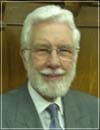
Stephen Hyde

Righteous Or Wicked?

Isaiah 3:10-11
Stephen Hyde December, 6 2015 Audio
0 Comments
Stephen Hyde
Stephen Hyde December, 6 2015
'Say ye to the righteous, that it shall be well with him: for they shall eat the fruit of their doings. Woe unto the wicked! it shall be ill with him: for the reward of his hands shall be given him.' Isaiah 3:10-11

Sermon Transcript

Auto-generated transcript • May contain errors

100%
May the Lord be pleased to bless
us together this evening as we meditate on his word. Let us
turn to the prophecy of Isaiah chapter 3 and we'll read verses
10 and 11. Prophecy of Isaiah chapter 3
and reading verses 10 and 11. Say ye to the righteous that it shall be well with him,
for they shall eat the fruit of their doings. Woe unto the
wicked, it shall be ill with him, for the reward of his hands
shall be given him. These two verses are very separating
because they describe the righteous and the wicked. And the truth
is that as we gather here tonight, we either fall, we must fall
into one of those categories. We're either fall into the category
of the righteous or we fall into the category of the wicked. And the difference is so vast
because it has an effect upon our eternal state. It means that
if we are amongst those who are the righteous, then we shall
spend eternity in glory with the Saviour and with the whole
family of God. But if we are among the wicked,
we shall spend eternity in hell, in darkness, in that place of
gnashing of teeth, that terrible situation for eternity. So such a word as this tonight
is not something that we can just pass over and think, well
it's a bit irrelevant to me and in fact I don't really understand
Isaiah, it's just too hard for me so I'll move on and I'll think
about something else until something interesting comes up. Well it's
not like that and it's just like the children who were in Jerusalem,
the people of Judah that Isaiah was addressing. And Isaiah addressed
them and we may remember that of course there was a tribe of
Judah who was favoured and blessed to be able to inhabit Jerusalem. And generally speaking, they
were God's favored people still. And many of the kings of Judah
were gracious men. And we think of Isaiah. He spoke during the reign of
some good kings and bad kings, Isaiah, Jotham, Ahaz, and Hezekiah,
kings of Judah. But he was sent to prophesy,
to preach the gospel to those people in that age, in that time. And of course it was while they
were still dwelling in Jerusalem, they hadn't been taken into captivity. Jerusalem hadn't been sieged
and been overtaken. And so he was here with a message,
a faithful message that he was able to give to the people in
Judah. But did it have any effect? Well, it would have had some
effect, but not very much effect because The prophecies concerning
that which was before them came to pass and they went down for
those 70 years into captivity. And so today, as we read Isaiah,
and I'm sure we're probably familiar with the fact that it's a beautiful
prophecy and sometimes described as the gospel of Isaiah because
it does set forth Christ in so many areas. But also it sets
before the Church of God times of warning. times that we should
take notice of and to not forget that still today we stand before
the same God who judged Israel, the same God that judges us today.
And for the most part, Israel ignored the solemn messages that
the prophets brought to them. Isaiah wasn't the only one. But
he did bring a very solemn word to them. And this third chapter,
it follows on the words of Isaiah that he saw concerning Judah
and Jerusalem, we read of in the second chapter. And we read,
and it shall come to pass in the last days that the mountain
of the Lord's house shall be established in the top of the
mountains, and shall be exalted above the hills, and all nations
shall flow into it. And many people should go and
say, come ye, and let us go to the mountain of the Lord, to
the house of God, of Jacob. And he will teach us his ways,
and we will walk in his paths. For out of Zion shall go forth
the law and the word of the Lord from Jerusalem." Which of course
is right and good. He comes down, he says in the
fifth verse, O house of Judah, come ye. and let us walk in the
light of the Lord. And then he says, therefore,
thou hast forsaken thy people, the house of Jacob, because they
be replenished from the east and are soothsayers like the
Philistines, and they please themselves in the children of
strangers. Well, we could go through, but
you can read that second chapter, which leads up really to this
third chapter where Isaiah continues then and says, behold the Lord,
and it's interesting to see how he speaks here, the Lord, the
Lord of hosts, he emphasizes this is the great God, it's not
just any Lord, it's the Lord, the Lord of hosts. And he tells
them, this Lord doth take away from Jerusalem and from Judah
the stay and the staff and the whole stay of bread that holds
their water, and that really illustrates to us the spiritual
support that the church required. And it's true today that we require
the support of God, and it's set forth in these ways, like
bread and water, And naturally, of course, they needed bread
and water. And we do naturally, but spiritually, we also require
spiritual bread and spiritual water, the bread and water of
life. And you see, if that is stopped,
and if the Lord takes it away, which he says here, he says he
does take away, what a terrible situation developed. What a terrible
situation we develop in our day if the Lord was to take away
the blessings of supplying us with spiritual food so that we
were found barren. Now the Word of God then warns
us about this situation and he goes on to speak about those
who are walking contrary and he gives a long list. from verse
2 down to verse 6 really. He speaks about the situation
which exists and to those who are walking contrary to Almighty
God in its very comprehensive statement. And we should not
therefore think that we are any different. And of course then
he comes on and he speaks the situation which existed And it
says, the show of their countenance. That means what they look like
in the face that they show. A lot can be told by our expression. The show of their countenance
does witness against them. And we might think, how does
that apply? Well, very simply like this.
If we come to God's house to receive spiritual food, and we
come grudgingly, or we come without any desire, does it not show
in our face, in our countenance, that we're here but we don't
really want to be here. We wish we were somewhere else,
fulfilling our lustful desires and following the way of the
world. That's why, you see, he says, they show their countenance
and witness against them. My friends, I hope he doesn't
witness against us today. God knows what's in your heart. The working out of the feelings
of the heart often show in our face, don't they? And sometimes
we may try and hide that. Sometimes we may be successful.
Sometimes we're not. And it breaks forth. And they
declare their sin as Sodom. They hide it not. Woe unto their
soul. for they have rewarded evil unto
themselves." Evil unto ourselves. What a tragic scene, isn't it?
To reward ourselves with evil, especially if we've been wonderfully
blessed to hear the truth of God. Just like Judah, they'd
heard the word of God. They lived in Jerusalem, a wonderful
privilege. There was the temple. There was
a place of worship. There were the sacrifices. There
was the evidence of God's favor and God's mercy towards them.
And yet, they turned away from Almighty God. My friends, what
a blessing it is for us today to have the wonderful privilege.
Many people in the world do not have the privileges that we have.
Being able to gather together with liberty and freedom to worship
the Lord. And we pray that this favour
may be greatly blessed to our souls. We may not be left to
a fleshly, carnal view of things, but we may be concerned really
in our heart as to what the Lord is doing for us. Well, he goes
on and just briefly he speaks As we read in the last verses
of this chapter, this third chapter, and he speaks about the daughters
of Zion. And he describes their situation
in great detail, doesn't it? Read it together, it's a very
searching detail, you know. Because he says, they're haughty
and walk with stretched forth necks and wanton eyes, walking
and mincing as they go and making a tinkering with their feet. And we're told, therefore, the
Lord will smite with a scab the crown of the head of the daughters
of Zion, and the Lord will discover their secret parts. He will discover
what is their innermost desires. Those things which perhaps they
may not speak, but they may think in their hearts. Evil thoughts,
lustful thoughts, wicked thoughts, not righteous thoughts. And then
he He goes on to describe some of the things which they were
doing. We read it together, and you
know if you read down these verses, and I hope you followed that,
you thought, wow, that's me. Wow, I've come under that condemnation. You see, the word of God is written
to condemn us if we're walking wrongly before our God, but to
direct us back to him. That's the mercy and you and
I live in a day of grace and live in a day when God's word
can be read and be applied to our hearts to influence us in
the right way. Well that's an overall picture
isn't it of the situation which existed in Judah and I'm sure
we recognize it exists today doesn't it. We can't say, well,
it's very different to die of course, we're a very good people.
Not at all. But then we have, in the middle
of this situation, these verses, which speak so very solemnly
and yet blessedly. Say ye to the righteous that
it shall be well with him, for they shall eat the fruit of their
doings. Woe unto the wicked, it shall
be ill with him, the reward of his hands shall be given him.'
So there's two statements and there's two results. And tonight
all of us will be fulfilling one of those statements. That's the reality of the truth
of God's Word. Well may we think of these words,
say ye to the righteous. Now that doesn't mean self-righteous. There are many people who are
self-righteous, who think they're righteous, but it's only their
self that thinks it. They're not righteous in the
sight of God. They're righteous in their own
eyes, and they think they're walking nicely and well and doing
everything which is good and proper. In essence, they're pleasing
themselves. They're not following the Word
of God. And the Word of God is very searching. Let us not think that we can
escape God's condemnation if we walk in an opposite direction
to God's Word. God's given us his Word. It's
a clear Word and it applies to every one of us. may we be found
in that good way, so that this is true of us, that we are amongst
the righteous. And if you and I are among the
righteous, we are amongst those for whom the Lord Jesus Christ
has come into this world to die to redeem their souls, to redeem
our souls. And again let us remember that
these things are very very personal. It's not what other people think
of you, it's not what other people see in you, it's what God sees
in you, it's what God thinks of you. And it's whether you
possess his righteousness or whether you are still relying
on your righteousness. Now Isaiah picks this up really
later on in this same prophecy. And in the 64th chapter, he elucidates
this, and in verse 6 we read, and this is the confession of
someone who is righteous. This is a confession, right,
of someone who is righteous. And this is what it says, we
are all as an unclean thing. An unclean thing. Now, naturally
we don't think that. We think we're clean, we think
we're good, we think we're doing a good job. And we perhaps pat
ourselves on the back because of our religious life, because
of our chapel going, because of our Bible reading, because
of our prayers. But they may all be hypocritical. They may be all just pleasing
our flesh. They may all just be to satisfy
ourselves and to pretend to ourselves that we are righteous. Now that's
self-righteous. But here we have me confession. We are all as an unclean thing. Now, bless God, when the Spirit
of God shines into our hearts and we see there all the uncleanness
which exists. And it's not a pleasant sight.
to see the uncleanness in our hearts. My friends, it's the
work of the Spirit of God. He comes and really shows you
and me what is in our heart. So the Prophet tells us that
we are all as an unclean thing and all our righteousnesses are
as filthy rags. And we all do fade as a leaf,
and our iniquities, like the wind, have taken us away. Our sins have taken us away from
God, dragged us away. Do you understand that? Have you been there? Do you realise
that left to yourself, and sometimes the Lord leaves us, you know,
a little to prove us. He left Peter, didn't he? He
left Peter to deny the Lord, three times with oaths and curses,
to show Peter his weakness. And it may be like that. And
our iniquities like the wind have taken us away. It's suddenly
come. There we were, we thought we
were strong in ourselves, just like Peter. He felt he was a
good Christian. And he would never deny his Lord.
He would even die for him. Very bold he was in his statements.
What he didn't realise was the weakness of his flesh. And my
friends, let us never rely on our own strength, our own ability.
It's sometimes easy to look at people and say, well I would
never do that. My friends, you and I are only
kept by the power of God. Because if that power is removed,
it's just like this, this description, that we are consumed because
of our iniquities. And how solemn it is that we
are like this, and our iniquities like the wind have taken us away. I often think how important it
is that we pray the Lord's Prayer, and especially perhaps those
words of the Saviour when he said, lead us not into temptation,
and deliver us from evil. It's an important aspect in our
life to pray that prayer, because the devil is at your elbow. My
friends, there's many temptations in the world today. And left
to ourselves, we've fallen into those temptations. And never
think you're stronger than yourself, because left to ourselves we
are weak as water, no strength at all. Pray to God that you
may be delivered. Pray to God that he may be your
God and lead you not into temptation and deliver you from evil. Well,
here we have this statement of Isaiah. And he says, and there
is none that calleth upon thy name. that stirreth up himself
to take hold of thee. For thou hast hid thy face from
us, and hast consumed us because of our iniquities." And you might
say, well of course I pray every day. Well you may pray, you think,
but they may be just words. Empty words. Words which fall
to the ground. Prayers which you don't look
for answers. Prayers that you don't really mean. So we have this statement. which
is the effect really, none that calleth upon thy name. There
may be that pretending, that going through the motions, but
no real calling upon the name of the Lord. So this statement
is true, is it not? There is none that calleth upon
thy name, that stirreth up himself to take hold of thee. And it
needs sometimes a stirring up of ourselves. We're just, as
it were, in a dead calm. You know, a sailboat in the ocean,
if there's no wind, there's no movement. They're just stationary,
a dead calm. They need the wind. And we need
the Spirit of God to move us in prayer, so that we may be
found right in these things, to take hold of thee, thou hast
hid thy face from us, and has consumed us because of our iniquities. Now then, when the Spirit of
God shows us the true condition of our souls, that we feel then
we are unclean, we are sinful, how we would need then to have
that confirmation that we are amongst those, described here,
the righteous. And the righteous are not depending
therefore on themselves. They are looking out of themselves.
They realise that in me that is in my flesh dwelleth no good
thing. That's a hard lesson to learn.
But we do learn it. And it means that we then have
to call upon the name of our God. And then prayer is not a
formality. It's then that prayer becomes
a reality. It's then that we really pray
to our God. plead for mercy. We really cry
for his blessing. We really seek that he will remember
us for good with that favour he bears to his people. And that
is really the evidence that the Lord has caused us to receive
his righteousness. Because the Spirit of God has
revealed to us something of ourselves, something of what we really are. in the eyes of a holy and righteous
God. When you and I stand under the
light of God. Now, a converted man stands under
the light of God. And that light, perhaps initially,
may not be very bright. But I believe, as by his favour
we grow spiritually in grace, that light shines brighter. And
that bright light then discovers sins within us, sins in our heart,
sins which come from our mind, which at one time we were careless
of and didn't think anything about. But under the light of
God, it shows to us true sin, the sinfulness of our nature.
Perhaps we have to cry out, can ever God dwell here in such a
heart as mine? But how thankful then we are
to realise that we have this word of encouragement, this word
of strength which says, say ye to the righteous, to such who
are under that condemnation of the Spirit of God, which directs
us to the only place of safety, Where's that? In Christ. Directs us to the Saviour. Causes us to cry unto Him in
a time when He may be found. Where it's the evidence, is it
not, that He has given to us His righteousness because we
then see ourselves as undone, hell deserving, nothing good. And then it is that we look out
of ourselves And we then look to the Saviour. And then we see
in Him that all-sufficiency. We see that in His sinatonic
death, He has done all that was necessary to redeem our souls. And then that beautiful change
from trusting in ourselves to trusting in the Lord. We're then
depending upon what He has done on his righteousness and not
on ours. We cast everything of ourselves,
which we may have thought was of value, away and our whole
dependence cast then upon the Saviour. Everything we come to
then, we come to Jesus then and that gracious and blessed invitation,
come unto me. All ye that labour and are heavy
laden, and I will give you rest. There's the change, isn't it?
Then we're heavy laden. We weren't before. But then,
by the Spirit of God, we're brought into that place where we're heavy
laden. Cast down, the gracious invitation, come unto me. Oh, then to cast all our care
upon him, for he careth for us. That's a time then of blessing
and a time of favour, a time of rejoicing to have the evidence
that the Lord God is dealing with our souls and this word
then is so appropriate. Say ye to the righteous that
it shall be well with them. Well with them. Yes, and that's
eternally. It's not just well for this life.
We're speaking here of eternal realities. Not things which fade
away, but things that God has given, they are there forever. They may perhaps be a bit dimmer
sometimes, but they never lose, lose their true value. No, it
is a wonderful blessing to be found here, then in this place,
to be found in Christ. So these words are really true,
that it shall be well with him. And then we're told, They shall
eat the fruit of their doings. Eat the fruit of their doings.
And what is the fruit of their doings? I believe it's this.
It's the answer of a good conscience before God. Have you got an answer
of a good conscience today before God? Is your conscience clear before
God? believe if you and I are given
grace and have a good conscience before God, what is it? That we're eating the fruit of
our doings. And again, it's not really our
doings, it's what God has enabled us to do. But we bless God for
his grace, which has come to us and enabled us to do that
which is right in his sight, that which is God honouring.
Those words are so, so true. Those that honour me, I will
honour. And those that despise me shall
be lightly esteemed. Sometimes we like to ignore such
a word as that. We think, well, it's not very
relevant. It is relevant. And the Lord has placed it in
his word to encourage us today in our journey through life to
seek to honour our God. to display his love and his mercy
toward us, to talk of his wondrous grace which has come into our
souls, which has revealed ourselves and has revealed the Saviour
unto us as that great and glorious God who left his throne in glory
to save my soul. That's what it is. That's when
it becomes so precious. It's not a generality. Because
the Lord applies his word with power to our soul that we know. The Lord has called us by his
grace. The apostle knew it, didn't he?
When he was called by grace. And my friends, the Church of
God know it. When the Lord comes and calls us, he has that secret
call, that personal call to awaken us to our true condition before
a holy God. It causes us to seek and to pray
unto Him in a time when He may be found, for they shall eat
the fruit of their doings. We shall then feed upon Christ. We shall feed upon what He's
done for His love and mercy toward us. It'll be a different situation. It'll be like that all things
become new. There's a change. We pass from
darkness to light, from death to life. And the Lord has done
it. Blessed be his holy name. And so we have this great statement
here. Then say to the righteous that
it shall be well with him. And just remember that it is
those for whom Christ has died that he gives his righteousness. His righteousness. We are righteous
because we are complete in him. And the amazing truth is that
he's taken our sin, every sin, every sin, vile sins, wicked
sins, what we might call little sins, everything, the Lord's
taken upon himself so that we are clean. And then, you see,
as we're washed in his blood and then we're clothed then in
his spotless righteousness, no more we have to rely on ourselves.
No more we have to think of what we've done. but we glory in what
Christ has done. And so his name then is lifted
up and his name is honoured and glorified. And then we have this
very sad comparison. Woe unto the wicked. And what a woe it is. What a
woe it is. Oh, it's eternal woe. It's not
just woe in this life. It's eternal woe. What a solemn
situation to be found there and to recognise this truth. We shall know it when we pass
out of time. We don't possess Christ's righteousness. Woe unto the wicked. It shall
be ill with him. Ill, my friends. No blessing,
no favour, no light, no spiritual food, barrenness, darkness, hardness
of heart, rebellion against God, all those things which are evil,
which our nature is. It shall be ill with him, for
the reward of his hands shall be given him. The reward of our
hands. You see, when the Prophet speaks
of the fruit of their doings, this is a spiritual act in our
soul, wrought out by the Spirit of God. But to the wicked, there's
no blessing like that, it's just a reward of their hands. That's
what they've done in this life. They've bowed down to worship
evil, bowed down to worship idols, may not be physical idols, It
may be idols in their heart they bow down to. My friends, what
a blessing it is if you and I can pray that the Lord will remove
any idols that we may have. And you know what the biggest
idol is? You know what the biggest idol that you and I have? It's
pride. Pride. It's a great idol. We worship it. Left to ourselves. What a favour then to know that
we possess Christ's righteousness and we're not relying on the
work of our hands which produces pride. What does pride do? Does it give
glory to God? Not at all. It just gives glory
to self which is fading, which disappears and we have to be
left when we leave this life. So we have this solemn, solemn
word, Woe unto the wicked, it shall be ill with him, for the
reward, and there is a reward, there is a reward to the work
of our hands, and what is it? Eternity in hell. That's a reward. No blessing is it? But it's a
reward which awaits all those who have turned their back upon
God. who have relied on their own
righteousness, who have relied on the work of their hands to
get them into glory. And the truth is, it's of no
value. It has no value at all. But those
who are righteous, their value is in what Christ has done. And
therefore, what Christ has done is bring honours and glory to
his great and holy name. And there's the value. And so
may we today consider these very blessed and very solemn words.
And may we have the evidence that we fall on the right side
of the line. There's a line down the middle.
You might say in the church today, there's a line down the middle. And every one of us falls on
one side of that line. or the other. We're either on
the side of the righteous or on the side of the wicked. May
it be God's great favour and blessing to give us to know that
we fall on the right side. Those who are blessed like this,
who say ye to the righteous that it shall be well, can ask the
question tonight, is it well with our soul? Is it well with
our soul? That really is the great question,
isn't it? And bless God tonight, if you
and I can answer and say yes, in all humbleness, it's well
with my soul because Christ has died for me. He shed his precious
blood to take away all my sins. He's given me his robe of his
righteousness. I'm justified in his sight, not
for anything that I have done, but it's all of grace for his
honor and for his glory.
Broadcaster:

Comments

0 / 2000 characters
Comments are moderated before appearing.

Be the first to comment!

Joshua

Joshua

Shall we play a game? Ask me about articles, sermons, or theology from our library. I can also help you navigate the site.