Bootstrap
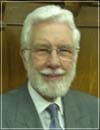
Stephen Hyde

We Love Him, Because He First Loved Us

1 John 4:19
Stephen Hyde October, 20 2015 Audio
0 Comments
Stephen Hyde
Stephen Hyde October, 20 2015
'We love him, because he first loved us' 1 John 4:19

Sermon Transcript

Auto-generated transcript • May contain errors

100%
May God be pleased to bless us
together this evening as we consider his word. Let's turn to the first
epistle of John, chapter four, and reading verse 19. The first epistle of John, chapter
four, and reading verse 19. We love him because he first
loved us. This is a very important principle
and a very great truth. Because had God not loved us,
we would never have loved him. Because God loved us insomuch
that he caused us to be born again. by the Holy Spirit. We did not produce life ourselves. We could not give ourselves life. It was only that life which was
given to us by our kind and gracious God, and how utterly and completely
undeserving were we of it. We cannot look anywhere at anyone
and say, well, of course, really I'm better than that person,
therefore I deserved God to look upon me. God's love will show us very
clearly that the opposite is the truth, that we were a very,
very violent, bad sinner. and it makes it all the more
amazing why God should have looked upon us and perhaps, as we may
view people naturally, passed other people by. People we may
think have lived an outwardly upright and good life and yet
did not possess the love of God in their souls. And so how humbling
it must be to realise that we have a sovereign God, a gracious
God, a merciful God, who looks down upon his people and calls
them by his grace because of his great love wherewith he has
loved them from before the creation of the world. Now such truths
anathema to unbelievers. They will not receive such great
truths but to the believer it produces worship, it produces
thankfulness, it produces praise in our hearts as we recognize
that this great almighty God has indeed looked upon us. And as the Lord Jesus said, when
he spoke to his disciples in the upper room, shortly before
he was to be crucified, ye, and that was his disciples, who were
godly people of course, ye, remembering that Judas Iscariot had gone
out, and he said, ye have not chosen me, but I have chosen
you. and ordained you. It is all of
the work of the Holy Spirit and as the Spirit of God shows us
we will recognise that we would never by nature have chosen God. We would not choose God because
naturally we do not want to be fettered by a God By nature we
want to carry on in our own way. We want to organize our own life. We want to choose that which
we want to do. We don't want to follow the way
that Almighty God has ordained for us. And so what a blessing
it is to be able to read accounts like this. John knew the love
of God. John knew it perhaps in a very
special way. He was the one who leaned on
Jesus' breast at supper. He was one of those who was favoured
to go up on that mount of transfiguration. He was that one who the Lord
referred to and spoke to often. And so we have his gospel and
then we have these epistles that are recorded. And as we read
especially this first epistle of John, we could really define
it as the epistle of love. The apostle shows us God's love
to him. He shows us God's love to all
his church. Not one person is omitted. All those who he has called,
all those who he will call, are those who he has loved with an
everlasting love. And therefore this word is so,
so true. We love him because, never forget
that, because he first loved us. And I'm sure as the Spirit
of God may lead us into this great truth, as we may be able
to meditate upon it, It will be a very humbling thought, a
very humbling consideration, and it will bring forth much
thanksgiving from our hearts. And we'll understand, really,
again, what the Apostle said in an earlier verse, when he
said, herein is love, not that we love God, but that he loved
us, and sent his son. to be the propitiation for our
sins. Propitiation means reconciling,
reconciling us to God. We could never have been reconciled
to God if it was not for the love of God the Father, the love
of God the Son, and the love of God the Holy Spirit. And it
would be a mercy if you and I can understand and not only understand
but realise in our own souls the great blessing of the unity
of the Trinity in these things when the Spirit of God shows
us his love to us in revealing to us the Saviour. The love of
the Saviour in being so willing to come into this sinful world
to redeem our souls. the love of God the Father in
so willingly sending his only begotten Son into this sinful
world that whosoever believeth on him should not perish but
have eternal life. And therefore we can see really
love is bound up in everything in our lives. We love him. because he first loved us. Now, we will not love God unless
we know God's love, and we shall not know God's love unless we
know our need of a saviour. Why should we love a God who
we know nothing really about, don't really understand anything
of the great truths of salvation, Why should we love such a God? But it's when the Spirit of God
shows to us our condition before a holy God, our sinful condition
before a holy God, that it's then that we come to Him pleading
for His mercy. And it's then, when He reveals
to us His mercy, we then recognise his love to us, in granting us
the favour of his mercy. Now, our love really is defined or proportional to the
weight of sin that we have. The weight of sin that the Lord
lays upon us. Now there was that occasion in
the life of the Lord Jesus when there was a woman who came and
anointed the Lord's feet. And of course the Pharisees weren't
very happy about it. A woman in that city, which was
a sinner, right? A sinner, and by that we understand
she was probably a prostitute, which was a sinner. when she
knew that Jesus sat at meat at the Pharaoh's house, brought
an alabaster box of ointment, and stood at his feet behind
him, weeping, and began to wash his feet with tears, and to wipe
them with the hairs of her head, and kissed his feet, and anointed
them with the anointment." Well, the Pharisees weren't very happy
about that. The Pharisees which had bidden
him saw it, he spake within himself, saying, This man, if he were
a prophet, would have known who and what manner of woman this
is that touched him, for she is a sinner. And Jesus answering
said unto him, Simon, not Simon Peter, but another Simon, I have
somewhat to say unto thee. And he said, Master, say on. There was a certain creditor
which had two debtors, the one owed 500 pence and the other
50. And when they had nothing to
pay, he frankly forgave them both. Tell me, therefore, which
of them will love him most?" Well, it was a wonderfully simple
illustration, wasn't it? Simon answered and said, I suppose
that he to whom forgave most. And he said unto him, Thou hast
rightly judged. And the Lord then turned to the
woman and said unto Simon, Seest thou this woman? I entered into
thine house. Thou gavest me no water for my
feet, but she hath washed my feet with tears and wiped them
with the hairs of her head. Thou gavest me no kiss, but this
woman since the time I came in hath not ceased to kiss my feet. My head with all that is not
anoint, but this woman hath anointing my feet with ointment. Wherefore
I say unto thee, her sins, which are many, are forgiven. And this is the point. For she loved much, but whom
little is forgiven, the same loveth little. Well, we can surely
look at our own heart sometimes. And we may think, well I don't
seem to know very much love. I don't seem to love the Lord
very much. And perhaps it's true, and perhaps
we're sad about it, and we should be. Perhaps it's because we haven't
realised the greatness of our sin, and what our sin really
deserved. we deserve to be cut off forever
from our God. And so we can say really, the
more the Lord shows to us of our sinful condition, the more
the Saviour becomes precious and the greater our love to Him
because of His love to such an unworthy sinner. Now I'm sure
we can understand the analogy there. And so perhaps today people
do not love the Lord very much, do not love perhaps one another
very much, because they don't realise their own state before
a holy God. They don't really know the depth
of sin. But blessed be God, as he does,
reveal to his people more and more of their sin, And the benefit
of that really is to grant us a spiritual growth in grace,
because it reveals to us more of our knowledge of ourself as
we stand before a holy God. And the Lord then reveals to
us how he sees us, not as we see ourselves. We pass over very
many things, don't we? But you see that when the Lord
convicts us, when the Lord shows us our heart, and as the Lord
then shines his light into our heart, and that which we saw
first of all, we now pass over and we see greater abominations
in our heart. It makes us more and more amazed
that God should have loved us. And therefore, the effect is that we realise
the cost of our salvation. What a cost it was. It wasn't
just a mere passing pain as it were. The Lord suffered, as the
hymn writer says very ably, all incarnate God could bear with
strength enough and none to spare. He suffered to the uttermost
amount of his strength, and that to deliver our souls from that
eternal death, which by nature was due unto us. And so, can
we thank God tonight that our love has increased. That now we know a little more
of what we are before our holy God. And remember, that's what
it really is. It's not how we appear to other
people, and I hope we appear well to other people, but it's
how we appear before God. When God, as it were, puts us
in the corner, and points at us in exactly the same way as
Nathan did to David and told him, thou art the man. We can't
wriggle out of that then. We are under conviction because
the Spirit of God has convicted us. And we are, as before God,
a helpless and a lost and a ruined sinner. but for His redeeming
grace, but for His amazing love. So is this not then true? Then
we begin to understand we love Him because He first loved us. What it means is the reality
of religion, real religion, is not something just superficial. The reality is that it goes deep
into our hearts, as the Spirit of God shows to us what we are
before a holy God. And of course we shall never
really understand fully what we are before a holy God. But
as we do grow in grace, perhaps we have to cry out before God
Can ever God dwell here in such a heart as mine? Now when the
Spirit of God convicts us like that, we don't look around. We
don't then point fingers at other people and say, well, of course
I'm not as bad as that person, and that person should do this,
and that person should do this. Because we are under the all-seeing
eye of Almighty God. And my friends, that bore a hole,
as it were, right into our heart. And then it's as though we are
standing, as it were, alone before Almighty God. It's as though
we are perhaps before the judgment seat and God is looking at us. And we have nothing to plead
ourselves. But we can plead, not ourselves. What can we plead? The precious
blood of Christ. And if we plead the precious,
sin-atoning blood of Christ, what does it mean? It means that
He has loved us. And therefore, it's then you
see that our love returns. We love him because he first
loved us. These chapters we read together,
these two chapters, are particularly relevant to all of our lives.
And relevant to our lives as to how we live our life. Because if we say that we love
God, sure it will be because He's
loved us. And if that is so, is our life
demonstrating that truth and that love one to another? You see, we're not to hate one
another, we're to love one another. We're to love those who don't
treat us very well. We're to love those, indeed,
who treat us badly. And you may say, well, why is
that? It's very obvious why it is. The Lord Jesus Christ was
very badly treated by us, wasn't he? Have you treated the Saviour
well all your life? We cannot claim we have, can
we? No doubt, even today, all of us have to confess we haven't
treated our Saviour as we should. And therefore, surely, We should
treat our brothers and sisters in Christ rightly. We should love them. We should
forgive them of anything which they may have done against us.
We should not harbour any grudge. We should not harbour any malice.
This is walking out our religion. If we do not that, we are really
being hypocritical. We are really pretending to be
what we're not. If we say that we love God and
hate our brethren, then you see we are not doing that and we're
not walking out the truth of God's Word. May we know the evidence of God's
love toward us in constraining us to turn around perhaps and
love those who despitefully use us, who perhaps have despitefully
used us, we may think. But we should remember that God
allows things to happen in our lives. If we believe that truth,
that we are ordained by God, we are ordained to walk in that
path that he has ordained for us. It's not a path unknown to
our God. The Lord has ordained it, so
that in that path we shall receive teaching. One of the most blessed things
is to be granted a forgiving spirit. One of the greatest blessings
is to know God has forgiven us of our sins, and one of the greatest
Evidences of that is when we forgive one another. And that
means wholeheartedly. And that doesn't mean grudgingly. And it would be a great favour
when you and I are able to see in our own lives God's grace
toward us. So that we are able, by His grace,
to walk out our religion and to walk out this truth we love
him because he first loved us and therefore we desire to do
that which he has instructed us in you know the last few verses
in this fourth chapter we read if a man say I love God and hated
his brother he is a liar that's clear isn't it For he that loveth
not his brother, whom he hath seen, how can he love God, whom
he hath not seen? And this commandment have we
from him, that he who loveth God love his brother also." Well,
God has granted us this wonderful word of God to instruct us in
all these things, and therefore may we heed God's great truth
and realise we are to walk in accordance with his word and
not pick apart and think, well that's a beautiful word and that
is so lovely and I really look at that and I can rejoice in
that. Well, look at all the words.
Don't just pick one word out. Look at all the words. And realise
every word has a relevance to our lives, to our spiritual lives,
to our natural lives. And remember, you know, the Lord
also said towards the end of the last chapter, the third chapter,
and he that keepeth his commandments dwelleth in him and he in him. And hereby we know that he abideth
in us by the spirit which he hath given us. Well, my friends,
what a blessing if the spirit of God has indeed given us of
his spirit, which is spiritual life. And it's a favour to have
that and to realise it. But that will be worked out,
that will be proved, whether it is of God or whether it is
of the flesh. And this is how it's worked out
in the words that are spelt out in these chapters. To love one
another, to love our enemies. This is how it's worked out.
Because remember the example of our Saviour. Think that he
loved us when we were his enemies, when we ignored his word, when
we turned our back upon him. Did he cast us off? Oh, bless
if he God he didn't. Bless if he God. He didn't deal
with us as our sins deserved. He didn't deal with us that which
was our rightful due. But His love, His love was shed abroad. His
love was round about us. What a mercy then it is to have
such a great and glorious Saviour. as that and to realise the great
truth of these words, we love him because he first loved us. Don't lose sight of that truth,
because he first loved us. It is so important to remember
the whole truth of God's word and to bless God for it. Paul the Apostle knew God's love. My friends, all of God's people
know God's love. It is, we might say, the most
blessed and the most important positive evidence in the life
of the Christian to know the love of God which passes knowledge. The Apostle Paul knew it. He
rejoiced in it. He tells us in the fifth chapter
to the Romans, in the eighth verse, that God commendeth his
love toward us, in that while we were yet sinners, Christ died
for us, much more than being now justified by his blood, we
shall be saved from wrath through him. For if, when we were enemies,
we were reconciled to God by the death of his Son, much more
being reconciled, we shall be saved by his life. And not only
so, but we also join in God through our Lord Jesus Christ, by whom
we have now received the atonement. Well, we could really go on,
but we won't. Just say one more verse. Wherefore,
as by one man, sin entered into the world, and death by sin.
And so death passed upon all men, for that all have sinned. We all stand, you see, on equal
ground. We all sinned. What a mercy then
if God has shown us his love to us. As unworthy sinners, we
love him because he first loved us. You know the God's servant
Moses, he was a man of God, was he not? And he desires to leave
on record for the Church of God, in his day, those things that
the Lord had done for him and the clear evidence of the favour
of God and how God had indeed blessed him. And in the seventh
chapter of Deuteronomy, the God's servant tells us this. He says,
for thou art an holy people unto the Lord thy God. The Lord thy
God hath chosen thee to be a special people unto himself above all
the people that are upon the face of the earth the Lord did
not set his love upon you nor choose you because you were more
in number than any people for you were the fewest of all people
but because the Lord loved you and because he would keep the
oath which he had sworn unto your fathers hath the LORD brought
you out with a mighty hand and redeemed you out of the house
of bondmen from the hand of Pharaoh king of Egypt." Well of course
Moses was speaking directly to Israel who had come out of Egypt
and were about to come to Jordan to go over Canaan. And he was
reminding them of the position they'd been in and how the Lord
had loved them and how the Lord was with them. But in a spiritual
sense, it's just the same for us today, because God has indeed
done the same. He's redeemed us out of the house
of bondman, redeemed us from the power of Satan. by his great
and glorious death, and why? As Moses said, the Lord did not
set his love upon you, nor choose you because you were more in
number than any people. For you were the fewest of all
people, but because the Lord loved you. Sovereign grace, or
sin abounding. That's what it comes down to,
doesn't it? Yes, the grace of our Lord Jesus Christ, that though
he was rich for your sakes, he became poor, that you through
his poverty might be rich. Do we not say tonight, what a
great and glorious saviour we have. A saviour who was so willing
to leave that home of glory, to come into this sinful world
because of his great love wherewith he has loved us. And not only to come into this
world, not only to live in this world, and it's hard for us to
appreciate, but sometimes we should try to think that if we
were living a 100% holy life, how All the things of this world
would be so, so difficult to endure. They would be so alien,
they are so alien to a holy life. The things of this world, they
are sinful, they are in opposition to a holy life. Sinfulness is
in opposition to holiness. And therefore what a blessing
if God has given us a desire after holiness. And so may it
be that as you and I live in this world and grow spiritually,
so we may abhor more and more the sinful things which go on
in this world. So brought before our eyes through
the media and the papers or radio or television, whatever it is,
as these things are brought before us, do we turn away from, as
it were, in horror really. Now if that is so, it's because
of God's mercy, because of his love. Our nature, fallen human
nature, goes after these sinful things. But if we are being led
by the Spirit, you see the Spirit of God leads us into all truth
as it is in Jesus. And that truth in Jesus is an
upright, holy and righteous life. And therefore we will be desirous
to be found walking in that way and to be given grace, strength
and grace to turn away from the many temptations that Satan brings
before our eyes, brings into our minds. We need continual
grace to be able to resist the devil as he endeavours to cause
sin to reign more and more in our lives. Well, if we have the
evidence in a God's gracious work in our hearts to thank him
for his mercy toward us, he's caused us to understand a little
of our true sinful nature and to pray that he will keep us.
Just like Peter did, didn't he? He desired to be kept by the
power of God. Now, my friends, if you and I
pray that from our heart, it's because the Spirit of God has
put it in there. Our nature doesn't really desire
to be kept. but the Spirit of God will. And
may we thank God for it. If that is so, it's because He's
loved us. So then as we perhaps ponder
these things, as we think of His love in doing so much for
us, so, so much, it's a debt, isn't it, that you and I can
never repay. The debt of sin that we have
grows day by day, hour by hour, minute by minute almost, doesn't
it? Yes, that debt of sin, it grows. And to think the Saviour,
He carried it and He atoned for it, so that it was all taken
away, all washed away through His merit. through his sin-atoning
blood. That's why we read so much of
the blood in the Word of God. Without shedding of blood, there
is no forgiveness, no remission. Bless God if that blood has been
applied to our hearts so that we rejoice in it and are thankful
the Saviour did die in our place. He took our place, that which
was our due, and he paid the price with his life. In so doing,
he shed his most precious blood. And it's through that shed blood
that you and I have a hope of eternal life. And as we view
that shed blood, being poured out on our behalf, because of
His great love, do we not come and say, we love Him, because
He first loved us. He loved us with an everlasting
love. Of course, Jeremiah speaks of
it, doesn't he, so beautifully in that 31st chapter, and in
the third verse of that 31st chapter, he tells us, this great truth, the Lord hath
appeared of old unto me saying, yea, I have loved thee with everlasting
love, therefore with loving kindness have I drawn thee. Now, Jeremiah
said that, and I believe by God's grace, in measure, all the church
of God say that. And they are able to say, yes,
the Lord hath appeared to me. He hath appeared to me, saying,
yea, I have loved thee. It's a very personal application. As I said, we stand before that
judgment seat to think that the Saviour speaks like this. Yea,
I have loved thee with everlasting love, therefore with lovingkindness
have I drawn thee. And we have in our spiritual
life the evidence of God drawing us to himself. And if that's so, surely this
word is true. We love him because he first
loved us. It was his love that drew us
to himself. Herein is love, not that we loved
God, but that he loved us and sent his Son. Glorious truth
to be the propitiation, the conciliation for our sins. Amen.
Broadcaster:

Comments

0 / 2000 characters
Comments are moderated before appearing.

Be the first to comment!

Joshua

Joshua

Shall we play a game? Ask me about articles, sermons, or theology from our library. I can also help you navigate the site.