Bootstrap
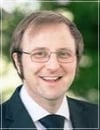
Matthew Hyde

That I May Know Him: The Experimental Knowledge of Christ

Philippians 3:10-11
Matthew Hyde March, 5 2016 Audio
0 Comments
Matthew Hyde
Matthew Hyde March, 5 2016
That I may know him, and the power of his resurrection, and the fellowship of his sufferings, being made conformable unto his death; If by any means I might attain unto the resurrection of the dead.

Sermon Transcript

Auto-generated transcript • May contain errors

100%
In feeling to need the Lord's
help, I would seek to direct your prayerful attention this
afternoon to words you'll find in the Epistle of Paul to the
Philippians chapter 3. And we'll read again at verse
7. The Epistle of Paul to the Philippians
chapter 3, reading again at verse 7. But what things were gained to
me, those I counted lost for Christ. Yea, he doubtless, and
I count all things but last for the excellency of the knowledge
of Christ Jesus my Lord, for whom I suffer the loss of all
things, and do count them but done, that I may win Christ,
and be found in him, not having mine own righteousness which
is of the Lord, but that which is through the faith of Christ,
the righteousness which is of God by faith, that I may know
him, and the power of his resurrection, and the fellowship of his sufferings,
being made conformable unto his death, if by any means I might
attain unto the resurrection of the dead. The words that are especially
on my mind this afternoon are those words in verse 10 and 11,
that I may know him, and the power of his resurrection and
the fellowship of his sufferings, being made conformable unto his
death, if by any means I might attain unto the resurrection
of the dead. These words were given unto me,
I trust, when Mr Sant invited me by faith to speak on this
occasion, to preach to you here today, last August, before I
was even sent out by the church attending into the ministry.
And those words remained with me and I felt I had to preach
from them before the church when they heard me preach prior to
sending me out into the ministry. And although I've sought another
text for today, I haven't been able to get away
from them, friends, and so I must bring them to you here this afternoon,
that I may know him and the power of his resurrection and the fellowship
of his sufferings being made conformable unto his death, if
by any means I might attain unto the resurrection of the dead.
Paul was writing here to the Philippian church, a very blessed
church, We read of the Philippians, that
church in Philippi, they met together by the riverside, in
that place where prayer was wont to be made. And of some of those
characters in the Philippian church, we know a little bit.
Lydia, who I mention in prayer, whose heart the Lord opened.
The jailer who was saved at that midnight hour. Paul there, singing
in the prison, the earthquake. The effect that the Holy Spirit
working in the heart of the jailer had. when he was brought forth
and added unto that church at Philippi, even at midnight. And
Paul, writing unto the Philippians, tells us that they were his joy.
They were, as it were, a consolation unto him. His ministry had been
evidently blessed amongst them, and they had been preserved as
a little church. But we find, writing unto them in this letter,
nevertheless, though they were found, as it were, a blessed
church, he comes with those gospel precepts to give unto them. And
in the second chapter which we read, he opens by telling them
that they should be like-minded, having the same love, being of
one accord of one mind. Let nothing be done through strife
or vainglory, but in loneliness of mind let each esteem other
better than themselves. And the Lord's people, friends,
have needed these gospel precepts. They have need that the minister
should come with the word of truth and speak also the practical
part of religion, those exhortations as it were unto holiness. Though
we come with that realisation of ourselves that we are unholy
needs no proof. We sorely feel the fall. Yet
we have to prove that Christ has holiness enough to sanctify
us all. But the apostle you see in this
epistle to the Philippians, he sets before the Philippians something
of the tension that is found in the life of the Lord's people.
Yes, there is that that we've attained to. The Lord's people
have a hope. a hope which goes beyond this
lower sky, as it were, a hope of salvation in the Lord and
Saviour Jesus Christ. And yet the Lord's people have
to prove that their experience is, day by day, that wrestling
against the old man, that wrestling against the rising of sin and
corruption that rises within them. Yes, they have to prove
it day by day. Oh, they find themselves feeling
more unholy than the day before. There is that constant warfare.
And in the midst, friends, that constant warfare. Lest we should
be found overwhelmed by it. Lest we should be found giving
in to our old nature. Lest we should be found falling
into open sin. And indeed, only the Spirit of
God can keep us. Nevertheless, Paul comes with
these practical gospel precepts unto the church
at Philippi, to encourage them, as it were, and to strengthen
in that battle, and especially to set before them that One who
alone can sanctify them, that One of whom He wrote unto the
Corinthian church, Christ Jesus, who is made unto them, that wisdom,
that sanctification. But of Him are ye and Christ
Jesus, who of God is made unto us wisdom and righteousness and
sanctification and redemption. that according as it is written,
he that glorieth, let him glory in the Lord. And friends, that
is the source of our sanctification. So Paul here tells the Philippian
church, let this mind be in you, which was also in Christ Jesus,
who being in the form of God, thought it not robbery to be
equal with God? No, but made himself of no reputation, freely
came, that he might be found the appointed salvation for sinners. And we find Paul elsewhere when
he gives the precept. Says before them, Christ has
a motive to that precept. We think of that precept in the
Ephesian church. Husbands, love your wife, as
Christ also loved the church and gave himself for it. Oh friends,
these are high standards, as it were, that are set before
us in the gospel. But what a motive, what a motive to encourage the
Lord's people in seeking and striving day by day in that wrestling
against the old man to attain, to seek to attain unto that standard
set before them Christ. Let this mind be in you, which
is also in Christ Jesus. But you see, friends, in this
striving, as it were, against self, in this striving against
sin, the Lord's people have to prove they have one great enemy.
And that great enemy is legal self. Legal self. Oh, left to
ourselves we feel that we can sanctify ourselves, we feel that
we can work out our own justification. Yes, left to ourselves, even
after we've tasted that the Lord is gracious, we have to prove
ourselves looking back under the law and looking back to the
works of our own righteousness. This was the area that had crept
into the Galatian church. There was found that Judaising
spirit amongst them. They were found again seeking
to put themselves under the law. I think most divines would be
agreed that there's no evidence that that spirit had entered
into the Philippian church. But Paul writes them to warn
them of that spirit. And in what strong language he
does, coming into this third chapter. Beware of dogs, beware
of evil workers, beware of the concision. For we are the circumcision
which worship God in spirit and rejoice in Christ Jesus and have
no confidence in the flesh. Now I have to ask you this afternoon,
friends, where is your confidence for time and for eternity? Is
it in the flesh? Is it in the flesh? Or is it
in the finished work of our Lord and Saviour Jesus Christ? And
you might say, well, that's a very simple question, a very obvious
question to ask. Surely all the Lord's people
have their confidence alone in Christ. But, oh, friends, that's
a close-cutting question to the Lord's people who truly exercise
For we have to prove we're left to ourselves. Oh, we're left
to ourselves. We put our confidence again and
again in ourselves, and in our arm of flesh, and in our own
strength. And so we're found, as Paul was,
seeking after that faith, that righteousness, mine own righteousness,
which is of the Lord, rather than that righteousness which
cometh alone from God, which is by faith. So, friends, I would
ask you to closely examine your heart this afternoon, as you're
found gathered with us round this word. Oh, where is your
confidence this afternoon? Is it in Christ Jesus? Have you
renounced all confidence in the flesh? Well, Paul tells us, and
this is the force of his argument, friends, that if you think this
afternoon, gathered here in Portsmouth Chapel, you've got any room for
confidence in your own flesh. Paul had far more confidence
than you will ever have. circumcised the eighth day, the
stock of Israel, the tribe of Benjamin, and Hebrew of the Hebrews,
as touching the law of Pharisee, concerning zeal, persecuting
the church, touching the righteousness which is in the law, blameless.
Oh, friends, this was the confidence in the flesh that Paul had, blameless.
Touching the righteousness which is in the law, blameless. Oh,
can you aspire to such high confidence this afternoon? Can you sit there
and say that according to the law you are blameless? Oh, but
what does Paul say? What things were gained to me,
those I counted lost for Christ? Yea, doubtless, and I count all
things but lost, for the excellency and the knowledge of Christ Jesus
my Lord, and do count them but done, that I might win Christ. This is the false friends of
Paul's argument. All this righteousness which
you may be found eating upon this afternoon left yourself.
or the righteousness which Paul had. Oh, it's but done. It's
but dropped. It won't do in a dying hour.
It won't save you, friends. It's not a passport to eternal
life. But it will, in that last day,
be proved to be that which falls short of the mark. And you'll
be found there before your judge at the last eternal day. That
last eternal day of judgement. You'll be found naked with no
clothing. You'll be found as Adam was when the Lord walked
in the garden in the corner of the day. And he proved himself
to be naked. He had no righteousness. He had
nowhere wherewith he might stand. And Paul, having this realisation
of this, exhorts the Philippian church, telling them that he
counted these things but done. that he counted them as loss
for Christ, that he might win Christ and be found in him. Well,
friends, I ask you this afternoon again, on what are you placing
your confidence for time and for eternity? And has the Spirit
made you willing, has he brought you to a realisation that all
your righteousnesses are as filthy rags? that you are reserved from
head to foot those bruises, those wounds, those putrefying sores.
Thou very bestest died with sin, says the hymn writer, and all
is nothing worse. Oh, has the Lord brought you
to realise that the only righteousness in which you can stand in that
last day is found in Christ, in the perfect righteousness
which He's wrought out for His people, by His life and His death? Don't separate, friends, the
two vital parts of the work of Christ. Bone had it right when
he said, on a life I did not live, on a death I did not die. That was what he hung his hope
for eternity on. And that's what you will have
to hang your hope for eternity on this afternoon, if the Spirit's
been teaching you. This lesson that Paul had to
learn, that he might count all things but done, that he might
win Christ. Well, Paul, in the verses I read
together with you this afternoon, had three wishes, three desires,
and those desires were firstly that he might win Christ. What
does that mean, friends? What does it mean? We tend to
think of winning as having that meaning, you win because you
attain to something, you're running a race, because you're best at
it, because you put all your efforts and your exertions into
it, you win. This is not the winning that Paul's talking about
here. But there is that sense of winning, which is gaining
something which is not yours by right. And that's what Paul
here was desiring, that he might gain Christ. Now you say to me,
what do you mean? Paul already had Christ. Why
did he desire that he might win Christ? Why was it a daily exercise
with him that he might gain Christ? Oh, friends, because Paul knew
this wrestling with self. Because day by day he was found
left to himself, putting his confidence within himself, looking
back to his birthright, looking back to his Hebrew upbringing.
Day by day, left to himself, he was looking to himself to
work out his own righteousness. And that's where the Lord's people
find themselves, where the Lord withdraws himself from them,
looking again unto self. looking again unto self, but
Paul desired that the Lord would grant him Christ in such a measure
that there would be no room for self, no room for self, that
he might win Christ, that Christ might be unto him his all in
all, that he might be his Alpha and his Omega, that he might
be the beginning and the ending, the author and the finisher of
his faith. This was Paul's first desire, that he might win Christ,
that he might gain them, that he might not at last be found
as they were without Christ. Oh, Paul writes those solemn
words, lest he, having preached Christ faithfully, having ministered
in the gospel many years, should at last be found a castaway.
And, oh, friends, what a solemn realisation it is unto the Lord's
people how far we can come, as it were, in the pretence, how
far we can come seemingly outwardly in the path of real religion,
and yet at the end be found a castaway. Oh, friends, the only mark that's
set before us in Scripture is the true mark of the Lord's people.
is they endure unto the end. And all those of us that are
here this afternoon that are young in the way, and have many
years left before us, it may be a trial with us, not only
how we shall stand in the trying day, but, oh, to be kept unto
the day of Jesus Christ. But this is what Paul desired,
that he might win Christ, that he might gain Christ, that Christ
should also fill his life, or that he might be found in Christ. And then that was his second
desire, that he might be found in Him. Not having mine own righteousness,
which is of the law, but that which is through the faith of
Christ, the righteousness which is of God by faith. Paul desired
that he might be identified with Christ. And more than that, friends,
notice the preposition, that he might be found in Him, not
with Him. There are many today that are
content, as it were, to have a religion that has much about
Christ. They're willing to be about Christ. They're willing,
as it were, to be with the people of God. But, oh, they don't want
this religion which puts them in Christ. They have no desire
after that unity with Christ. They're not entered into that,
the answer of the prayer of our Lord and Saviour Jesus Christ,
before He departed from this earth. That prayer that the Father
would reveal Himself unto His people, that they all may be
one. As thou, Father, art in thee and I in thee, that they
also may be one in us, that the world may believe that thou hast
sent me. He desired that unity for his people with him through
the working of the Holy Spirit. And as we find that union with
Christ, as we're found in Christ, that we might find that union
with the Father. This is what Paul here desired,
that he might be found in Christ. Or do we not read elsewhere that
the name of the Lord is a strong tower, the righteous runneth
into it, they are safe. Now a friend is where safety
is, in Christ, and in Christ alone, and outside of Christ
there is no safety. And so Paul desired to be found
in Christ, to be identified wholly with him, to be one with Christ.
And therefore that that which was Christ, his righteousness,
his holiness, might be counted his righteousness by faith, that
he might have that robe of which the hymn of righteousness is,
in that last day, in this robe array, with joy shall I lift
up my head. That, dear friends, is the hope that the Lord's people
have, as they are found in Christ. And therefore how solemn this
question must be, are we found in Christ this afternoon? But
we read elsewhere in Scripture that it's outside of Christ.
Almighty power can do nothing but devour. And in that last
day to be found outside of Christ, it will be a solemn day unto
you. It will be a solemn day unto you. but all to the Lord's
people that are found in Christ, clothed with that robe of righteousness,
wrought out by a Lord that is spotless, that is holy, that
is impeccable, that cannot fail, that shall never fail. No, friends,
it's that robe which is greater than that robe that Adam was
created with. Oh, many people seem to speak today of salvation
as being a restitution, a restoring to what we were in Adam. But,
oh, friends, the work of salvation is much more than that. If you
know, friends, the propensity of your own self to fall, you'll
want a righteousness which is greater than the peccable righteousness
of Adam. For you'll be brought to realise
by solemn experience that if you had stood in exactly the
same place as Adam, you too would have fallen, you too would have
sinned, you too would have been left with no righteousness of
yourself, wherewith you might stand in that great and terrible
day. No, but the Lord and Saviour Jesus Christ has worked out for
his people that righteousness, which in Christ is impeccable,
shall never pass away, can never be tarnished, and friends closed
in that righteousness. There can be no falling away,
there can be no sin that can enter into heaven, there can
be no falling away out of that blessed state, but that is an
aside for it. This was Paul's second desire,
that he might win Christ, that he might be found in him. But
his third desire was this, that I might know him. That I might
know him. Now, friends, what does this
knowledge consist of? What is this knowledge? This
is vital knowledge, friends. Vital knowledge. Oh, if we know
not Christ, if you are found this afternoon still as a stranger
under Christ, if he has not been revealed unto you by the Spirit
in his Word, oh, you are found a stranger, as it were, to the
way of salvation. And friends, knowledge, as we
tend to think of it, consists in that knowledge that we may
learn as schoolboys learn their task, as the hymn writer says.
And I would not totally decry that as being part of the meaning
that's set before us here. We have to be careful, friends.
We've been brought up in churches which rightly have decried head
knowledge and have decided that we might have that which is an
experimental knowledge of Christ, and that is essential. And I
speak not against that. But friends, Paul tells us very
clearly in the 10th chapter, I believe, of the Romans, that
faith cometh by hearing. And how shall they hear? How
shall they be saved? But it pleased God, as I spoke
to the friends here a few weeks ago from, pleased God by the
foolishness of preaching, to save them that believe. And so
the Lord has given that way, whereby Christ and his gospel
might be set before us. whereby you may be told week
by week from the pulpit that you are a sinner, and that there
is salvation found alone in the Lord and Saviour Jesus Christ,
for his people, for those who are bought by the working of
the Holy Spirit to realise that they are sinners before a holy
God. This is the way God has given, whereby men should be
saved, through the hearing of the Word, and face, friends,
if not as it were, that woolly concept which many people seem
to have, Believing in the Lord Jesus Christ, that faith that
we have in Christ, saving faith, is, as one has said, is not a
leap in the dark. It's not a leap in the dark. No, faith lays hold
upon Christ as he's set before us in the Gospel. Faith lays
hold upon that way of salvation as we read it in his Word and
as it's found preached to us week by week. And so there is
a sense, friends, in which this knowledge, This knowledge is
that knowledge which is imparted unto the Lord's people, firstly
through the preaching of the Word, and then as the Holy Spirit
blesses that Word unto them and opens it up within their heart,
they prove it to be the truth by precious experience. But friends,
we would point out that the knowledge here is especially the experimental
knowledge that Paul refers to. And why do I say it is experimental
knowledge? Well, because of the three things
that he desired to know knowledge of Christ in. the power of his
resurrection, the fellowship of his sufferings, being made
conformable unto his death. I've said it before, friends, if I read you a newspaper article
concerning an earthquake, you read of the magnitude of that
earthquake, it means very little to you as you just read it upon
the page. If you see a picture and you see the buildings knocked
down, you perhaps have a sense of how powerful that earthquake
must have been. But to those of us who live in a country where
we do not experience earthquakes, we have no real knowledge, no
real experience of what that power was. And so when Paul here
desired to know the power of his resurrection, it was a desire
to know that experimental knowledge of that power, to experience
that power working in his soul by the power of the Holy Spirit.
It was not just a head knowledge. It was not just a realisation
that the power that brought Lord and Saviour Jesus Christ, who
was truly dead, back to life again. But it was to know that
power within his own soul. And how can you have fellowship
with Christ in his sufferings, except by experience? To simply
read of Christ's sufferings is not to know fellowship of them.
You can go into the Roman Catholic Church, you can probably go into
the local parish church here, You see many representations
set before you of a suffering Saviour. But, oh friends, there's
no fellowship found with Christ by simply looking upon those
things. No, fellowship is only known as we're brought to taste
and brought to realise of the effects of sin within ourselves
and the offering that our Lord and Saviour Jesus Christ made
on behalf of sinners there at Calvary. And then, friends, conformity
unto his death speaks of an act going on within us. It speaks
of a change wrought within us by the Spirit. It's not simply
a head knowledge, but it's that which we know by experience.
And so Paul desired that he might really know Christ, that he might
know Christ. Oh, that he might see Him in
all His beauty, in all His glory, that he might have that knowledge
of Him there hanging and suffering upon the tree of Calvary, not
just on behalf of sinners, but in His place and in His room
and stead. Oh, friends, do you this afternoon
desire that same knowledge of Christ? Oh, you found the slave this
afternoon, say it with one, give me Christ, or else I die. Can
you be content friends with any other? Oh, what poor sad creatures we
are. Poor Martha, careful, troubled about many things. You could
slay godly Martha. The godly won't be careless about
things. And if you're kept exercised in the things of grace, the Lord
won't let you be careless about things either. Your desire to
see that your daily things are done in all honesty and in their
good before the sight of men. And indeed, carelessness amongst
the Lord's people and indifference to the things of nature brings
much dishonour upon His cause. But, O friends, dear Martha had
the balance wrong, and the Lord spoke that kindly rebuke unto
her, but one thing is needful. And what was that one needful
thing? This experimental knowledge of Christ. Well, friends, why
is this experimental knowledge needful? Well, I believe Paul,
as it were, opens that need, as he opens the facets of that
knowledge that he desired to have. Firstly, the power of his
resurrection. The power of his resurrection.
Oh, friends, this reserves nothing less than the power of God. We
read in the scripture that the resurrection of our Lord and
Saviour Jesus Christ from the dead is attributed to all three
persons of the Trinity, to Father, to Son and to Holy Spirit. This
was the power of God. It wasn't the power of man. No,
it was the power of God. That shepherd of the sheep who
brought again our Lord and Saviour Jesus Christ from the dead, that
was the power that Newton desired in that benediction hymn. might
rest amongst his congregation. And it's a power that is necessary
that every one of the Lord's people should know. And if you're
a stranger this afternoon to the working of that power within
your souls, oh friend, you're dead. You're dead. And how are
the Lord's people brought to know this power? You see, friends, as we're brought
forth into this world, we're brought forth as sinners. Born
in sin, shaped in iniquity. We're brought forth from our
mother's womb speaking lies. We're found as our deceitful
bow, we continually go astray. Left to ourselves, we're found
wandering, we're found afar off. We're dead, friends. We're dead. We have no feeling. The things
that I'm speaking to you about this afternoon, if you're found
dead, will mean nothing to you. You'll wonder what Paul meant
when this was his one desire, that he might know him and the
power of his resurrection. Didn't Paul have anything better
to desire? I've got troubles tomorrow. I've got other things,
more important things to be worried about. But, oh friends, when the Holy
Spirit enters into the souls of his people, Christ's people,
when he raises them again, when he regenerates them by the powerful
working of the Spirit, that work which the Lord spoke of to Nicodemus,
born again in the Spirit of God. We are brought, as it were, again
from the dead. Except a man be born again, he
cannot see the Kingdom of God. We talk of this, friends, as
it were, as a renewing of life. We find it described elsewhere
in Scripture, as it were, to a resurrection. A resurrection
experience, risen again to newness of life in Christ. But, old friends,
we must be careful. This being born again, as it
were, is a new creation. The seed of God is implanted
within us. That seed cannot sin. That seed
cannot fail, but must grow up into eternal life. This is a
new creation that has worked in the souls of the Lord's people
by this power of this resurrection. And so the experimental knowledge
of this power consists in the knowledge that we were once dead,
but now we're alive again. Now we're alive again. But oh,
you say to me this afternoon, but I feel to be so dead. I came
in with you with the words you quoted in prayer. My soul cleaveth
under the dust. Yes, I'm poor dying dust. Poor
dying dust. But old friends, the dead have
no feeling. The dead have no feeling. Was there a day when
you did not know what it was to be unable to say with a psalmist,
my soul cleaves under the dust, quicken thou me? No, you were
dead, you were content to be dead. You saw no life as it were
beyond tomorrow. But oh, if you've known anything
of this resurrection power, your feeling of deadness will now
be known unto you. It will be a reality. You see,
Paul says he was alive without the will of all ones. But the
law came, sin revived and I died. That's the experience of the
Lord's people. Once you had a life to live. But oh, when the Holy
Spirit comes and his resurrection power, when he puts that life,
that light within your souls, you're bought to realise that
you are verily dead. You are verily dead. But you
have no hope. You have no hope. And then you
have need of a saviour. And day by day, as you're brought
to knowledge, you know yourself as a sinner. And you have to
prove that everything you do is tainted with sin. The good
that I would, I do not. The evil that I would not, that
I do, says Paul. And the Lord's people are not
a stranger to that experience. It's a daily experience with
them. These, friends, are signs of life. And then you see, friends,
the living also prove that love unto the Lord and Savior Jesus
Christ. Oh, does Christ mean something to you today that he
didn't mean at one time during your life? You see, there was a day, friends,
when you could be content without Christ. You could be content
without the things that pertain unto godliness. You lived alone
for yourself and for tomorrow. But, oh, if you'd known anything
of the power of this resurrection, you'd have been brought to that
day where the things of God are made precious unto you. You'll
have been brought to realise the holiness of God, your state
of the fallen sin. You'll be brought to confess
to the hymn writer that if my soul was sent to hell, thy righteous
law approves it well. That's a solemn realisation that
the Lord's people are brought into, and it's a realisation
they're brought to, as the power of this resurrection works within
their souls. And then, friends, you'll be
brought, as it were, to have that love unto the Lord Jesus, We
love him because he first loved us. You see, this resurrection
power opens our eyes. We were once blind, now we see.
That was the testimony of the poor man who had his eyes naturally
opened. But he, as it were, a type of the soul under spiritual blindness. Blindness is we're brought forth
into this world as children of Adam. Yet when we have our eyes
opened by the Holy Spirit, and we're brought to see something
of our fallen state, We're also brought to see something of the
beauty that's set before us in Christ as a saviour for sinners. Well, I ask, friends, do you
know anything of this? If you do, it's this power of this resurrection.
It's the work of regeneration. It's the work of that bringing
forth the newness of life brought out in your souls by the power
of Christ's resurrection. But, oh, friends, this power
of the resurrection is not only known in regeneration. The Lord's
people prove it to be the power of God in justification. We read
Christ was risen again for our justification. It's His resurrection
power that you will be depending upon this afternoon for your
righteousness, for your salvation, for your hope of eternal life.
Why? If the story, and that's a wrong
word friends, if the gospel account If the gospel account had ended
when our Lord and Saviour Jesus Christ cried with a loud voice
saying, it is finished, and gave up the ghost, we this afternoon,
friends, would be of all men most miserable. Why? Because the thing that we would
put our hope in is no hope whatsoever. But we read Christ was raised
again for our justification. Christ must be raised. The Apostle
makes this very clear in that 15th chapter of the first epistle
of Paul to the Corinthians. Our hope of eternal life rests
upon the resurrection of our Lord and Saviour Jesus Christ.
Oh friends, if you've been born to find your hope for salvation
in Christ, your hope will rest upon this, that he was risen
again for our justification, risen by this resurrection power. And then, friends, you'll be
found resting upon this power to be for your keeping. You see,
the Lord's people are brought into that experience which the
hymn writer says, that if ever it should come to pass, the sheep
of Christ could fall away. My fickle, feeble soul at last
would fall 10,000 times a day. Oh, friends, are you found there
this afternoon? Are you found coming into the
sanctuary with the prayer of the psalmist, hold up my goings
in thy paths, that my footsteps tip not? Are you found with that
concern that we've already spoken of that the Apostle Paul had,
that at last it should prove a castaway? Oh, you have to prove
day by day, myself I cannot keep. Yes, insulting folk is true.
Oh, but friends, where is your hope? Where is that power for
keeping? What is the power that we're
kept by? What is the power that prevents the Lord's people falling
out of salvation, that grants us that abundant hope? Well,
it's that power that Peter speaks of. Blessed be the God and Father,
our Lord Jesus Christ, which according to His abundant mercy
hath begotten us again unto a lively hope. by the resurrection of
Jesus Christ from the dead, that's that resurrection power again,
working out that lively hope within you, to an inheritance
incorruptible and undefiled, that fadeth not away, reserved
in heaven for you, who are kept by the power of God, through
faith unto salvation, ready to be revealed at the last times.
Oh friends, this resurrection power is that keeping power,
that upholds and that keeps every one of the Lord's people, The
means that they cannot be lost, the means that they cannot eternally
stray, the means that they cannot fall out of the arms of the everlasting
covenant, is none less than this power, the power of his resurrection. And then, friends, in the context
that we read it off here, Paul is undoubtedly speaking of that
power working in him to his sanctification. We read in the sixth chapter
of the Romans, Paul there writing of us, the Lord's people, wrestling
with sin. Yet that newness of life brought
about in us by his death. For if we have been planted together
in the likeness of his death, we should be also in the likeness
of his resurrection. Knowing this, that our old man
is crucified with it, that the body of sin might be destroyed,
that henceforth we should not serve sin. For he that is dead
is free from sin. Now if we be dead with Christ,
we believe that we should also live with him, knowing that Christ
being raised from the dead dies no more. Death hath no more dominion
over him. We read of it also in the 8th
chapter of the Romans, where Paul speaks also of that resurrection,
power and sanctification. For ye are not in the flesh,
but in the Spirit. It so be the Spirit of God dwelling
in you. Now if any man have not the Spirit of Christ, he is none
of his. And if Christ be in you, the
body is dead because of sin, but the Spirit is life because
of righteousness. But if the Spirit of him that
raised up Jesus from the dead dwell in you, he that raised
up Christ from the dead shall also quicken your mortal bodies
by his Spirit that dwelleth in you. Yes, friends, this is the
working of the power of the resurrection power within the hearts and lives
of the Lord's people. Now before I come on to this
second aspect of knowledge of Christ that Paul desired, fellowship
of his sufferings, I would notice the order. The Apostle at times can appear
unto us as we read a chaotic writer. He wrote with freshness. He wrote as it were his pen hardly
keeping up with his heart in the matter. But Paul often writes
very carefully when it comes to order. And we see here careful
order, friends. The power of his resurrection
is put before fellowship of his sufferings. You say to me, why
is that? Christ suffered first. Then he
was raised. Why does Paul ask first to know
the resurrection power? Before he knew the fellowship
of his sufferings. Well, friends, this is where
we prove Paul to be an experimental preacher. An experimental preacher. What do you experience first?
Oh, you can know no fellowship with Christ in his sufferings.
You know conformity unto his death until you're awakened,
until you're regenerated by the Holy Spirit, until you know the
power of his resurrection. And so, friends, if you're amongst
the Lord's people this afternoon, you'll prove the order of Paul
here to be the order of the Lord working within your soul. You
know first the power of his resurrection, raising you first to life, and
then you prove the fellowship of his sufferings. being made
conformable unto his death. It's the same thing as Friends
with the benediction, that benediction that we end our services with,
the benediction that Paul ended in that second epistle to the
Corinthians with, the grace of our Lord Jesus Christ, the love
of God, the communion of the Holy Ghost. Why, Friends, is
the Son, as it were, put before the Father? Well, friends, it's
only as you're born to know the grace of the Lord Jesus Christ
that you approve the love of the Father. You see, until we
know anything of the grace of the Lord Jesus Christ, we're
sinners. We need that reconciliation with
God. We're found afar off. God is holy. We cannot approach
unto Him. We are sinners deserving eternal
death. But, oh, when the grace of the Lord Jesus Christ is shed
abroad within your hearts, then you come to realize something
of the love of God. The love of God. And it's not until you
know something of the grace of our Lord and Saviour Jesus Christ
that you'll truly know anything of the love of God. That's the
same, friends, here. There is this order, this order
in experience. Oh, may you be able to trace
it out in your experience this afternoon, and having known the
power of His resurrection, to know the fellowship of His sufferings.
Well, friends, what is this fellowship of His sufferings? It troubles
me sometimes that Many today seem to speak of their outward
afflictions. They have pain, they have sickness,
and they speak of it as being in fellowship with Christ and
His sufferings. I don't understand, friends,
whether the source of that is a lack of knowledge of what the
sufferings of our Lord and Saviour Jesus Christ entail, or whether
it's a lack of understanding of what their own sufferings
are. But, oh friends, the sufferings of Christ went beyond the sufferings
that we can ever enter into. They were not just natural sufferings.
The pinnacle of His sufferings came in this. My God, my God,
why hast thou forsaken me? And, oh friends, the blessed
thing is, because Christ was found there, because Christ knew
that real separation within His own Holy Soul, We, friends, never
enter into the foreness of that experience. You see, for the unrighteous,
in the day of their death, they will enter into hell. And what
is hell unto the unrighteous is eternal separation from God. But, oh, if you're in Christ,
if you're one of the Lord's people, if you're one for whom our Lord
and Saviour Jesus Christ suffered, He tasted death for you. And
therefore, friends, you'll never, as it were, however dark your
path seems to come, however far and however much you feel within
your souls that my God is afar off, however much you may be
brought this afternoon into the experience of Jeremiah, I cry
and shout, and all my cries you shut it out. Yet, friends, I
tell you, if you're in Christ, you can never know separation
from God. No, you may feel it in experience, but you can't
be separated. You can't be separated. The Lord
has passed a promise. I am with you always. I am with
you always. Let your conversation be without
covetousness. Be content with such things as
you have. For I will never leave thee, nor forsake thee. And God
cannot give up on that promise. No, if you're in Christ, friends,
you cannot enter into the fullness of that separation which Christ
knew in his holy soul. But, oh, friends, as you're brought
to realise that sin has separated you from God, as you're brought
to realise by some fresh breaking out of sin within you, the frowns
of God, as it were, upon you, as you're brought, in experience,
to realise something of the separation that sin brings between you and
the God you love, then, friends, you enter a little, and only
a little, into the fellowship of Christ with his suffering. There is a sense though in which
sanctify suffering. There is a sense in which the
troubles and pains and afflictions which the Lord's people are brought
into. Though the world have them. But the thing that makes suffering
different in the hearts of the Lord's people is that they're
sanctified to them. As in suffering they're brought
into the experience of what our dear Hezekiah knew. When his afflictions unto death
were sanctified to him. And he said this, by these things
men live, and in all these things is the life of my spirit. And
so, friends, there is a sense in which the Lord's people do
enter into fellowship with Christ in his sufferings, both in body
and in soul, but it's only ever in measure. And it's something
which the Lord's people will never be able to talk about lightly,
but it's a very precious experience. But, old friends, the fellowship
with him and his sufferings here has, I believe, a special application
unto that suffering which the Lord suffered when he was here
upon this earth. He came unto his own, but his own received
him not. Oh, if you're one of the Lord's
people, you'll have to prove, as the hymn writer says, and
I cannot quote it, where they walk they feel the public scorn. You see, the Lord's people are
a strange people. The people in this world cannot
understand them. Your work colleagues may be saying, why on earth are
you going to church on Saturday as well as on Sabbath? But oh,
friends, if you're one of his people, if you desire to be here,
if you desire to be amongst his people, if you desire to be here
in the things of Jesus, oh, you'll be willing to count their scorn
as it were for nothing. But that, friends, is when we
know fellowship with Christ in his sufferings. when we're bored
to realise the scorn that the gospel brings, the scorn that
separation from sinners brings, or the scorn that our Lord and
Saviour Jesus Christ endured when he went without account,
bearing our reproach, separated from the people, scorned at,
scoffed at. Friends of publicans and sinners,
this man received his sin as an equism, the wine beeper a
glutton, All friends, this is the same sufferings that the
Lord's people still have to have today. And all friends, we live, as
we often say, in times of peace and plenty. And we may know but
little of these things. But all friends, it troubles
me sometimes, just how little separation real religion brings. And it's a close question to
me personally. The Lord said concerning those that accused
him of having the spirit of the devil. That a house divided against
itself will fall. And our old friends, the working
out of that truth within the Lord's people is this. Constant
warfare. Constant warfare within and without.
You see, friends, if you haven't got anything of real religion,
the devil won't try, as it were, to turn you out of the way. The
devil won't try to rise up against you, to tell you you've got nothing.
to tell you not to trust, to tell you not to believe. If you've got real religion within
you, if you've been born to be found putting your trust alone,
my hope is built on nothing less than Jesus' blood and righteousness.
Mark it, friends, the devil will try to do everything he can to
root out that real religion that's found within you. And therefore,
friends, if you're found this afternoon, as it were, coasting
along, not knowing anything of that constant warfare, not knowing
anything of the scorn of the world, not knowing anything of
that separation that the work of the Lord brings within the
lives and hearts of his people. Oh, friends, I have to ask you
this afternoon to carefully examine yourself and of your standing
in Christ. And it may be a trouble sometimes
unto the Lord's people, and something which exercises us. Oh, why is
it, is it, were we known so little opposition? Well, Paul decides that he might
know the fellowship of his sufferings. But what was the end, friends,
of this fellowship? Being made conformable unto his
death. Being made conformable unto his death. Oh, what is that
being made conformity unto his death? Is that dying unto self? Is that dying unto sin? Paul says again in that sixth
chapter of the Romans, shall we continue in sin that grace
may abound? How shall we that are dead to sin live any longer
therein? No, there must be that dying
to sin in the hearts and lives of the Lord's people. Let not sin therefore reign in
your mortal body, that ye should obey it in the lusts thereof. Oh, but you say to me, Our articles
deny progressive sanctification. They do, friends. And the truth
they set forth is truth. The Lord's people will always
have an old nature here to wrestle with. Their experience day by
day will be that of Paul in Romans 7. You will have to wrestle against
the powers of hell till Jesus bid you go. And you'll prove
that constant opposition against you, both amongst professors
and amongst the world. And you'll prove that opposition
within your own heart. The devil and your old nature,
as it were, ganging up against you, are together. And, oh, you
may find there are times when they'll be found in that desperate
place, of which one said, the old man struggles hard to gain
the conquest over grace, and oft times seems to gain the field
when Jesus hides his face. And, oh, you prove for it's breaking
out of sin. Oh, you have to prove you have
no strength, no strength. No, you strive, as it were, to
do good. You're found again putting yourself
under the law, striving again to keep the law. You again might
be found holy. Oh, but where does Paul point
the end of this sanctification to? It's not friends that it
were into a death of old nature. It's not friends that when we
come to be fed to die, we shall be holy throughout, having finally
killed our old nature. No, we'll prove it's power down
to the end. But there is, friends, as it
were, this tension in the lives of the Lord's people, that you
look upon the godly, you look upon those that are aged and
nearing their end, and you see that holiness about their walk,
about their conversation. They want not the things of this
world. Yet, friends, you speak to them in private conversation,
and they tell you they feel more a sinner today than they felt
when they first tasted the Lord's love and mercy. Oh friends, how
are these things? Paul speaks as though having
not attained, but pressing toward those things, forgetting those
things which are behind, reaching forth unto those things that
are before. Let us therefore, as many, be perfectly thus-minded.
That's not Paul saying that he'd reached perfection in sanctification.
That's not Paul saying that he finally mortified that old man,
that he finally delivered himself by his own workings from that
body of sin and death. No. That word perfect there is
translated elsewhere, maturity. It speaks to those who are fathers
in Christ, those who have been in the way many years. Let us
therefore, as many as be perfect, as be mature, as it were in the
way, be thus minded. Nevertheless, whereunto we have
already attained, let us walk by the same road, let us mind
the same things. Brethren, be followers together
of me, and mark them which walk so as ye have us for an example. Pretend it's another mark of
grace as it were. If you're found struggling against
sin. If you're found struggling against sin. You see the dead,
oh they have no struggles. Sin is not sin unto them. You
only have to speak to so many in the world today. You only
have to try to tell them they're a sinner. Or their immediate
reaction is, oh I'm not a sinner. I'm not a sinner. They do many
good works, give much to charity. They know nothing of sin. But
you see the Lord's people brought to know something of their sin.
Oh, it is worth struggling against it and fighting against it. But
Paul here, as I try to open up at the start of the sermon, warns
the Philippian church against looking to the law, against looking
back to their own works of righteousness, against thinking that if they
work a bit harder, if they strive a bit more, they'll be able to
reach, as it were, a state of sanctification. No, Paul says, that His only hope was found
in Christ. He counted all those sins as stone, that I might win
Christ and be found in Him, not having mine own righteousness,
which is of the Lord, but that which is through the faith of
Christ, the righteousness which is of God by faith. And our friends,
as it were, wrought out in the hearts of the Lord's people,
as we are brought to know Him, as we prove that resurrection
power working mightily within us. as we find fellowship with
Him in His sufferings, as is the weaning from all the things
of this world here below. We are, friends, made conformable
unto His death. And oh, what does that growth
of grace consist? I do love it, friends. I, at
all times, have to look back to it. I mention it again to
you here this afternoon. You read our article, the Gospel
Standard article, concerning what growth in grace consists
of. There's many in the professing world today that see growth in
grace, as only as it were growing in good deeds, in growing in
outward righteousness. But, oh, what does that article
say growth in grace consists of? What does that work of sanctification
in the hearts of the Lord's people consist of? A daily growing in
knowledge of ourselves as sinners. But, oh, friends, not just that.
That would reduce you to despair. That would reduce you to despair.
But against that, friends, it's a growing knowledge, a daily
growing knowledge of the perfections and of the beauty of our Lord
and Saviour Jesus Christ and the salvation that He has provided
on behalf of poor needy sinners. I ask you, friends, is that an
encouragement to you this afternoon? Is that when you hang your hope
as it were upon, when you're found wrestling day by day here
below with sin and with the powers of hell? O friends, as these
things cause you to realise your sinnership more and more, cause
you to realise more and more of your weakness, more and more
of your own inability to save yourself, more and more of the
fact that you have no hope in self. O friends, as you are enabled
by faith to look towards Christ, as he reveals unto you more and
more day by day, that the blessings of the Father as pleased should
dwell in him, that in him should all fullness dwell. And why should
it dwell then? For the poor and the needy are
not by the way. for those who prove they've got nothing within
themselves, they've got no hope in self. No, no hope in self,
I thought, and yet have sought it well, the native treasure
of my mind is sin and death and hell, but oh, where is the hope
of the Lord's people? In Him who hung there upon the
cross and cried, it is finished, it is finished, and has risen
again for our justification and is now ascended into glory. And
there, friends, his heart, oh, as Joseph Hart says, his human
heart he still retains, though thrown in high springs, he feels
each tempted member's pains, for their afflictions his. Yes,
he knows your daily wrestlings against sin and against death.
He sees that daily cry that ascends from the Lord to people, who
can deliver me from this body of death? And, oh, friends, what
is the answer? What is the answer to that continuing
procession going on before the Father's throne even now, on
behalf of poor sinners? Oh, the Holy Spirit is shed forth
upon them. In the fulfilment of that prophecy
others give them concerning the New Testament Church in the 31st
chapter of Jeremiah. Behold, the day is come, saith
the Lord, that I will make a new covenant with the house of Israel,
with the house of Judah, not according to the covenant that
I made with their fathers in the day that I took them by the
hand, to bring them out of the land of Egypt, which my covenant
they break, for I was an husband unto them, saith the Lord. But
this shall be the covenant that I will make with the house of
Israel after those days, saith the Lord. I'll put my law in
their inward parts, write it in their hearts, and I'll be
their God, and they shall be my people. And they shall teach
no more, every man his neighbour, and every man his brother, saying,
Know the Lord. For they should all know me from
the least of them unto the greatest of them, saith the Lord. For
I will forgive their iniquity, and I will remember their sin
no more. Yes, the answer to the continuing intercession of the
Lord and Saviour Jesus Christ on behalf of his people is to
send him forth to the Comforter. To send him forth to the Comforter.
And how does the Comforter comfort his people? How does the Holy
Spirit minister comfort to you? Oh, it's as he reveals Christ
unto you. They shall no longer say no,
the Lord, for they should all know me. This is the knowledge
that Paul desired here, that I might know him. That I might
know him. This is the working of the Holy
Spirit. And what is the result of that knowing him? I will forgive
their iniquity. I will remember their sin no
more. And oh, friends, how does this? It won't affect your daily
lives. Oh, friends, it brings our conformity unto his death.
Yes, friends, the things that you could once do no longer mean
anything to you. Yes, so you have to wrestle against
it. Oh, friends, I ask you today, do you carry on today as you
did before you knew anything of this resurrection power? If
you do, I question whether you know anything of that power.
Yes, if you can still go on reading your novels, if you can still
go on loving the world, if you can still go on delighting more
amongst the company of the world than amongst the company of the
Lord's people. We might well ask, what do you know of him?
Solemn question, what do I know of him? But oh, friends, if the
Holy Spirit has revealed Christ unto you, according to that promise
given unto the New Testament Church, if you know him, if you
know him in any measure by the power of his resurrection, and
if you are granted that knowledge of fellowship with him in his
sufferings, be it made conformable unto his death, it must have
an effect in your heart and life. It must, my friends, it must.
And what is the effect of it? It brings you to that desire
that Paul had, if by any means I might attain unto the resurrection
of the dead. Yes, sure, this world is no longer
your home. The things that you once counted
joy, they're no longer joy unto you. You're bought to count all
things but dung and drops, for the excellency of the gospel
is found in Christ Jesus. Oh, friends, I am a very, very
poor at preaching, but I'll leave you with that hymn. That hymn
of Terce Deagon in 1075, because, friends, I believe it sums up
the substance of what I've been trying to say this afternoon.
Thou hidden love of God, whose height, whose depth unfathomed
no man knows, I see from far thy beauty is right, and in thee
sigh for thy repose. My heart is pained, nor can it
be, that rested I find rest in thee. Is there a thing beneath
the sun that strives with thee my heart to share? I'll tear
it thence, and reign alone, and govern every motion there. Then
shall my heart from earth be free, when it has found its all
in thee. O crucify this self that I no
more but Christ in me may live. Bid all my vile affections die,
nor let one hateful lust survive. In all things nothing may I seek,
nothing desire or seek but thee. Lord, draw my heart from earth
away, and make it only know thy call. Speak to my inmost soul
and say, I am thy Saviour, God, thy all. O dwell in me, fill
all my soul and all my powers by thine control. May the Lord
bless his word. Amen. Let us sing the Hymn 364, the Tunis Grimoire 396. The Hymn 364. Happy is the Church, thou sacred
place, the seat of thy Creator's grace. Thy holy courts are visible,
thou earthly palace of our God. Okay. ? Perfect habits all have known
? ? I was a stranger at my age ? ? But a brother of theirs was
I ? ? His counsels and his love ? ?
I don't depend ? ? His height and age ? ? Against his own will
? ? With angry roar ? ? That thou
shalt die upon the shore ? ? Then let us all desire and pray ?
? Still to come around ? ? Oh,
it's a ship like no other's done ? ? Swift as the phoenix in the
sky ? Lord, with us on forgiveness
on all that has been uttered amidst, plead that the word might
be followed with thy blessing, and that thou wouldst receive
us graciously, keep us in thy fear, and grant us that knowledge
which surpasses all other knowledge else beside. We'd ask of the
forgiveness of every sin for Jesus Christ's sake. May the
grace of our Lord and Saviour Jesus Christ, the love of God
the Father, the fellowship and communion of the Holy Spirit,
rest and abide with us each, both now and forevermore. Amen. The service today marks the 203rd
anniversary of the formation of the Britain Particular Baptist
Church in Portsmouth, of course not on this particular site. as was mentioned in the prayer
of the original chapel, was destroyed by enemy action in the last war. This building of course dates
simply from the 1950s. It was some three years ago then
that we celebrated the 200th anniversary. Copies of the brief
history that we produced for that occasion are still available
if you want to take one, they're quite free and you'll find several
at the back of the chapel. I'll put these few copies back
with the others. If you want to take one of those,
do please feel quite free to take one. Tea is to be served. Our facilities are rather limited. We have to partake of our food
here in the chapel. The food is laid out in the room
behind the pulpit. If you go through the door on
your right, through the vestry, into that room, and it's a buffet
tea, and then come through here where tea and coffee and soft
drinks will be served. Let us ask the Lord's blessing
on that provision, let us pray. Our gracious God, we do thank
you for every mercy that thou hast granted to us in our poor
mortal life. We thank thee, Lord, for that
great salvation that has been laid up in the person of our
Lord Jesus Christ, and we beseech thee, Lord, that we might know,
indeed, something of those things we have heard of this afternoon,
even that saving knowledge of Christ. We thank thee now for
this provision, for our bodies, for the kind hands that have
prepared it for us, and do help us, Lord, that we might eat,
eat and drink with thankful hearts, to thy glory we ask for Christ's
sake. Amen. So we stand and sing the
doxology. Praise him Lord, praise him Lord. Praise him Lord, praise him Lord. Praise him Lord, praise him Lord. Praise him Lord, praise him Lord.
Matthew Hyde
About Matthew Hyde
Dr Matthew J. Hyde, has been the pastor of Galeed Chapel Brighton since January 2019. He is married with a young family. In his day job he is a scientist.

Comments

0 / 2000 characters
Comments are moderated before appearing.

Be the first to comment!

1
Joshua

Joshua

Shall we play a game? Ask me about articles, sermons, or theology from our library. I can also help you navigate the site.