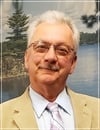
In John Reeves' sermon titled "The Righteousness Which is of God," the primary theological focus is the doctrine of justification by faith and the imputed righteousness of Christ. Reeves argues that God's choice of His elect people—embodied in Israel—is a testament to His sovereignty and grace, as evidenced in Scripture verses such as Isaiah 41:10 and Romans 8:34. He emphasizes that true righteousness cannot be achieved through human effort but is solely found in Jesus Christ, leveraging John 6:47 and Philippians 3:9 to reinforce that believers must rest in Christ's righteousness rather than their own works. The practical significance lies in encouraging the congregation to find comfort and assurance in their relationship with God, irrespective of their feelings of inadequacy, by focusing on Christ's atoning sacrifice and His active intercession for believers.
Key Quotes
“We need the righteousness of God, and that is His Son, the Lord Jesus. We need Christ. We need Christ and Him crucified.”
“Our Lord is sending us help. And that help comes through His Son, the Lord Jesus, the right hand of righteousness.”
“If God leaves us to our free will, we'll always choose evil. Period.”
“This is my determined purpose, my one desire, my soul and heart's sincere hope... that we may win Christ and be found in Him, not trusting or having any self-achieved righteousness of our own.”
God's chosen people are referred to in Scripture as Israel, depicted as His elect whom He loves and purposes to glorify.
Throughout Scripture, particularly in Isaiah 41:8-10, God makes it clear that He has chosen certain people as His own. This designation is not based on any merit of their own but reflects His sovereign grace. God's choice of Jacob over Esau exemplifies His electing love. The understanding is that while all have sinned and fall short of the glory of God (Romans 3:23), He has chosen His people to display His power and grace. The term 'Israel' is representative of those elected by God, emphasizing not the geographical location, but the spiritual lineage rooted in His purpose. Thus, these chosen ones find their identity and assurance in the everlasting love and righteousness of Almighty God.
Isaiah 41:8-10, Romans 3:23
The righteousness of God, fully manifested in Jesus Christ, is the basis of our justification before Him.
The righteousness declared in Scripture, particularly in Isaiah 41:10, assures believers that it is not their own effort but God's righteousness that upholds them. This righteousness is personified in the life and work of Jesus Christ, who is our advocate at the right hand of God (Romans 8:34). As Paul writes, we are not found in our own righteousness under the law but in the righteousness of God through faith in Christ (Philippians 3:9). This distinction is crucial; it highlights that salvation is by grace through faith alone, and it reconnects us with God's promises. Thus, we can be assured of our standing before God based on the perfect righteousness of Christ, who knew no sin but became sin for us.
Isaiah 41:10, Romans 8:34, Philippians 3:9
The message of grace is vital as it emphasizes that salvation is entirely God’s work, free from human effort.
Apart from understanding grace, Christians may fall into the trap of self-righteousness, believing that their own works can earn favor with God. In the sermon, it is articulated that such beliefs lead to a dangerous misunderstanding of the Gospel. Through the truths laid out in Ephesians 2:8-9, we learn that our salvation is 'by grace through faith' and not of works, lest any man should boast. This point is underscored by the idea that our faith itself is a gift from God, removing our ability to claim any credit for our salvation. The doctrine of grace cultivates humility and a deeper reliance on Christ's righteousness rather than our futile attempts to achieve holiness. Ultimately, the message of grace reminds us that we are completely reliant on the righteousness of God through Jesus Christ.
Ephesians 2:8-9
Comments
Your comment has been submitted and is awaiting moderation. Once approved, it will appear on this page.
Be the first to comment!
