The sermon titled "Learning Through Boldness" by Kevin Thacker centers on the theme of boldness in proclaiming the Gospel. The main theological doctrine addressed is the necessity of boldness in witnessing for Christ, as exemplified by Peter and John in Acts 4:13. Thacker points out that despite being considered uneducated, their boldness and knowledge of Jesus marked them in the eyes of their adversaries who recognized that they had been with Christ. He emphasizes that true preaching requires the fundamental components of truth, the Holy Spirit, and boldness to speak plainly without fear of man. Thacker draws from various Scripture references, particularly Acts 4:13 and Hebrews 10, to support his assertion that confidence in the truth leads to a transformed life. The practical significance of this boldness is presented as essential for Christians to stand firm in their faith, declare the works of the Lord, and serve as effective witnesses in an unbelieving world, leading others to recognize the glory of Christ.
“They saw the boldness, this plainness, this simplicity of Christ being declared. And the guts it took to do it.”
“Preaching requires three things... you have to have the truth... and you have to have boldness.”
“We can walk right into glory. Why? By His blood. It's simple.”
“When we have been drawn to Christ by the grace of God... it becomes outwardly known that we've been taught of God.”
The Bible encourages boldness in preaching as evidenced by Peter and John in Acts 4:13, where their boldness was attributed to their being with Jesus.
Acts 4:13
We are called to preach with boldness as Paul did, as he emphasizes in Ephesians 3:12 about having boldness and access with confidence through faith in Christ.
Ephesians 3:12
Boldness is vital for Christians as it allows them to share the gospel confidently, reflecting the truth and love of Christ.
Acts 4:13
To be bold in the faith means to confidently proclaim the truths of the gospel regardless of circumstances or opposition.
Acts 4:13
Auto-generated transcript • May contain errors
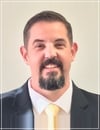
Kevin, a native of Ashland Kentucky and former US military serviceman, is a member of Todd's Road Grace Church in Lexington, Kentucky.

Comments
Your comment has been submitted and is awaiting moderation. Once approved, it will appear on this page.
Be the first to comment!