Bootstrap
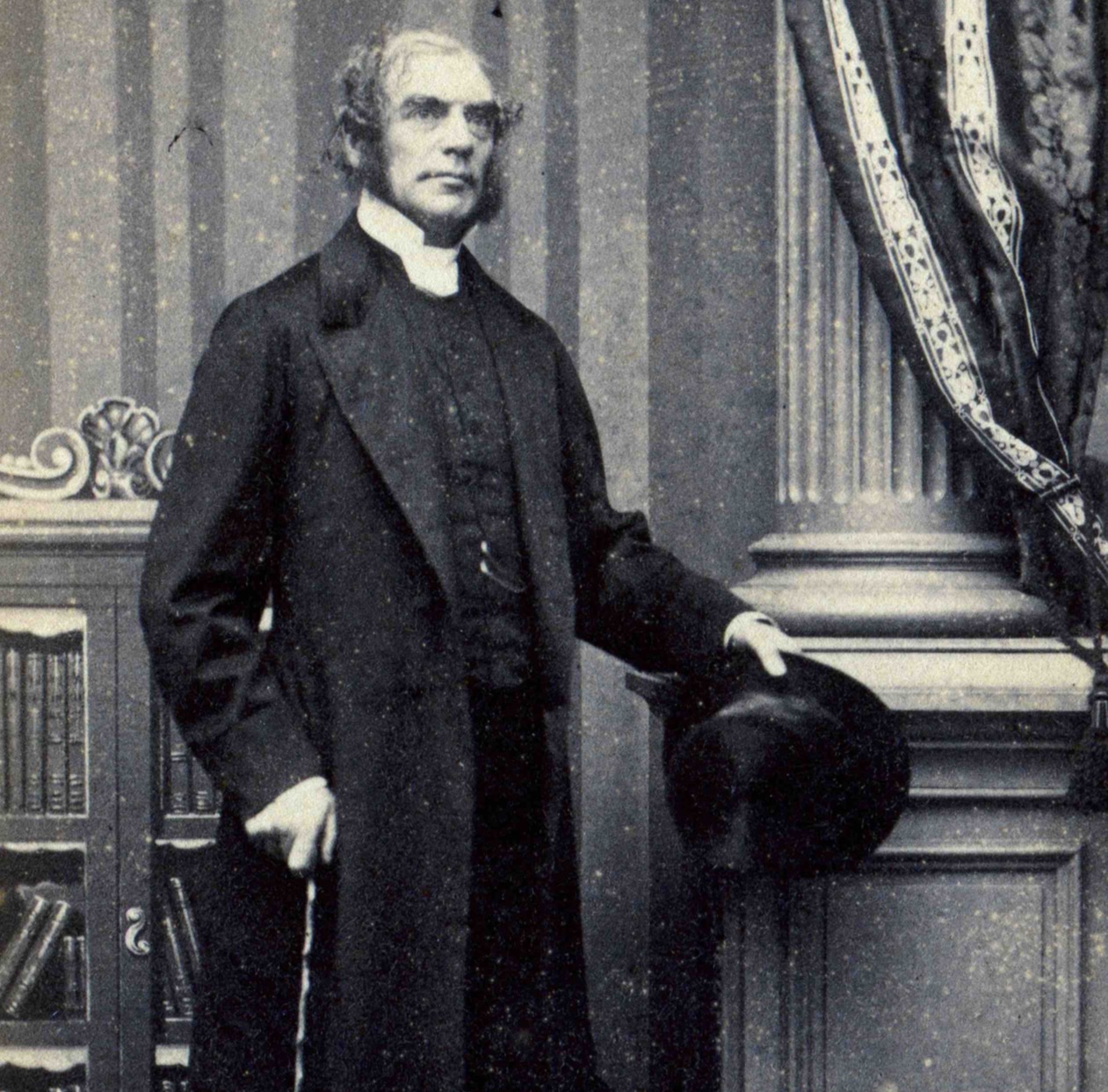
Bill Parker

Time and Judgment

Ecclesiastes 8:4-17
Bill Parker July, 18 2010 Audio
0 Comments
Bill Parker
Bill Parker July, 18 2010

Sermon Transcript

Auto-generated transcript • May contain errors

100%
No, I'm... nothing. C-c-c-continue to study the book
of E-e-e-e-e-e-e-e-e-e-e-e-e-e-e-e-e-e-e-e-e-e-e-e-e-e-e-e-e-e-e-e-e-e-e-e-e-e-e-e-e-e-e-e-e-e-e-e-e-e-e-e-e-e-e-e-e-e-e-e-e-e-e-e-e-e-e-e-e-e-e-e-e-e-e-e-e-e-e-e-e-e-e-e-e-e-e-e-e-e-e-e-e-e-e-e-e-e-e-e-e-e It's a short time of the whole
thing. It's about that, that, that,
that, it cleaves these three, there's a time and a purpose,
all, all, all things. God who works all things after
the counsel of his own will, and then especially in light
of us knowing that time is short, our time here on earth is very
short. Uh, when we're young, you know,
we don't see it that way, but as we grow older, we see how
short it really is. Just a speck in continuum. So living our lives in light
of that knowledge, that wisdom, that's what he's been talking
about in Part 3, Part 3, Part 3, Part 3, Part 3, Part 3, Part
3, Part 3, Part 3, Part 3, Part 3, Part 3, Part 3, Part 3, Part 3, Part 3, Part
3, Part 3, Part 3, Part 3, Part 3, Part 3, Part 3, Part 3, Part 3, Part
3, Part 3, Part 3, Part 3, Part 3, Part 3, Part 3, Part 3, Part
3, Part 3, Part 3, Part 3, Part 3, Part 3, Part 3, Part 3, Part 3, Part
3, Part 3, Part 3, Part 3, Part 3, Part 3, Part 3, Part 3, Part
These four things we all have in common. We all have a life
to live. We all have a death to die. We
all have a judgment to face. And we all have an eternity to
spend. You can mark it down. And so
we live our lives in light of that. And I've already gone through
the first part of this, but let's just re-read it. Verse 1 of chapter
8 of Ecclesiastes. He said, Who is as the wise man? Who is wise? He says, and who
knoweth the interpretation of a thing, the meaning of what
he's talking about, what all this means. to do in here, but just be honest,
you just can't keep in here, but that's the king, king, king.
Thus, the logic for these cross-offers is to m-m-m-m-m-m-m-m-m-m-m-m-m-m-m-m-m-m-m-m-m-m-m-m-m-m-m-m-m-m-m-m-m-m-m-m-m-m-m-m-m-m-m-m-m-m-m-m-m-m-m-m-m-m-m-m-m-m-m-m-m-m-m-m-m-m-m-m-m-m-m-m-m-m-m-m-m-m-m-m-m-m-m-m-m-m-m-m-m-m-m- They go in it, in it, in it,
in it, in it, in it, in it, in it, in it, in it, in it, in it,
in it, in it, in it, in it, in it, in it, in it, in it, in it, in it,
in it, in it, in it, in it, in it, in it, in it, The KKK amendment always began
with trusting in the Lord, and leaning not into our own understanding,
but unto Him, and trusting in Him for salvation by grace. You've
got to keep this within the framework of the KKK. The fact that none
of us are under our own hope of salvation is trust. unconditionally
and freely when we didn't deserve to be loved still don't deserve
to be loved But we follow him and obey him,
seek to obey him, because of grace, because of gratitude and
love. And that's keeping the King's
commandment. And he says in verse 2, "...and that in regard of
the oath of God." Now, most commentators will tell you that this is a
direct reference to Israel's oath and promise to follow King
Solomon. But you have to understand now,
the kings of Israel were to be types of the king of kings. They
were to lead the people in the way of God, in the way of grace. Now certainly, the book of Romans,
chapter 13 especially, but the whole Bible, instructs us to
follow and be obedient citizens to all civil authority, even
earthly kings. when their commandments and their
policies do not oppose or deny godliness. And so we are to obey
the King. There is wisdom there. But the
wisdom here is the wisdom of the King of Kings. He says in
verse 3, Be not hasty or quick to go out of his sight. We don't
have to run from God if we come to Him in Christ. You don't have
to be afraid of God. We fear Him, but not with a legal
fear. We fear Him with a reverence
and a respect. We read about that in Hebrews
chapter 4. Let us therefore fear. That means
revere God. That means to trust God. That
means to respect Him. That means to rely upon Him. To recognize who He really is. The sovereign God of this whole
universe. Who works all things after the
counsel of His own will. And who in his sovereign mercy
saves whom he will? He says, I'll be gracious to
whom I'll be gracious. I'll show mercy to whom I'll
show mercy. So then it's not of him that
willeth, nor of him that runneth, but of God that showeth mercy.
But he does show mercy. You say, well, will he show mercy
to me? He will if you go to the mercy
seat. And that's Christ and him crucified
and risen again. And so he says, don't be hasty
to go out of his sight. Stand not in an evil thing, evil
meaning anything that opposes the glory of God, for he doeth
whatsoever pleases him. Now, that's really the kind of
the foundation of this message tonight on time and judgment.
God does whatsoever pleases him. He's on the throne. There's nothing
out of place in God's purpose. We don't live in a world of chaos
in God's purpose and in God's mind. It may seem that way to
us. In fact, really, if you think about it, and I'm talking even
to believers, I want you to think about this. This world is not
an easy place for us to get our moral and spiritual bearings.
And basically, it's because we just can't figure it out. And
I'm talking about God's providence. the everyday workings of time
as we go throughout. And the heathen philosophers
can offer us no help. We have to get our wisdom from
God. Here's what the heathen philosophers say. One old atheistic
philosopher on his deathbed, he told him before he died, he
said, well, he said, of all my readings and studies and all
my seeking after wisdom and Philosophy, which means love of wisdom, he
said, I have come to see that I am sure of one thing. And they
said, what? He said, I'm sure that I can't
be sure of anything. One other, I've quoted this one
before, I can't remember who it was, but he said, one thing
I know, he said, I believe there is a God. And he said, I know
I ain't him. And that's so. But God's in control. The problem with seeking to understand
the workings of time and judgment without Christ, without the wisdom
of God, Christ who Himself is the wisdom of God, Christ who
is made of God unto us who believe, wisdom, righteousness, sanctification
and redemption. The problem with trying to figure
it out without Christ is that we're on our own groping in the
dark. It's like that psalm that Joe read there in Psalm 50. When
it says this in verse 21, it says, "...thou thoughtest that
I was altogether such in one as thyself." That's the way men
by nature think of God. But Solomon, the wise man here,
the seeker, he's saying just the opposite. He says here in
verse 3, he says, "...God doeth whatsoever pleaseth him." So
look at verse 4. He says, Where the word of a
king is, a real king now, not just some kind of a puppet king,
not just some kind of a figurehead, but where the word
of a king is, there is power. If he's a real king, he has power. Well, our king has all power.
In fact, the Bible calls him in 1 Corinthians 1, the very
power and the very wisdom of God. That's what Christ is to
His people. All power. I read this morning
in one of the Psalms, I believe it was, talking about God's right
arm, God's right hand. That's Christ. That's how God
saves a sinner in power according to His wisdom, how He can be
both a just God and a Savior, a righteous judge and a loving
Father. through the death, burial, resurrection
of Christ, his blood and his righteousness alone. To whom
is the arm of the Lord revealed? Isaiah asked. To whom is Christ
revealed? You could just as well say. And
here's how much authority there is with our sovereign King. Look at verse 4. And who may
say unto him, what doest thou? In other words, it's like this.
God's in the heavens, He's on the throne, and He is not answerable
to me and you. He's the Creator, we're the creature.
He's the potter, we're the clay. And so when we look at providence
and the everyday workings of time, we just can't figure it
out. You might as well forget it.
You're going to drive yourself crazy trying to figure it out.
Why did God do it this way and not that way? Why did God allow
this to happen and not that? These are the questions we ask.
And even going as far as saying, how could a good God let such
and such happen? People ask that question. You
remember the popular book, I think it was back in the 80s or somewhere
around in the 70s or 80s, you know, why do bad things happen
to good people? Now the problem is, the title
tells you that there's no wisdom there. Because the wisdom of
God tells us what? There's none righteous, no not
one. There's none good, no not one. Whatever man gets, as far
as judgment, as far as wrath and adversity, he's getting what
he deserves. And the only reason we don't get what we deserve
is because of the grace and mercy of God. That's what the Bible
says. Lamentations chapter 3, it's
of the Lord's mercies that we're not what? Consumed. I am the Lord, I change not,
therefore you sons of Jacob are not consumed. Malachi 3 and verse
6. The very next breath we take
is of the mercy of God. We don't deserve it and we didn't
earn it. So what do we do? We can't figure it out. Well,
that's exactly what we do according to the wisdom of God. Number
one, look to Christ for all salvation and all eternal deliverance.
Our only hope now and forever is the grace of God in Christ.
To trust Him and rest in Him. Trust in the living God and don't
lean to our own understanding of things, because without Him
we don't have any real understanding of things. Lean upon His Word. Follow His Word and trust His
Word and know that whatever He does, He does it according to
his will, according to his glory, and for the good of his people.
Think about this. Our expectations concerning people,
concerning the just and the unjust, many times we're confounded.
We see God's children, but we're still sinners. We still fail
miserably on so many ways and so many counts. We disappoint each other. We
disappoint ourselves. Do any of us deserve the blessings
of God? Absolutely not. Even as a sinner
saved by the grace of God for 30-some years, still don't deserve
the grace of God. That's what grace is. Grace is
always undeserved, now and forever. And even when we're aware of
sin and depravity, yet we still expect more, don't we? We expect
more. We expect it. We expect justice.
especially in our institutions of government, and when we don't
get it, we complain, don't we? And we should. Now, there's nothing
wrong with that. We should expect our institutions of government
to be just and right and fair. But here's the question that
Solomon is going to answer through these verses. How do we find
our bearings amidst all this confusion and all this mystery? Well, listen to what he says.
Verse 5, Whoso keepeth the commandment shall feel no evil thing, and
a wise man's heart discerneth both time and judgment. We may not be able to figure
it all out as far as the providence of God in this life. We may not
be able to know the wherefores and all the whys, but we know
this. We're to follow God. We're to
trust Him. We're to fear Him and to worship
Him. We're to run to Christ and stay in Him. We're to lay hold
of eternal life. We're to forget the things that
are behind and lay hold of eternal life, which is laid before us,
pressing forward, as Paul wrote in Philippians chapter 3, the
mark of the high calling in Christ Jesus, knowing that every moment
of time Even when we don't understand the workings of that moment,
we're headed for eternity in Christ. And we're certain for
heaven's glory in Him. He is our surety. That old fellow
who said, I'm sure of one thing, that we can't be sure of anything.
I'm going to tell you something. You can't be sure of anything
in yourself. And I can't be sure of anything
in myself. But I can be sure of Christ,
who is my surety. You see, assurance of eternal
life and glory is not in ourselves, it's in Christ. All the promises
of God are in Him, yea, and in Him, amen. And we, listen, we
may go through something tomorrow that we just may get so upset
over and we think it just puts a wrinkle in the fabric of the
universe. And why not? It's about me. And
certainly the universe revolves around me, doesn't it? Well,
no. But that's the way we think, especially when we get down in
the dumps, you see. But you see, God uses those things
to drive us to Himself and to His Word and to prayer. Look
into Christ, the author and the finisher of our faith. The King's Word here is powerful.
The king's word is right. His judgments are truth. He has
the last word. That's what he's saying here.
Who's going to say unto him, what are you doing? What do you
think you're doing? As if the king is answerable to me? Oh,
no. God taught Nebuchadnezzar that
in Daniel chapter 4, didn't he? Who can say unto him, what doest
thou? As if God is answerable to us. And here's the thing about
it. His word is the last word. No matter how we think of it
or how we react to it, it's not going to change a thing. Now,
it's not. I mean, you can go through it
smiling, you can go through it crying. It's not going to change
anything. You say, well, that's fatalism. Oh, no, it's not. Oh,
no, it's not. How do I know that? Because of
the wisdom of the king that he gives us in Christ. He says,
whoso keepeth the commandment shall feel no evil thing. Now,
we're going to go through things that are evil. But those evil
things will not separate us from the love of God in Christ. Those
evil things will not condemn us, for who shall lay anything
to the charge of God's elect? It's God that justifies. Who
can condemn us? It's Christ that died, yea, rather
it's risen again. It's impossible that we should
be separated from God's grace, God's mercy, and God's love in
Christ. Think about it. The wise man's
heart discerneth both time and judgment. Live in the light of
death. Death's coming. Live in the light of judgment.
God's going to judge this world in righteousness by that man
whom he hath ordained, and that he hath given assurance unto
all men, and that he hath raised him from the dead. Acts 17 and
verse 31. But now go on to verse 6 here.
He says in verse 6, he says, because to every purpose there
is time and judgment. God has ordained time for a purpose.
He's ordained judgment for a purpose. All time is controlled by God. And all judgment is ordained
by God. Therefore, the misery of man
is great upon him." What he's talking about here is you can't
figure it out, and I can't either. We have to go to God. We have
to bow to Him in order to understand anything of these things. Verse
7, "...for he knoweth not that which shall be." You don't know
what's coming tomorrow. Who can tell Him when it shall
be or how it shall be? We're just living day at a time.
Think of one day at a time. Isn't that what we say? We make
our plans, we think our thoughts, but only God has the last word
in all of it. He says in verse 8, there is
no man that hath power over the Spirit to retain the Spirit.
That word Spirit there is like the wind. You can't control the
wind. My neighbor knocked on our door
yesterday and he said, is your power out? And I said, no. And he said, well, ours is. And
I thought, thank the Lord. You know, that wasn't good. That
was bad for me to say that. But you know, last time ours
was out and his was on, wasn't it? So, you know, it all works
out, you know, in the fabric there. But the thing about it,
I can't control it. He couldn't control it. That
rain that came, that wind that came, and the Spirit of the earth
liked the breath. You can't control it. You can't
control when you're going to stop breathing, when you're going
to start breathing. There's no man that hath power
over the Spirit. He says, to retain the Spirit.
Look at it, verse 8. Neither hath he power in the
day of death, when that day comes, when God calls his people unto
himself. We've got no choice. He doesn't
come down here and say, well, would you like to go today? No. It's set. The hairs of your head
are numbered. There is a day appointed. And
he says, and there is no discharge in that war. In other words,
just giving up is not going to add one more day to your life
in that war. Neither shall wickedness deliver
those that are given to it. In other words, those who engage
themselves in their lives and their time in wickedness, that's
not going to deliver them from it. Now look at verse 9. He talked
about obeying the king here. What about wicked rulers? Think
about it. You know, I made this statement
last time. You know, Israel's king, beginning
really with David and Solomon, because they were the first kings
of Judah, that they were to lead the people in the ways of God. But most of Israel's kings were
wicked rulers. Well, what about that? Well,
look at verse 9. He says, all this have I seen and applied
my heart unto every work that is done under the sun, trying
to figure it out now. He says, there's a time wherein
one man ruleth over another to his own hurt. To his own hurt. And so he says, and so I saw
the wicked Barry, who had come and gone from the place of the
holy. I believe that's a direct reference to the tabernacle or
the temple. the wicked kings of Israel who
were religious, but they had no heart, no grace, no truth. They made a show of religion,
going to the temple to worship, but it was like the Lord said,
they draw nigh with their lips, but their heart is far from me.
And he says, they come and they go from the place of the holy.
And they were forgotten in the city where they had done so.
This is also vanity because sentence against an evil work is not executed
speedily, he says. But look up here, he says, they
come and go and they're forgotten in the city. Their wickedness
is forgotten. People forget easily. They forget these things of vanity. They forget these wicked rulers.
And what he means by that literally is they don't learn anything
from them. Think about it. The cycle goes on and on. Man
left to himself under the sun. It's just wickedness upon wickedness,
and that's all our times are. Wickedness upon wickedness. And
then verse 11, he says, because sentence against an evil work
is not executed speedily, therefore the heart of the sons of men
is fully set in them to do evil. And though a sinner do evil an
hundred times, and his days be prolonged, Yet surely I know
that it shall be well with them that fear God, which fear before
him. But it shall not be well with
the wicked, no matter how long he lives. Neither shall he prolong
his days, which are as a shadow, because he feareth not before
God." So he says in verse 14, there is a vanity which is done
upon the earth, that there be just men Now, what is a just
man in the Bible? It's a sinner saved by grace,
a righteous man made righteous in Christ, saved by the grace
of God, unto whom it happeneth according to the work of the
wicked. The wicked have their way with them. And then again,
there be wicked men to whom it happeneth according to the work
of the righteous. We've seen that in the scriptures.
We see it in life. Sometimes the wicked get exactly
what they deserve in this life, under the hands of God's people.
We saw that as we studied through the life of David in some ways. And he says, I said that this
is also vanity. What's he talking about? He means
he's saying this. He said, I can't figure it all out. I can't. There's
no set rule. Sometimes the wicked have their
way. Sometimes the righteous have their way. Most of the time,
the wicked have their way. But here's the point. When he
says it, he says, because sentence against an evil work is not executed
speedily. God does not immediately push
the sentence of wrath upon the wicked right away. You know why?
Well, turn to Romans chapter 9 with me. It's because God is
long-suffering. God suffers long. And this is
the issue here. We should not presume that because
judgment against all sin is not immediate, That judgment against
all sin is not certain. It is certain. And I tell you
what, we ought to thank God for His longsuffering. Think about it, how God held
back His wrath until the time of Christ, when the fullness
of the time came, and He sent His Son under the sentence of
the law, who was made the just for the unjust, who was guilty
by our sins charged to him, and he did not punish us under wrath. But even in the case of the wicked,
look at verse 22 of Romans chapter 9. He says, What if God, willing
to show his wrath, and to make his power known, endured with
much longsuffering the vessels of wrath, fitted or prepared
or made up to destruction. If God withholds judgment for
a time, that's to show His power and His long-suffering. And,
verse 23, that He might make known the riches of His glory
on the vessels of mercy which He had aforeprepared unto glory. You don't have to turn there,
but in 2 Peter chapter 3, that's one of the issues that was raised
in opposition to the truth of the second coming of Christ.
People would look around, unbelievers, and they'd say, well now you
say Christ is coming back to gather His people unto Himself,
His church, and He's coming back to do that, and He's coming back
to judge the wicked. He's going to bring judgment
on this world, this world, this wicked world is going to be destroyed.
He's going to make a new heavens and a new earth. But look around. Look how old the earth is. People
argue over that. And he said things, and they
said their objection was, well, things are going on just like
they've always gone on, and he hasn't come back yet. Has he
failed in his promise to come back again, or has he delayed
it? We don't have to worry about it. Well, Peter tells him in
2 Peter 3, he says, well, first of all, You're denying the obvious. This world has not gone on as
it always has. God did visit this world one
time, this whole world in judgment. It was called the flood. And
he destroyed this world with the flood. Saved eight souls,
Noah and his family. And it began again. Again with
the wickedness of man. Now, he's promised that he's
sending his son back in glory. to destroy this world, to judge
this world, and to gather His people. Has God failed to meet
that promise? No. No. Those who say that He
has are like those in Psalm 50. They think God's like them. It's
almost like the fowler who said, well, I wouldn't delay. I'd just
snuff them all out just like that. Problem is, what you don't
realize, fellas, you'd be one of them snuffed out. Because
that's what we all deserve. Christ taught that. When he raised
the issue of repentance, and he told him, you look at these
great disasters where wicked people got what they deserved. He mentioned two points of that,
I believe, in the book of Luke. He said, they got what they deserved. How should we look at that? Well,
we didn't deserve that, or God wouldn't. No, sir. He said, except
you likewise repent, you'll get what you deserve, too. You don't
deserve anything better. So what is he saying? God delayed
it? No. And Peter says this. He said,
count that the long suffering of God is salvation. God still has a people, folks.
And you know what he's doing right now? Like I said, now we
can't figure it all out here under the sun, but I'll tell
you exactly what God's doing. He's sending the gospel out to
his sheep, his lost sheep, and he's bringing them in all over
this world. Getting the gospel out to the
lost, and he's going to bring his sheep. He said, there are
other sheep that are not of this Jewish fold, them I also must
bring unto myself. And that's why we're here. That's
why we worship God. That's why we're on TV. That's
why we get the gospel out and taped and CD and literature and
all this. That's why we try to support
missionaries when we find gospel preaching missionaries who won't
compromise the truth in order to gain a following or get support. The long-suffering of God, as
long as this world's existing, you know, I mean, we might look
up and say, boy, you know, this world's so wicked today that
I don't know how God's going to allow it to... Listen, the
world's no more wicked today than it ever was. We just see
it more on TV. But let me tell you something,
as long as this world's existing, you can count it this way, God
still has some sheep out there yet to be brought into the fold.
And that's a glorious thing, isn't it? Well, look at verse
15 here. He says, Then I commended mirth.
That's merriment, happiness. Ecclesiastes 8.15. Because a
man hath no better thing under the sun than to eat and to drink
and to be merry. That sounds kind of strange,
doesn't it? But listen to the rest of it now. He says, "...for
that shall abide with him of his labor the days of his life,
which God giveth him unto the Son." Now, when Solomon says
that a man hath nothing better than to eat and to drink and
to be merry, he's not talking about some kind of unbridled,
rampant indulgence in sin and materialism and partying or anything
like that. He's not talking about in any
way a lack of faith and a lack of dedication to God and to His
Word and to the worship of God. He's not like the man in Luke
chapter 12 and verse 19 who wanted to build bigger barns, and he
said, eat, drink, and be merry, for tomorrow you're going to
die. That's not what he's saying at all. What he's saying is this. We can't figure it out. We live
day to day. And the only thing that's left
us in this day to day thing now is to enjoy our labors as the
gift of God. Nothing wrong with that. Live
a full and productive life in light of the glory of God and
the grace of God in Christ, even in the face of all the injustices
and the evil and the mysteries that surround us and plague us. Worship God. Use these things. Don't abuse them. But use them
in the glory and grace and honor of God. And follow him and trust
him. That's what he's saying. And
then he concludes this chapter this way. Look at verse 16. He
says, When I applied mine heart to know wisdom, and to see the
business that is done upon the earth. For also there is that
neither day nor night seeth sleep with his eyes. That's man trying
to figure it out. He says in verse 17, Then I beheld
all the work of God. All the work of God in time.
All the work of God in judgment. And our only hope in time and
in judgment is Christ. And so he says that a man cannot
find out the work that is done under the sun. Man can't figure
that one out. How I'm to spend my time and
to redeem my time and use my time wisely. How I'm to face
God in judgment when I'm a sinner who has no hope of salvation
in myself, not even in my best. And he says, because though a
man labor to seek it out, yet he shall not find it, not under
the sun. Yea, further, though a wise man
think to know it, yet shall he not be able to find it. He can't
do it. Well, where are you going to find it? Well, go to Romans
chapter 11. Now, last week I read in the
opening this passage. And remember what he said there
in Ecclesiastes 8, he said, Then I beheld all the work of God. That's what we need to be interested
in. God's work. Look at Romans chapter 11. And
look at verse 33. He says, O the depth of the riches
both of the wisdom and knowledge of God. Now that's where we find
it. Now how unsearchable are His
judgments and His ways past finding out? We've all said it. God works
in mysterious ways, and He does. For who hath known the mind of
the Lord? Or who hath been his counselor?
Did you advise God on any of these matters? No, none of us
did. Or who hath first given to him?
In other words, God's the first cause of all things. It's not
that God will give you something when you give him something.
Who hath first given to him? Nobody. God has all things in
himself. He gives out of himself, you
see. And so he says, Who hath first
given to him, and it shall be recompensed unto him again. God
doesn't bargain with us. He doesn't barter with us. So
here's the answer. Verse 36, For of him, and through
him, and to him are all things, to whom be glory forever. Amen. It's all about God. And the only
way you're going to understand anything about God is as He reveals
Himself to you in Christ and redemption and grace and salvation. Nothing else, you see, will do
the trick. Nothing will do it. Let me read again Psalm 131. This is how I opened up tonight's
message or service. And that's Psalm 131. What's
he talking about here? When he says, Lord, my heart
is not haughty. Now we all have pride and we
have to fight it. There's a warfare within each
and every one of us who know the Lord. Pride and humility,
pride of the flesh and the humility of the spirit, which is part
of the fruit of the spirit. But he says, my heart is not
haughty, nor mine eyes lofty. Neither do I exercise myself
in great matters or things too high for me. What's he talking
about? He says, I'm not trying to figure these things of time
and judgment in everyday life on my own. I can't figure them
out. I've just come to that conclusion. You know? I just can't do it. He says in verse 2, Surely I
behaved and quieted myself as a child that is weaned of his
mother. Now, you take that child. He's weaned of his mother. He's
not taking the mother's milk. But what does he know? What experience
does he have? He says, My soul is even as a
weaned child. I'm just like a child. that is
totally dependent upon his mother. So what's the answer to it all?
Verse 3, let Israel hope in the Lord. My hope is in the Lord.
My hope is in Christ. My hope at time is in Christ. My hope in judgment is in Christ
from henceforth and forever. And that's the answer. That's
the only thing we can figure out because God reveals it to
his people. That's the wisdom and power of
God in time and in judgment. Let's sing hymn number...
Bill Parker
About Bill Parker
Bill Parker grew up in Kentucky and first heard the Gospel under the preaching of Henry Mahan. He has been preaching the Gospel of God's free and sovereign grace in Christ for over thirty years. After being the pastor of Eager Ave. Grace Church in Albany, Ga. for over 18 years, he accepted a call to preach at Thirteenth Street Baptist Church in Ashland, KY. He was the pastor there for over 11 years and now has returned to pastor at Eager Avenue Grace Church in Albany, GA

Comments

0 / 2000 characters
Comments are moderated before appearing.

Be the first to comment!

Joshua

Joshua

Shall we play a game? Ask me about articles, sermons, or theology from our library. I can also help you navigate the site.