Bootstrap
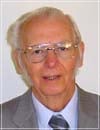
Bill McDaniel

The Sufficiency of the Scripture

2 Timothy 3:16
Bill McDaniel July, 19 2009 Audio
0 Comments

Sermon Transcript

Auto-generated transcript • May contain errors

100%
Our Father, we stand before You
this evening in awe of what shall be read out of Your Word. Lord,
we stand persuaded, confident, sure that these are indeed not
the words of men, but the inspired Word of God. And as we look upon
that subject this evening, we pray that You may give us a holy
satisfaction with the Scripture as our guide, our comfort, our
stay, our direction, our instruction. We ask, Lord, that we may stand
upon it, come what may. We ask that You give us faith
that we might say the Word of God above all, Scripture only. May we have that confidence in
Your blessed Word. For we ask it in the name of
Christ, who is the Word incarnate, Amen. All right, 2 Timothy chapter
3, 16 and 17, which will get us started on our way. The subject
again is the sufficiency of Scripture as a guide to the church, to
the saints, and such like. Here Paul writes, all Scripture
is given by inspiration of God and is profitable for doctrine
for reproof, for correction, for instruction in righteousness,
that the man of God may be perfect, throughly furnished unto all
good works." Now again, my subject, the sufficiency of the Word of
God or of the Scripture. This morning we looked at the
sufficiency of the one death of Christ to put away our sin,
to save us, to justify us, and to be all that we need in that
light before our God. Now we come to see that the Scripture,
the Word of God, the Bible, is indeed adequate and sufficient
as a guide, and that we need never go outside of the Holy
Scripture for our counsel, our instruction in spiritual matters. I would like to begin by reading
the proposition as contained in a writing from the Puritan
Thomas Manton, and I'll share that to get us going. Quote,
the Scripture is a sufficient rule of Christian faith containing
a record of all necessary Christian doctrines without any supplement
or unwritten tradition and is sufficient for the deciding of
all controversies." Now, we need not go outside of the scripture,
therefore. We need not go beyond the scripture. in order to decide any matter
pertaining to God, or salvation, or Christ, or the church, or
creation, or morals, or the construction of the family, or ethics, or
heaven, or hell, or sin, or any of those matters, we are fully
instructed on them in the Holy Scripture. In such matters, therefore,
we need not seek the help of science or psychology or psychiatry
or Dr. Phil. We need not learn from
the men of our age the things we need to know about the spiritual
matters in our life. I thought it was very interesting
in John Gill's Large Body of Divinity how he laid out that
body of divinity in things concerning God and scriptural and spiritual
matters. Chapter 1 of his body of divinity
is on the being of God, and Gill rightly calls that the foundation
of all religion. God Himself, His being and His
person, His will and purpose is the foundation of all religion. In the second chapter of Gil's
Body of Divinity, it is entitled the Holy Scripture. And the reason
for this particular order, Scripture after God, is because he said
everything that we will say about God, everything that we will
teach about God, everything that is said about worship or salvation
or religion, will be based upon the Scripture, the Word of God. So we need to establish it that
it is indeed credible and sufficient. For the Scripture being divinely
inspired, as our text has declared, in fact it is said there in the
Greek that it is God-breathed. All Scripture is God-breathed. And because of that, They are
profitable for doctrine, for reproof, for correction, for
instruction in righteousness. There in 2 Timothy 3 and verse
16, and especially did Paul add this, that the man of God might
be thoroughly, perfectly furnished for the work of the ministry. The man of God hath all that
he need when he is grounded in the Word of the Lord. Because
the Scripture is fitted, it is adequate, it is complete to equip
the work of the ministry so that we need not go outside of the
sacred Scripture to carry on the ministry. Now let it be understood
that by the Scriptures we refer to the settled canon of both
the Old and the New Testament as the Scripture. In other words,
the 39 books of the Old Testament and the 27 books of the New Testament,
making 66 books which are the inspired Word of God, and we
believe they are a closed revelation. that Scripture has been closed
and that nothing else shall be added or inspired, but we reject
that sort of books called the Apocrypha. We reject them as
being divinely inspired. This is a collection of some
fourteen books not considered worthy of inclusion into the
sacred Scripture, though at times they have been bound up with
the versions of the Scripture, as Gill put it, to the great
scandal and disgrace of the Holy Scripture. Because they, what
we call apocryphor, are regarded as spurious, not accepted as
genuine like the others are, not considered legitimate, not
considered inspired, being of doubtful authenticity and dubious
authority. We therefore do not consider
them to have a rightful place among the canon of the Scripture. And then you might ask, as a
man asked me one time, Why are we so adamant against these writings
being included in our Bible? Well, there are a couple of reasons
why, and I said to this man, number one, we don't find Christ,
we don't find the apostles, and we don't find the authors of
the New Testament quoting from them or citing them, as proof
texts and such like are speaking of their being fulfilled when
they refer to those matters. Sometimes the heathen poets are
quoted by the authors of the New Testament, but not the apocryphal
books that are included in some version of the Bible. Secondly,
we know that some have used particular passages from the apocryphal
writing to justify such things as praying for the dead, and
as proof of purgatory, and other strange things that they have
espoused as their doctrine. On the other hand, neither do
we consider other writings, such as the Book of Mormon, as being
divinely inspired, nor any commentary, as good as they might be, to
be on a par or equal with the Scripture. Even the soundest
author does not write without error as did those who gave us
our Scripture. And another thing, the written
Scriptures are the final revelation from God unto His churches. They are the final revelation
that God will make. There will be no other. As long
as the world stands, And as long as the age lasts, the Word of
God will stand in its truth. It will never be revoked. It
will never be replaced as the infallible guide to the church. Fashions and customs may come
and go. Styles may alter. Populations
may shift from one place to the other. Civilizations entire may
vanish. Laws may change. Social moors
may swing back and forth. The attitudes of the people that
live may change greatly. Churches may change their tactics
and adapt to the times in which they live. But the word of the
Lord will not change in that forever. And it will be sufficient
for all time because of that, to make the elect wise unto salvation. to direct the Lord's people,
to guide the churches in the manner of the ministry, to provide
our doctrine for us that we ought to believe and to teach. I like
what the psalmist wrote, Psalms 119 and verse 89, Forever, O
Lord, thy word is settled in the heaven. The word settled
is from a root word that means to settle, or to stand firm and
unmovable. God's Word is both indestructible
and it is immutable. It cannot be destroyed and it
cannot be changed. Isaiah chapter 40 and verse 8,
the grass withers, the flowers fade. The Word of God shall stand
forever. His will, His purpose, His decree
is settled and will abide through the ages. Matthew 24, 35, Heaven
and earth shall pass away. Or more literally, we might render
it, the words of me in no wise shall pass away. Heaven and earth
will, but my word shall in no wise. But we especially assist
that the written Word of God is the very inspired Word of
God, that the Scriptures are indeed the Word of God, inspired
in such a way as if God had spoken them aloud, or if God Himself
had written them with His own finger as He did the law on Moses'
tablets of stone in Exodus 31 and 18. God neither spoke the words of
Scripture in an oral voice, nor wrote them with His own finger,
nor caused them magically to appear in a book somewhere. Instead,
He gave them by divine inspiration, using human instruments under
the control of the Spirit, so that not just the bare subject,
or the skeleton of the Word of God were given, but the very
words themselves, verbally plenary, were inspired by God. I think this is foundational
for us. What else are we to do if this
is not so? That the Scriptures are God breathed,
that they who wrote them were under the infallible control
and direction of the Holy Spirit. You know, one great objection
that is often raised against the Scripture, more perhaps than
any other, is this one. Well, you know, the Bible was
written by men. Men wrote after our book, I've
had them to say unto me. The insinuation is, this being
the case, there must be errors and there must be contradiction
and human opinions that are included in the Scripture since men did
the writing. But inspiration. Inspiration
signifies the influence of the Holy Spirit in the origination
of the sacred Scripture by which they are indeed to be regarded
as God breathed and the Word of God. Deny this, and you are
adrift in a murky sea where everyone believes as they would, everyone
believing that which they would in their own sight, except that
the Scripture is the very Word of God inspired, and you stand
upon a solid and a firm foundation for the Christian life. Now,
two things have happened that have had a great impact upon
the churches and the people of God. Number one was the completion
of the New Testament canon of the Scripture. The committing
of God's Word to writing. when those epistles were put
to writing, and then gathered together in the canon of the
Scripture. And the second thing is, the
end of the apostolic era, and the death of those who accompanied
with Christ, who were eyewitnesses of Him and His Majesty, and could
preach and give eyewitnesses account of the work and the words
of our Lord. so that the written word of God
became the foremost way of knowing the mind of the Lord. Once Christ
taught personally, after that the apostles from place to place,
but then they began to write to the various churches. Now
time came when God had so ordered His providence that the way has
been narrowed. that He has in time past trusted
to His people a single way, and that is the written Word of God. We no longer have prophets. We no longer have apostles among
us. Now, I know there are a lot claiming
they are on TV and radio and such like, apostles so-and-so
and a prophet of God, but I say we no longer have prophets and
apostles among us, nor do we have the Lord's Christ in person
to teach us personally upon the earth. But we do have a sufficient
and reliable witness, and that is the written Word of our God. It is necessary that God in some
way make known or reveal His mind and His Word unto His people
that they may know it and be obedient. And that is by the
Word of God committed unto writing. We have the Scripture of old
as stated in Hebrews 1, 1 and 2. God spoke to the fathers in
time past in different ways and at sundry times. Dreams and visions
and spoken oracles and inspired prophets by angelic messages
and even at times an oral voice of God out of heaven spake to
them, or to the servant of God. This was in time past, the author
of Hebrews said. And then, He spoke through His
Son. God, who in time past spoke by
the prophet, different ways in different times, have in these
last days spoken unto us by His Son, and He adds this, who is
the image and the likeness of the Father. He has spoken to
the people of God. Generations have passed, and
his ministry to the apostles was carried in their ministry
in a two-fold way. And one was they traveled among
the churches, preaching here and there the things of God,
teaching the doctrines that they had learned from Christ. and
been guided into by the Holy Spirit. In other words, giving
oral instruction to the churches and to the people of God. B,
something else they did is they wrote letters, or epistles as
we call them in our Bible, unto the churches. They directed them
to the particular churches. They directed them to the pastor.
They wrote to the saints scattered abroad. which are gathered now,
these epistles, into the New Testament, making up what we
know as the canon of Scripture, or the written Word of God. When God had sent His Son, who
revealed the Father, Methinks that Manton got it right when
he wrote, quote, When God sent His Son to reveal Him, then the
extraordinary was ceased, for speaking in Christ God did close
up the extraordinary revelation. We're shut up now to the written
testimony of God, and they are sufficient absolutely, lacking
nothing needful to guide us. The Scriptures are in every way
sufficient to settle us in the truth of the Christian religion
and worship, and the truth as it is in Jesus Christ. The commentator
who wrote, The end whereof God gave forth His Word by inspiration
was that it might be stable, infallible revelation of His
mind and of His will." That's to the people of God. Now, the
Scriptures have their credibility because they are inspired by
the Holy Spirit, because they are God-breathed. If they were
simply the letters and the writings of men, their credibility would
vanish. But their credibility stands
upon the fact that they are God-breathed. They are inspired by the Spirit
of God. They are extraordinarily produced,
not simply men sitting down and writing what they thought. Those
who are not satisfied with the written Word, those who want
to go beyond it or outside of it, those who will not confess
that the Scriptures are infallible and are sufficient. I believe
the same person could hear Christ and would not believe Him as
well. The traditions of men, they have
put on an equal with the Scripture, some have. For example, one of
the largest denominations puts traditions on the same footing
exactly with Scripture and say that all things that God wants
us to know are not written in the Scripture. Therefore, it
is the same kind of sin, they say, to deny tradition as it
is to deny the Scripture. And they even speak of traditions
that are handed down but are considered the unwritten Word
of God. Christ spoke in condemnation
of such as reject the commandments of God for the traditions of
men. Matthew 15, 8 and 9, He said,
This people draw nigh to me with their mouth, and honoureth me
with their lips, but their heart is far from me. Their lips speak
great swelling words of vanity. They make great pretense at religious
and piousity. They engage in formalistic worship. They pray. They fast. And such
things as that. But in two ways have they set
aside the Word of God. Number one, in Matthew 15 and
verse 2, in keeping the traditions of the elders. That is, the things
handed down from them, from those that went before them. You know,
this is a very easy thing to do. You come into church, you
see them doing a certain thing, you figure Paul probably did
it. You know, wherever we catch on what they're doing, we think
that's always been the practices of the churches, but it's not
necessarily so. But then secondly, in Matthew
15 and verse 9, in vain they worship Me, teaching for doctrine
the commandments of men. That is, making doctrine of man-made
commandments or ordinances. receiving the words of men and
putting them on an equal, or in place of, the Word of God. There were the twin sins of the
Jewish scribes and the Pharisees that we have just mentioned.
Setting aside the Word of God, going outside of it, and putting
it a long place of all the traditions of the elders that went before
them. Charles Spurgeon wrote, and I'm
quoting, Religion based upon human authority is worthless."
All of us could say amen to that. Something very interesting in
the early verses of Matthew chapter 15, if we were to look there,
where the Pharisees asked the question of the Lord, why do
your disciples transgress the tradition of the elders They
don't wash their hands before they eat. The Lord answered them
with a question of His own. Why do you also transgress the
commandment of God by your tradition? They prefer human tradition to
the Word of God. Spurgeon set forth some questions
on the passage in Matthew chapter 15 in his little commentary on
Matthew such as, What is a human tradition in comparison to a
divine commandment? How in the world will we elevate
a human tradition alongside of a divine commandment? And which
to choose when human tradition comes in conflict with a divine
commandment? Which one to receive? Which one
to rest upon? Which one to seek our answer?
The traditions of men or the divine commandment? And finally,
Spurgeon asks, what is an elder or a scribe in comparison to
the Lord. These have come down from the
elders before them, but the Word of the Lord has come from Him
Himself. The strange thing about these
passages condemning tradition, how many preach against the Pharisees'
love of tradition? We hear them preach against it
all the time, who do not even realize that they are doing the
same thing in their own churches, except maybe the traditions are
of a different sort now than then. The result being the truth
of God's Word is buried under unscriptural traditions that
men have allowed to creep in. So let us emphasize that the
Scriptures are the only external revelation to guide the churches
infallibly in their teaching. In the order of governing the
churches, the Scriptures are paramount. In the qualifications
of the pastor and the officers of the church, the Scripture
is infallible. What is to be taught is contained
here in the infallible Word. And most assuredly believed among
us, all doctrine is to be based upon a very clear, thus saith
the Lord." All doctrine must be based upon that. Let us not
forget two things that Scripture has at the heart of it. What is the heart and soul of
the Scripture? It's God and Christ. They are the main subject and
object of the Holy Oracle. all revolve around them. Now
this is not just like the Holy Spirit who inspired the very
Scripture, but any sinner who finds himself a sinner and wishes
to be saved must deal with the Father and the Lord Jesus Christ
concerning salvation. And then be that the main thrust
of the Scripture is that salvation is wrought out in and through
Christ. The main message of the Word
of God is that salvation is in Christ. First in promise and
preparation under the old covenant, then appearing and manifest under
the new in the appearing of the Son in flesh. It is declared
that the Scriptures which we call the Old Testament spoke
of the Messiah. Those who cannot find Christ
in the Old Testament have very dim and limited sight indeed. Such as many Jews today now claim
that they can't find Christ in those passages in the Old Testament. The Lord Himself said, John 5
and 39, to a very hostile band of Jews, that understanding of
Scripture will cause one to see Christ. that following the Scripture,
they will discover Christ, that all Scriptures eventually lead
and come unto Christ. For the verse says this, search
the Scripture, and the expectations are divided over whether the
words are in the imperative or in the indicative, whether he's
saying to them, You do search the Scriptures, or you should
search the Scriptures. But what He says unto them is
that they speak of Me. Search the Scriptures, for they
are they that testify of Me. They give testimony of Me. They bear witness of Me. Of course,
the Lord was speaking of the Old Testament Scriptures for
such were in use by the Jews in the time of our Lord's ministry. And these Scriptures were read
every Sabbath day in the synagogues throughout Jura. In John 5 and
46, he said, Moses wrote of me. To the two on the Emmaus road
in Luke 24, 27, beginning at Moses and all the prophets, He
expounded in the Scripture all the things concerning Himself. And in verse 44, He spoke of
the things concerning Himself which were written in the Law
of Moses and the Prophets and the Psalms. In all those places
there are writings of our Lord. In Acts 8 and verse 35, Philip
preached Jesus to the Ethiopian unit using Isaiah 53 as his text. In Acts 17, 1-3, in a synagogue
in Thessalonica, Paul reasoned with them out of the scripture,
that is, out of the Old Testament scripture, showing that the sufferings
and death and resurrection of Jesus fulfilled their Old Testament
scripture, declaring, Jesus whom I preach unto you is Christ. In Acts 18 and verse 28, Apollos
came into Achaia mightily, quote, mightily convinced, powerfully
refuted the Jews, disarmed all their arguments publicly, showing
by the Scripture that Jesus is the Christ, unquote. Taking the
Old Testament Scripture place after place after place, showing
Christ to them out of the Old Testament Scripture. Now concerning
Apollos, we read in Acts 18, verse 24 and verse 25. If there had been time, we would
have read that, but you can read it at your own leisure. But again
in Acts 28, 23, Paul is in Rome. He is there now a prisoner under
house arrest. And by the providence of God,
he's not cast in the prison with the lowlife that were there,
but is given his own hired house and a soldier to guard him. And
the Jews are able to come to him so that he is able to teach
them. So here's what he did. Quote,
"...persuading them concerning Jesus, both out of Moses and
the prophet, and all three from the Old Testament confirming
the words of Jesus, they are they that testify of Me. Paul used the Old Testament and
preached to those Jews the Lord Jesus Christ. Now we have the
New Testament. It tells of the incarnation,
of the mighty works, the death, the burial, the resurrection,
the ascension of the Lord. They are, as Luke said, of His
Gospel in Acts 1.1, a record of all that Jesus began to teach
and to do. The Scriptures are sufficient
to guide us to preach the Gospel, the Word of God unto man, to
enlighten the child of God, to declare the way of salvation,
to teach the great doctrines of the grace of God, the attributes
of God, the person and the work of Christ, are clearly there.
They are divinely inspired. They will not lead us into error,
but into truth, or away from God, or away from Christ. They
contain a perfect, infallible record of all that God would
reveal unto us in this life. It is found in the Scripture. The Scriptures are not to be
kept from the people, as some do, as if saints are incapable
of learning them. And their leaders say to them,
leave the Scripture to us. You cannot understand them. They
are not to be left in a language that the people are not cognizant
of and cannot read and understand. Hear a quote from John Gill. The Scriptures, he said, relate
to all things necessary to salvation. Everything that ought to be believed
and done. and are a perfect standard of
faith and practice," the words of John Gill. So I would ask
us this question this evening. Do we believe the Scripture? Do we take the Scripture to be
the Word of God? All sufficient, all we need to
know is here for us. We need no other revelation given
unto us in any way. And some of these con-orders
and religious charlatans that are around today trying to con
people into believing that Jesus stood at their bed the other
night, or that an angel came, or that they went up into heaven,
are liars and deceivers. The Word of the Lord is our infallible
guide. It is sufficient for all that
we need to know and all that we need to preach. The Scriptures
stand as the all-sufficient revelation of God unto us in this time and
age. Thank God, and as they say, Scripture
only, some authors have said. Thank God, Scripture only. All right, let's bow our heads,
please, for a word of prayer.

Comments

0 / 2000 characters
Comments are moderated before appearing.

Be the first to comment!

Joshua

Joshua

Shall we play a game? Ask me about articles, sermons, or theology from our library. I can also help you navigate the site.