Bootstrap
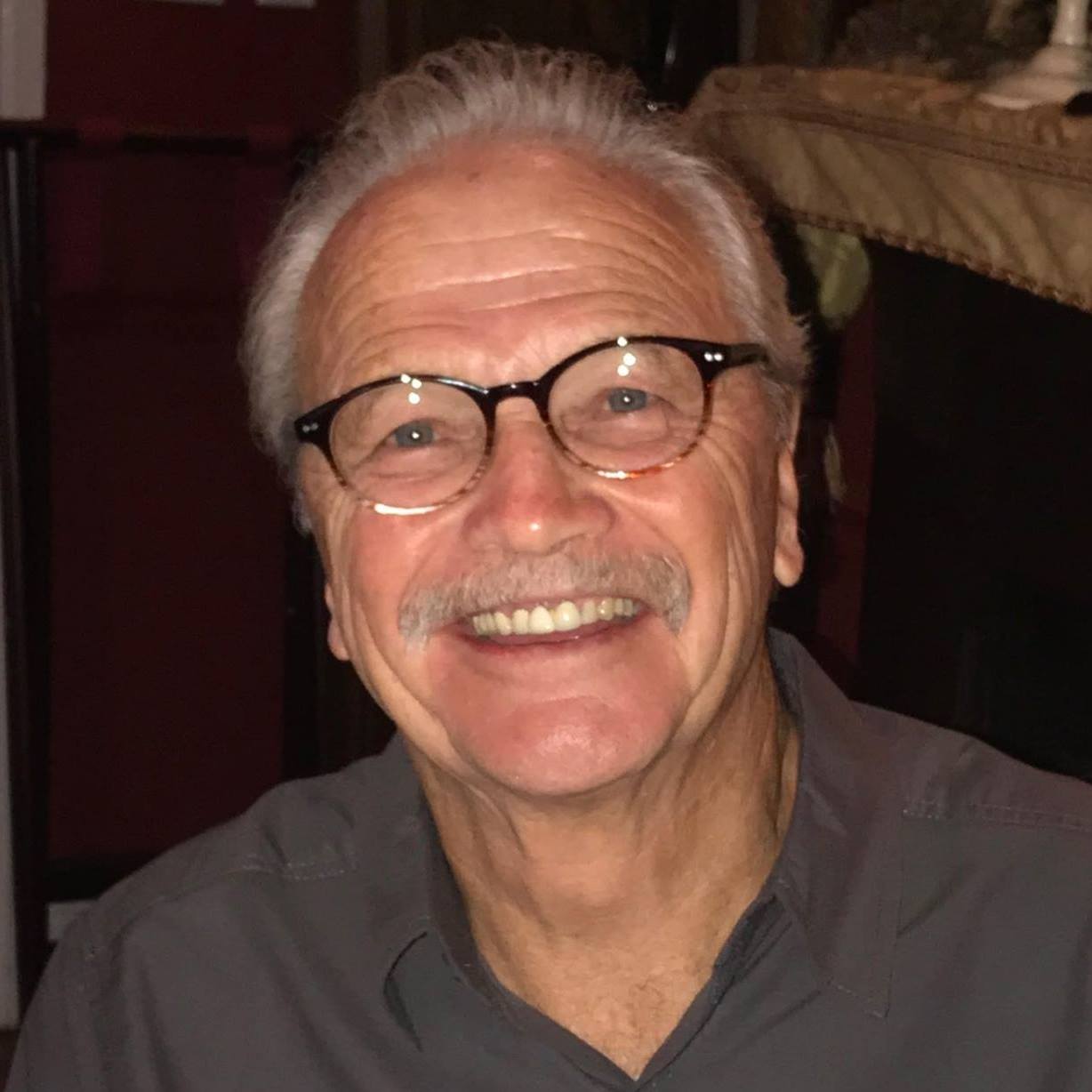
Donnie Bell

"Contention, Circumcision, and Conversion"

Acts 15:36-16:15
Donnie Bell May, 31 2023 Video & Audio
0 Comments

In the sermon titled "Contention, Circumcision, and Conversion," Don Bell addresses the theological significance of grace versus works in salvation as illustrated in Acts 15:36-16:15. The key argument centers on the contention between Paul and Barnabas regarding the necessity of circumcision for salvation, ultimately revealing that salvation is through the grace of Jesus Christ alone, not by adherence to the Law of Moses (Acts 15:11). The preacher points out how the apostles affirm this truth in their letter to the Gentile believers, leading to joy among the churches when they realize they are not bound to the Law (Acts 15:30-31). He emphasizes the importance of doctrinal clarity within the church and highlights the roles of Paul and Timothy in the foundational work of church establishment, underscoring the necessity for grace-driven ministry that is responsive to God’s guidance (Acts 16:6-10). The practical implications of this sermon speak to the importance of faithfulness among believers and being hospitable in recognizing God's work in others' lives.

Key Quotes

“MEN ARE SAVED THROUGH THE GRACE OF THE LORD JESUS CHRIST, NOT BY CIRCUMCISION, NOT BY LAW-KEEPING.”

“They were establishing the churches in the faith, and I tell you, that doesn't happen overnight.”

“If you're faithful to the Lord, if you judge me faithful, then you will be faithful in everything else in your life.”

“The Lord opened her heart, and she attended to the things which were spoken of Paul.”

Sermon Transcript

Auto-generated transcript • May contain errors

100%
Good evening. Let's stand together.
We'll sing hymn number 497. 497. I can read my title clear to
mansions in the skies I'll bid farewell to every fear and wipe
my weeping eyes And wipe my weeping eyes and wipe my weeping eyes. Sounded farewell to every fear
and wipe my weeping eyes. Should earth against my soul
engage and fiery darts be hurled, And I can smile at Satan's rage
And face a frowning world And face a frowning world And face
a frowning world I can smile at Satan's rage and face a frowning
world. Let cares like a wild deluge
come and storms of sorrow fall. May I but safely reach my home,
my God, my heaven, my all. My God, my heaven, my all. My God, my heaven, my all. May I but safely reach my home,
my God, my heaven, my all. There shall I bathe my weary
soul In seas of heavenly rest But a wave of trouble rolled
across my peaceful breast Across my peaceful breast Across my
peaceful breast Be seated. We'll sing hymn number 118. Number 118. When I survey the wondrous cross,
On which the Prince of Glory died, My richest gain I count
but loss, And pour contempt on all my Bye. ♪ Forbid it, Lord, that I should
close ♪ ♪ Save in the death of Christ my God ♪ ♪ All the vain
things that charm me most ♪ ♪ I sacrifice Him to His blood ♪ See from his
head, his hands, his feet Sorrow and love flow mingled down Did
e'er such love and sorrow meet Poor George Camposso, bridge
aground. ♪ Were the whole realm of nature
mine ♪ ♪ That were a present far too small ♪ ♪ Love so amazing,
so divine ♪ ♪ Demands my soul, my life, my all ♪ You'll look with me in Acts 15,
pick up where we left last week, and I'm going to go down through
the first 15 verses of chapter 16 also. Acts chapter 15, verse 36. And some days after Paul said
unto Barnabas, Let us go again and visit our brethren in every
city where we have preached the word of the Lord, and see how
they do. And Barnabas determined to take with him John, whose
surname was Mark. But Paul thought not good to
take him with them, who departed from them when Pamphylia, and
went not with them to the work. And the contention was so sharp
between them that they departed asunder, one from the other. And so Barnabas took Mark and
sailed into Cyprus. And Paul chose Silas and departed,
being recommended by the grace of God. And he went through Syria
and Cilicia, confirming the churches." Our blessed, blessed, blessed
God and Father, Our Lord, our Master, our Savior, our Redeemer,
our all in all. Oh, Lord, we're so grateful you're
our Master, you're our Lord, you're our Savior, and we thank
you for all of those things. Lord, you've done everything
that needs to be done to save weak, helpless people, sinners
like ourselves, We're not able to save ourselves and certainly
ain't able to keep ourselves. But Lord, we trust you. We know
whom we've believed. And so we look to you again tonight
as we do every day, every morning, all through the day and through
the night. Lord, we look unto you. We look to you for everything,
for all of our blessings, for all of our strength, our encouragement,
our upliftings, And so Lord, meet with us tonight, if it would
please you to do so. Meet with us, enable me to speak,
enable the saints to hear. And Lord, for those who are not
with us through weakness of body, please bless them, strengthen
them, encourage them. For those who are traveling,
please give them traveling mercies. Do them as you do Job, put a
hedge around them and protect them and preserve them. And Lord,
bring glory to yourself. Whatever's said or done tonight,
let it be done for Christ's glory and your glory and the good of
your dear saints. And Lord Jesus, please be mindful,
merciful, and gracious and pitiful towards our lost loved ones who
ask these things in our Lord Jesus' name. Amen. Amen. Hymn number 71. 71. Blessed, blessed day of rest
and cheer, Day divine to us so dear, Joining here in prayer and song
Now the week of toil is o'er And in peace we sit once more
In thy presence gracious Lord Waiting for thy holy word Lord our God, we seek Thy face,
Bless us with sustaining grace. May Thy heralds everywhere Faithfully
Thy truth declare. ♪ The mighty word holds swaying
♪ Over all our hearts today ♪ Come, green souls, good shepherd, feed
♪ Into pastures green us lead ♪ May, O Lord, the day be near
♪ When we pass from trials here to thine eternal rest in the
mansions of the blessed. I've titled my message this evening,
our study, CONTENTION, CIRCUMCISION, AND CONVERSION. You remember that they had a
meeting, they were at Antioch, and some brethren came, some
Jews came up there and told the folks that they couldn't be saved
unless they were circumcised and kept the Law of Moses. Barnabas and Paul wouldn't put
up with that. They wouldn't allow that. They just wouldn't allow
that. And it got pretty rowdy there and got pretty contentious.
So they all decided we'll go down to Jerusalem, take this
to the apostles down there and the church down there and see
what they got to say about it. Well, they come to the conclusion
that MEN ARE SAVED THROUGH THE GRACE OF THE LORD JESUS CHRIST,
NOT BY CIRCUMCISION, NOT BY LAW-KEEPING, NOT BY MOSES OR ANYBODY ELSE,
THAT EVERYTHING WAS DONE, AND DONE FOR THE LORD JESUS CHRIST.
THEY WROTE A LETTER FOR THE GENTILES, SO EVERYBODY THAT'S A GENTILE,
IF YOU'RE NOT A JEW YOU'RE A GENTILE. And so they wrote a letter, and
they started out taking that letter to different places and
see how the folks would do. You remember there in verse 30,
and when they all got back down to Antioch after they left Jerusalem,
went back down to Antioch, or up to Antioch, so when they were
dismissed they came to Antioch, and when they had gathered the
multitude together and delivered the epistle, the message that
had been written for them, which when they read, they rejoiced
for the consolation. They rejoiced because they didn't
have to keep the law, didn't have to be circumcised, didn't
have to have anything to do with Moses and all of his rituals
and Sabbath days and holy days and feast days and all the things
and dietary requirements that the Jews had to have. But now
there was, they stayed down there in Antioch for quite a while,
some of the men went back, but it says in verse 34, Notwithstanding
it pleased Silas to abide there still. And Paul and Barnabas
continued in Antioch, stayed there. Now this is Antioch in
Pisidia, in Syria, preaching the word of the Lord, And there's
a lot of other preachers there, I said, with many other preachers.
That means that there's other folks there preaching and teaching
besides Paul and Barnabas and Silas. And some days after, it
said here we want to visit the brethren. Paul said, Let's go
again and visit our brethren. Visit our brethren. Boy, I'd
like to do that. I'd like to take a spell and, you know, Every
Wednesday night go here, and Sunday morning go there, and
Sunday night go there, and go visit all the brethren that I
know. I could start way up in the northeast and go all the
way down the coast, and then I could go across the south,
go across the middle of the country, and then go across the northern
part of the country and go from east to west, and that would
be a blessing, it really would. But anyway, it says that they
said, Let s go visit again our brethren. And that s what he
called them, brethren. That s what they call one another,
brothers. They s brethren. And he goes
on to say, And visit our brethren every city, every where we ve
ever went, where we have preached the word of the Lord. He said,
Let s go back where we ve preached the gospel. Let s go back where
we ve preached the word. Let s go back to where these
people were converted, and God blessed us to preach. And he
says this in verse 36, let's go see how they're doing. Let's
go see if they're growing. Let's go see how God's blessing
them. Let's go see what's going on
in their lives. Let's go see what's going on with them. And
oh boy, and then Barnabas in verse 37, he determined they
was getting ready to leave. They getting ready to leave and
they was fixing to go and start visiting the brethren. Barnabas
determined to take with him John, whose surname was Mark. Now this
John, whose surname was Mark, was Barnabas' nephew, and they
had went with him one before, and Barnabas was close to him,
and Paul didn't like him, Paul didn't trust him, Paul didn't
think much about him, and that's what happens here. And Paul thought,
he said in verse 34, Paul thought, Well, it's not good, this is
not a good thing. It's just not a good thing to
take them with him, because he departed from them in Pampylia
and went not to the work. Now you keep Acts 15, and look
over here in Acts 13 and verse 13. You know, John Mark went with
them to the work. They were starting out preaching. Paul and Barnabas was, and so
they took John to be their minister, and to be with them and minister
with them, and to go to the work with them. And now in verse 13,
Now when Paul and his company loosed from Pampas, and came
to Perga and Pamphylia, and John departed from them, returned
to Jerusalem. And Paul didn t like that. He
said, Well, you know, when a fella decides that he's gonna go with
us, and he's gonna be a minister to us, and learn something about
God, and learn something about the gospel, learn something about
the grace of God, he said he goes with us for just a couple
of places, he decides this is too tough, and he goes back to
the house. He goes back. And Paul said,
oh my, and he said, and look in verse 39, And the contention
was so sharp between them that they departed asunder, one from
the other. And so Barnabas took Mark and
sailed to Cyprus. Now I tell you, this is the contention,
the argument. The feelings were so sharp and
so deep. And now listen, let me tell you,
these men are brethren. They had traveled together for
days and weeks and been all over together. Barnabas is the first
one who took Paul and introduced him to the apostles. They were
afraid of him and he had learned Paul and he had took Saul and
Saul of Tarsus and took him and introduced him to the apostles.
So these men were close men. They loved one another. They
loved one another. And but it all happened over
John Mark, and John Mark is the one who wrote the book of Mark.
Paul didn't want him to go, and they got so upset with one another
that they decided to, you go your way and I'll go mine. Now how in the world does this
happen between brethren, men that travel so well? and enjoyed
one another so much, and enjoyed preaching the gospel together.
And Barnabas went back to Cyprus, that's where he's from, and he
took John Mark with him. Paul said, he's not going with
me, he's done letting me down one time, and I don't, if a fella
quits the ministry, he's out as far as I'm concerned. That's
what Paul felt about it. But oh, they got in such a shock,
they said, well, they departed asunder. They departed asunder. You know, when Barnabas and Paul
started first, they started way back over there in chapter 9.
That s where from 9 to chapter 16, they were together, and they
separated. They separated, departed asunder,
and I tell you what, that s one of the grievousest things you
ll ever go through is to have contention so bad between people. and that they can t get over
it, and they just won t deal with it anymore. And I tell you
what, I ve had that happen a couple of times in my life, and it s
a very, very, very hard thing to deal with. I remember years
and years ago, a dear, dear brother, he decided that I wasn t preaching
the gospel, and then Then he decided he wanted
to leave his wife. And it kept me, I stayed awake,
I lost so much sleep over that, I got so much depressed over
it. And we went for years, never talked to one another, never
saw one another. And now after all these years,
we've become friends again, and enjoy one another's fellowship
again, and hug one another again when we see one another. and
enjoy one another's company. But I tell you that these divisions
can get deep and they can get, but anyway, they separated. And I tell you something, you
never hear from Barnabas ever again. Barnabas, you never hear
from him again. And they sailed to Cyprus and
Paul looked at old Silas and he said, Silas, let's me and
you go back to visit the brethren. said, You come with me, and look
what it says about them in verse 40, being recommended by the
brethren, those brethren in Antioch being recommended by the brethren,
and I love this, under the grace of God. What they done was said,
Lord, These men are going out. These men are gonna go preach.
These men have hazarded their life for Christ. And they said,
Lord, we commend them to your grace. We commend them, Lord,
that you preserve them, you keep them, you saved them by grace,
you're keeping them by grace, and now we, by the grace of God,
we say, Lord, go with them. Go with them, go with them. And
oh my. And let me tell you something.
about Paul, and I believe you might remember this when we was
going through Timothy, that Paul, as he got to be much older, and
he was getting ready, he was already in prison, getting ready
to die, and he said, Tell Mark, And another man, he said, you
tell them, Timothy, you tell Mark to come and bring me my
books, bring me my cloak, and come, said, but he'll be profitable
to me for the ministry. So him and Mark, evidently somewhere
down the line, John Mark became, Paul became very, very close
to John Mark and said, he's profitable to me for the ministry. So this
is a long time after this. and then they were recommended
by the grace of God, and then it says, you know, they were
confirming the churches, and confirming the churches, verse
41, you remember that confirming means to establish, it means
to strengthen, it means to settle them down and make them strong
and establish them in the faith. Now, So that's the contention. Now look what happens here in
verse chapter 16. So they first came to Derbe. You remember, they started at
Derbe and Lystra. And then they got down there,
and when they got down there, behold, a certain disciple was
there named Timotheus. A certain disciple. The son of a certain woman, which
was a Jew, and she was a believer, but his father was a Greek. And
it says there in verse 2, which was well reported of by the brethren,
were Elistra and Iconium. It's the first thing I want you
to know about. It says that when they got down there, they murdered
a certain disciple, and this man's disciple, his name was
Timothy, Timotheus, and I tell you, he ended up calling him
his son in the faith. A certain disciple, that means
that he was a believer. He trusted Christ, he KNEW Christ,
he BELIEVED Christ, he TRUSTED Christ, and then he was a son
of a certain woman, and that certain woman was a Jew, a Jew. And how in the world did Timothy
become a believer? How did he become a believer?
Well, let's go on down here for a minute. And then everybody
talked about him, what a fine young man he was, how strong
he was, and his mother was, and how deep and how he trusted Christ. And Paul said, I would like for
you to go with me. John Mark can t go, but I met
a young man, and I want him to go with me. And took and circumcised
him because of the Jews which were in those quarters, for they
knew all that his father was a Greek. So he s going to either
go Gentile way or the Jewish way. So since if he s going to
go with Paul, he s got to be circumcised as a Jew because
his mother was a Jew. But how in the world did Timothy
become a believer? Now, you keep Acts 16. Look with
me over here in 2 Timothy. Look in 2 Timothy with me. Go over here in 2 Timothy. Look what it says in chapter
1. How did he become a believer? How did he become a believer?
How did he become a disciple? How did God save him? How did
this happen? Well, Paul says here, first of
all, he said in verse 2, to Timothy, my dearly beloved son. Oh, he
called him his son. Oh, he loved him. He loved Timothy. Grace, mercy, and peace from
God the Father and Christ Jesus our Lord. I thank God, whom I
serve from my forefathers with pure conscience, that without
ceasing, there's not a day that goes by that I have remembrance
of thee, and you're in my prayers when I pray and die, and you're
in my prayers when I pray a day. And he said, listen, I greatly
desire to see you. I wanna see you. I was mindful
of your tears the last time we saw one another. And I've longed
to see you that I may be filled with joy. Now listen to this
now. When I call to remembrance the unfamed faith that is in
thee, that means his faith was not put on, it was real, it wasn
t a false thing, it wasn t a put-on thing, it had something more
to do with just his intellect, and he goes on to say, Which
I call to remembrance the unfamed faith which is in thee, which
dwelt, now listen to this, which dwelt first in your grandmother
Lois. Your granny was a believer, Your granny trusted Christ, your
granny knew Christ. And then over there called her
a Jewess, here he calls her name. And your mother Eunice, oh my,
and I am persuaded that in thee also. That's how he said it. He said from a child that have
known the Holy Scriptures that are able to make thee strong
in the faith of Christ, and they were well reported of it. It
says there in verse 2 that folks really thought highly of him,
thought highly of him. Go with me now, Timothy, go with
me. And he circumcised him there
in verse 3, and why did he circumcise him? You know they had this contention
over circumcision, whether Gentiles should or not. Well, Paul, because
his mother was a Jew, and he was going to travel with him,
that he wanted him to be circumcised because the Jews would know that
his mother was a Jew, and he wanted him to come under circumcised according to the
covenant, because he was considered a Jew. And I tell you, but then
because of the Jews that were there, Now Titus, Titus was one
of Paul s brothers and sons in the faith too, right after II
Timothy. Titus was, but he was a Greek,
he was a Gentile. Paul never circumcised him because
he was a Gentile. He wasn t a Jew, didn t have
no Jew blood in him at all. Paul said he was a full-blooded
Jew. Timothy was a half-Jew. And Paul didn't, I'll tell you
what, he wanted him in the faith and he didn't circumcise Titus
because he's a Gentile. And I'll tell you, Paul didn't
compromise when he done this. And I want you to see this. Now
you keep Acts 16. Look with me over at 1 Corinthians
9. I want you to see this over here
about how Paul dealt with people. And he was, Paul's not a compromise.
He didn't compromise here when he come down there about this
business of circumcision. And I tell you, he didn't compromise.
He truly became all things to all men. Look what it says here
in 1 Corinthians 9 and verse 20. And under the Jews, I became
as a Jew. that I might gain the Jews. What
he's saying is, when I was around Jews and their laws and their
rituals and their dietary laws and all that, I knew exactly
where they was coming from. I knew how to talk to them. I
knew how to tell, you know, tell so from the Scriptures that they
were wrong. So when he was around Jews, he
understood a Jew. He understood everything they
thought and believed and trusted in. So he would become a Jew
and to argue with them and show them and teach them that this
is not the way to go. And then look what else he said.
And to them that are under the law is under the law. He said,
I've been under the law. I know what the law is like.
I know what a bondage it is. I know what a curse it is to
be under. I know what it is that if you
don't continue in it, then you're under the curse. So you see,
that I might GAIN them that are under the law. So he became,
wherever he was at, if he was with a bunch of Jews, he could
TALK with them Jews! I know EXACTLY where you're coming
from! I was there! I was in the same condition you're
in! And with this law, it didn't
make any difference. And then he goes on to say in
verse 21, to them that are without law, And that's people like us. We were NEVER under the law,
not the CEREMONIAL law like he's talking about here. But he says,
as without law, he said, I was FREE from the law, free from
it. I mean, I stand fast in the liberty
where Christ has made me free. But he says, But I'm not without
law to God. I'm under bondage to God Almighty,
and He's bond-slave. THAT I MIGHT GAIN THEM THAT ARE
WITHOUT THE LAW, THAT I MIGHT GAIN THEM THAT DON'T KNOW ANYTHING
ABOUT THE RITUALS AND THINGS THERE. AND HE SAID, YOU WANT
TO COME TO THE WEAK PEOPLE? HE SAID, I MEET A LOT OF FOLKS
THAT ARE VERY, VERY WEAK. THEY'RE WEAK IN FAITH, THEY'RE
WEAK IN UNDERSTANDING, THEY'RE WEAK IN THE SCRIPTURES. They're
weak, they stumble around. He said, you think you're weak? Oh, if you understood how weak
I am. He said, if it wasn't for the
grace of God, I wouldn't be able to make it. He said, my strength
is made perfect in Christ's grace that I might gain the weak. And
he said, I made all things to all that I might by all means
save some. He understood men, and He understood
how to talk to them. He understood how to talk to
them. And so He continued in the work. Now look back up here
in verse 14 and 5, and we go on down through here and deal
with this. And as they went through the cities, in verse 4, they
delivered them the decrees, or the letter that they had to keep,
that they were ordained to the apostles and elders which were
at Jerusalem. They gave them the letter. And
so were the churches established in the faith. Oh, a church established
in the faith! I tell you what, there s a fellow
that I thank the world of, God has taught him the Gospel and
will continue to teach him. And I tell you what, I've been
where he's at right now, and boy, when a church is established
in the faith, do you know what it means to be established in
the faith? That you can get up and you can preach free grace,
sovereign grace, you can preach man's inability, man's hopelessness,
you can preach Christ and all of His glory and all of His power
and all of His majesty, All of these, as the only mediator between
God and man, you can preach the whole gospel, every aspect of
Christ. You know why? People established
in the faith. And I tell you, that don't happen
overnight. That don't happen overnight. Oh my. And the churches
established in the faith, and I tell you what, they just kept
increasing in number. So now we re going to talk about,
that was the circumcision, we had the contention, now we re
going to have this call, this call, this conversion. And they
were come, in verse 6, they had gone through Phrygia and the
region of Galatia, they re up in Galatia now, and were forbidden
of the Holy Ghost to preach the Word in Asia. Now, Asia at that
time was just north north of Galatia, and there they called
it Asia. It s not Asia now, but that s what they called it then.
You ought to get through these maps in here and see where these
things are when Paul was preaching in places, and see what these
places are. But anyway, don t you go, don
t you go to Asia and passing by Myasia, they came down to
Troas, and they was going to go to Myasia, and the Spirit
said, Don t go. They wouldn t allow them to go.
They said, I don t want you to go, no, I don t want you to go
to Asia, I don t want you to go to Myasia. So they come down to Troas. Well,
one day, as a vision appeared to Paul in the night, and there stood a man of Macedonia,
and prayed him, saying, Come over into Macedonia, and help
us. And after he had seen the vision, immediately we endeavored
to go into Macedonia, Macedonia is in Greece, and assuredly gathering
that the Lord had called us to preach the gospel unto them.
Now you know it says here in verse 6 and 7, The Holy Ghost
forbid them to go to Asia, would not allow them to go in my Asia.
God doesn't always want the gospel to go everywhere. In fact, he
said, I don't want the gospel over there. Right now, I don't
want you to go there and preach. I don't want you to preach over
there. You think about that. God said, I don't want nobody
over there preaching. You think about God saying, listen,
I'm not gonna send the gospel over there. I'm not gonna send
the gospel over there. Forbidden, forbidden. Spirit
wouldn't allow him to go. But they had an open door, and
it was to Macedonia. Come over and help us. You know
how many songs there are about the Macedonian call? How many
sermons have been preached about the, and pleas have been used
to the Macedonian call? And what people do, that is,
is that they want people to go out and start winning souls.
That's what that's all about. Have you heard the Macedonian
call? Well, you know, there was a difference in this Macedonian
call. There was a man who said, ìWeíre in need over here. Come
over and help us.î They didnít say that in Asia. They said that
in Macedonia. ìWe need HELP over here. Weíre
needy people. We canít do nothing. Come over
and help us. Weíre in need over here.î And
I tell you, these people had a NEED. reading some stuff today, and
there is countries now, if they catch you with a Bible, you're
going to prison, whether you're 5 years old or 50 years old.
And then there's this group that's interpreting the Bible into Chinese,
Nepalese, different languages, and sending out Bibles, and really,
really sending a lot into China. But now I don't know how good
that's going to last, but I do know this, I do know this, that
if God opens a door, He'll provide the means to go through that
door. And here goes Paul and them, they go in that vision,
and it says, and they went immediately, got up the next day and IMMEDIATELY
said, We've got to get to Macedonia, we've got to get to Macedonia.
Let me tell you what they didn't do, and I've seen folks do this
so many times. They didn't go and say, well,
we need to go visit the churches and raise some money. We can't
go out on the mission field. We can't go preach unless we've
got some support. We've got to go raise some money.
We've got to have some money. We can't go out here and preach
without money. And there's folks, you know, they go to churches
here, yonder, and everywhere, trying their best to round up
enough money so they can say, well, we'll go to the mission
field when we can take care of it. Oh, no. They were sure they had called
the priests of the gospel unto them, and that's what it says
in verse 10, Assuredly gathering that the LORD had called us for
to priest the gospel unto them. I remember a fellow, and I won't
call his name, and he'd been here three or four times, but anyway,
he wanted to go somewhere off in another country to preach
the gospel, to go to Europe to preach. He waited over, you know,
a year, eighteen months. I'm going to go. But he was out
all the time trying to raise money. And I said, if you go,
if you go, God will provide for you. If he's in it, he'll provide
for you. And he finally decided, I better go. I'm going to go.
Whether I got any help or not, and sure enough, he went and
they helped come in. Walter Groover had five kids,
took off to Mexico in an old Volkswagen bus, and headed to
Mexico with five kids. And there was lots of times that,
I mean, if he got $20 for the month or $25 for the month, they
thought, boy, that's flying high. He'd all go to the mailbox hoping
there'd be some money in there, hoping there'd be some money
in there. And his father-in-law told him,
he said, you, I can't believe that you'd cheat your children
the way you're going to treat them. Take them to a foreign
country. Take them somewhere in a pagan place? He hated it
because he took his grandkids down there. But every one of
those children speak Spanish. Every one of those kids grew
up well and strong and gracious people, and the grandkids grew
up to be believers. And Walter, nobody was used greater
of missionary, greaterly used than Walter Groover. His son
Cody went down there and stayed down there 27 years before he
died. But what I'm telling you is that they did not run around
all over the country begging for money. They said, God called
me to Mexico and I'm going. He had saved up a little money,
worked in a steel mill, saved up a little money, and away they
went. And he said they picked the, them kids tell me they would
laugh about it. They said, we would have to,
you know, when we had sugar or rice or anything like that, you
know, they'd be plump, full of ants. He said, well, we cooked
it anyway, because we'd just give us more protein. I mean,
you know, that's the way they lived. They didn't whine. They
didn't complain. They didn't talk about how bad
life was. They were blessed. They had a father that went and
preached the gospel, had 20 something, had all kinds of churches down
there when the Lord called him home. And oh, listen, that's
why these fellas said, listen, come over here. Paul said, we're
on our way. We're coming. We're coming. And oh my. And look what it said
down here in verse 12. I got to hurry. Look what it
said down here in verse 12. And from this to Philippi, which
is the chief city of that part of Macedonia, and a colony, when
it talks about a colony, a colony of Jews. And we're in that city
abiding certain days. Now let me tell you something
I seen just the other day. Got some good friends, used to
live, it's, Chuck and his wife, they was
over in Greece, you know, they work in Germany now, but they
was over in Greece, and they went
to Thessalonica, and they went to Philippi, and there she told
a whole big thing about Philippi, because Philippi was where Paul
was put in jail. Philippi was where he got You
know, they had an earthquake and got him out. So here in Philippi,
she said that in Philippi, all they got is just this thing there,
and a bunch, just a few ruins laying around. But they tell
everything that happened there, where the gospel started there,
and how the gospel was preached, and all the things that happened.
Philippi, I mean, they was in Philippi, and there they was,
all they saw was ruins. But they know the Bible, you
know, Chuck and his wife, they know the scriptures. They know
the scriptures and they understood. They know the gospel. They went
to Maurice's. First time I met him down in Houston, down at
Milton Howard's. And I said, no those folks for
years. And they went to Philippi. And that's where Paul started
preaching. And look what it says in verse
13. God gave him an open door. Oh my. And on the Sabbath day,
We went out of the city, left Philippi, and went down by the
riverside. Went down by the riverside. And we went down there because
that's where people gathered to pray. They gathered there
to pray. And we sat down. Now, you think
about this. I'm going to sit down and preach
to you. That's what Paul did. There's a bunch of people sitting
there, and a bunch of women sitting there, and Paul and Silas just,
he said, well, we sit down, And there was women gathered around
there, and spake unto women that was there. And they went down there to pray.
And a certain woman, oh God, and here's certain women. Oh, a certain woman, oh boy. Named Lydia, cold as her day. She was a seller of purple. Purple
was really, really very expensive. You had to dye it. It had to
be done a certain way. And of the city of Thyatira. She lived someplace else. She'd
come down to Philippi to work, which worshiped God, heard us,
whose heart the Lord opened, that she attended unto the things
which were spoken. And oh my, they got to Philippi.
And oh, what a strange place to have a prayer meeting. Down
by the river. There's a prayer meeting going
on down yonder. There's a bunch of women down there praying.
Paul said, listen, Silas, let's go down there. Got down there
and he sat down with them. And they start talking to him,
start preaching. They named this one woman. And
it already told us, you know, that she worshiped God. She was
a Jew. She worshiped God, the one true
and living God. And look what it says next though,
she heard us. She heard what we had to say. That means, hear heard us means
that I understand what they're saying, I get it. Or they heard
us, they heard the gospel, they heard what we had to say. And
look what happens, when she heard, faith cometh by hearing, what
happened? Whose heart the Lord opened. Oh, wasn't no knockin' there,
was there? Wasn't no bang, bang, bang, bang,
let me in. No, no. And oh my, listen to
that. The Lord opened her heart, and
look what it says. And she attended unto the things
which were spoken of Paul. She started really payin' attention.
God opened her, she started listenin' to Him. God opened her heart,
and she really started listenin' in. Oh my. Ah, what a wonderful thing! Spake
unto the women. Then look at this conversion.
She was converted there. God opened her heart. She attended
the things that Paul was speaking. And look what happens now. You
know, here s the thing, she was a working woman. She was a wealthy
woman. She was a seller of purple, so
she was there working. She was no doubt a wealthy woman,
and she was a working woman. And she worshiped God, the Lord
opened her heart, she attended the things that were spoken,
and then look at her confession in verse 15. And when she was
baptized, when she confessed, when she said she was a believer,
she confessed, the Lord opened her heart, immediately she went
and got baptized. And everybody in her household,
I don't know how many, I don't know her husband or children
or grandchildren, I don't know, And she besought us, she asked
us, me and Silas, she besought us saying, if you have judged
me to be faithful to the Lord, come into my house and abide
there. She is baptized. And look what she says now, if
you judge me faithful. That's a good question to ask.
Do you judge me faithful? She said, do you judge me faithful?
Do you judge me faithful to what you preach? Have you judged me
faithful to the Lord? Have you judged me faithful to
the things that God's given me? Have you judged me faithful?
I think that to me, to me, to me, I'm just as, this is me.
I think the most blessed, blessed attribute that a believer can
have or be told about is they are faithful. They are faithful. There's not many people faithful. They're faithful to themselves,
faithful to their job, faithful to a lot of things, but faithful
to the Lord. She said, if you judge me, faithful
to the Lord. If we're gonna be faithful anywhere,
let's be faithful there. And I'll tell you this, if a
person's got faithfulness in the Lord, you know what they'll
be? They'll be faithful in everything else in life. If they're faithful
in the Lord, Faithful to the Lord, they'll be faithful in
everything else in their life. I believe that. I'm gonna say
it again. If you're faithful to the Lord,
if you judge me faithful, and I tell you what, everybody
that's faithful to the Lord, oh, what a recommendation, what
a commendation, they'll be faithful in everything else. All right,
and then look, not only that, but she says, she was so hospitable,
lover of hospitality. She said, come into my house.
I want you to come home with me. And listen to this, and stay
there. I want you, listen, I got some
bedrooms. I got plenty of room. I want
you to come to my house, and I want you to stay there for
a while. Paul and them, they said, oh boy, oh boy. And look
what it says. And she constrained us. She would
not quit until they come. She said, Oh my. So you imagine,
here's this woman, got converted, the Lord opened her house, and
the next thing you know, the Apostle Paul's in her house. Oh, it'd be a privilege to have
an Apostle in your house and be able to cook for them and
take care of them. Oh my, what a blessing. Well,
I hope that was an encouragement to you. Our Father, oh Lord,
our God, how blessedly holy and gracious and kind and pitiful
you are. Oh, you love your people in a
wondrous, wondrous way. You bless our hearts together
in the word, encourage us in the word, and there's so much
to us to learn from your word. Oh, Paul's faithfulness, and
Lydia's faithfulness, and her hospitality, and oh Lord, you've opened our hearts,
and she opened her home, she opened her hand, and God bless,
let us be that way. Let us be the kind of people
that's hospitable, lovers of hospitality, praying for one
another. being mindful of one another,
encouraging one another. And Lord, thank you for your
word tonight. Thank you, oh blessed be your name. Thank you for it.
Amen, amen. ♪ I'm learning to lead ♪ ♪ Learning
to lead ♪ ♪ I'm learning to lead ♪ on Jesus. Finding more power than I've
ever known. I'm learning to live on Jesus. See you Sunday, God willing.
Good night and God bless you. Oh, ladies, lunch is Friday. Yeah, Friday.
Donnie Bell
About Donnie Bell
Donnie Bell is the current pastor of Lantana Grace Church in Crossville, TN.
Broadcaster:

Comments

0 / 2000 characters
Comments are moderated before appearing.

Be the first to comment!

Joshua

Joshua

Shall we play a game? Ask me about articles, sermons, or theology from our library. I can also help you navigate the site.