Bootstrap
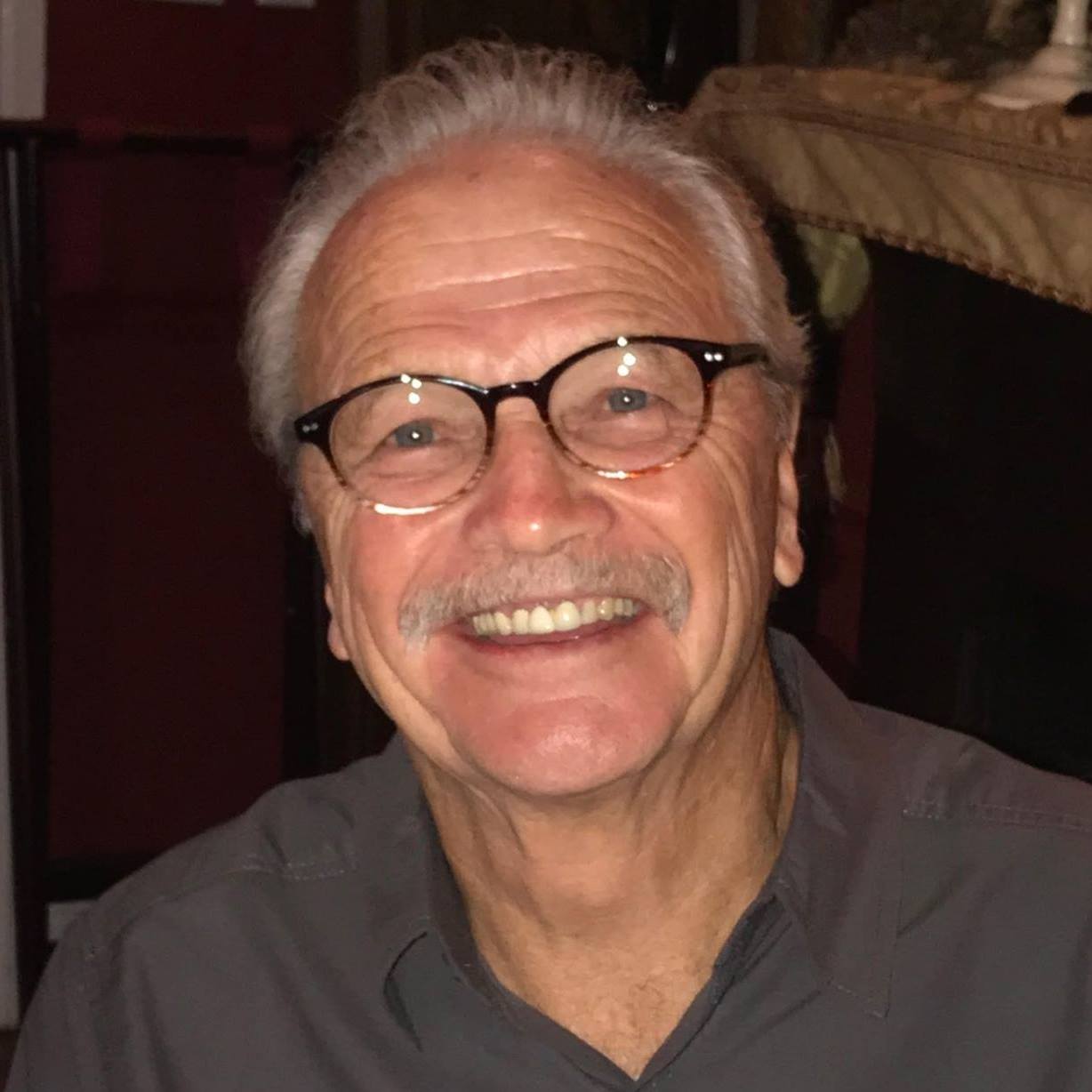
Donnie Bell

David the merciful

1 Samuel 24:5-16
Donnie Bell August, 28 2019 Audio
0 Comments
David as a type of Christ was merciful and tenderhearted.

Sermon Transcript

Auto-generated transcript • May contain errors

100%
Back with me here in 1 Samuel 24. Subject tonight is
David the merciful. Last week we talked about how
David gave good for evil. That's exactly what Saul said
down in verse 17. And he said to David, thou art
more righteous than I, for thou hast rewarded me good, whereas
I have rewarded thee evil." So I tell you, even this man knew
that. And here's Saul, the king of Israel, the first king of
Israel. They said they wanted a king
like all the other nations. and it troubled Samuel, and Samuel
told, and the Lord said, Samuel, they've not rejected me, or you,
they've rejected me. They've rejected my rule. They'd
rather have a man as me. They'd rather have a man, and
so they went out and chose themselves a king. Well, I tell you what,
everything that he did was awful. He was a very wicked, wicked
man. And he pursued David. Oh, how he pursued after David.
And he catches him in a cave, and he didn't even know he was
in that cave, but he got him. And here Saul comes to the complete
mercy of David, the man whose life he sought. And David, his
men told him, said, Arise and kill him. Here's your enemy right
here. Kill him. Kill him right now. Get this over and done with.
Let's kill this man. Let's just be done with it. Go
ahead and get your throne. And he will not be hunted anymore.
But look what it says in verse 5. You know David arose and cut
off the skirt of Saul's robe privately. He slept in there
by himself. He had a robe and he cut him
off a piece of robe off of it. And it came to pass afterward
that David's heart smote him because he had cut off Saul's
skirt. David had a tender, tender conscience. A tender conscience. And it came
to pass that David's heart smote him. His heart smote him, that
means that he repented. He was sorry for what he had
done. And you know he said at the beginning it looked like
this was the right thing to do, was to kill Saul. And his men
encouraged him to kill him. And why is he sorry now and repenting
that he cut off his skirt? Cut off something, a skirt off
the end of his robe. Well he tells us because it was
an act against the king. the king, offensive to the one
of his dignity of his office, regardless of his character.
God himself said in 1 Peter chapter 2, he says this, he says, fear
God and honor the king. And then over in 1 Timothy, he
says, let us give prayer for the king and all that's in authority
that we may live lives peaceably according to the will of God.
So pray for all people in authority and in power. Because there's
lots of places where men and women like you and I can't worship
the way we're doing tonight. You can't do it in India. You can't do it in China. You can't do it in Russia. There's
places where you can't meet like us. So I tell you what, to give
thanks to God and pray to God that we're able to live peaceably
and worship peaceably and gather like this and no danger of anybody
coming in and stopping us. And so he said, you know, pray.
And you know, Paul and Jude said this, that they were men who
was not afraid to speak evil of dignities. And the dignities
they were talking about was God's people. the preachers and things
like that. That's what the dignities that
he is talking about. He didn't care to speak against
Paul, didn't care to speak against Peter and that. They were men
of old ordained to that condemnation. But his heart smote him. His
heart smote him. What a tender heart he must have
had. What a tender conscience he must
have had. And the reason being because
he'd cut off his skirt. And God blessed David with a
tender conscience. You know, you turn over with
me to 2 Samuel chapter 24. You keep this one over here where
we're at. Look in 2 Samuel 24. Look what
it says here about David. Look what it says about David
in chapter 24 and verse 10. You know, I remember as a young
believer, I had a very, very tender conscience. All of my
had a tender conscience. But now, don't anymore, sometimes
I feel like I ain't even got one. You know, when you're young,
everything is just so tender hearted, so tender conscience,
that everything just seemed like it was a sin. And then as we
get older, I don't know if our conscience Maybe it's because
we've learned the gospel, and we've found out what we really
have in Christ, and that we know that God has all accepted us
completely, and we're perfect in Christ, we're holy in Christ,
we're accepted in the Beloved, and God don't remember our sins
against us again. So maybe that's what it is. I
don't know, but I know God gave David a tender, tender conscience. And look what he said here in
verse 10. 2 Samuel 24 10. And David's heart smote him after
that he had numbered the people. And David said unto the Lord,
I have sinned greatly in that I have done, and now I beseech
thee, Lord, take away the iniquity of thy servant, for I have done
very foolishly. So you find David, his heart
smote him twice. You know his heart and conscience
smote him twice. And I'll tell you, God blessed
him with a tender conscience. You know, there are people, the
scriptures tells us that they had their conscience seared with
a hot iron. There are men given past feeling. They don't feel anymore. And
they don't have any conscience whatsoever. And that's a horrible
way to be. You know, when you take a hot
iron and you put it on something, you know, I mean, they used to
do that with some wounds. They'd just cauterize it. What
they call it, catalyzing? And so he said that's what's
happened to some men's conscience. God takes a hot iron and puts
it on their conscience and it catalyzes it where they don't
feel anything anymore. They don't feel God. They don't
feel sin. They don't have no conscience
whatsoever. They don't care who they hurt.
They don't care what they do and who they do it to. It's an
awful day when God himself leaves you without a conscience. And
oh my God, never leave us without a conscience. And Paul desired
to have a conscience without offense. Let me show you something
over here in Acts chapter 23. Let's look at that. Now you keep
1 Samuel. Look over here in Acts 23. Paul
wanted to live a life free of offense, with a conscience without
offense. Wouldn't it be nice to have a
conscience without offense? That you never offended anybody?
Wouldn't it be wonderful to be that way? Never hurt anybody's
feelings? Never offend anybody? Always be honest, always be perfectly
honest in every way and every shape and every form. But look
what he said here in chapter 23 in verse 1. And Paul earnestly
beholding the council said, Men and brethren, I have lived in
all good conscience before God until this day. My word, what
a statement. I have lived in all good conscience,
and where did he say? Before God. Before God. And the high priest Ananias commanded
them that stood by him to smite him on the mouth. Slap him in
the mouth. Slap his mouth for him. Then
said Paul unto him, God shall smite thee, thou whited wall,
for sittest thou to judge me after the law, and commandest
me to be smitten and contrary to the law? And they that stood
by said, revilest thou God's high priest? Then said Paul,
I wish not, brethren, that he was the high priest, for it is
written, thou shalt not speak evil of the ruler of thy people. So I tell you why he said, I've
lived in a good conscience before God. And I tell you what, that's
what baptism is, what it's actually about. It's an answer of a good
conscience. That's what it is. When Paul
Peter says, you know, that baptism is the answer of a good conscience.
You get baptized, you come before God, and you want to confess
your faith in God, and it's an answer of a conscience that God's
not offended with me, and I'm not offended with Him. That He
has quietened my conscience, He has gave me peace, He has
gave me righteousness, He's gave me everything I need, so I have
a good conscience before God. Now I tell you what, that's where
it counts, before God. Before God. And here's the reason. Here's the reason why His...
Go back over in our text now. And His reason, He said in verse
6 was this. And He said unto His men. He
said unto His men. The Lord forbid that I should
do this thing unto my master. The Lord's anointed to stretch
forth mine hand against him, seeing he is the Lord's anointed."
Won't you notice two things that he said? Called him his master. Called him his master. And then
the second thing he said about him, the Lord's anointed. The
Lord anointed this man. David was telling these men here
that he was being honest. He not only repented of what
he did, but he confessed what he did. He confessed it before
his own men. He confessed it before these
men. And oh beloved, you know when
he confessed his wrongdoing, because they watched, witnessed
what he did. Now you're talking about taking
grace and courage for him to stand up before all his men.
He's the leader of them. He's the one that God's a man
after God's own heart. He's the man that God said, listen,
this is a man's heart and my heart beat together. And he said,
oh my, I've done wrong. The Lord God help me. I thought,
Lord forbid that I should hit my master, hurt my master. He's the Lord's anointed. And
David, listen to this, David was looking at what he did in
God's sight, not just in what he did in his men's sight. He
regards Saul not as his personal enemy, but the one whom God appointed
to reign as long as he lived. And he called him, he said, as
a master. As a master, he said, I need
to be faithful. He's my master, I need to be
faithful. You know, you remember when they
went down there and killed all them priests, that priest said,
David has been faithful. Who's been more honorable? Who's
been more wise? Who has been more honorable to
you and done your bidding more than David? They killed him anyway. And he called him his master.
And I was a master, I'm going to be faithful to him. He's my
master. And that's what we say about
our Lord Jesus Christ. He's our master. He is our master. And you know what a master is?
He has servants. And that's what we are. Oh God
help us. And then look what he said in
verse 7. So David stayed his servants with these words and
suffered them not to rise against Saul. But Saul rose up out of
the cave and went on his way. And so evidently his men was
going to go ahead and kill him anyway. And David stayed. And that word stayed means he
pacified him. He pacified him. He quieted him
down. And that's why it says, so David
stayed his servants with these words. And he stopped his servants,
pacified his servants, quieted his servants, because this is
the master, this is the Lord's anointing. And that's why I didn't
raise my hands against him. God clothed his words in power. And you know he's dealing with
men who are warriors. These men are warriors. They're
tough men. These fellas, they're rough. You heard about Teddy
Roosevelt and the Rough Riders? Man, they'd have put him to shame,
these fellas here would have. These were rough fellas, fighters,
warriors. And they saw how David acted.
They saw how David acted, saw his repentance, heard his confession,
and he confessed it to themselves. And David set such a wonderful,
blessed example here for his men. For his men. And he called their attention
to the fact that Saul was God's anointed. And by restraining
his men, he returned good for evil. to the one who gave him
evil for good. And then Saul, look what it said,
he got up out of the cave and left, went his way. And here's
something I want you to know. Totally unaware, totally unconscious
of the danger that he had just been in. There was just a hair's
breadth between him and death that day. All David had to do
was say, well, I've had enough. I've had enough. But he got up
out of there and didn't have a clue what just happened. And
you know that's the way people are, and even in our Lord Jesus
Christ and his earthly ministry, people did not have a clue who
he was and what was happening. He went through Samaria and the
scriptures tells us that they took Samaria and said, just go
ahead and leave our country. We don't even want you here.
And the scripture said, and he departed. People say, I don't
want you right here. Well, he'll leave. You don't
want him, he'll leave. You don't want nothing to do
with him, he'll leave you alone. And Saul came out of that cave,
he was unaware, he was unconscious of what had just happened to
him. And beloved, I tell you what, my family is the same way,
my family is that way. I don't know if yours is or not,
but they're utterly, absolutely unconscious of what God does.
No matter what you tell him, what you say to him, oh yeah,
that's alright, that's alright, that's alright. Oh my, that was just a step between
him and death and he didn't even know it. Didn't even know it. I was talking to Shirley today
and I was telling her, I said, you know we may have the disease
in our body right now. In our body right now, it's going
to kill us a year from now. We may have the cancer or the
disease or something in our body and our genetic makeup that's
going to kill us in the next year or year and a half or two
years. Now that's right. Are we going to, you know, and
thank God, listen, if God's made you conscious, God made you conscious
that you're His and His will is going to be done. And you
want His will done. And if it pleases Him to let
something in us that's going to destroy us a year from now,
a year and a half from now, let us be able to say, like Dr. Job said, though He slay me,
I'm going to trust Him. I'm going to trust Him. If I
get the news next year, you get the news next year, may we say,
God, blessed be Your holy name. Huh? No, don't let us be unconscious
of the Lord's hand. And David, Saul was unconscious,
but David had a tender heart, had a tender conscience. And
in all situations, and in all circumstances, we are in God's
hands. Huh? We are in God's hands. Look in Psalm 66, 9. You will
see this. Listen to what this says right
here. Psalm 66, 9. Look what this says right here.
I think this is the one I want to look at. 66.9. Well, look at verse 8, it says,
Oh, bless our God, ye people, and make the voice of his praise
to be heard. Now listen to this, which holdeth
our soul in life. holdeth our soul in life, and
suffereth not our feet to be moved. They're not going to move when
he takes us out of here. We got you. Bless his holy name. In all situations,
in all circumstances, we're in God's hand. And David really
realized that. Saul didn't realize that. And
what a great contrast between God's elect and the wicked. One
is preserved for eternal glory. The other is preserved for eternal
damnation. I mean, beloved, if there's an
election, there's a passing by. If there's an elect that's going
to glory, there's a non-elect that's going to go to damnation.
There's a people, when God chooses some, that means He leaves some
alone. And God's got the right to do what He will with all those
that He made. He's the potter. That's what
He said. If I make one a vessel of wrath,
that's my business. If I make one a vessel of mercy,
that's my business. If I make one a vessel of honor,
that's my business. If I make one a vessel of dishonor,
that's my business. So it's not of him that wills.
Will all you want to. Raise your hand. Run down the
aisle. Accept Jesus. Do all you want to do. It's not
of him that willeth. It's not the fellow that jumps
up with a Bible and goes running. Oh, we've got to knock on some
doors. We've got to win some people to Jesus. It's not him
that runs. But it's of God that shows mercy. God that shows mercy. I tell you what, the difference
between David and Saul was David was a vessel of honor, Saul was
a vessel of dishonor. David was a vessel of mercy,
Saul was a vessel of wrath. And I tell you what, we see it
every day. See it every day. Every day. But look at David's
wisdom. So Saul arose and went out of
the cave. Look what David said in verse
8. David also arose afterward and went out of the cave and
cried after Saul, saying, My Lord, the King. That's the first
word out of his mouth. My Lord, the King. And when Saul
looked behind him, David stooped with his face to the earth and
bowed himself. When he was facing the king,
he did obeisance. He got down and bowed himself
before the king. David wouldn't slay Saul. No,
no. But with wisdom, he could try
and slay the enmity that was in Saul's heart by telling him,
I'm not a man like you. I'm not the kind of man that
you take me for. I'm not like you at all. And
when Saul looked and David stooped with his face to the earth, how
surprised do you think Saul was to hear David's voice and then
turn around and see him down on the ground with his face to
the ground treating him like the king? You're talking about
a man that was just taken aback. And here's the thing, David wasn't
cringing. David wasn't begging. No, no,
he wasn't afraid of Saul in this sense, but he had the posture
of a loyal subject. He had the posture of a loyal
subject. And David's question, look what
a question David asked him. In verse 9, David said to Saul,
Wherefore hearest thou men's words, saying, Behold, David
seeketh thy hurt? David asked him this question,
why do you hear men's words? Why do you listen to them? Telling
them that I seek your hurt. I don't seek your hurt. And here's
the thing, look what he did. Look at the wisdom. He didn't
lay the blame to Saul, but he laid it to his advisors. These
men who slander me and tell you that I'm out to hurt you. David
wanted to be reconciled to the king. And he believed Saul was
being misled about David's character and David's ambitions. What an
example for all of us. Oh my, I don't seek your hurt. Why do you listen to people saying
I am? Huh? And look what he said in verse
10. Behold this day, thine eyes have
seen how that the Lord had delivered thee today into mine hand in
the cave. Oh boy, you know God delivered
you into my hand today in that cave. God put you in my hand today. Ain't that what he said? Delivered
you into my hand this day in the cave. And what he's telling me is,
you know what I could have done? What I could have done, look
what he says here now. And some bade me kill you. There
was men standing there killing, killing, killing, killing, killing. And look what he said, but mine
eye spared you. When I looked at you laying there,
when I looked at you laying there and you was the king, the Lord's
anointed, I looked at you and I pitied you. I had mercy on
you. I considered who you are. You're
the king. You're the Lord's anointed. So
I spared you that day. And then I said this, I told
them, I will not put forth my hand against my Lord, for he
is the Lord's anointed. Oh, he's what David's saying
here. There's no will will in my heart. There's no ill will
in my heart. You were completely in my mercy.
But the fear of God governed him. I will not raise my hand
against the Lord's anointed. And that's what God said, you
know, touch not mine anointed, and do my prophets no harm. But
look what he said again there in verse 11. Look what David
says now. Moreover, my father, yea, see
the scourge of thy robe in my hand, for in that I cut off the
scourge of thy robe, and kill thee not." Huh? Oh, my. What he said here, see,
look. See what I got? See what I got
here? And oh, and he called him my
father. Here's evidence that I meant
you no harm. That you seek me for some wrong
that I've done? What is it? Look what he says. There is neither evil nor transgressions
in my hand. If I had of been, I would have
done it. I've not sinned against you. And listen to this. And yet thou huntest my soul.
All of us have hunted one time or another and will again. And
when you hunt something, You pursue it. You find out where
it's going to be. You look for it. You look at
it. And then when you find what you're hunting for, you kill
it. If you can. And that's what David says. You
hunt for me. You pursue me. And you're after
me. And so you want to hunt my soul? You're a hunter. And you're after
me. And that's what our master said.
Which of you, when they accused him, he said, which of you convinces
me? Then they pick up stones to stone
him. He said, for what good work do you stone me? What good work
do you stone me? Now look what he called him.
He says, moreover, my father. Why did he call him father? Well
Saul was his father-in-law. Remember he was married to Michael,
his daughter. He's my father-in-law. More intimate
relationship than the king and the subject. So he appeals, not
only to his honor, but his affection. Your affection. I'm your son-in-law. You're my father-in-law. So he
appealed to his affection. It's like Judas. When Judas,
they wanted to go out after the Lord Jesus Christ. And Judas
said this. He said, I know where he goes.
I know where he's at. And when I get there, the one
that I kiss, the one that I kiss, that'll be the one that you take.
When he came up and kissed the Lord Jesus, you know what the
Lord said to him? Didn't say, you betrayer, you
infidel, you devil. That's not what he said. But
he said, friend, why comest thou hither? Call him friend. Soft
answer turns away wrath. And now here's something that
we all need to learn to do right here. This is a wonderful thing
to learn to do. And I've learned years and years
ago, if anybody accuses you of anything, never ever defend yourself. If the people know you won't
defend you, you defend yourself. Ain't gonna make no difference
anyway. Ain't that right? But oh, listen. Look what he
said. Verse 12. The Lord judged between
me and thee, and the Lord avenged me of thee, but my hand shall
not be upon you. He said, he commits his cause
to God. The Lord be the judge between
me and you. The Lord's gonna make know who's
right and the Lord's gonna make know who's wrong. That's what
he's saying here. And he appeals, he said, God
will avenge me. He appeals to the highest court
in this universe, God himself, who shows right and who is wrong.
And God will render retribution no matter what we suffer at anybody's
hands. David said, I will not avenge
myself and God help us never to. Vengeance is mine, the Lord
said, and I will repay. I will repay. That's what our
Lord said. If your enemy hungers, feed him.
If he thirsts, give him something to drink. Not only love your neighbors,
but love your enemies. Pray for them that despitefully
use you. Oh, listen to what David said
here. Then he goes on to say in verse
13. And saith the proverb of the
ancients, wickedness proceedeth from the wicked. Wicked men do
wicked things. That's all you can say about
it. You know, wicked men do wicked things. You know, out of the,
watching the heart comes out. What a man thinketh in his heart,
that's what he is. But he says, but my hand, you
be wicked if you want to be, but my hand is not going to be
upon you. I'm not wicked, I'm not a wicked man, and I'm not
going to do that. And I'll tell you what, they'll do it, you
know, my hand's not gonna be, I'm not wicked. Are you? That's
what he's saying, are you? That's what David is saying. And then he says, look in verse
14. Oh my, this is amazing. And then
he says, my hand shall not be upon you. And after whom is the
king of Israel come out? You're a king. Who are you coming
out for after? Who are you pursuing? After a
dead dog? After a flea? You know what he
said? Am I that worthless to you? Saul, do you think I'm just like
a dead dog or a flea? Huh? that you're going to so much
trouble over me if you think I'm that sorry. You think I'm
that miserable. You think I'm a dead dog or a
flea. Is this your judgment of me? So why in the world are you
after me if that's all I'm out to? Huh? And let me ask you,
what's weaker than a flea? What can a flea stand up and
do against a king? And then he said, and here's
what's going on. He said, I'm a dead dog. Who's more worthless
than a dead dog? And a king to pursue one like
this, how can it be? Now let me ask you something.
Do you think David really thought this of himself? Probably did. Probably did. I'm worthless before
God. That's what Bephibosheth said
when he got into the king's presence. Why, lookest thou upon such a
dead dog as I? Oh, how worthless and weak that
I am, that how can I possibly be a danger to you? And it goes
on to say again, verse 15, the Lord judged, therefore, the Lord
therefore judge and judge between me and thee and see and oh he says this and David God's
going to plead my cause and listen to this what he says and you
know what he's going to save me out of your hand that's what
God's going to do God's going to plead my cause and God's going
to save me out of your hand that's what's going to happen that's
what's going to happen beloved If we were sensible enough, spiritual
enough, humble enough, to leave our arguments, to leave our divisions,
to leave our suspicions, to leave our enmity of others, to just
leave the issue with God. That's what our Lord Jesus said.
He said, He committed him so to God who judges righteously. And so we'll leave the issue
with God. David was assured in due time
God would vindicate him. And David rested in this knowledge,
he believed God. And 1st Peter, 2nd Peter 2.9
says this, the Lord knoweth how to deliver the godly, the godly
out of temptation. He knows how to do it. He knows
how, he knows who the godly are and he knows how to deliver them
out of temptation. And David said this, and this
is the thing that Bruce Crabtree, I've heard him talk about it.
Psalm 35 and more, it says this, Oh Lord, plead my cause. Oh Lord,
plead my cause. And he said, that's what happened
to me when the Lord got me lost. I got down beside my bed, got
out of bed, and I said, Lord, oh, plead my cause. Plead my
cause? I can't plead it. You can. I
can't plead my cause. I got no cause to plead! Would
you plead it for me? Would you plead it for me? Amen. Our Father, oh, Father, Father,
blessed Master, our Savior, our Lord, our King, our Ruler, our
Sovereign, our blessed, blessed Peace, our Righteousness. Oh, Father, we come with such
joy and thanksgiving in our heart for what we have in our Lord
Jesus Christ, what You gave us in Him, one with Him, one with
Him now, seated with Him in heavenlies. Oh, what a blessed thing it is.
So Lord, why do we let things in this world upset us so? And
Lord, we pray that you'd let us, let us as David was, be a
merciful person. Give us a conscience that's tender,
not to offend, not to hurt, to think of other people's feelings
before our own, to esteem our brother higher than ourselves,
and to never, ever, ever stand up for ourselves But let you,
you stand up for us and you be the judge for us. We ask these
things in our blessed Savior's name. Amen. Amen.
Donnie Bell
About Donnie Bell
Donnie Bell is the current pastor of Lantana Grace Church in Crossville, TN.
Broadcaster:

Comments

0 / 2000 characters
Comments are moderated before appearing.

Be the first to comment!

Joshua

Joshua

Shall we play a game? Ask me about articles, sermons, or theology from our library. I can also help you navigate the site.