Bootstrap
Donnie Bell

Introduction to Exodus

Exodus 1:1-7
Donnie Bell September, 19 2018 Audio
0 Comments
Introduction to Exodus

Sermon Transcript

Auto-generated transcript • May contain errors

100%
And the most important thing
is, the most profitable thing is, is that we see the Lord Jesus
Christ in His Word. That profits us and honors Him. But I'm going to read down to
verse 8 here. Now these are the names of the
children of Israel which came into Egypt. Every man in his
household came with Jacob. Reuben, Simeon, Levi, and Judah,
Issachar, Zebulun, and Benjamin, Dan, and Naphtali, Gad, and Asher,
and all the souls that came out of the loins of Jacob were seventy
souls. for Joseph was in Egypt already,
and Joseph died, and all his brethren, and all that generation. And the children of Israel were
fruitful, and increased abundantly, and multiplied, and waxed exceedingly
mighty, and the land was filled with them. Now there arose a
new king over Egypt, which knew not Joseph. So let me just say a few things
about this by way of introduction. In studying any book of the Bible,
we need to remind ourselves that each book has some prominent,
dominant theme. Every one of them does. That's
peculiar to itself. And so the only way to get it,
and I'm sorry I didn't tell you this earlier, I didn't know I
was going to go, but you need to read and reread the book and
then you see as it comes about just like Genesis Genesis the
book of beginning Genesis the book of beginning it was the
beginning of creation it was the beginning of sin it was the
beginning of God destroying the judgment judging the earth and
then saving the people out of all those people then election
Abraham Isaac and Jacob And then Joseph going down into Egypt
and all the things that God did for him and all the things that
God did for his people. But here, I want to deal with
this in several different ways. We're going to look at it first
historically. Historically, what the book of
Exodus is, is God bringing Israel up out of Egypt. Deliverance,
that's why it's called Exodus. He brings them up out of Egypt.
He takes them in Exodus and brings them up out of Egypt. And doctrinally,
here's the thing that's most important in this book is redemption.
It's bloodshedding. It's the bloodshedding. You know,
the first book teaches us about a coveted God and God's electing
grace unto salvation. The second one here, this Exodus,
teaches us how God saves by redemption. You remember Passover and all
the time that the blood was mentioned in this, after they built the
tabernacle, and the Passover, and all the things. This talks
about how God saves His people. You know, when He brought Israel
up out of Egypt, it was after the night of the Passover. And
old Pharaoh said, well, go on, get out of here. God not only
saves by power, but He saves by blood, and that's what redemption
is. We were redeemed when Christ
died on the cross. We were redeemed when Christ
was the Lamb slain from the foundation of the world. Is that not right? And because we were redeemed,
that's the reason we were regenerated. If Christ paid for you, Christ
was the Lamb slain for you, mark it down, He's going to come get
you. Because you're His. And that's
what He did in Egypt. They're His people. And He told
Abraham, He said, your people are going to go down to Egypt
in 435, I'm going to bring them back out in 400 years. Power
and blood. Power and blood. And that's the
dominant theme and dominant subject of Exodus. And then we're shown
what we're redeemed from we're redeemed from bondage slaves
From bondage and we're redeemed for worship God set up the tabernacle
a place to medium and to worship there So we're redeemed from
bondage from slavery so that we can worship God And he had
the tabernacle made that we can worship God the Passover lamb
told him to worship God And I tell you, beloved, and that's what
he did. He saved us from sin, from bondage, so that we could
worship. Like that man this morning. The
Lord made him whole. The first place you found him
was in the temple. It was in the temple. So Exodus deals with redemption.
Now I met the author W. Pink, which I like very, very
much. says the contents of this book fall into five divisions
five different divisions and let me see if I can get through
these for you so you'll see it first of all we see the need
for redemption in Exodus 1-6 the people are slaves they got
hard taskmasters and they're treated very very cruelly and
secondly we're shown the might of the Redeemer you know God
sent ten plagues upon Egypt 10 plagues, awful plagues, 10 plagues,
horrible plagues and he sent them on Egypt and that's through
Exodus 7-11 and then we see thirdly the character of redemption purchased
by blood and set free by power. That's the Passover until we
come out and go through the Red Sea. Blood first, then the Red
Sea. Blood first, then you come out
of Egypt. Blood first, then God shows his
might bringing us out. And then we're taught the blessings,
the blessings of the redeemed. And you know what that is? It's
obedience. It's obedience. If you know Christ,
you love Him. If you know God, you love Him.
If you know God, you obey Him. We know our Lord says this, if
you're My disciples indeed, you will continue in My Word. You'll
continue in My Word. And that's Exodus 19-24. And here's the fifth thing about
this, how this is divided up. God shows us how He provides
for the future of His redeemed. for the future of his redeemed
and all the failures of his redeemed now his redeemed have failures
and then but also he has something prepared for them in the future
but with all their failures you know what he done? he made a
high priest he made a tabernacle and he made an altar and he made
a laver and he made a light and he made bread and he done all
those things to compensate for all our failures and all the
things we've done wrong so we'd have a way to approach God. A
high priest and the place we meet. An altar, Christ our altar. Bloodshed, Christ our bloodshed.
Light, Christ our light. Bread, Christ our bread. Mercy seat Christ our mercy seat
the veil Christ took the veil away in his flesh. And now we
go into the holiest of holies So it's Christ all the way through
this book and all my he shows us in the tabernacle and all
of this ministry Look over here at Exodus 15 and verse 13 with
me Let me show you something. Here's here's here's what it
boils down to right here Exodus 15 13 Here in verse 13, look what it
says. This is what happens. This is
so glorious right here. Now watch this. Thou in thy mercy,
oh thank God for mercy, hast led forth thy people. They just
didn't decide one day we're going to get up and leave Egypt. God
had to bring them out. He had to lead them out of there.
And we just sung that, it said, God leads his dear children along.
Some through the water, some through the flood, some through
the fire, but all through the blood. And so in thy mercy thou
led forth thy people. And if he's leading them, that
means he's going in front of them. And look at this, and through
which thou hast redeemed, you bought them, you paid for them.
And look at this, and thou'st guided them. Lord, direct my
steps. Lord, I want you to guide me.
Please don't leave me to myself. And then look what he says, in
thy strength. It was your strength that did
this. And where did he take us to and guide us to? To his holy
habitation. Where's God dwell at? In Christ. So, oh, so that's, oh my, the
power, the mercy. power of God, His strength, the
character we did, led forth these people, brings us and guides
us into His holy habitation. Oh, and let me give you another
help here in studying this little book. Well, it's 40 chapters,
it's not a little book. But another help to us in studying
Exodus is its place in the Scriptures. It's the number, it's the second
book in the Bible. second book in the Bible and
Two in scriptures. I talked about five this morning
Six is the number of man. That's why six six six is the
number of a man in revelations and Six is the number of a man
because in the failure of man because man was created on the
sixth day and five is the number for grace and God's favor, God's
blessed grace. Number two, one. One is unity. If there's just one, that's unity.
Genesis was one. That's the beginning. One God,
one Lord, one faith, one baptism, one Savior, one mediator, one
way. And there's no way in the world
you can misunderstand that there's one, one way. You can't get it. Once there's only one, you can't
get mixed up. But when you got two, there's
division and there's a difference. And all of us in here, we are
unified when it comes to the gospel. But when we're not in
person, you know, and our personalities are so different, the way we
view things, the way we deal with things, the way we deal
with other people, all those things are different. Like in Genesis in the second
day, God divided the waters. And two is the number of witnesses.
By the mouth of two witnesses every word should be established.
And two is also the number of opposition. One is unity. And the scripture says where
two walk together they must agree. Two cannot walk together except
they be agreed. And of course the implication
of that is that you can't walk with God unless you agree with
God. God doesn't look to us for anything. He looks to everything
in Christ for us. And if we're going to walk with
God, we're going to walk with Him according to His Word and
according to His character and according to His nature. And
we're going to agree with Him. And that's what He means there.
And oh, listen, how can two walk together except they be agreed?
And two is also the number of contrasts. They contrast one
another. Let me show you what I'm talking
about. All the way through, you got Cain and you got Abel. Two
boys. Look at the difference in them
two boys. One approached God with blood, offered a lamb. He is a shepherd. God saved him. His brother Cain came with the
works of his own hands. God cursed him. And he slew his
own brother because his works were righteous and he was evil.
And then you look at Jacob and Esau. Could there be any difference
in two men like Jacob and Esau? Jacob have a love. Esau have
a hating. Well the astounding thing is,
how can God hate anybody? The astounding thing is, how
can God love anybody? How can it be, how can it be,
that thou, my God, didst die for me? Could ever grace be so rich,
so free? Depths of mercy, can there be? Mercy still reserved for me? Jacob and Esau, He sold his birthright
for a bowl of oatmeal. And then there's Moses and Aaron.
Moses can't talk. He stutters, and he couldn't
talk. He said, Lord, God told him to go down there and spoke
to Moses. He said, I can't talk. He said, Lord, I can't. He's
the meekest man in the scripture. He said on the face there, he
couldn't talk. He said, I'll send Aaron to speak for you.
Send Aaron to speak for you. And then Moses went up on the
mountain to see God. And Aaron stayed down there.
And let the children of Israel stray by making golden calves. And they danced around. And then
David and Solomon. David was a warrior. Great warrior. And he slew all the Lord's enemies.
And peace was in Israel when his son Solomon took over. And
for 40 years. Not a stir. Solomon reigned in
glory. Nobody was like him on the whole
face of the earth. And so let's go through these
things. How these different meanings of the number two are traceable
all the way through this book. We talk about two being division.
Being division. Pharaoh orders a division. You
know, he orders a division between the babies of Israel. You know,
in Genesis 1, I mean Exodus 1, here's the first thing he does.
When Israel got to have so many people, got so mighty, he said,
listen, they're going to outnumber us, and if they outnumber us,
they'll take over. So he said, I tell you what I
want you midwives to do. Whenever you have a Jewish boy,
kill him. Save all the girls alive. You know what they did? They
said, no, we fear God. He won't kill no babies. And they didn't. And they didn't.
And then the Lord made a division between Egypt and his people. Look here in chapter 8. Look
here in chapter 8 and verse 22. The Lord in one place just says,
and we'll see that later, where he said, I'll not have a dog
wag his tongue at you. And here in Exodus 8, 22, look
what it says. what the Lord says here and I
will sever in that day the land of Goshen in which my people
dwell my people God's got a place where his people gather together
and he gathers them together in the land of Goshen that no
swarms of flies shall be there to the end that thou mayest know
that I am the Lord in the midst of the earth and I will put a
division between my people and thy people tomorrow shall this
sign be. I'm going to be everywhere but
on my people and then in another place he said I'm going to kill
all the cattle but there ain't going to die one head of cattle
in all of Israel and he divided between their cattle and then
he divided the Red Sea and then in the holiest of holies when
they built the tabernacle they come into the holy place but
into that holiest of holies there was a great big veil that divided
where God was and God met in the mercy seat and everybody
on this side of the veil and Christ took that veil away for
us and I tell you and two not only is the one of division but
two is also the number of witnessing of a witness When these Hebrew
children, God's people began to groan and began to suffer
and began to cry out, God heard their cry. And when they done
that, they were crying out for deliverance. It witnessed that
they needed deliverance, they needed redemption. And when God
sent the plagues among the Egyptians, that bore witness to the power
and the wrath of God. Power and wrath of God. God said,
I'm going to send plagues, and the plagues come. Turn water
into blood. Send flies, send frogs, send
hail, send fire. When it comes down, it's scattered
across the floors. And then God used two witnesses
when he went and sat in front of Pharaoh. You know who they
were? Moses and Aaron. Moses and Aaron. And the Passover, thank God for
the Passover. Christ our Passover sacrifice
for us. The Passover night, when that
blood was shed, that blood was put on those doors. witness to
the value and sufficiency of the blood. Because everybody
that shed that blood come out of Egypt. And I tell you what,
the firstborn, everybody, the firstborn, every firstborn in
Egypt died that night. The Egyptians died physically. The firstborn of Israel died
in a substitute. And they come up out of there.
That shows you the value of the blood and the efficiency and
the sufficiency of the blood. Everywhere that blood was, God
passed over. And the next morning, they opened
them doors. And they said, it's so dark that
night, you can feel it. They opened them doors. And God
said, get your stuff, you're leaving here. Oh, and Israel's wilderness,
when they was wandering around out there in the wilderness for
438 years, 40 years, they witnessed when they was wandering around
the wilderness and all their sinful and murmuring and complaining,
their wanderings witnessed to the faithfulness and love of
God for His own. Oh, he's going to keep his off.
And the scripture says their shoes never waxed old and their
clothes. It's amazing what God did for
them. And then when God gave His law,
come down off Sinai and gave His law, that was a witness to
the righteous government of God Himself. God got the right to
govern. Got the right to govern. Let
me tell you two things about God. And this is why God is the
moral governor of this universe. The moral governor of this universe.
What I mean by that, that he's infinitely and eternally righteous.
And he's got the right as the moral governor of this universe
to demand obedience from every soul. He got the right to do
that. And if a man don't do that, he
said, he that believeth not the Son, the wrath of God abideth
on him. But then, on the second side
of it is, he's the father of his elect. And he didn't let
go his government when he saved us. He righteously, gloriously
satisfied himself in the death of his son, like through that
Passover. so that God can justly and righteously
save His people and be their Father and be their God and be
their Savior and be their Redeemer. Huh? You know, let me put it this
way. I know that God loved me and loved you eternally if He
ever loved you. There never was a time He didn't
love you. Never was a time He didn't. But we didn't know that
When we were under conviction. When God was dealing with us
over our sins. When God was bringing Him to
ourselves. All we knew was that He, His wrath was on us. And He had the right to save
us or damn us. That He could do something for
us or leave us in our sin. And that's why we say, Lord have
mercy on me. Oh God please forgive me. Oh
God have mercy on me. Because that's all we know to
that. Then when He saves us by His grace and we learn about
Him, then we learn that He always loved us. Then we learn that
He always chose us. Then we learn that Christ died
for us as the Lamb slain from the foundation of the world and
then died for us in time. So he revealed himself to us
both ways. We thought, oh my goodness, how
could he have anything to do with me? Well, we hear the gospel. He does it in Christ. That's
why Christ is made unto God, and that's wisdom, righteousness,
sanctification, and redemption. He's made unto us all we need.
But we didn't know that until we learned the gospel. Is that
not right? And here the tabernacle, talking
about witness, the tabernacle bore typical witness of the many,
many glorious perfections of our Lord Jesus Christ. Every
single thing in that tabernacle, from the badger skin and everything
in it, everything in it is a type of our Lord Jesus Christ. Every
single thing in it. And we'll see that. And then
two, not only is it witness and division, but it's
also two is the number of opposition. If you've got two, one's for
something, somebody's against it. Ain't you glad we don't have
business meetings in church? Oh my goodness. Oh my goodness,
that business meeting. Who's going to keep the meetings?
Who's going to keep the minutes? And you know, folks will just
argue over the simplest things. Who's for it? Raise their hands.
One person will raise their hand, the rest of them walking in. But oh, ain't you glad we don't
deal with things like that? Two is the number of opposition.
And here's the thing, Pharaoh's determination and effort to keep
the Hebrews from increasing. They're the Egyptians. They're God's people. And he
opposes God's people. He means to keep them from multiplying. He means to put them out of business.
And Israel was oppressed, oppressed by their merciless, merciless
taskmasters. In fact, old Pharaoh said, take
away the straw from them. Make it harder on them. The more
they complain, make it harder on them. And Pharaoh's magicians withstood
Moses and Aaron. Now you know over in 2nd Timothy
3.8 you can look at it but it says as Genesee and Jambrese
withstood Moses as these men withstand the truth and they
withstood Moses and they were Pharaoh's magicians and fourthly
in Israel's exodus from Egypt Pharaoh opposed every step of
the way. You know how many times he said
well you can go You can go. He said, I have sinned nine times. That's how many times Pharaoh
said, I've sinned. And he'd say, well, you can take
the men and you can go out so far, but then come back. Well,
you can take your wives with you and you can come back. He just told you, go out so far,
take your sacrifice as long as you come back. He opposed them
every single way. By the time he'd get ready to
let them go, he'd say, nope, you're not going. You're not
going. Until God himself said, yeah, they're going. You know
what he said? For this purpose have I raised
thee up, that I might show my power. That's the only reason
Pharaoh was there at that time. That he might show forth his
power in him. And then after the crossing of the Red Sea,
just as quick as they get across the Red Sea, there's a tribe
over there called the Amalekites. Quick as they got across there,
the Amalekites started attacking them. They started being opposed
just as quick as they got across there. And then here's the fourth
thing. Two is also the number of contrast. Contrast. And let's look at the
difference of the first two books in the scriptures. Genesis and
Exodus in Genesis We have the history of a family Abraham Isaac
and Jacob and how they all went down into Egypt. They all went
down. They you know, you have the you
have the history of a family Abraham and then comes Isaac
and then comes Jacob and then comes his sons and then comes
Joseph you just got the history of this family And in Exodus
You have the history of a whole nation. Went down there 70 souls,
come out 2 million people. In Genesis you have Abraham's
descendants and they're just a few. 70 souls went down there. And when they come out of Exodus,
there's millions of them come up out of there. Millions. In
Genesis, they're welcomed and honored in Egypt. Joseph, after
he revealed himself to his brethren, they all, when his dad Jacob,
when his father Jacob come down there, Pharaoh and everybody
rolled out the red carpet for him. Gave him the best land,
gave him the best. Oh, listen, there's nothing too
good for you all because of Joseph. Because of Joseph. Oh, they're
welcomed and honored in Egypt. And then in Egypt afterwards,
They're feared and they're hated and driven out. In Genesis, Pharaoh
says to Joseph, God has showed you all this to show that you're
the wisest of all. And then you know what this new
Pharaoh says? When Moses went down there and
told him, let my people go, he said, who is the Lord that I
should obey? I know not the Lord. They honored him when they first
come down there. Now, they will say, I don't know anything about
this Lord, this God. And in Genesis, there's a lamb
promised. Abraham went up on that mountain. And Isaac asked him, he says,
Father, where's the lamb? Where's the lamb? You know what
he said? He said, my son, God will provide
himself a lamb. And Steve read that tonight,
back in the study. He said, there's one coming after
me, preferred before me. And then he says, there he is,
there's the Lamb of God. There he is, there's the Lamb
of God. There's the Lamb promised, God said, I'll provide you a
Lamb. And in Exodus 12, we actually have a Lamb slain to redeem these
people, bring them up out of Egypt. And all beloved I will
tell you. It's a good book to go through.
In Genesis, we see Israel going down into Egypt. In Exodus, we
see them coming up out of Egypt. Genesis ends with Joseph in a
coffin and said, don't leave me down here. When you go out
of here, take me with you. In Exodus, I want you to look
over here in Exodus. Look in Exodus 40. I want you
to see this. And it ends with the glory of
God. Genesis ended with, look at chapter 40 and verse
34 and 35. You know, end with Joseph
in a coffin and Exodus is closed with the glory of the Lord filling
the tabernacle. Look what he said in verse 34. Moses finished the work, then
a cloud, that's the glory of God, covered the tent of the
congregation. And listen to this, and the glory
of the Lord filled the tabernacle. And Moses was not able to enter
in the tent of the congregation because the cloud abode there
on the glory of the Lord filled the tabernacle. Coffin in Genesis, last thing
we see. Last thing in Exodus, the glory
of the Lord fills it. And the central, central doctrine
of Exodus is redemption. But it's not set forth in a systematic
manner. God instructed his people through
Exodus and all the way through his scriptures in his dealings
by types, by symbols, by pictures. And that's why the scriptures,
you know, all scriptures, it says in Romans 15, 4, that the scriptures were written
for our learning and our admonition that we, through the scriptures,
might have patience, comfort, and hope. And that's why He does
it for us. But I do know this in closing.
Israel's deliverance from Egypt shows us a clear, accurate, plain
type of our redemption by our Lord Jesus Christ, God's blessed
Lamb. So first from Genesis 1 all the
way through Exodus, if we don't see Christ and our salvation
by Him, we've missed the whole point. Is that not right? Is
that not right? So that's an introduction to
it. And we'll get into it when we get into it. And I'll see
you all Wednesday night, God willing. Our Father, oh, blessed, blessed
Father in heaven, holy, blessed, glorious, and precious is your
name. Lord, you're so gracious to us, so merciful to us, so
kind to us, to let us have your word, Let us believe Your Word. Lord, it's a blessed thing to
believe You. Oh, what a blessed thing it is
to believe You. Believe Your Word. Have Your
Word affect our hearts. Have it affect our understanding.
Have it to fill us with such joy. Have it to fill us with
such clearness we can see so clearly. Oh Lord, it's Your work,
it's Your doings. We attribute nothing to ourselves,
but oh Lord, we do come to you. And as we open your word, we
ask you to teach us. Holy Spirit, you come, and you
take the things of Christ, and you show them to us from these
blessed books. God bless you people as they
leave here this evening. God bless those who are traveling
to come back home from the meeting. And Lord Jesus, continue to bless,
strengthen, and encourage your dear saints. Bring glory to yourself
through us here together. Save your people in this place.
For Christ's sake. Amen. Amen. Thank you, Lord,
for saving my soul. Thank you, Lord, for making me
whole. Thank you, Lord, for giving to
me Thy great salvation, so rich and free. See you Wednesday, God willing.
Donnie Bell
About Donnie Bell
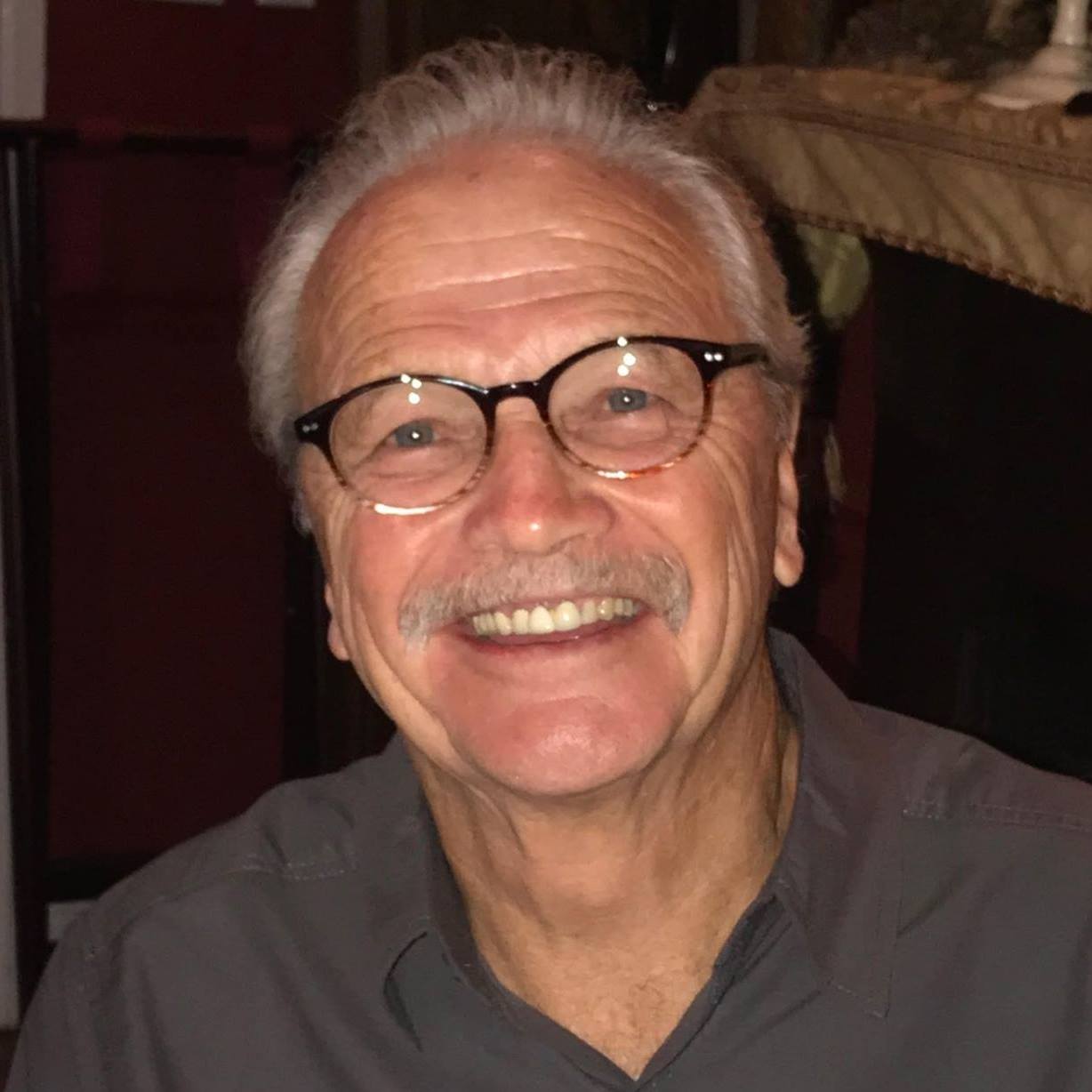
Donnie Bell is the current pastor of Lantana Grace Church in Crossville, TN.
Broadcaster:

Comments

0 / 2000 characters
Comments are moderated before appearing.

Be the first to comment!

Joshua

Joshua

Shall we play a game? Ask me about articles, sermons, or theology from our library. I can also help you navigate the site.