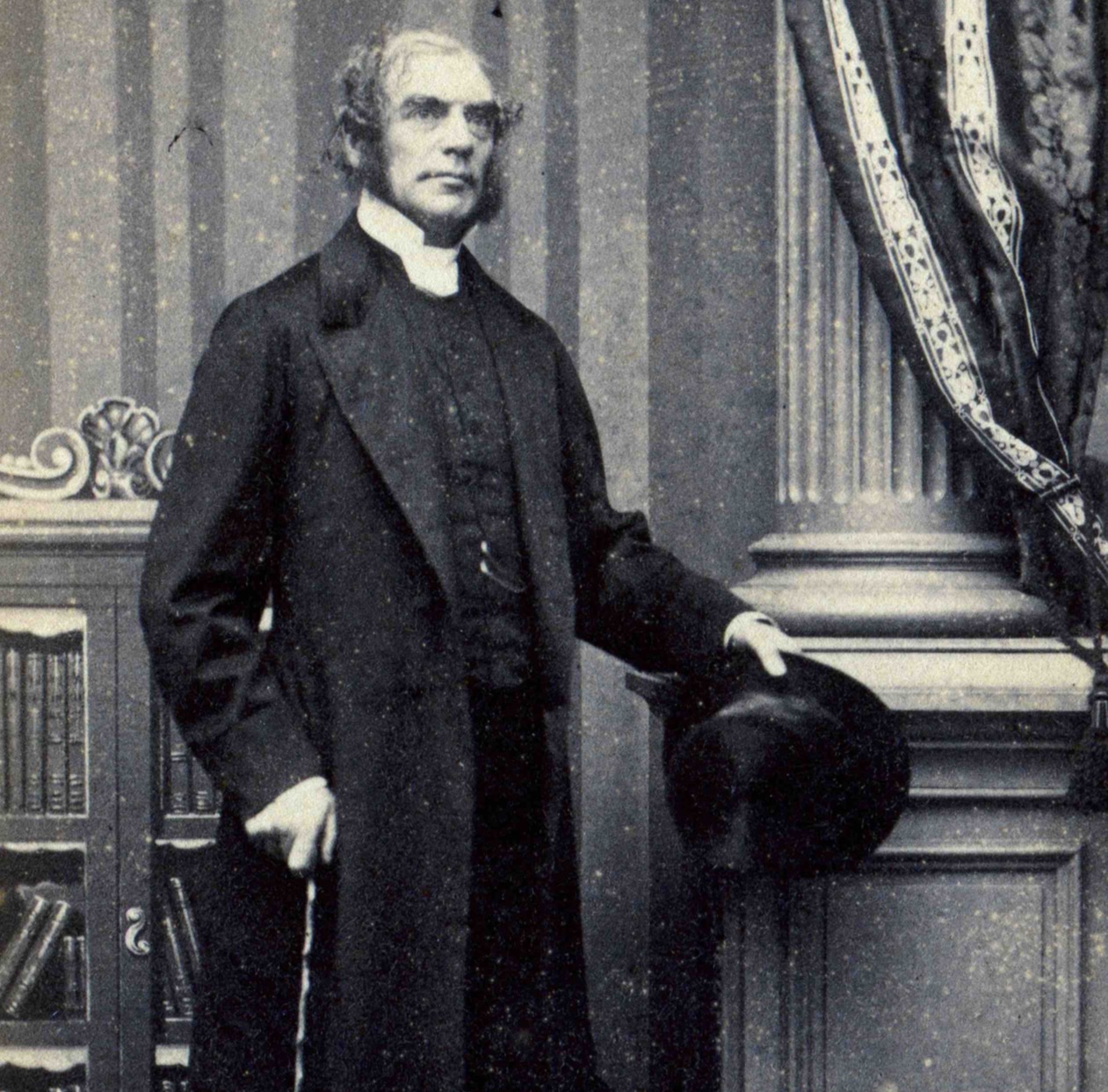
In his sermon titled "Faith & Repentance," Bill Parker explores the doctrines of faith and repentance as gifts from God, emphasizing their correct understanding in the context of salvation. He argues against the notion that faith and works contribute to one's salvation, stating that such a belief makes faith a work rather than a divine gift. Parker references Ephesians 2:8-9, asserting that salvation is entirely by grace through faith, which is not of ourselves. He further illustrates his points by discussing Philippians 3:1-3, where Paul identifies false teachers and highlights the characteristics of true believers, who worship God in spirit and find their assurance in Christ alone. The sermon underscores the importance of recognizing that repentance involves a fundamental change of mind about salvation, moving away from reliance on self to complete dependence on Christ and His righteousness.
Key Quotes
“Faith is not just believing. Faith is a gift from God that connects a sinner to Christ spiritually, experientially.”
“Repentance is not simply feeling sorry for your sins... it is a change of mind concerning who God is, who we ourselves are, and concerning Christ and God's way of salvation.”
“Every true believer is to strive to be an obedient servant of God, but our confidence is not in our doing so, or our ability to do so. Our confidence, our boasting, our rejoicing is in Christ Jesus.”
“Faith and repentance are the gifts of God.”
The Bible teaches that faith and repentance are gifts from God essential for salvation.
According to Scripture, faith and repentance are not merely human actions but are gracious gifts bestowed upon the elect by God. In Ephesians 2:8-9, it states, 'For by grace are ye saved through faith; and that not of yourselves: it is the gift of God.' This underscores that faith, rather than being a meritorious act that triggers God's favor, is a bestowed means that connects the believer to Christ. Similarly, repentance is a vital aspect of salvation, described as a change of mind about God, oneself, and the nature of salvation. A truly penitent heart must turn from reliance on works to reliance solely on Christ's finished work.
Ephesians 2:8-9, 1 Corinthians 2:14
The Bible teaches that faith and repentance are gifts from God that connect us to Christ for salvation.
According to Scripture, faith and repentance are not self-generated actions but gifts granted by God. In Ephesians 2:8-9, we read that 'for by grace you have been saved through faith, and that not of yourselves; it is the gift of God.' True faith rests not in our works but in the finished work of Christ, and genuine repentance involves a change of heart and mind regarding sin and salvation. Philippians 3:3 encapsulates this by stating that true believers are those who worship God in spirit and have no confidence in the flesh, emphasizing that both faith and repentance are essential aspects of the believer's relationship with Christ.
Ephesians 2:8-9, Philippians 3:3
Faith is reliable because it rests on the person and work of Christ as revealed in Scripture.
True faith is defined not by mere belief or wishful thinking but by a firm trust in the veracity of God's Word and the identity of Christ. As the sermon elaborates, faith must be grounded in the truth of who Jesus is and what He accomplished. Believing a lie with sincerity does not equate to genuine faith. Hence, faith that is anchored in the truth as presented in Scripture yields real assurance and peace, fulfilling Romans 10:17, which states that 'faith comes by hearing, and hearing by the word of God.' This emphasizes that not all forms of belief lead to salvation; rather, only faith anchored in Christ leads to eternal life.
Romans 10:17
The doctrine of total depravity is grounded in Scripture, indicating that all humanity is inherently sinful due to Adam's fall.
Total depravity asserts that humanity, in its natural state, is utterly unable to seek God or choose Him without divine intervention. Genesis 3 shows the fall of Adam, which resulted in all of humanity inheriting a sinful nature. 1 Corinthians 2:14 reinforces this, stating that the natural man does not receive the things of the Spirit of God, for they are foolishness to him. This condition highlights the necessity for the new birth that allows one to have faith and turn to Christ for salvation. Acknowledging our total depravity is fundamental as it underscores our need for God's grace and the significance of Christ's redemptive work.
Genesis 3, 1 Corinthians 2:14
Repentance is necessary as it signifies a change of heart and mind regarding sin and reliance on Christ.
Repentance is not merely feeling sorry for one's sins; instead, it represents a fundamental shift in understanding about God, oneself, and the means of salvation. Strongly supported by Philippians 3:3, the sermon asserts that true repentance involves rejecting confidence in human efforts and turning entirely to Christ's righteousness. This internal transformation is essential because it reveals the believer’s acceptance of God’s grace as the sole basis for forgiveness and salvation. The goal of repentance is to remove any notion that one can earn favor with God through works, thereby acknowledging the full sufficiency of Christ's redemptive work on the cross.
Philippians 3:3
Grace is the foundation of salvation, as it signifies God's unmerited favor towards sinners who believe in Christ.
Grace is the cornerstone of the Christian faith, signifying that salvation is entirely an act of God's kindness, not contingent upon human effort. As seen in Ephesians 2:8-9, we understand that grace manifests through faith, which is itself a gift from God. This grace reveals the depth of God's love, as He willingly sent His Son to bear the penalty for our sins, demonstrating that our righteousness and salvation rely solely on His work, not our own. Recognizing grace allows believers to find peace and assurance in Christ rather than in their performance, enabling a genuine worship experience that glorifies God alone.
Ephesians 2:8-9
To glory in Christ means to find one's identity and righteousness solely in Him, not oneself.
Glorying in Christ is about recognizing Him as the source of our salvation and identity as believers. Philippians 3:3 illustrates that true believers rejoice and boast in Christ Jesus, acknowledging that their righteousness stems not from personal merit but from Christ alone. This means that every good work, every act of obedience stems from gratitude for Christ’s completed work rather than as a basis for salvation. Believers are called to shift their confidence away from self and human efforts towards Christ, allowing His grace to motivate their obedience and worship. This glorying transforms the believer’s life to reflect reliance on Christ instead of one's capabilities.
Philippians 3:3
Faith and repentance are inseparable gifts from God that together lead to salvation and a true relationship with Christ.
Faith and repentance are two sides of the same coin in the experience of salvation. When one is given the gift of faith, it is accompanied by repentance, which is a profound change of mind about sin and God’s way of salvation. As demonstrated in Philippians 3:3, true worship involves rejoicing in Christ and having our confidence solely in Him, rather than in our own works. Repentance signifies a turning from self-reliance and a submission to Christ as our Savior. Therefore, faith connects us to Christ while repentance directs us to turn away from all forms of self-justification and to trust in His completed work.
Philippians 3:3
Comments
Your comment has been submitted and is awaiting moderation. Once approved, it will appear on this page.
Be the first to comment!