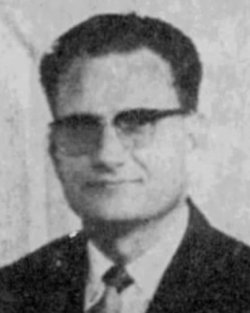
In Wilbur Elias Best's sermon titled "A Study of the Word 'Elder'," he addresses the theological concept of eldership as understood within the Reformed tradition. The main argument focuses on the dual meaning of the Greek term "presbyteros," signifying both an older man and an elder in an ecclesiastical context. Best utilizes 2 Timothy 4:1-5 and 1 Peter 5:1-4 to emphasize the responsibilities of elders in teaching, exhorting, and upholding sound doctrine amidst a culture increasingly resistant to Biblical truth. The practical significance of the sermon lies in encouraging the congregation to understand the role of elders as both authoritative leaders and shepherds of the church, highlighting the importance of mutual respect and commitment within the assembly. Best insists that true spirituality and responsiveness to God’s Word should derive from the Holy Spirit’s conviction rather than external pressures.
“The elder refers to a preaching, teaching man that God has called.”
“Response to the Word of God...must always be not because of persuasion by the preacher, but by the persuasion of the indwelling Holy Spirit.”
“There is no such thing as equality among elders anymore than there is equality among members.”
“We have seen how that presbyteros is used; it can mean an older person, but it can also mean the official of the assembly.”
The Bible designates elders as leaders within the church responsible for teaching and guiding the congregation.
1 Peter 5:1, 1 Timothy 5:17
Elders are essential as they fulfill a biblical role of spiritual oversight and guidance for the believers.
Hebrews 13:7, 1 Timothy 5:17
The role of an elder is vital for providing sound doctrine and direction within the church, guiding believers in their spiritual journey.
2 Timothy 4:2, Ephesians 4:11-12
Auto-generated transcript • May contain errors

Comments
Your comment has been submitted and is awaiting moderation. Once approved, it will appear on this page.
Be the first to comment!