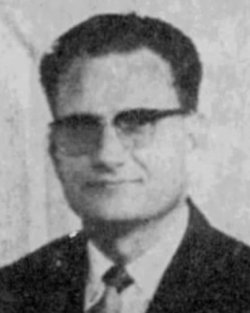
The sermon titled "The Subject of Apostasy, Part 3" by Wilbur Elias Best addresses the theological topic of apostasy, focusing on the characteristics of individuals described in 2 Timothy 3:1-5. Best argues that the apostate character, depicted through a profusion of negative adjectives and nouns, reflects a society increasingly alienated from God, exhibiting traits such as self-love, greed, and a lack of natural affection. He emphasizes the importance of the verb tenses in this passage to illustrate the continuity of these traits from Paul's time to the present, thereby suggesting a progressive moral decline. Key scriptural references, especially from 2 Timothy and 1 John 2, support his analysis by framing current moral failures as part of a broader eschatological context. The practical significance of this sermon lies in urging believers to discern and distance themselves from such corrupt influences, reinforcing the Reformed doctrine of perseverance and the necessity of true faith manifesting in righteous living.
“The absence of divine power made their profession therefore vain. It has been said that that which has no force, force is a farce.”
“Satan knows that forms are necessary to Christianity as the means of its manifestation.”
“A painted fire cannot give you any heat. A painted sumptuous meal cannot quench your hunger.”
“Believers, don't ever forget this, are fruit inspectors.”
The Bible describes apostasy as a rejection of previously held beliefs and the outward appearance of piety without its power, particularly seen in 2 Timothy 3:5.
2 Timothy 3:5
The rejection of truth manifests through the denial of its power and is supported by a lifestyle inconsistent with Scripture, as indicated in 2 Timothy 3:5.
2 Timothy 3:5
True piety reflects a genuine relationship with God and enables believers to live out their faith authentically, not just in outward appearances.
2 Timothy 3:5
Auto-generated transcript • May contain errors

Comments
Your comment has been submitted and is awaiting moderation. Once approved, it will appear on this page.
Be the first to comment!