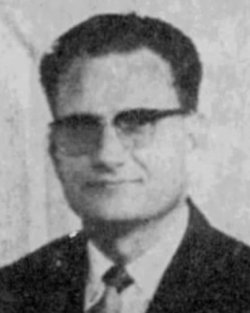
The sermon titled "Gethsemane - The Agony of, Part 1" by Wilbur Elias Best delves into the profound theological implications of Christ's experience in the Garden of Gethsemane, particularly encompassing themes of human suffering, divine will, and the dual nature of Christ as both fully God and fully man. Best argues that the agony Jesus experienced in Gethsemane is foundational for understanding His mission and the significance of His crucifixion. He emphasizes specific Scripture passages, notably Matthew 26:36-46 and Hebrews 5:5-10, to illustrate that Christ's anguish was not merely emotional but tied intricately to His divine purpose and the necessity of His sacrificial death. The practical significance of this sermon lies in its call for believers to recognize that true submission to God's will involves both surrender and an acknowledgment of the suffering inherent in Christ's redemptive work, urging individuals to contemplate their own submission to God’s will in light of Christ’s example.
“The agony of soul, beloved, was just as excruciating as the physical torture Jesus Christ endured as he was suspended between heaven and earth on the cross.”
“The Savior viewed the Father as being able to preserve Him in death, from the power of death, therefore He would come forth from the grave victoriously.”
“The first prayer was one of submission of Christ's human will to the divine... In the second prayer, we have the submission of the human will to the divine, and the result of which, the human will is forever silent.”
“The cup was his approaching death... the Father, not Satan, presented it in the cup.”
The Garden of Gethsemane represents the beginning of Christ's sufferings before His crucifixion, showcasing His deep sorrow and agony as He prayed.
Matthew 26:36-46
Christ's sufferings in Gethsemane were real, as evidenced by His anguish, physical sweating of blood, and sincere prayers for the Father's will.
Luke 22:44, Matthew 26:36-46
Jesus’ submission in Gethsemane showcases His obedience to the Father's will, vital for His role as our Savior.
Matthew 26:39
The cup represents the impending suffering and judgment that Jesus was about to endure on the cross for our sins.
Matthew 26:39, 2 Corinthians 5:21
Auto-generated transcript • May contain errors

Comments
Your comment has been submitted and is awaiting moderation. Once approved, it will appear on this page.
Be the first to comment!