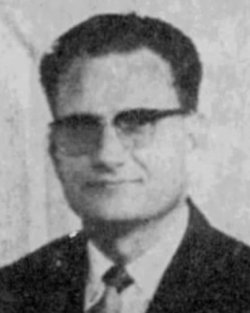
In Wilbur Elias Best's sermon titled "Self-Denial," the central theological focus is the concept of self-denial, particularly as it relates to Christian leadership and the imitation of Christ. Best argues that true Christian leaders, or under-shepherds, must exhibit self-denial by prioritizing the welfare of their congregants above personal gain, as exemplified by Jesus Christ, who came to serve rather than be served. He references Philippians 2:20-21, emphasizing Paul's lament about the self-serving nature of many—"For all seek their own, not the things which are Jesus Christ's"—which illustrates the broader call for all believers to emulate Christ’s selflessness. Additionally, Scripture passages from John 10 underscore the importance of recognizing and following the true shepherd, Jesus, while cautioning against false shepherds who prioritize their own interests. This doctrine has practical significance in the Reformed tradition as it emphasizes the importance of pastoral care rooted in self-denial, reinforcing the notion that true leadership in the church is marked by humility and a commitment to the spiritual well-being of others.
“A self-centered Christian is a contradiction. That will not stand the test of Scripture.”
“The man whom God appoints as an under-shepherd is to serve the people. He is to pray for the people. He is to serve the people. He is not to be ministered to, but he is to minister.”
“True sheep are endowed with certain qualities. . . . They are conscious of their need of direction. They are gifted with discernment.”
“There is to be a threefold self-denial on the part of true under-shepherds…regarding the call, the care of the sheep, and gain.”
The Bible emphasizes self-denial as a crucial aspect of following Christ, showing that true believers must care for the needs of others rather than seeking their own interests.
Philippians 2:20-21, John 10:11
Self-denial is vital for Christians as it reflects Christ's character and enables believers to prioritize the spiritual well-being of others.
Philippians 2:5-21, John 10:11
Self-denial is evident in a believer's life through their actions, as they demonstrate care for others and prioritize God's will above their own.
Philippians 2:20-21, John 10:11-13
Auto-generated transcript • May contain errors

Comments
Your comment has been submitted and is awaiting moderation. Once approved, it will appear on this page.
Be the first to comment!