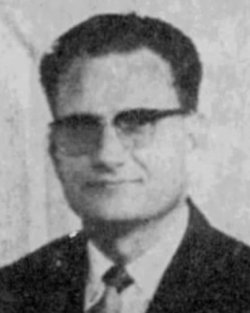
In his sermon titled "The Conscience of the Believer," Wilbur Elias Best explores the theological implications of conscience as a moral faculty that bears witness to God's law. He emphasizes that conscience, a divinely inbred faculty, serves as both judge and jury, guiding human actions in light of God’s standards (Romans 2:15). Best argues for the necessity of a believer's conscience to be "void of offense," citing Paul's defense in Acts 24:16 as a case study demonstrating the importance of maintaining a clear conscience towards both God and others. He highlights that this exercise is multifaceted, requiring the purification of the conscience through Christ's blood, enlightenment via Scripture, and continual sensitivity to God's leading. The significance of this teaching lies in its affirmation of the Reformed doctrine of total depravity, alongside the transformative power of regeneration, as it underscores the believer's accountability to live in accordance with God's revealed will.
“Conscience is the soul's glass and the understanding's light. The very term conscience imports that there is some law by which conduct is tried and the error or rectitude is determined.”
“The Christian life is not easy, beloved. It is a continual exercise.”
“In order for the conscience to be void of offense, it must first of all be purified with the blood of Jesus Christ.”
“A conscience void of offense does not come easily. There must be daily buffeting of one's body.”
The Bible teaches that conscience is an inborn faculty of the soul that judges right from wrong, as seen in Romans 2:15.
Romans 2:15
The doctrine of a pure conscience is affirmed in Scripture, as Paul exercised himself to maintain a conscience void of offense toward God and man (Acts 24:16).
Acts 24:16
A clear conscience is vital for Christians as it reflects their moral integrity and relationship with God (1 Timothy 1:5).
1 Timothy 1:5
Conscience acts as an inner guide for believers, helping them discern right from wrong through the Holy Spirit (John 16:13).
John 16:13
Auto-generated transcript • May contain errors

Comments
Your comment has been submitted and is awaiting moderation. Once approved, it will appear on this page.
Be the first to comment!