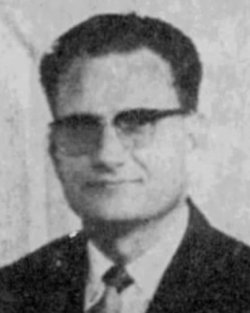
The Dignity, Humility, and Glory of Christ
Philippians 2:5-8
The sermon preached by Wilbur Elias Best titled "The Dignity, Humility, and Glory of Christ" focuses on the Christological foundation found in Philippians 2:5-8. The preacher argues that Christ's dignity, as expressed in His pre-existent form as God, is juxtaposed with His voluntary humility demonstrated through the incarnation. Key points include the interpretation of Christ emptying Himself (kenosis), which does not imply losing any divine attributes but highlights His submission to the Father's will and His sacrificial role as Redeemer. Scripture references such as John 10:30 and Romans 8:2 provide a framework to understand Christ’s dual nature — fully God and fully man, essential for delineating the Reformed view of His deity and humanity. The practical significance lies in understanding Christ's humility as a model for believers' own lives, encouraging them to reflect the same selflessness while fully embracing the truth of Christ’s nature and redemptive work.
“He is the God-man. In other words, he is the theanthropic person about whom we have been speaking now to some extent for the last three Wednesday evenings.”
“He did not hold on to the glory in which he was living. He left heaven. He left Heavenly glory…”
“Christ was possessed of all the essential attributes and properties of deity but he did not use them except at the pleasure of the Father during the time of his humiliation.”
“The goal of Christ’s humiliation was his sacrificial death, the death of the cross.”
The Bible teaches that Christ, existing in the form of God, humbled Himself by taking on human form and becoming obedient unto death.
Philippians 2:6-8, John 10:30
The dual nature of Christ as fully God and fully man is affirmed in Scripture, particularly in Philippians 2 and the Chalcedonian definition.
Philippians 2:7, Colossians 2:9
The humility of Christ exemplifies the nature of true service and selflessness, providing a model for Christian conduct.
Philippians 2:5, Philippians 2:8
Auto-generated transcript • May contain errors

Comments
Your comment has been submitted and is awaiting moderation. Once approved, it will appear on this page.
Be the first to comment!